JGB Yields Decline Following Cooling Inflation and Fiscal Policy Reaffirmation
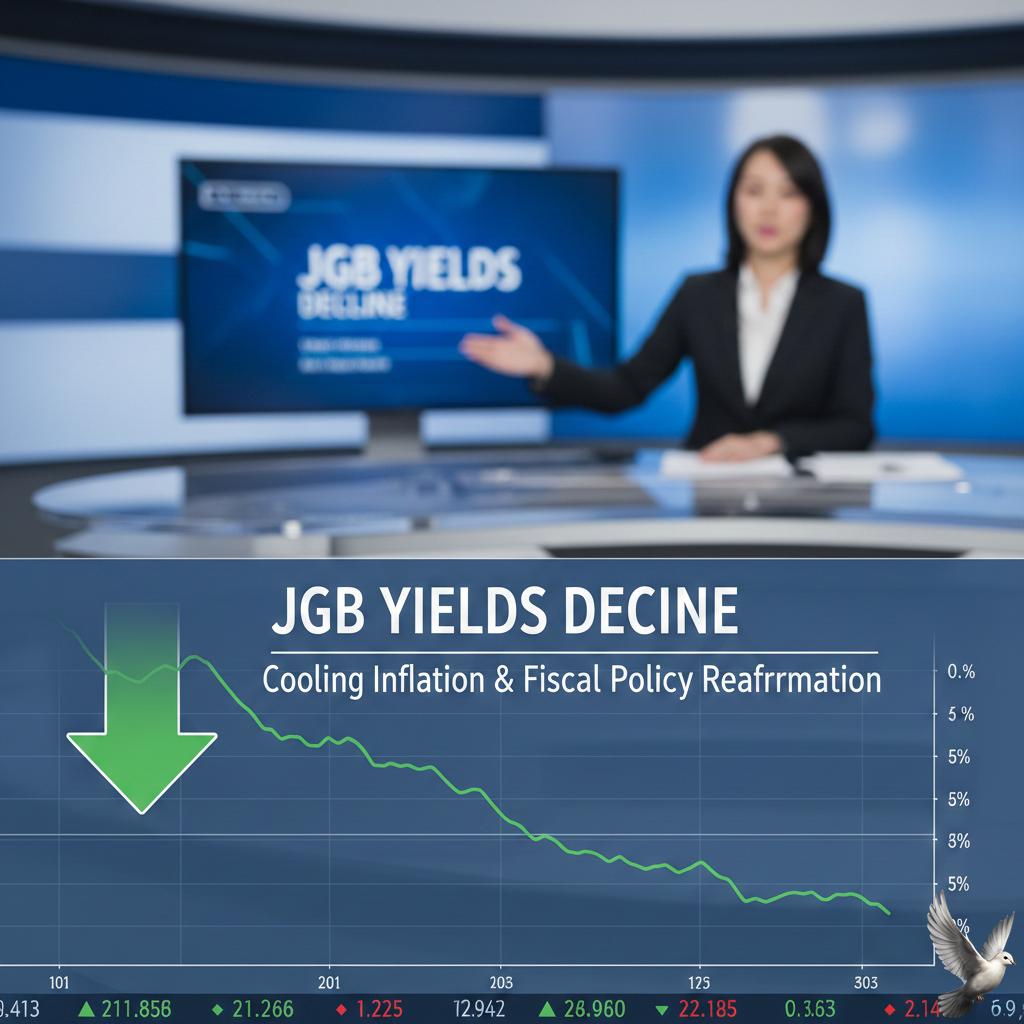
Japanese government bonds rallied on Friday as new economic data signaled a significant cooling in inflationary pressure. The benchmark 10-year JGB yield declined toward 2.11%, hitting a six-week low. This downward movement reflects a shifting outlook for monetary policy as price growth moderates across the archipelago.
Headline inflation dropped sharply to 1.5% in January, down from 2.1% the previous month. This represents the lowest level since March 2022. Core inflation, which excludes volatile fresh food, matched the Bank of Japan’s 2% target. This slowdown is the slowest pace of core price growth in two years, primarily driven by government energy subsidies and a stabilization in food costs.
The easing data provides the Bank of Japan with critical breathing room. While the central bank recently raised its key interest rate to 0.75%, the cooling CPI suggests there is less immediate urgency for further hikes in the first half of 2026. Markets are now adjusting expectations for the next potential move, previously anticipated for the second quarter.
Political stability is further anchoring the bond market. Following her landslide election victory, Prime Minister Sanae Takaichi has reinforced her commitment to a "proactive but responsible" fiscal strategy. Her administration plans to break from years of austerity by boosting strategic investments in semiconductors and AI, while simultaneously vowing to manage the national debt burden.
Investor sentiment has also been bolstered by the Prime Minister's proposal for a two-year suspension of the consumption tax on food. This measure aims to protect household purchasing power without triggering the fiscal jitters that unsettled markets late last year. Early auction results for shorter-term debt have shown robust demand as political risk premiums continue to fade.
Equities saw a different reaction to the data. The Nikkei 225 Index fell 1.18% to end the session at 56,789 points. The retreat was led by banking and technology stocks, as lower yields weighed on financial profit outlooks and global geopolitical tensions tempered risk appetite. Despite the daily dip, the index remains up significantly over the past year.
The broader outlook for the Japanese economy remains resilient. Machinery orders saw a record jump in December, and manufacturing sentiment is rebounding. While the IMF has cautioned against excessive fiscal loosening, the current blend of slowing inflation and steady political leadership has successfully calmed the volatility that characterized the JGB market in recent months.