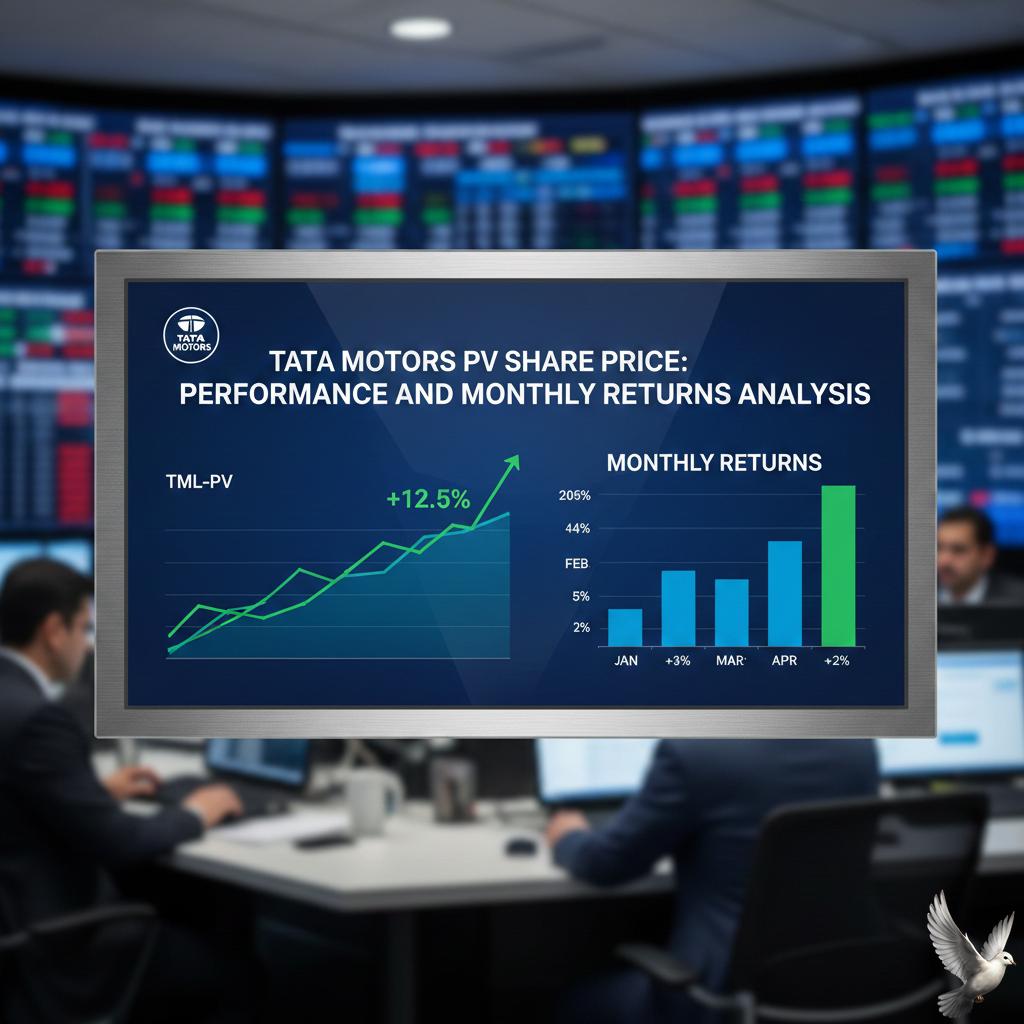
Tata Motors PV Share Price: Performance and Monthly Returns Analysis
Market Brief: February 17, 2026
Global equity markets are navigating a period of broadening leadership as the dominance of megacap technology begins to share the stage with cyclical sectors. Recent data shows the **S&P 500** successfully crossing the **7,000** milestone, supported by a revised U.S. GDP growth rate of **4.4%**. While technology remains a core driver, the **Energy** sector emerged as a significant leader with gains of **14.18%**, followed by **Materials** at **8.64%**.
The transition in U.S. monetary policy remains a focal point for investors. With inflation normalizing toward **2.4%**, market expectations are coalescing around a terminal interest rate of **3.0%** to **3.25%**. The recent nomination of Kevin Warsh as the next Federal Reserve Chair is being closely monitored for potential shifts in the central bank’s hawkish stance.
Commodities and Currencies
Commodity markets are experiencing heightened volatility, particularly in industrial metals. **LME Aluminium** prices saw a sharp technical correction on **February 13**, pulling back into the middle of its three-year trading range. Conversely, **Gold** remains a standout performer, with analysts upgrading year-end targets toward **$5,600** per ounce as institutional demand intensifies.
**Brent Crude** is currently trading near **$68.34** per barrel. While energy markets remain firm in the short term, high supply levels are expected to cap further significant upside. In the currency space, the **U.S. Dollar Index (DXY)** holds steady around **97.13**, though the greenback is estimated to be roughly **15%** overvalued, suggesting potential downside as global rate environments converge.
Regional Highlights and Trade
India continues to demonstrate significant domestic resilience. The country's real GDP is projected to grow by **7.4%** for the **2025–26** fiscal year. The **Nifty 100** and **Midcap** indices showed slight pullbacks of **0.26%** and **0.18%** respectively in early Tuesday trade, reflecting cautious sentiment amid geopolitical uncertainty.
Strategic corporate developments in the region include a major **₹5,000 crore** defense order for **Cochin Shipyard**, providing strong revenue visibility for the shipbuilding sector.
Global trade dynamics are being reshaped by shifting tariff policies. New measures have notably impacted sector competitiveness; for instance, **South African wine** exports to the U.S. have become **17 percentage points** more expensive compared to **2024**, while **Italian rice** imports have gained a **12 percentage point** price advantage. These adjustments are forcing a gradual reallocation of global sourcing and supply chains.
Emerging Risks
While the macro backdrop remains generally supportive, several risks are being monitored:
* **Refinancing Pressure**: Approximately **25%** of U.S. debt is due for refinancing within the next year.
* **Supply Chain Constraints**: A tightening supply in the memory-chip industry, driven by high demand for hardware, is creating pricing pressure across electronic products.
* **Geopolitical Friction**: Trade policy is increasingly influenced by security considerations rather than traditional efficiency, contributing to a more fragmented global market environment.
Investors are now turning their attention to upcoming quarterly earnings reports and fiscal policy updates in Europe to gauge the sustainability of the current market momentum.