Bearish News
Collection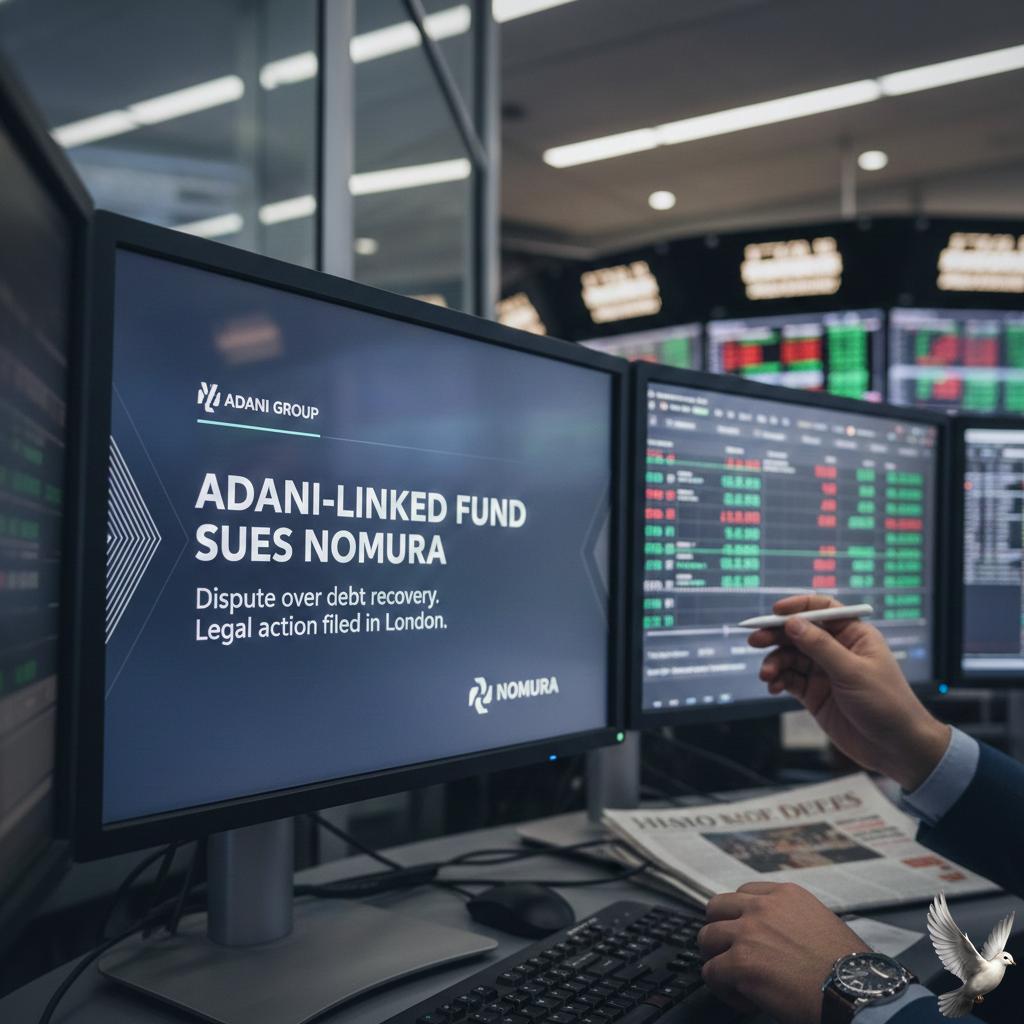
Adani-Linked Fund Sues Nomura
Oyster Bay Fund Exposure to Adani Group **Overview of Leveraged Positions** High Court filings disclose that the **Oyster Bay Fund**, an entity owned by Elara, utilized leverage provided by **Nomura** to establish significant positions in **Adani Enterprises** and **Adani Ports**. **Impact of Hindenburg Report** These positions collapsed following the release of the January 2023 report by **Hindenburg Research**. The report alleged "brazen stock manipulation" by the Adani Group and specifically implicated Elara-linked funds in the suspected activities.

Gold Price Crosses Rs 1.5 Lakh Mark for the First Time: Key Drivers and Market Outlook
Gold Surpasses ₹1.5 Lakh Benchmark (2026) **Executive Summary** Gold prices have breached a historic milestone, crossing the ₹1.5 lakh mark for the first time in 2026. This unprecedented surge is driven by a confluence of macroeconomic instability and strategic shifts in the global financial order, reinforcing the metal's status as a critical safe-haven asset. **Key Drivers** * **Geopolitical & Trade Volatility:** Escalating geopolitical tensions and the threat of new tariffs have accelerated a flight to safety, driving strong investor demand. * **Structural Market Shifts:** Sustained buying by central banks and accelerating de-dollarization trends have underpinned the rally, creating a high floor for valuation. * **Currency Depreciation:** Weakness in the Indian Rupee has further amplified domestic prices, compounding the impact of the global rally.
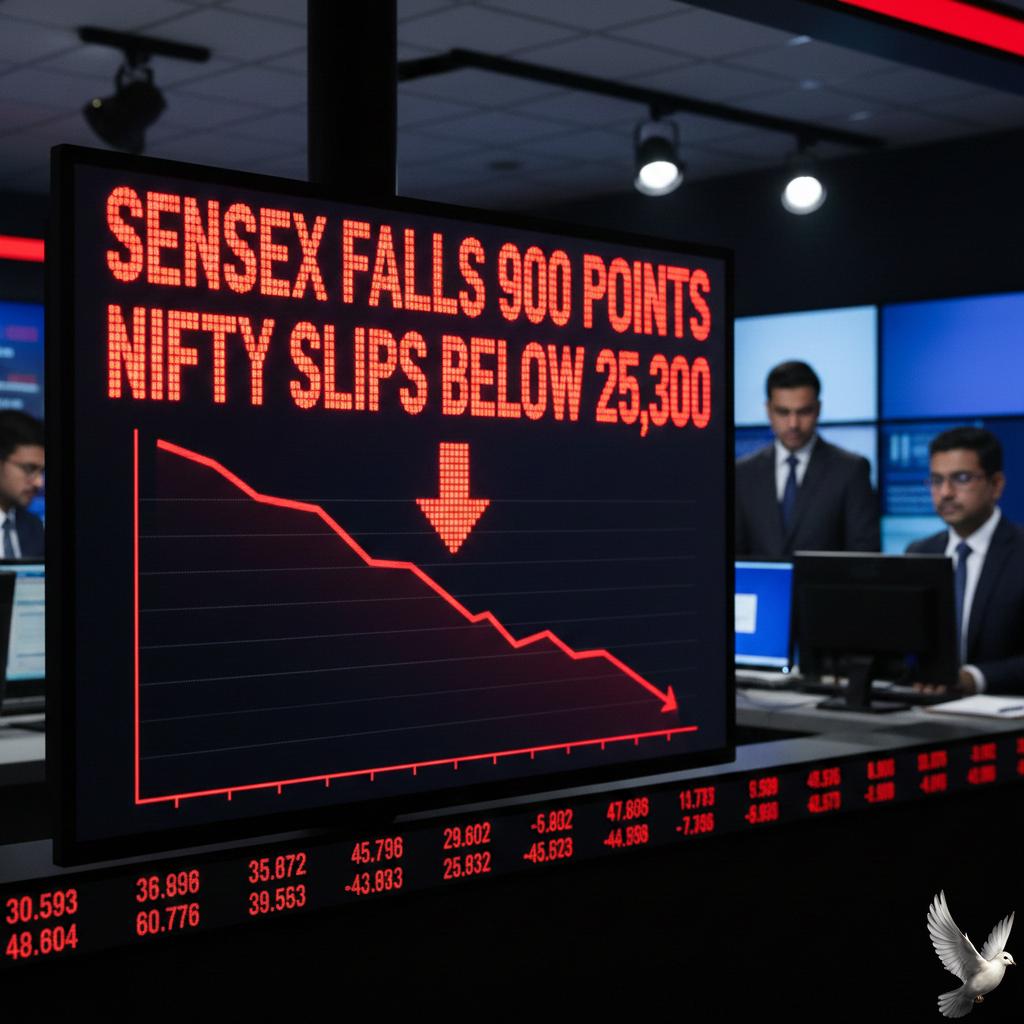
Sensex Falls 900 Points, Nifty Slips Below 25,300
Indian Equities Slide to Two-Month Lows Indian equity benchmarks registered a sharp decline on Tuesday, with the Sensex and Nifty sliding to their lowest levels in over two months. Extending losses from the previous session, market sentiment was eroded by mixed corporate earnings reports, sustained foreign fund outflows, and ongoing global trade uncertainty. The Information Technology sector led the selloff, acting as the primary drag on the indices.
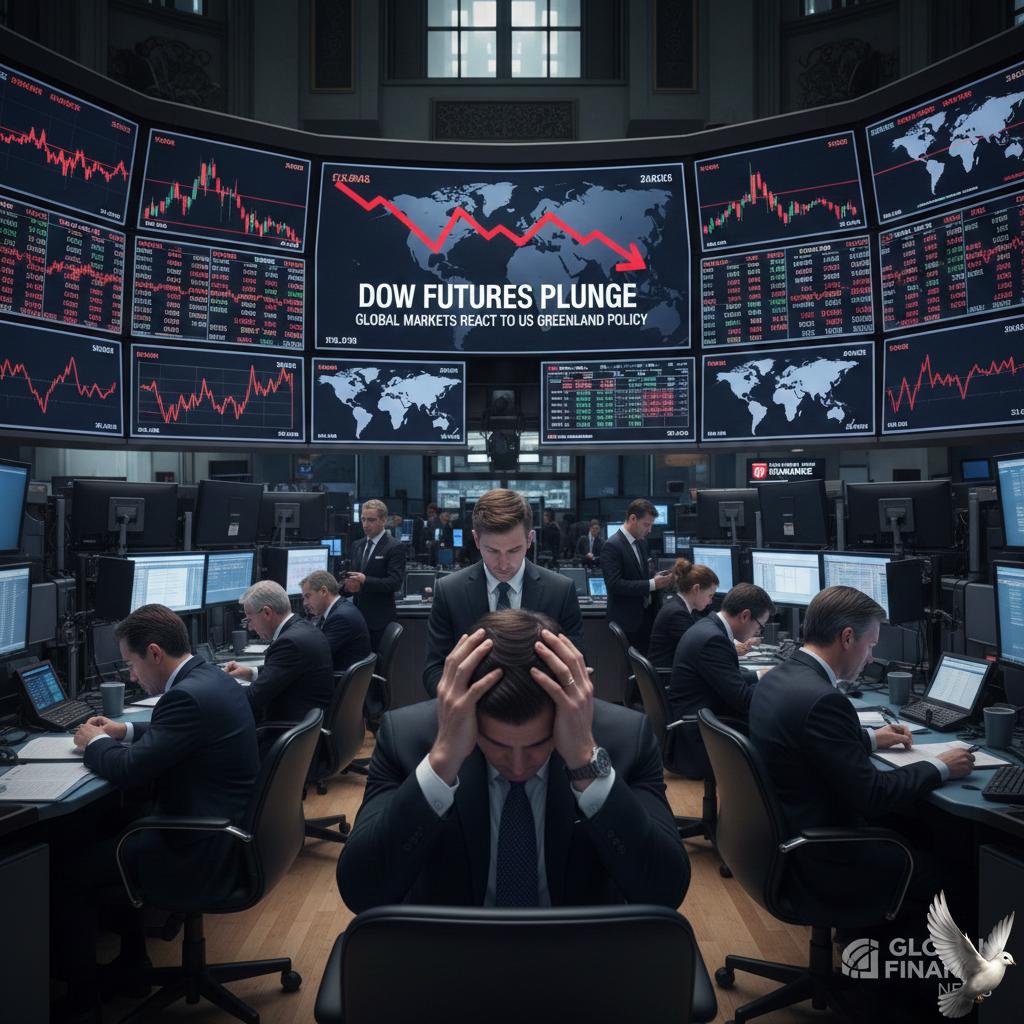
Dow Futures Drop on Global Market Reaction to US Political Action on Greenland
🌍 Global Trade Tensions Drive Broad Sell-Off **Date:** Tuesday, January 20, 2026 Global equity markets experienced a significant downturn Tuesday, driven by elevated geopolitical risk and renewed trade concerns following an aggressive tariff threat from the U.S. administration. * **U.S. Market:** U.S. futures contracts indicated a sharp decline at the open, reflecting widespread market anxiety over the potential implementation of new tariffs on eight key European nations. The threat marks a material escalation in transatlantic trade tensions. * **Asian Markets:** Shares across Asia were predominantly lower. The **Nikkei 225** in Tokyo closed down **1.1%**, with the losses attributed to both the global trade uncertainty and domestic market speculation linked to upcoming elections and a rise in bond yields. * **European Markets:** Markets in Europe opened in the red, with investor sentiment negatively impacted by the dual concerns of impending U.S. tariffs and an emerging round of corporate earnings reports. The overarching market theme remains a flight from risk assets as investors price in the potential economic impact of a widening trade conflict.
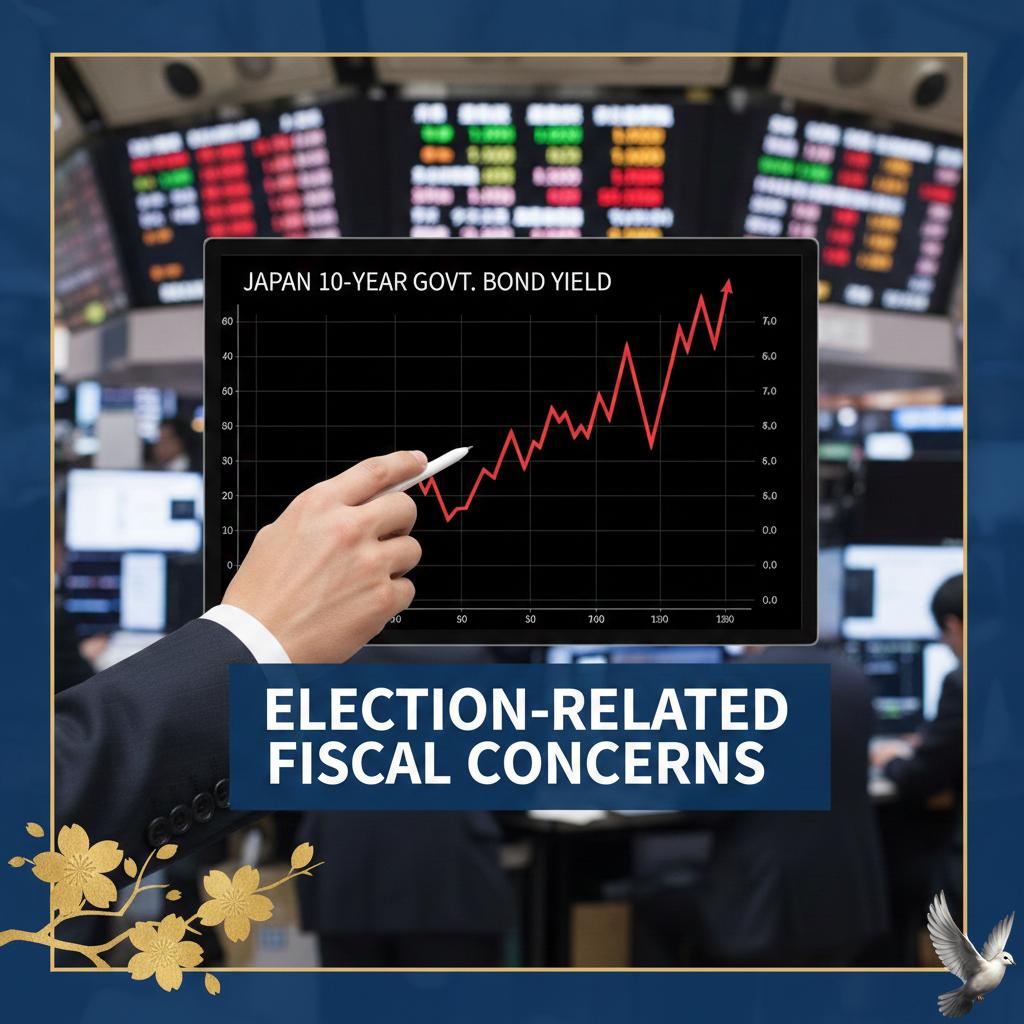
Japan Bond Yields Rise on Election-Related Fiscal Concerns
📈 Japanese Government Bond Market Brief --- **Summary of Key Market Movement** Japanese Government Bond (JGB) yields have climbed to **record highs**, reflecting significant investor concern over the nation's fiscal outlook. This yield surge is primarily fueled by speculation regarding **potential tax cuts** in the run-up to an anticipated election, measures which are projected to place substantial strain on already burdened government finances. **Catalyst and Investor Sentiment** The sell-off intensified following a **weak 20-year debt auction**, signaling diminished demand and contributing to a sharp repricing of risk across the yield curve. Current market conditions are characterized by **extreme caution**; a lack of clear buyers at current yield levels suggests a standoff between sellers and hesitant investors. **Outlook** The primary drivers of market activity and volatility are heightened **political uncertainty** and the deteriorating **fiscal outlook**. Market participants remain acutely focused on clarity regarding future government spending and taxation policies.
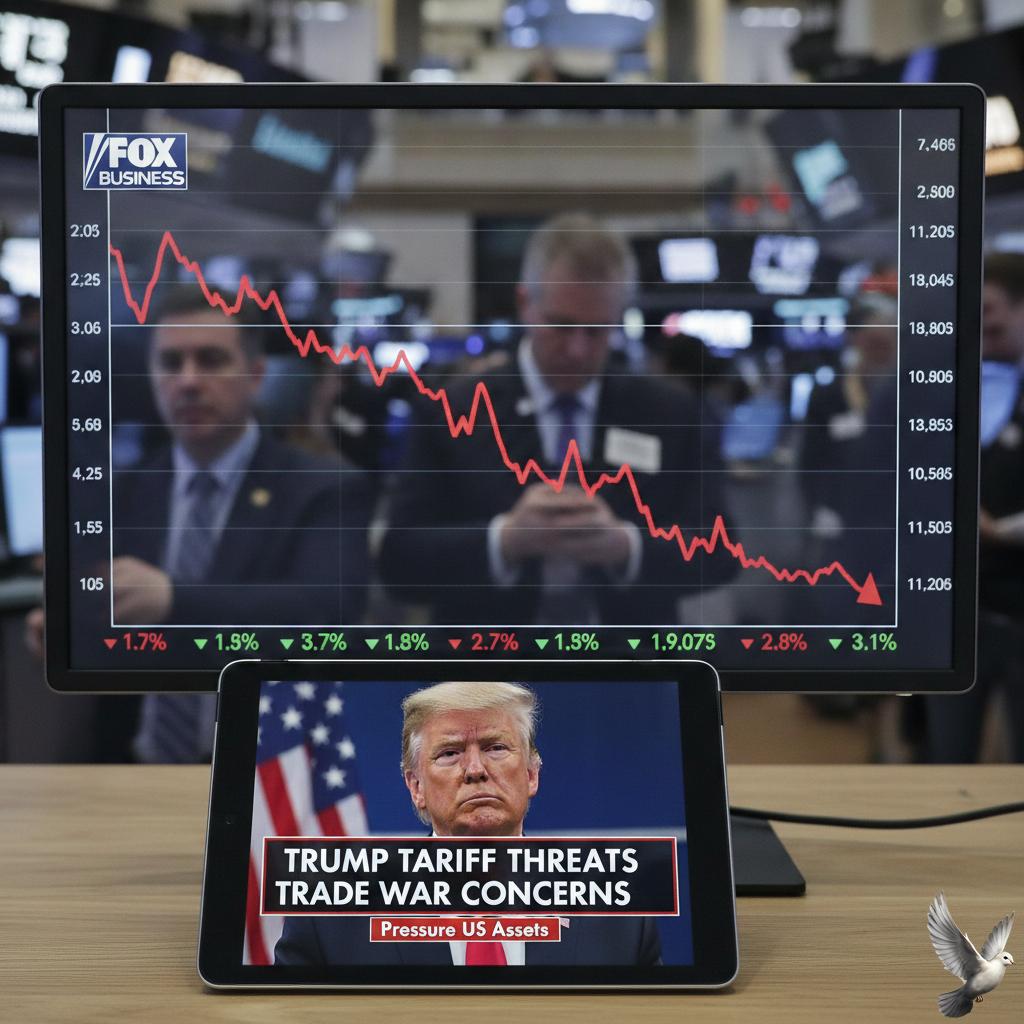
Trump Tariff Threats Renew Trade War Concerns and Pressure US Assets
Trade Tensions Renew Global Volatility **Overview** Renewed tariff threats from President Trump have reignited "Sell America" sentiment, triggering a shift in global capital as markets brace for the possibility of an escalated trade war. **Key Developments** * **Equity & Currency Reaction:** European equities have retreated, and the U.S. dollar has weakened. Simultaneously, **safe-haven currencies** have posted gains as risk appetite diminishes. * **Strategic Reassessment:** Investors are actively evaluating the potential for tit-for-tat retaliation between the U.S. and the E.U., prompting a review of European exposure to U.S. assets. *(Source: Reuters)*

Aditya Birla Fashion Shares Drop 9% Amid Reports of Rs 289 Crore Block Deal
** Aditya Birla Fashion and Retail (ABFRL)** **Headline: ABFRL Stock Hits 52-Week Low Following ₹289 Crore Block Deal** Shares of Aditya Birla Fashion and Retail Ltd. (ABFRL) declined to a fresh 52-week low during the trading session. The downturn was precipitated by a significant block deal valued at approximately ₹289 crore. Market reports indicate the transaction was likely a clean-out trade executed by an undisclosed institutional investor.

Deepak Shenoy: Missing the First 10% in Long-Term Investing
Market Strategy Brief: Long-Term Discipline Over Timing **Source:** Deepak Shenoy, Capitalmind Mutual Fund Executive Summary Deepak Shenoy advocates for a disciplined, fundamental approach to investing, explicitly cautioning against the risks of market timing. He emphasizes that navigating uncertain markets requires a steadfast focus on structural growth rather than reactive adjustments to transient volatility. Key Strategic Insights * **The Cost of Discipline:** Shenoy argues that missing the first **10% of a market move** is a worthwhile trade-off. Foregoing the initial surge allows investors to prioritize confirmation and consistency over speculative entry points. * **Fundamental Anchor:** Investment theses should remain anchored in **earnings growth** and long-term economic trends. These fundamentals are cited as the primary drivers of sustainable returns, outweighing daily price fluctuations. * **Noise Filtration:** Investors are advised to look past short-term market noise and geopolitical headlines. Shenoy stresses that these external factors often serve as distractions that can derail a sound long-term strategy.
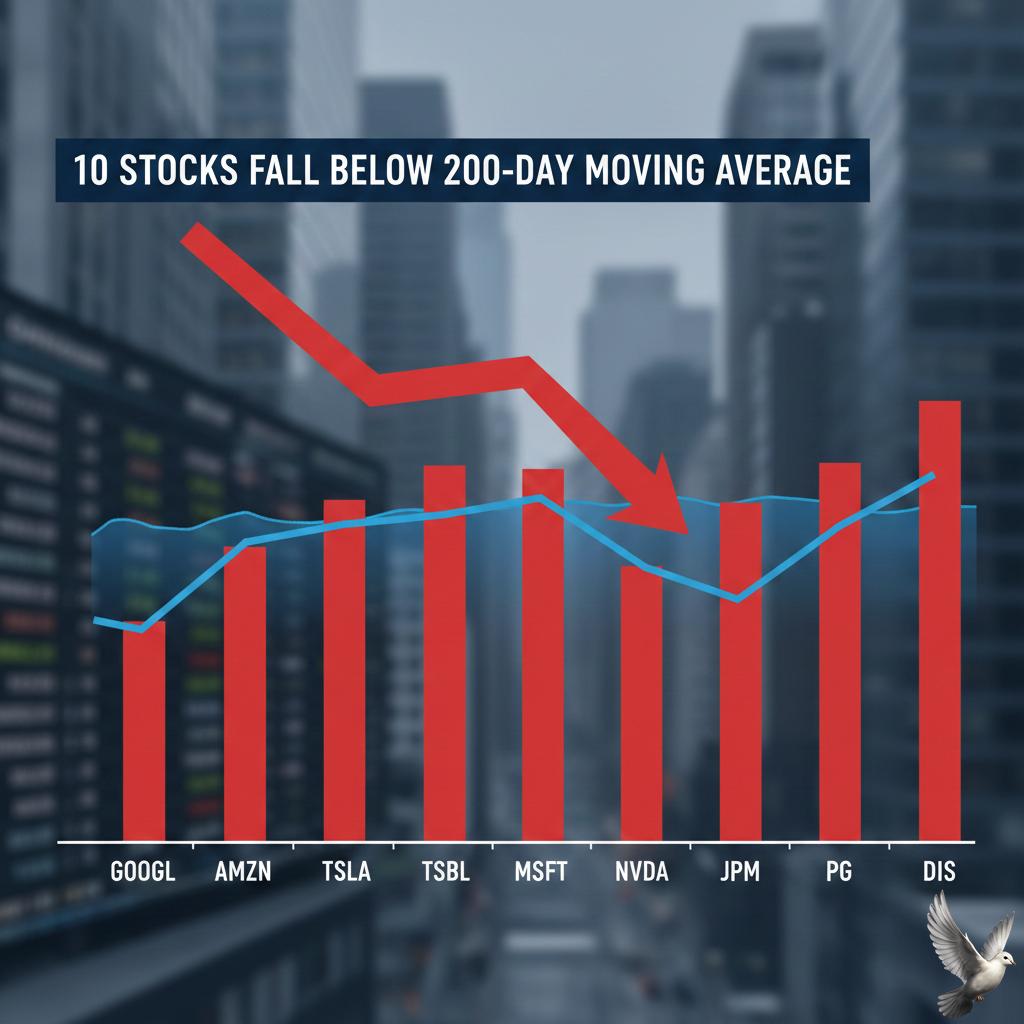
10 Stocks Fall Below 200-Day Moving Average
The 200-day moving average (200 DMA) serves as a critical technical benchmark, widely utilized by market participants to assess the prevailing long-term trend of an equity.
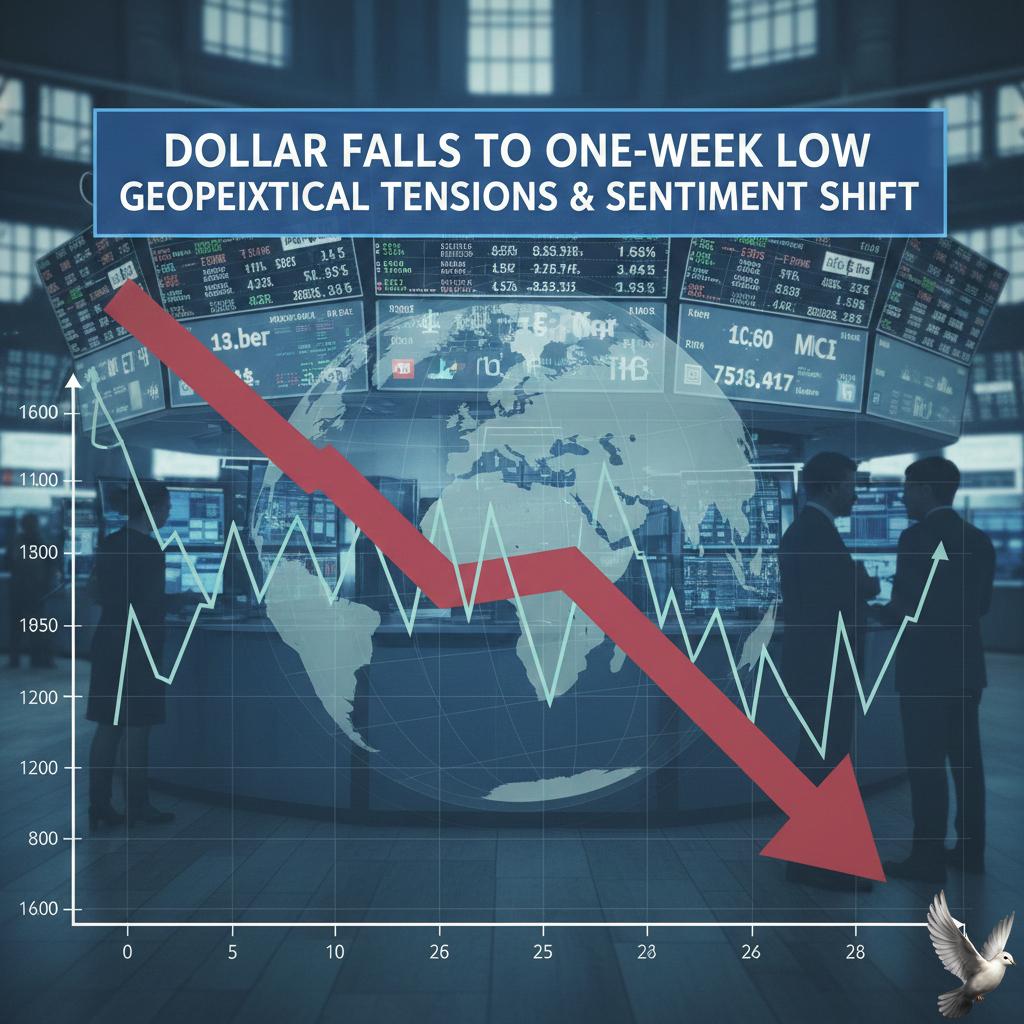
Dollar Falls to One-Week Low Amid Geopolitical Tensions and Shift in Investment Sentiment
The U.S. Dollar Index declined 0.1% to 99.004, marking its lowest level since January 14, as investor sentiment soured regarding exposure to U.S. markets.
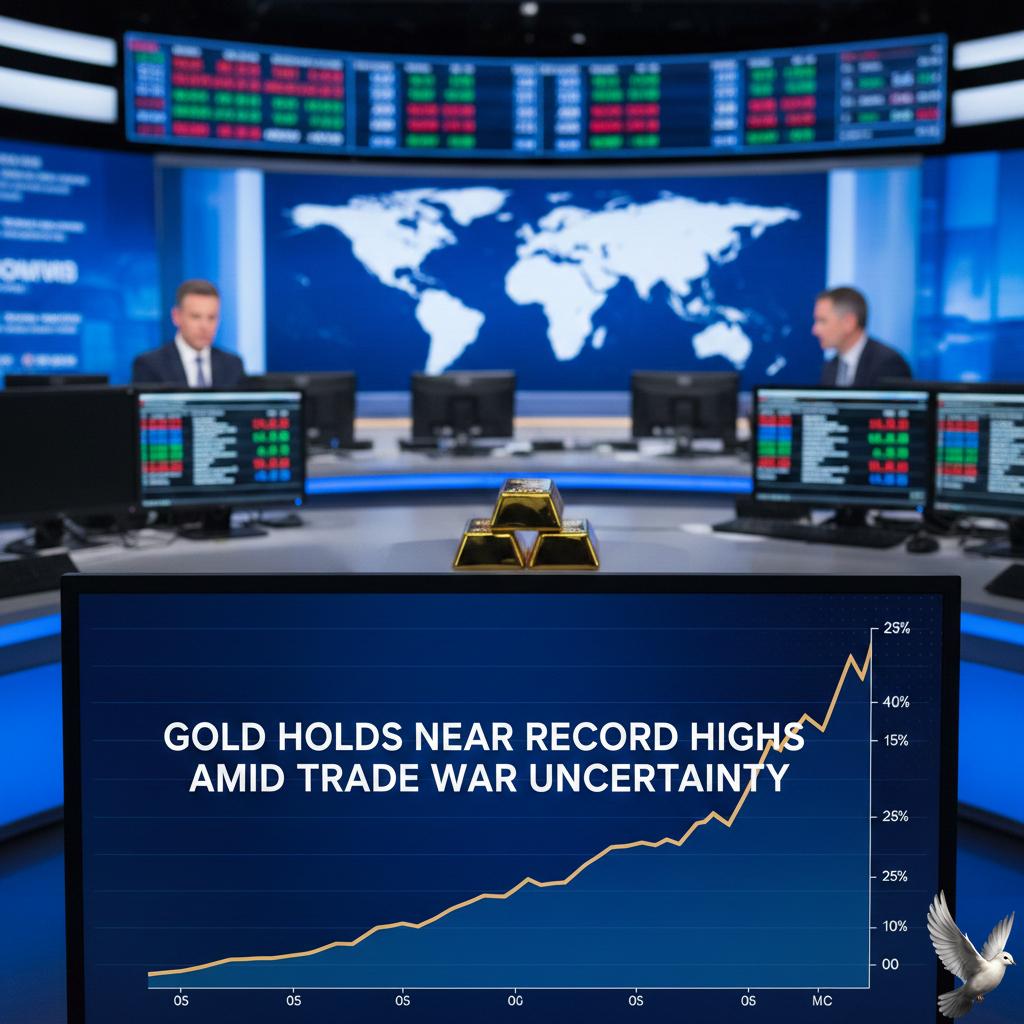
Gold Holds Near Record Highs Amid Trade War Uncertainty
** Safe-Haven Rally Driven by Geopolitical Tensions** **Executive Summary** Precious metals have surged toward record highs, driven by escalating geopolitical uncertainty following President Trump’s statements regarding the acquisition of Greenland. This development has catalyzed a broad flight to safety, negatively impacting the U.S. dollar and equity markets while bolstering demand for stability-focused assets. **Key Market Developments** * **Precious Metals Surge:** Gold and silver prices are approaching historical peaks as investors aggressively increase exposure to traditional safe-haven assets. * **Currency Volatility:** The U.S. dollar has weakened against major counterparts, reflecting diminishing sentiment amid heightened political unpredictability. * **Equity and Bond Selloff:** U.S. stock and bond markets experienced significant selling pressure. Market participants are reallocating capital to mitigate risks associated with potential trade conflicts and diplomatic instability. * **Investor Sentiment:** The prevailing market mood is characterized by risk aversion, with a clear pivot toward assets that offer protection against geopolitical escalation and trade war risks.
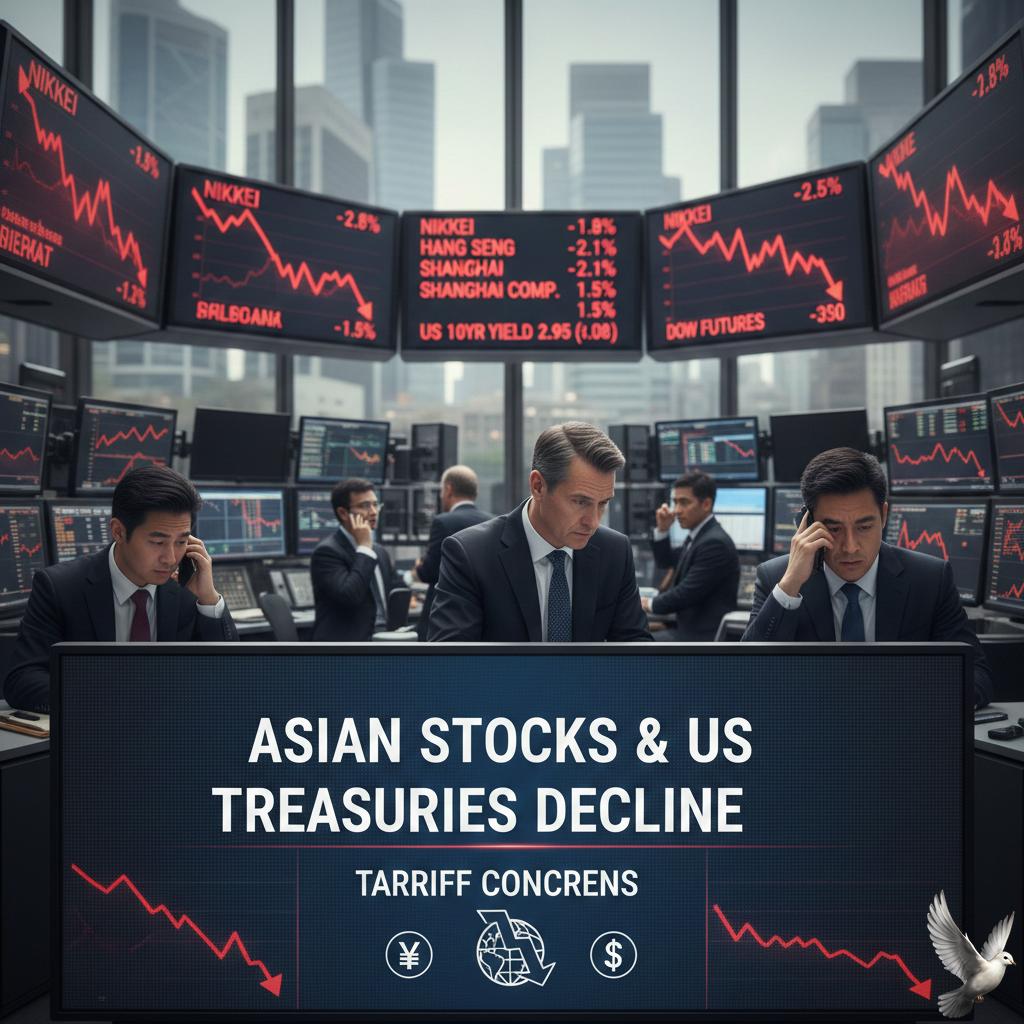
Asian Stocks and US Treasuries Decline Amid Tariff Concerns
🌍 Global Renewed Trade Tensions Drive Risk-Off Sentiment **Date:** Tuesday, [Date] 📉 Market Reaction Asian equity markets opened lower on Tuesday, reflecting a sharp decline in investor confidence. This sentiment follows the re-escalation of global trade tensions. * **Asia:** Markets were broadly lower at the open. * **Europe (Monday):** Shares experienced a significant decline, indicating broad risk aversion. * **US:** Markets were closed on Monday, delaying the official response of US equities to the developments. 🛑 Key Driver: Greenland Tariff Threat Investor confidence has been severely impacted by President Donald Trump's recent tariff threats targeting nations opposing his administration's bid regarding Greenland. This geopolitical friction has reignited fears of a broader, destabilizing trade conflict. 🇪🇺 Investor Focus: EU Response The market's immediate attention is centered on the expected response from the European Union (EU). Investors are closely monitoring whether the EU will implement countermeasures against potential US tariffs, which would signal a further escalation and entrenchment of global market nervousness. The situation contributes to an environment of sustained market volatility and geopolitical uncertainty.
Pre-Market Action and Daily Trade Setup
Indian Equities Close Lower * **Market Performance:** Indian equity markets ended the session in negative territory, driven by cautious global sentiment and mixed corporate earnings reports. * **Volatility:** The India VIX surged by 4%, signaling a tangible increase in market apprehension. * **Outlook:** Analysts anticipate a period of sideways trading, with direction likely influenced by evolving global cues and ongoing quarterly results. * **Key Risks:** Escalating geopolitical tensions remain a primary concern, posing significant risks to near-term market stability.
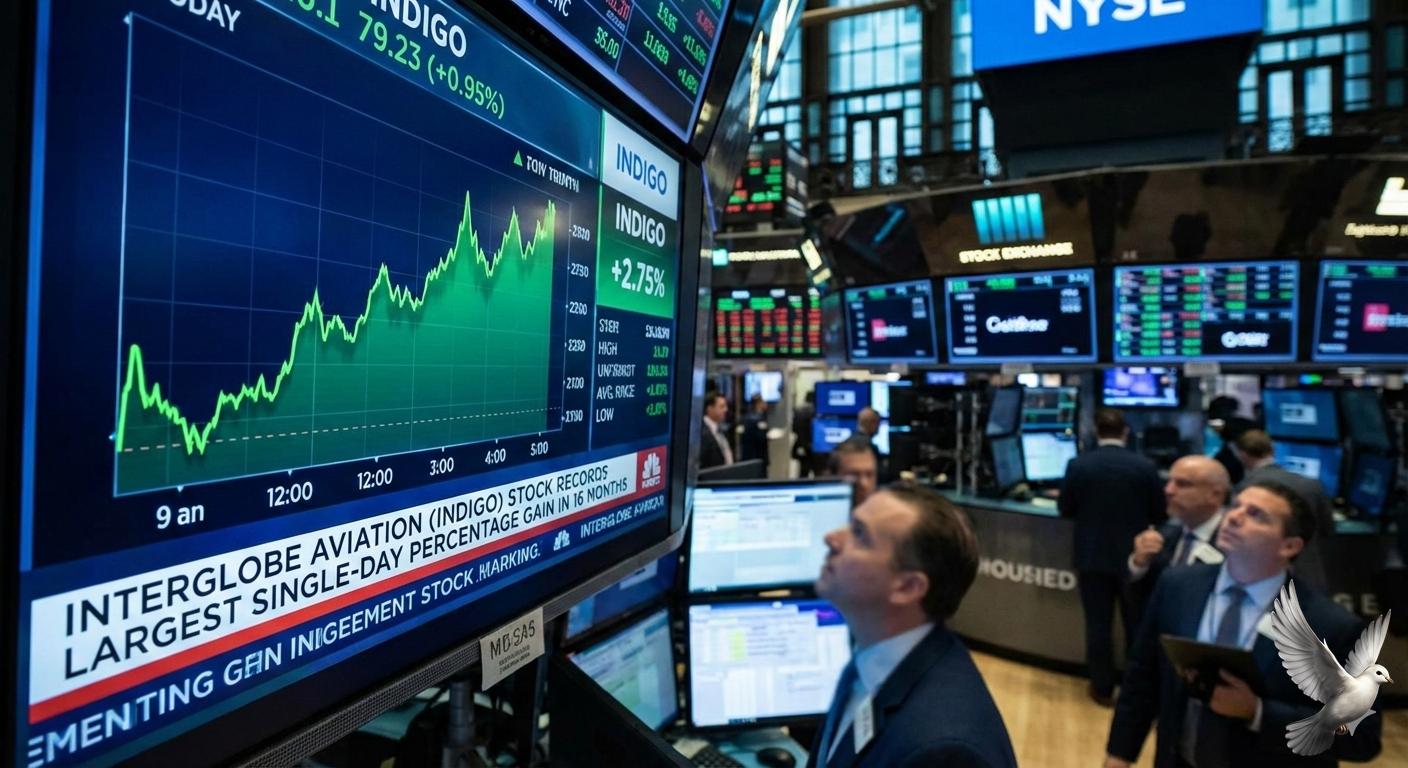
InterGlobe Aviation (IndiGo) Stock Records Largest Single-Day Percentage Gain in 16 Months
**InterGlobe Aviation (IndiGo) Shares Surge as Regulatory Penalty Falls Below Expectations** Shares of InterGlobe Aviation, the parent company of IndiGo, rallied significantly following the announcement of a penalty imposed by the Directorate General of Civil Aviation (DGCA) regarding flight cancellations. Investor sentiment remained positive as the financial magnitude of the fine was considerably lower than market apprehensions. The regulatory action addressed operational disruptions experienced in December, which were driven by constraints regarding crew Flight Duty Time Limitations (FDTL) and aircraft availability.
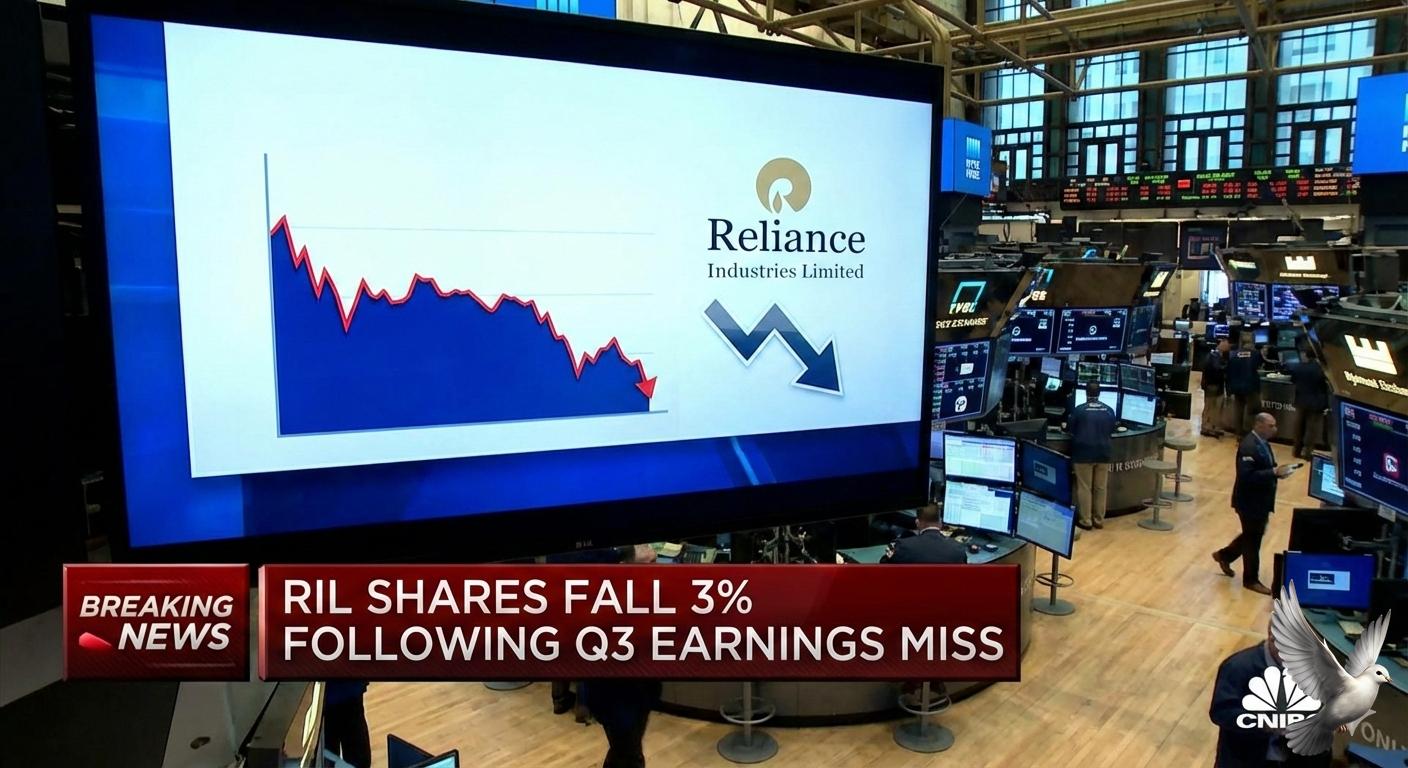
RIL Shares Fall 3% Following Q3 Earnings Miss
Reliance Industries Limited (RIL) **Executive Summary** Reliance Industries shares witnessed a sharp correction during Monday's trading session, driven by market reactions to the company's third-quarter earnings report. The stock's performance reflects broader concerns regarding subdued growth trajectories across key business verticals. **Key Observations** * **Earnings Impact:** The downward momentum was primarily precipitated by Q3 financial results, which indicated slower-than-anticipated growth across the company’s diversified segments. * **Price Trends:** This recent decline accentuates a month-long bearish trend, with the stock registering notable losses over the trailing 30-day period. * **Technical Outlook:** Technical indicators suggest persisting weakness, signaling that the stock may face continued selling pressure in the near term. **Recommendation** Given the current volatility and technical weakness, a cautious approach is recommended. Retail investors are advised to remain on the sidelines and monitor price action for signs of stabilization before considering entry.

10 Key Factors to Watch for Tuesday's Stock Market
Global Risk Aversion & Indian Equity Outlook **Global Markets** * **Risk-Off Sentiment:** Global markets have shifted to a risk-averse stance following renewed US tariff threats targeted at Europe. * **Safe Haven Flows:** Investors are fleeing to safety, driving increased capital allocation toward **gold**. * **Asian Resilience:** despite the broader global tension, Asian markets have demonstrated relative resilience. **Indian Equities** * **Bearish Momentum:** Domestic equities remain under pressure, continuing a bearish trend. * **Key Drivers:** Market sentiment is weighed down by persistent **Foreign Institutional Investor (FII) outflows**, heightened volatility, and weakening technical indicators. * **Near-Term Outlook:** Analysts anticipate a period of consolidation as the market navigates the ongoing earnings season.
Indian Bonds Decline Tracking U.S. Treasuries and Weak Demand
Indian Government Bonds **Bonds Decline on Global Cues and Index Exclusion** Indian government bonds traded lower on Monday, driven by weakness in U.S. Treasuries and lingering negative sentiment following India's exclusion from the Bloomberg Global Aggregate Bond Index. Market focus remained on these external headwinds, causing investors to largely overlook the positive supply-side development of a reduction in this week's state bond issuance.
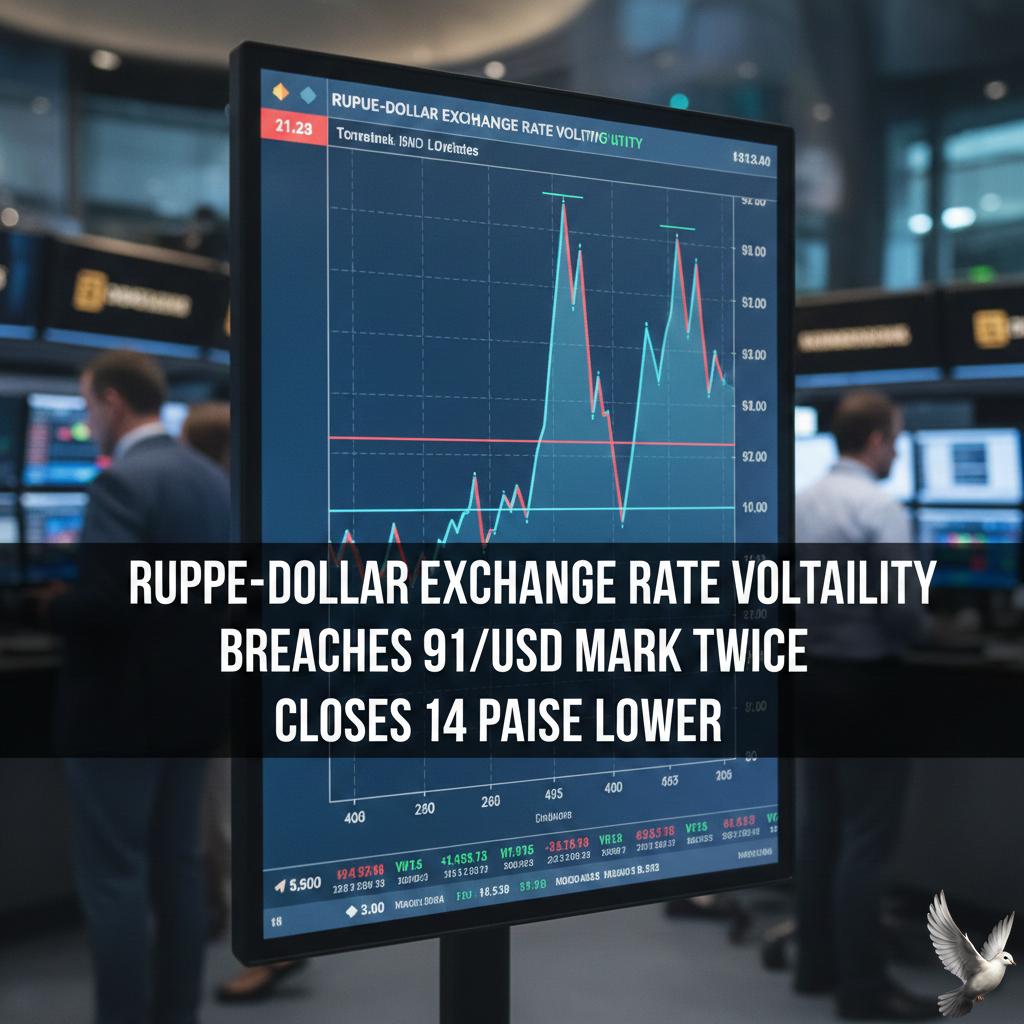
Rupee-Dollar Exchange Rate Volatility: Breaches 91/USD Mark Twice, Closes 14 Paise Lower
** Rupee Under Pressure** The **Indian Rupee (INR)** depreciated by 14 paise to close at **90.92 (provisional)** against the US Dollar on Monday. Intraday trading saw the local unit breach the psychological **91.00** mark for the second time this month. The decline was primarily driven by accelerated foreign fund withdrawals amidst renewed volatility surrounding global trade uncertainties.
China New Home Prices Fall in December, Steepest Annual Decline in Five Months
** China Real Estate Sector Update** **Key Development:** China's new home prices continued to decline in December, according to official data released Monday. This trend highlights ongoing structural challenges within the property sector, persisting despite sustained government intervention and pledges to stabilize the market. **Implications:** * **Sector Volatility:** The extended downturn signals that policy measures have yet to effectively reverse negative sentiment or stimulate sufficient demand. * **Economic Impact:** Continued weakness in real estate poses downside risks to broader economic growth targets.

Silver Crosses Rs 3 Lakh Mark as ETFs Rise 30%; Investors Weigh Outlook and Price Targets
Silver Futures Surge **Price Action** MCX silver futures witnessed a sharp rally, advancing **5%** to breach the critical psychological level of **₹3,00,000 per kg**. **Key Drivers** Buying momentum is being driven by robust safe-haven demand amid escalating geopolitical tensions. Market sentiment has been particularly impacted by US President Trump’s strategic bid for Greenland and renewed threats of trade tariffs on Europe. **Performance Context** Following this surge, silver has recorded year-to-date gains of approximately **30%** in 2026.