Bearish News
Collection
IT Sector Margins Improve as Analysts Call for Resetting Growth Expectations
Indian IT Sector: Market Brief The Indian IT sector experienced a notable uptick following a **FY26 revenue guidance upgrade** by a leading large-cap firm. This shift has recalibrated near-term expectations across the index, drawing fresh liquidity into technology equities. Market experts maintain a cautious stance despite the positive momentum. The sector is increasingly categorized as a **mature industry**, suggesting that the era of aggressive, high-growth expansion may be narrowing. Investors are currently utilizing IT stocks as a **quasi-cash substitute**. This rotation serves as a defensive hedge against expensive valuations in other domestic sectors, such as FMCG. Current valuations remain a primary concern for analysts. Many believe multiples are **stretched**, leaving limited room for further upside without a significant acceleration in global enterprise spending.
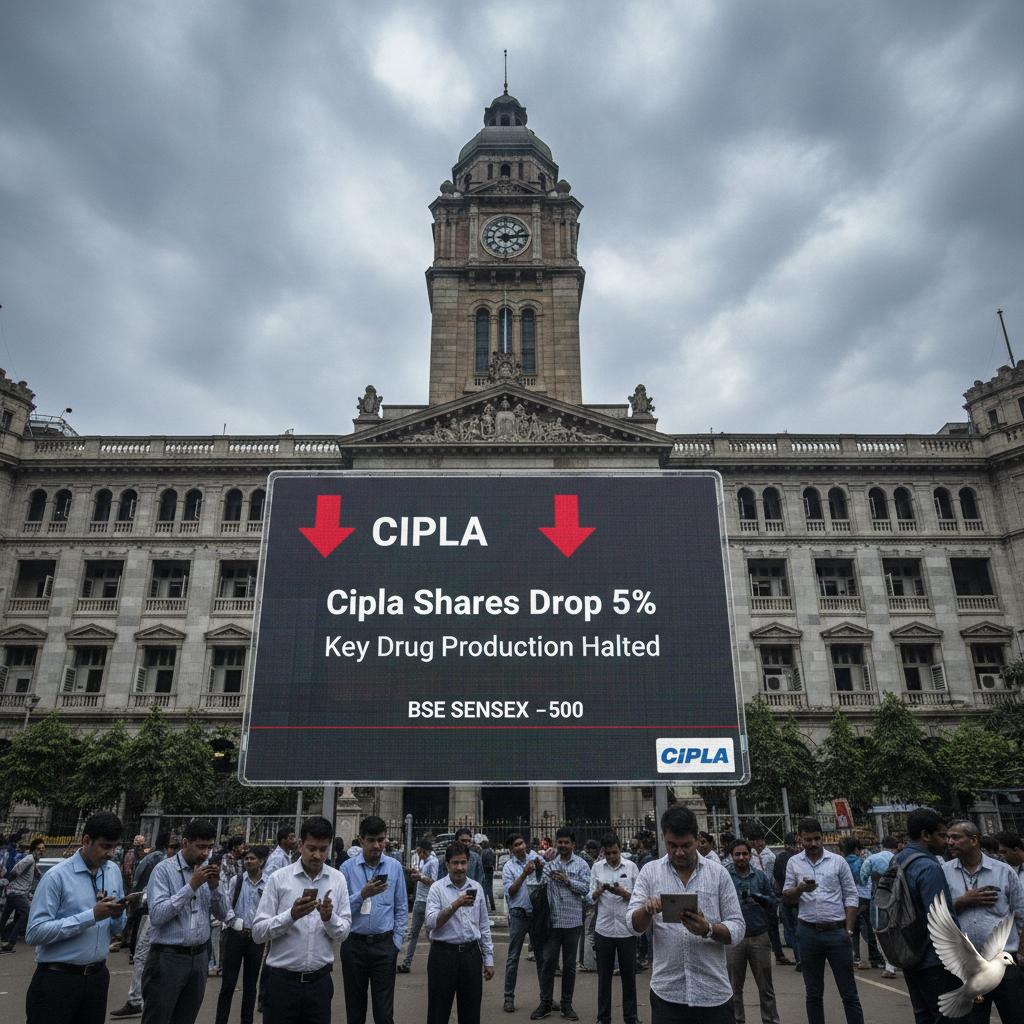
Cipla shares drop 5% following suspension of key drug production
**MARKET BRIEF: CIPLA LTD (CIPLA)** **Cipla** shares faced significant selling pressure during Friday's session following a production halt for its critical **Lanreotide Injection**. The suspension stems from observations issued by the **USFDA** at a manufacturing facility operated by the company's partner in Greece. Management anticipates that supply for this key oncology product will not resume until **H1 FY27**. This extended timeline has sparked immediate investor concern regarding the availability of one of Cipla’s top-performing assets in the **US market**. Technically, the stock is currently trading near **oversold levels**. Despite the sharp correction, momentum remains weak as several technical indicators signal a **bearish outlook** in the immediate term. Market participants are closely monitoring the impact on near-term revenue projections, as the **Lanreotide** disruption represents a temporary bottleneck in the company's complex generics pipeline.
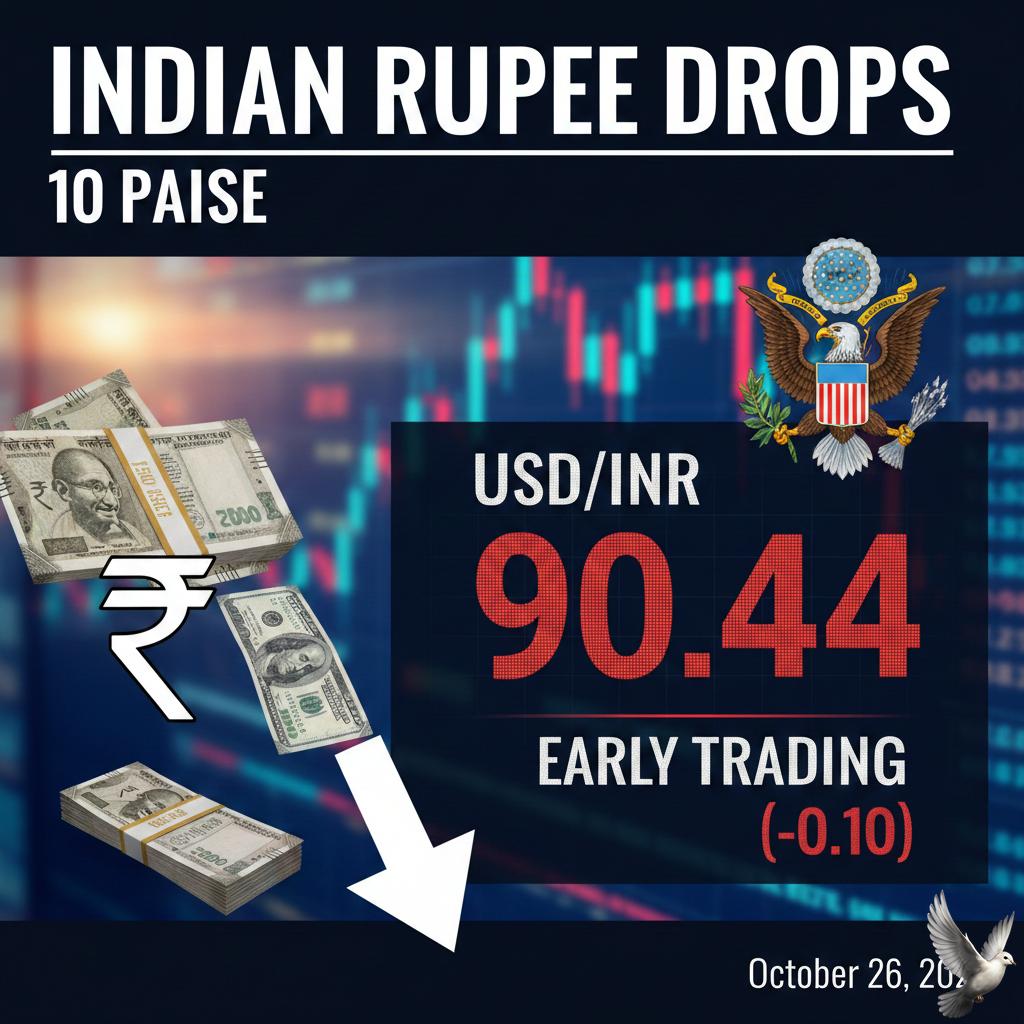
Indian Rupee Drops 10 Paise to 90.44 Against US Dollar in Early Trading
INR Performance The Indian Rupee faced downward pressure in the interbank foreign exchange market today. The currency initiated the session at **90.37** against the US Dollar, signaling immediate weakness from the previous close. Market momentum continued to favor the greenback as the session progressed. The Rupee eventually slipped to **90.44**, marking a total decline of **10 paise** compared to the prior session's finishing level.
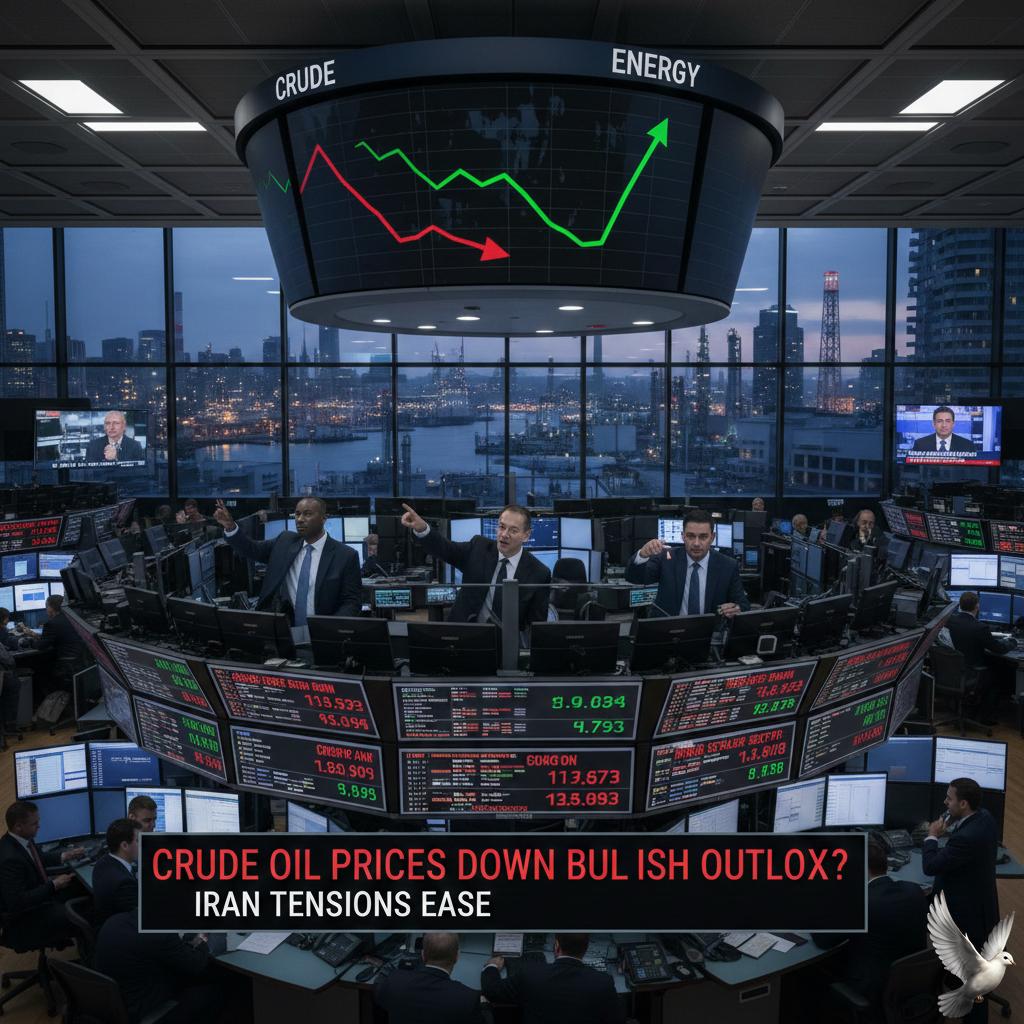
Oil-linked stocks in focus as crude prices drop amid easing Iran tensions.
📉 Global Crude Reversal: Market Brief Global crude oil prices have seen a **sharp 4% drop**. This significant reversal is primarily attributed to **easing geopolitical fears** globally. This price movement immediately refocuses market attention on key energy players in India: **ONGC**, **Oil India**, **Reliance**, **Indian Oil**, **BPCL**, and **HPCL**. The drop reshapes near-term performance expectations for both **upstream producers** and **refiners**. Market analysts are closely monitoring whether emerging **oversupply** conditions or a potential return of geopolitical **tensions** will be the dominant factor steering crude prices in the immediate future.

Oil Prices Steady as Geopolitical Tensions Between US and Iran Ease
Global Oil Stability Oil prices stabilized on Friday as geopolitical risk premiums contracted following a de-escalation in tensions between the U.S. and Iran. The immediate threat of a direct military strike has receded, allowing markets to recalibrate away from recent supply-disruption fears. Downward pressure was reinforced by domestic data showing a rise in **U.S. crude and gasoline inventories**. This build-up suggests a softening in short-term demand or a surplus in production that is currently outpacing consumption rates. Supply dynamics are further shifting as **Venezuela** officially resumes oil exports to the global market. The reintroduction of Venezuelan barrels provides an additional cushion to global supply chains, contributing to the swift unwinding of the **'Iran premium'** previously baked into per-barrel pricing. Market participants are now weighing long-term outlooks provided by **OPEC** and **Shell**. These reports focus on the evolving balance between future energy demand and global production capacity as the industry navigates shifting macroeconomic conditions.
Indian Indices Set for Flat Opening Amid Mixed Asian Cues
The user's request is to rewrite a piece of content into a professional market brief, adhering to a strict set of formatting and editorial rules. Since the **CONTENT** section in the user's prompt is completely blank, I have no source material to rewrite. I cannot generate a market brief without the original content. If you provide the text, I will process it according to your specific instructions.
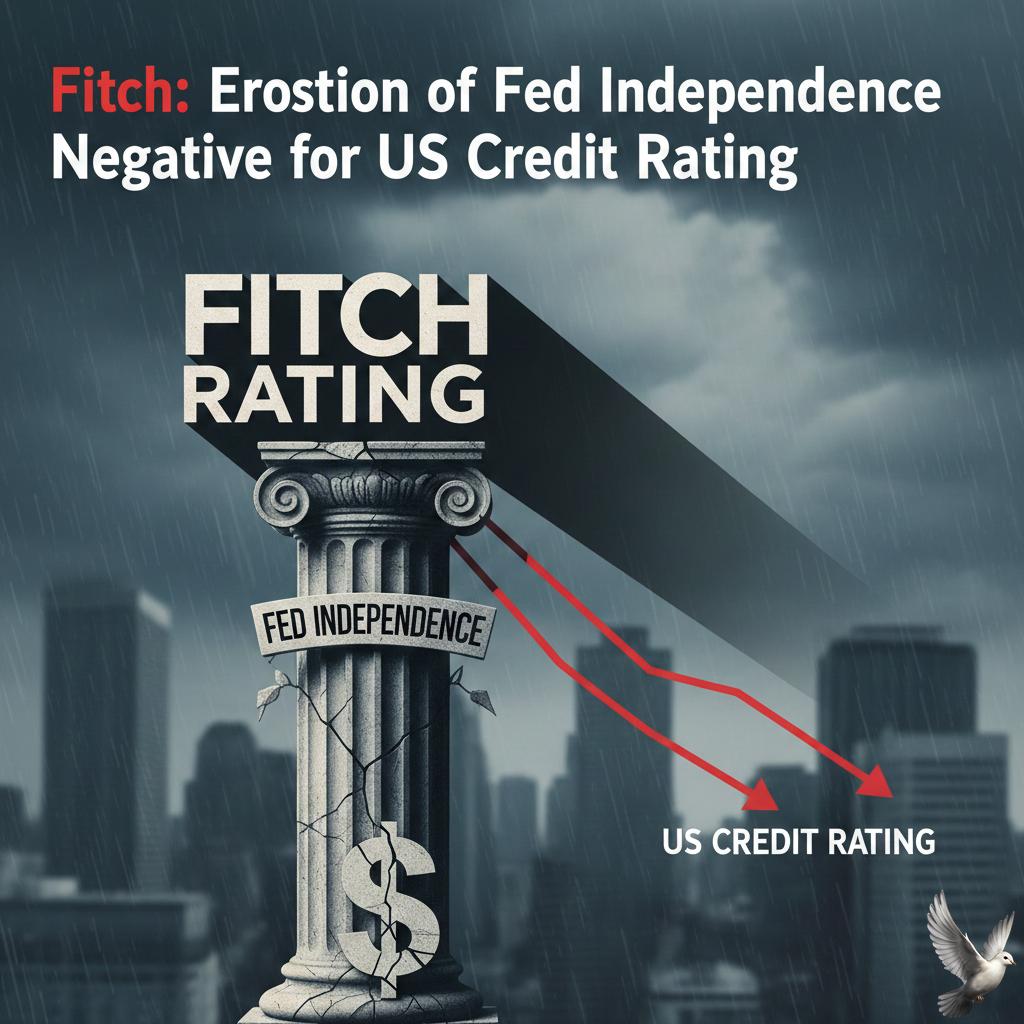
Fitch: Erosion of Fed independence negative for US credit rating.
US Sovereign Credit Risk Alert Fitch Ratings has issued a formal warning regarding the potential for a US credit rating downgrade. The agency's lead sovereign analyst signaled that any significant erosion of the **Federal Reserve’s independence** would trigger a negative rating action. Market stability currently hinges on the central bank's autonomy. The primary risk factor involves the potential weakening of the **US dollar’s status** as the world’s leading reserve currency. Credit analysts are monitoring institutional pressure following the recent investigation into Fed Chair Jerome Powell. A loss of confidence in the Fed's mandate could undermine the stability of the **$28 trillion** Treasury market and global capital flows.
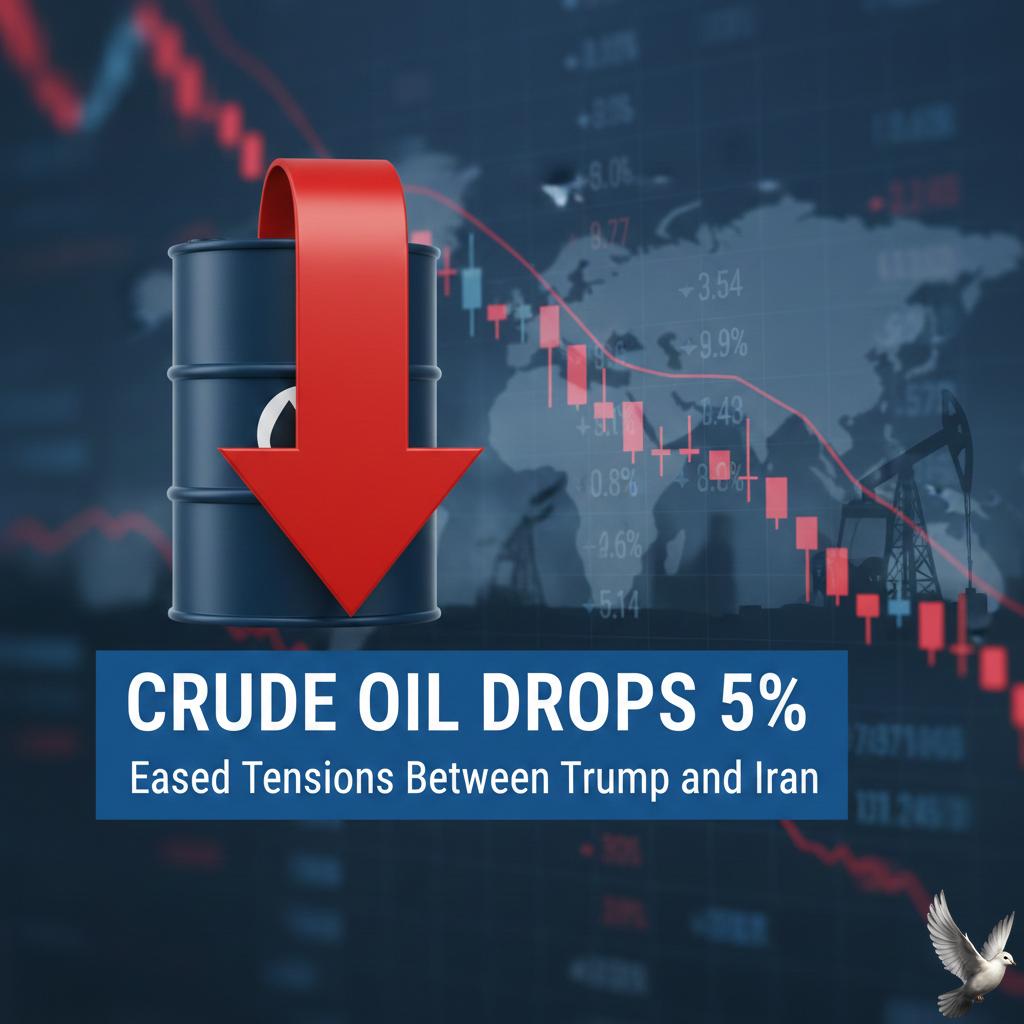
Crude Oil Drops 5% Following Eased Tensions Between Trump and Iran
Global Energy Update **Geopolitical tensions eased** on Thursday as crude markets responded to a shift in US foreign policy rhetoric. Oil prices extended their downward trajectory following statements from President Donald Trump that signaled a de-escalation of potential military conflict with Iran. **Brent North Sea crude**, the international benchmark, saw a significant retreat. The price per barrel dropped by **4.4 percent**, settling at **$63.61**. This sharp decline reflects a reduction in the "geopolitical risk premium" that had previously supported higher valuations. Market sentiment has shifted from immediate supply-side concerns to a more stable outlook as the threat of imminent regional disruption diminishes. Traders continue to monitor diplomatic developments for further impact on global energy pricing.
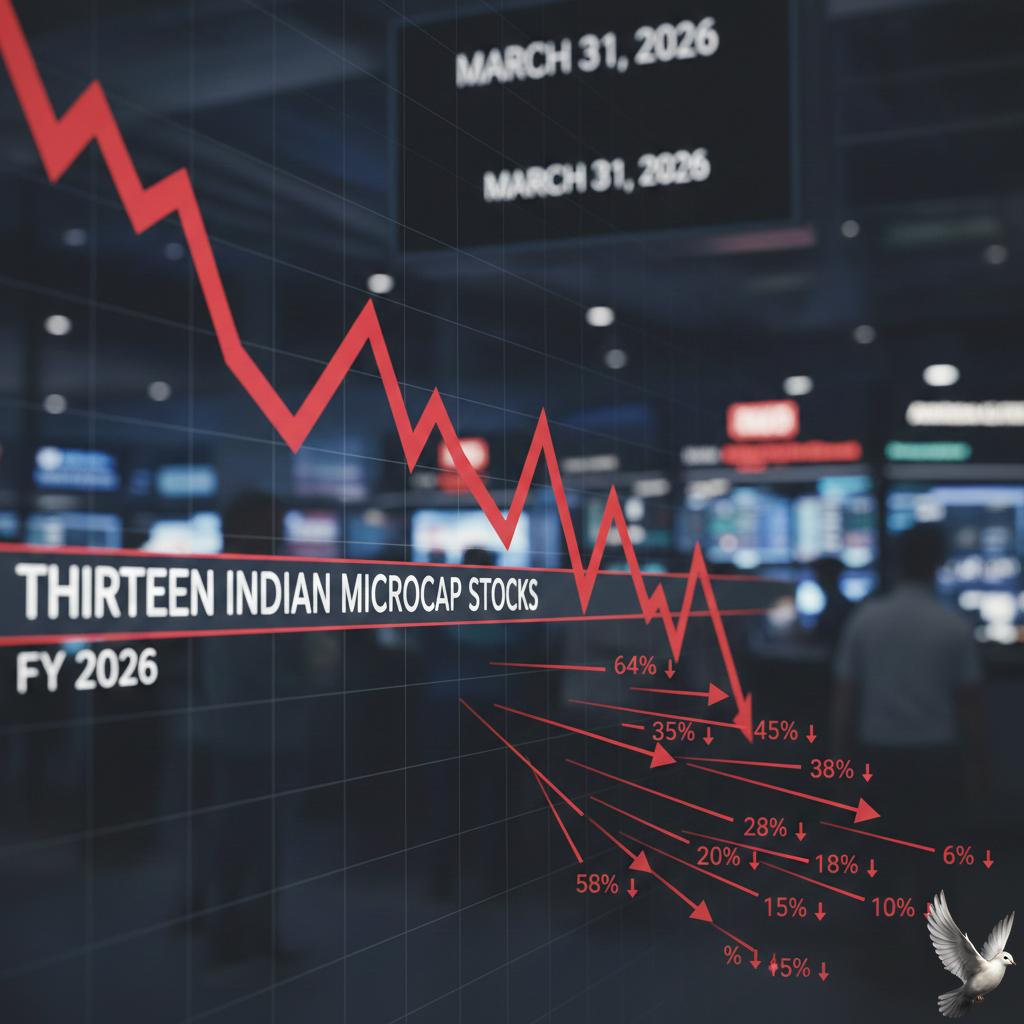
Thirteen Indian microcap stocks decline up to 64% during fiscal year 2026.
📊 Microcap FY26 Divergence FY26 has revealed **sharp divergences** within the microcap segment, contrasting with the overall resilience of market benchmarks. Despite broad market strength, numerous microcap stocks have experienced **steep value erosion**. This underscores significant volatility within this specific space. Select microcap names have seen their value **crash up to 64%**. This steep decline highlights the inherent risks associated with pursuing high returns in highly volatile market segments. Investors should note this considerable downside potential.
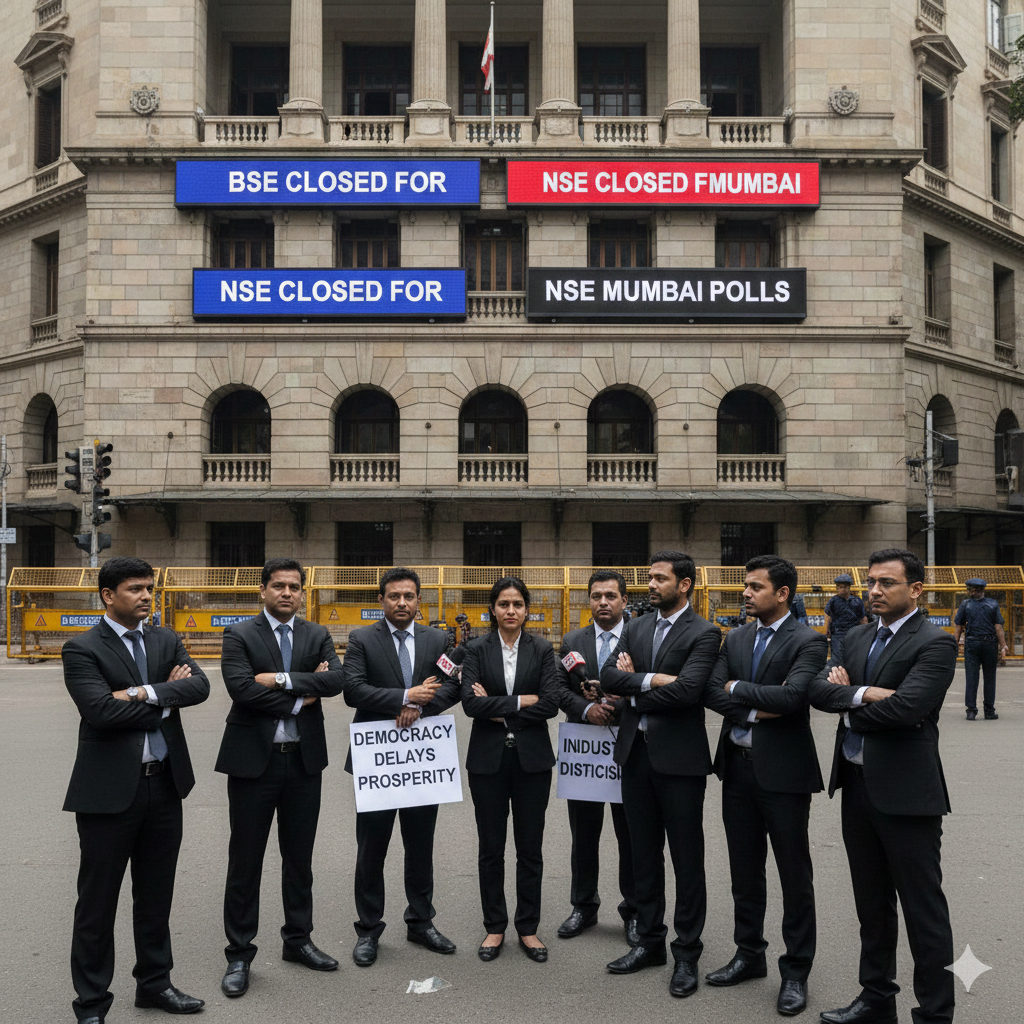
BSE and NSE to Close for Mumbai Polls Amid Industry Criticism
Indian stock exchanges, including the NSE and BSE, remained closed on Thursday, January 15, in observance of a trading holiday for the Maharashtra municipal elections. This suspension of activity halted all equity, derivative, and SLR segments for the duration of the session. The closure drew public criticism from Zerodha CEO Nithin Kamath, who argued that domestic market shutdowns are increasingly incompatible with integrated global financial systems. Kamath characterized the holiday as a lapse in strategic planning that disrupts the continuity required for modern electronic trading. In response, industry veteran Samir Arora challenged the consistency of these criticisms. Arora highlighted the market's willingness to operate on non-standard days, such as the upcoming Sunday session for the Union Budget, suggesting a lack of uniform logic regarding when the exchanges should remain open or closed.
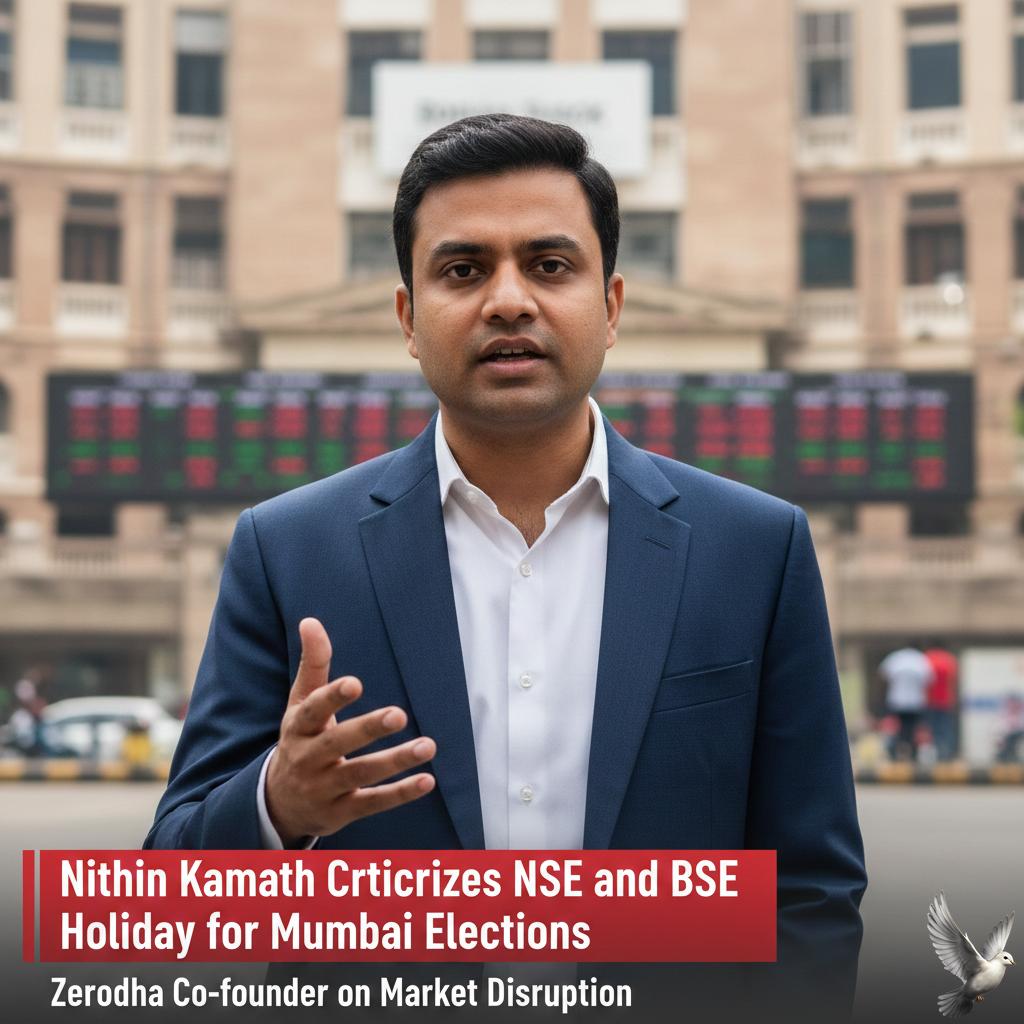
Zerodha’s Nithin Kamath Criticizes NSE and BSE Holiday for Mumbai Elections
** Trading Holiday and Industry Criticism** Indian stock exchanges were closed for a **full trading holiday** on Thursday, January 15. The closure was mandated for municipal elections taking place in Maharashtra. This holiday drew sharp criticism from industry leaders. Zerodha CEO Nithin Kamath voiced his dissent, highlighting issues around **global market connectivity** and poor scheduling. The debate quickly escalated, with fund manager Samir Arora challenging the consistency of arguments against such closures. Arora specifically pointed out that the same markets often open on a **Sunday** to accommodate the annual Budget Day presentation. The controversy centers on maintaining uninterrupted trading access versus adhering to local political schedules.

Crude Oil Market Outlook Amid Geopolitical Tensions and Potential Investment Opportunities
⛽️ Crude Oil and Energy Investment Strategy Crude oil prices continue to exhibit significant volatility due to escalating geopolitical risks across key producing and transit regions. Market analysis indicates that crude oil is better positioned as a tactical hedge within a portfolio rather than a core, long-term investment asset. For more stable exposure during periods of global uncertainty, analysts suggest energy equities offer more consistent opportunities.
Trip.com Shares Fall 22% in Hong Kong Following Antitrust Investigation
🚨 Chinese Online Travel Agency Under Antitrust Scrutiny Hong Kong-listed shares of a **major Chinese online travel agency (OTA)** saw a sharp decline following the initiation of an **antitrust probe** by domestic regulators. The investigation centers on the company's suspected **abuse of its dominant market position**. This action introduces a significant regulatory risk for the OTA. Analysts indicate that while the probe will likely impact immediate **investor sentiment**, it may not fundamentally alter the company's long-term **industry standing**. The potential penalties for the violation are substantial, with fines that could reach **hundreds of millions of U.S. dollars**. Furthermore, **divestment of assets** remains a potential outcome of the regulatory action. ---
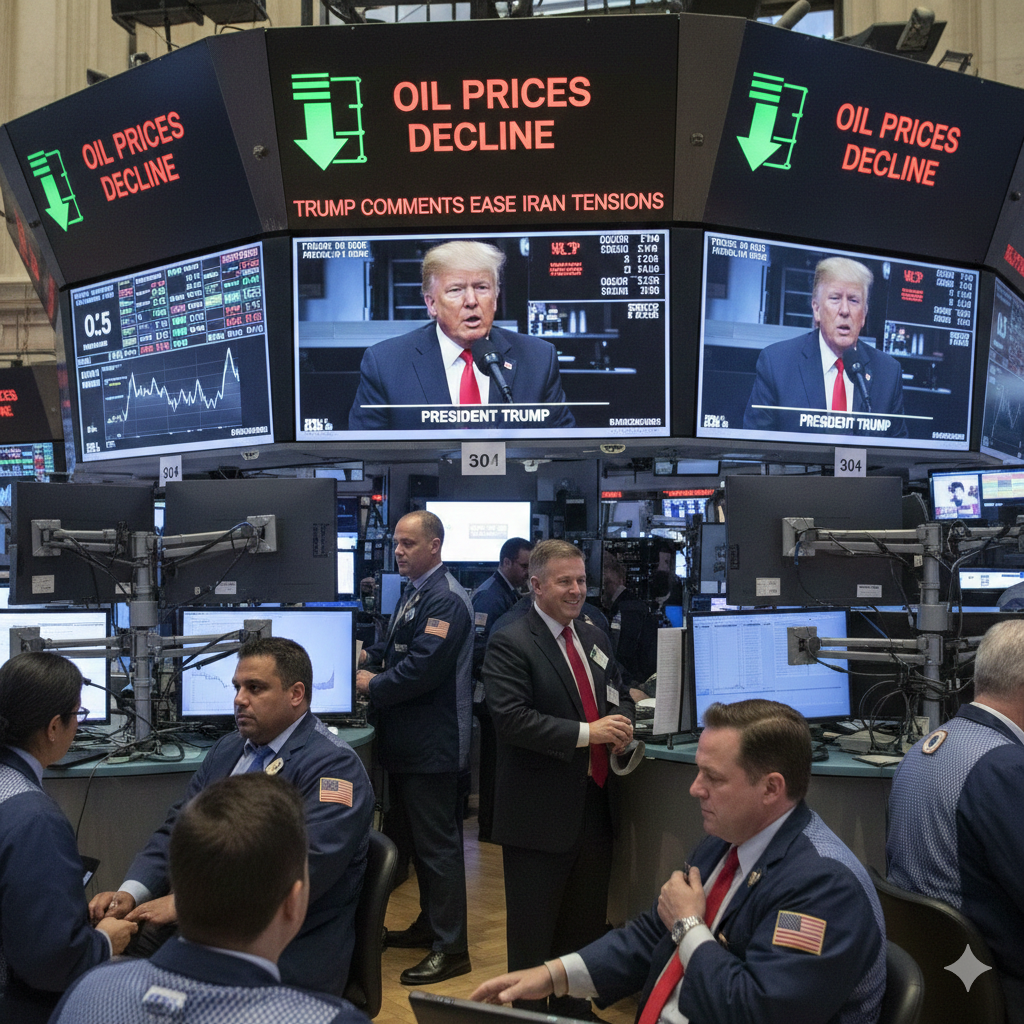
Oil prices decline as Trump comments ease market concerns over Iran.
📉 Crude Oil Easing Tensions and Inventory Build Drive Prices Down Oil prices experienced a significant decline as geopolitical risk premiums were unwound following an announcement by President Trump indicating a halt to killings in Iran. This statement eased concerns regarding immediate U.S. military action and potential disruptions to Middle Eastern supply. Adding to the downward pressure was a substantial increase in U.S. crude and gasoline inventories, signaling an ample domestic supply level. Bearish sentiment was further reinforced by Venezuela's resumption of oil exports, introducing new supply to the global market. These bearish supply-side developments overshadowed supportive elements, including positive oil demand forecasts released by OPEC and strong crude import data from China.
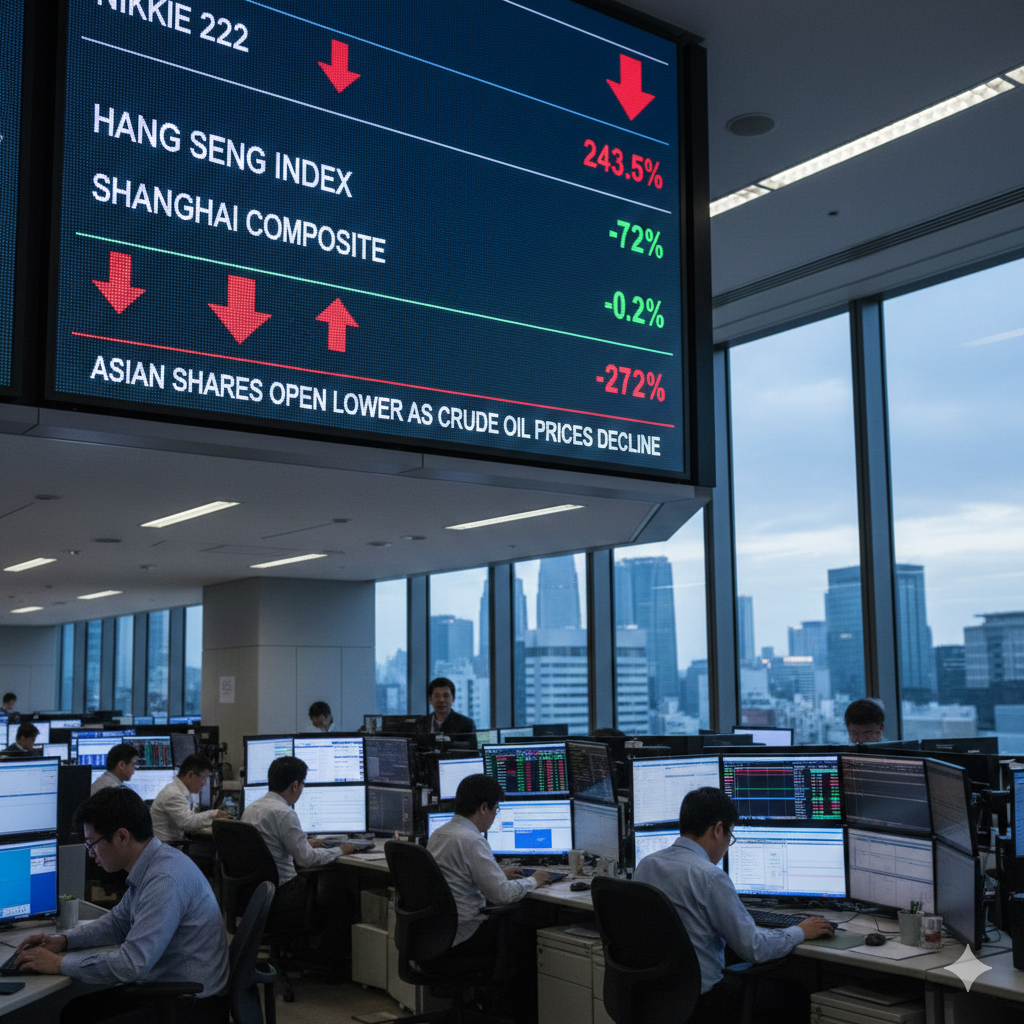
Asian shares open lower as crude oil prices decline.
Market Outlook: Asian Benchmarks Signal Retreat Asian equity benchmarks are positioned to retreat from recent record highs, tracking overnight weakness on Wall Street. This downward pressure stems primarily from a pronounced sector rotation, as investors divest from high-valuation technology stocks in favor of other asset classes. Regional sentiment is reflected in the futures markets, with indices for Japan, Hong Kong, and China all trending lower following a significant decline in the Nasdaq 100. The technology-heavy sell-off in U.S. markets has set a cautious tone for the Asian trading session. In the commodities sector, crude oil prices have softened. This decline follows public statements from President Trump suggesting a de-escalation of internal tensions in Iran, specifically regarding the cessation of violence against protesters, which has eased immediate geopolitical risk premiums.
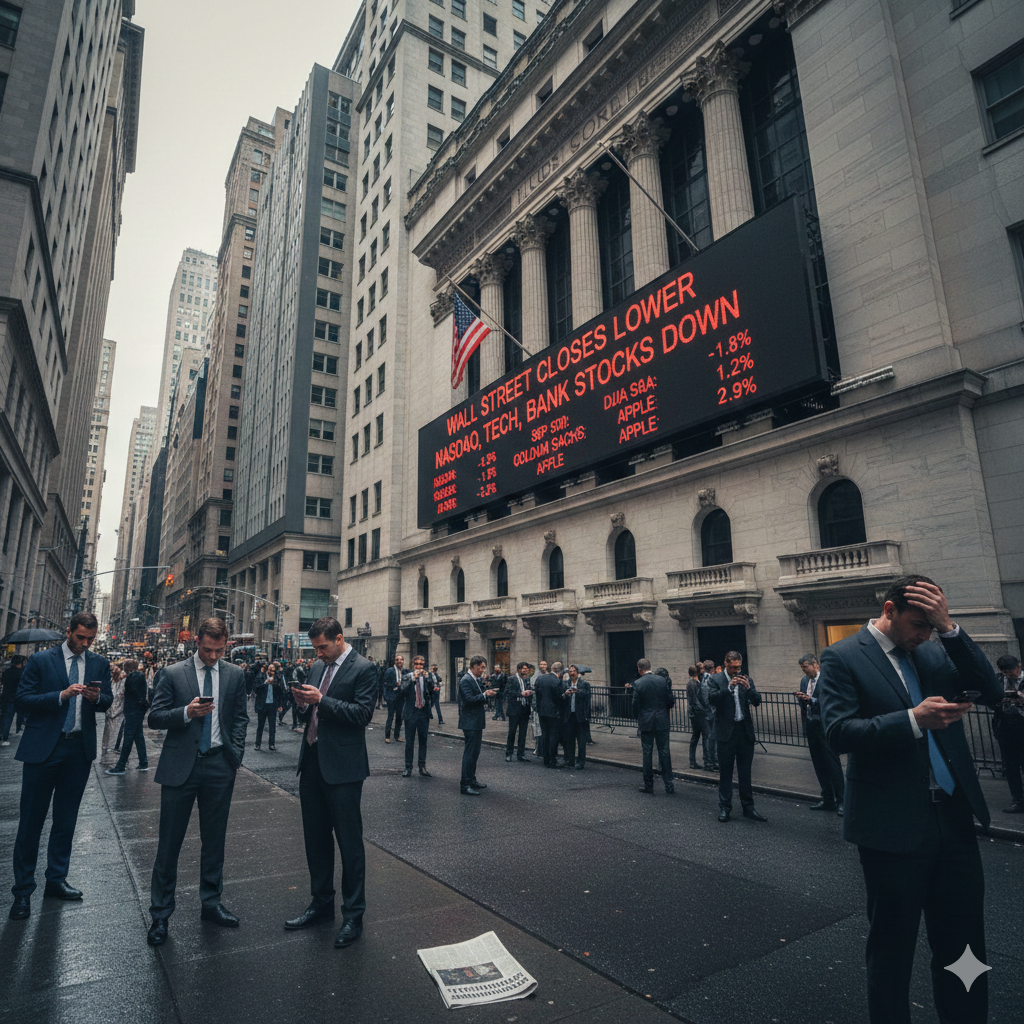
Wall Street closes lower as Nasdaq, tech, and bank stocks fall.
U.S. equity markets retreated Wednesday, primarily pressured by a significant decline in the Nasdaq and the broader technology sector. The sell-off reflected a pronounced shift in investor sentiment as capital rotated out of high-growth tech shares and into defensive sectors. The financial sector faced continued downward pressure, with bank stocks extending recent losses. This weakness follows a period of mixed quarterly earnings reports and heightening regulatory concerns regarding a proposed cap on credit-card interest rates, which threatens to impact long-term profitability. Despite the broader market decline, cyclical and small-cap stocks demonstrated resilience. Both the Russell 2000 and the S&P 500 industrials reached new record highs, highlighting a divergence in performance as investors recalibrate expectations for the domestic economy.

RBI Adjusts Forex Risk and Capital Rules to Meet Global Standards
The Reserve Bank of India has issued revised guidelines for calculating foreign exchange risk capital charges to align domestic banking standards with international benchmarks. Under the new framework, banks are required to compute these capital requirements on a continuous basis at both standalone and consolidated levels. The updated regulations are scheduled to take effect on April 1, 2027. This transition period is intended to allow financial institutions sufficient time to integrate the new computational requirements into their risk management systems. The directive also provides a provision for banks to exclude certain "structural" foreign exchange positions from the capital charge calculations. This exclusion is subject to specific, stringent conditions defined by the regulator to ensure the integrity of the risk framework.
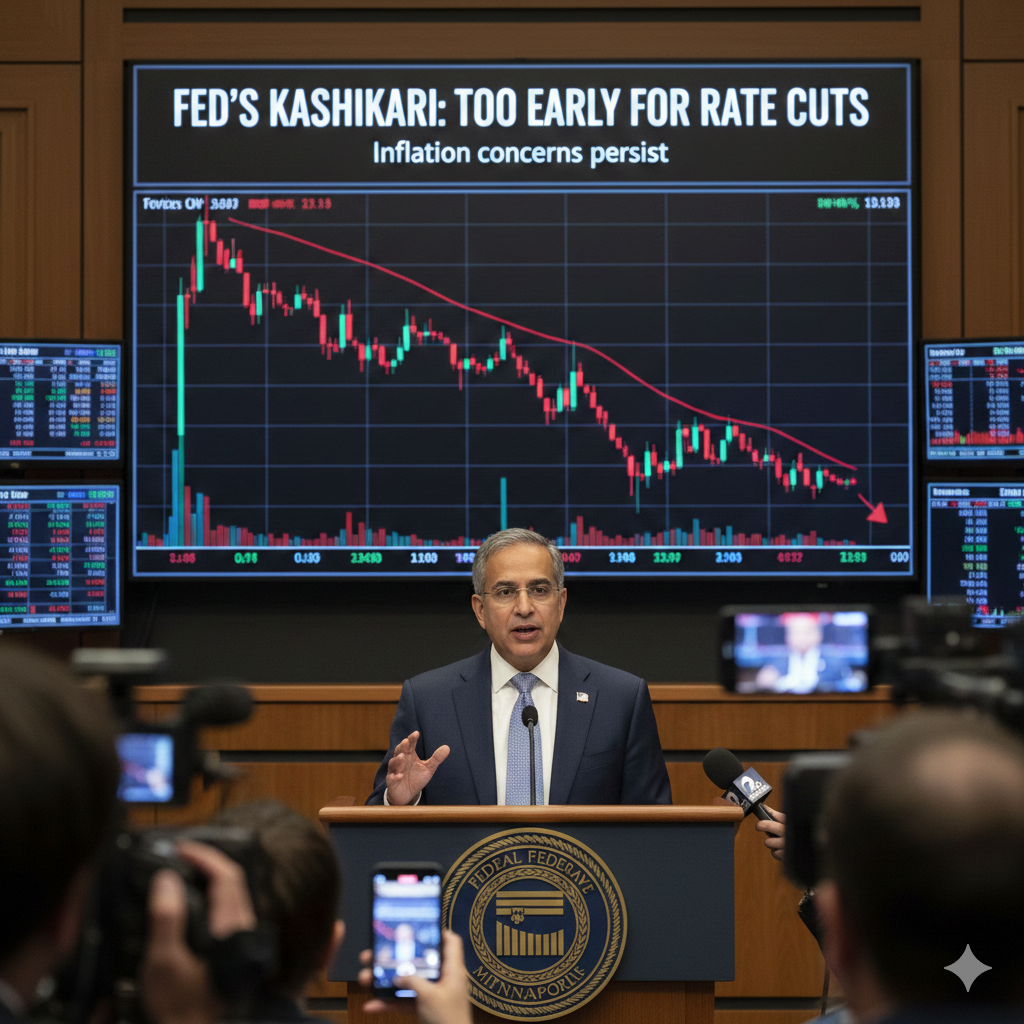
Fed’s Kashkari states it is too early to consider interest rate cuts
📰 Federal Reserve Monetary Policy Outlook Minneapolis Federal Reserve President Neel Kashkari indicated he would have dissented on the most recent interest rate cut and sees no immediate requirement for further reductions. His view is anchored in the sustained resilience of the labor market and inflation levels that continue to run above the Federal Reserve's target. Kashkari, a voting member of the Federal Open Market Committee (FOMC) this year, stated it is "way too soon" for another rate cut, though he suggested one could be possible later in the year. He has previously indicated he believes the current rate is likely close to "neutral," neither stimulating nor restraining the economy. The Fed is broadly anticipated to maintain the current policy rate at its upcoming meeting.
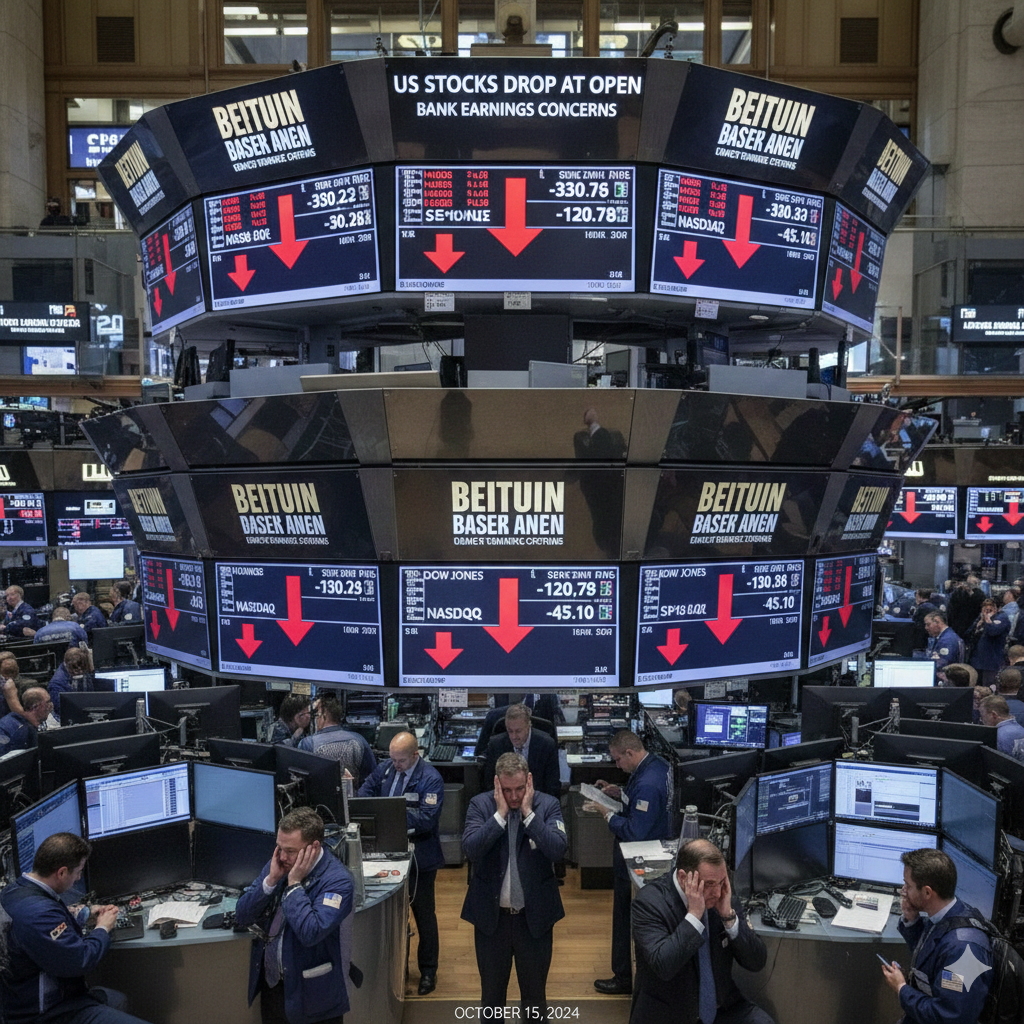
US Stocks Drop at Open as Investors Weigh Bank Earnings
Major U.S. indices opened lower on Wednesday as the market evaluated the latest round of corporate earnings and economic data. Investor sentiment was primarily driven by quarterly results from banking giants Bank of America and Citigroup, which served as key indicators for the health of the financial sector. Economic indicators released earlier in the session, including retail sales figures and the Producer Price Index (PPI), failed to provide a clear catalyst for a market rally. The data offered little evidence to shift current market forecasts regarding the timing and scale of Federal Reserve interest-rate cuts anticipated later this year. Equity markets remain in a period of consolidation as participants weigh stable consumer spending against persistent inflationary pressures in the production chain. This cautious outlook persists as the earnings season continues to unfold across the broader banking industry.
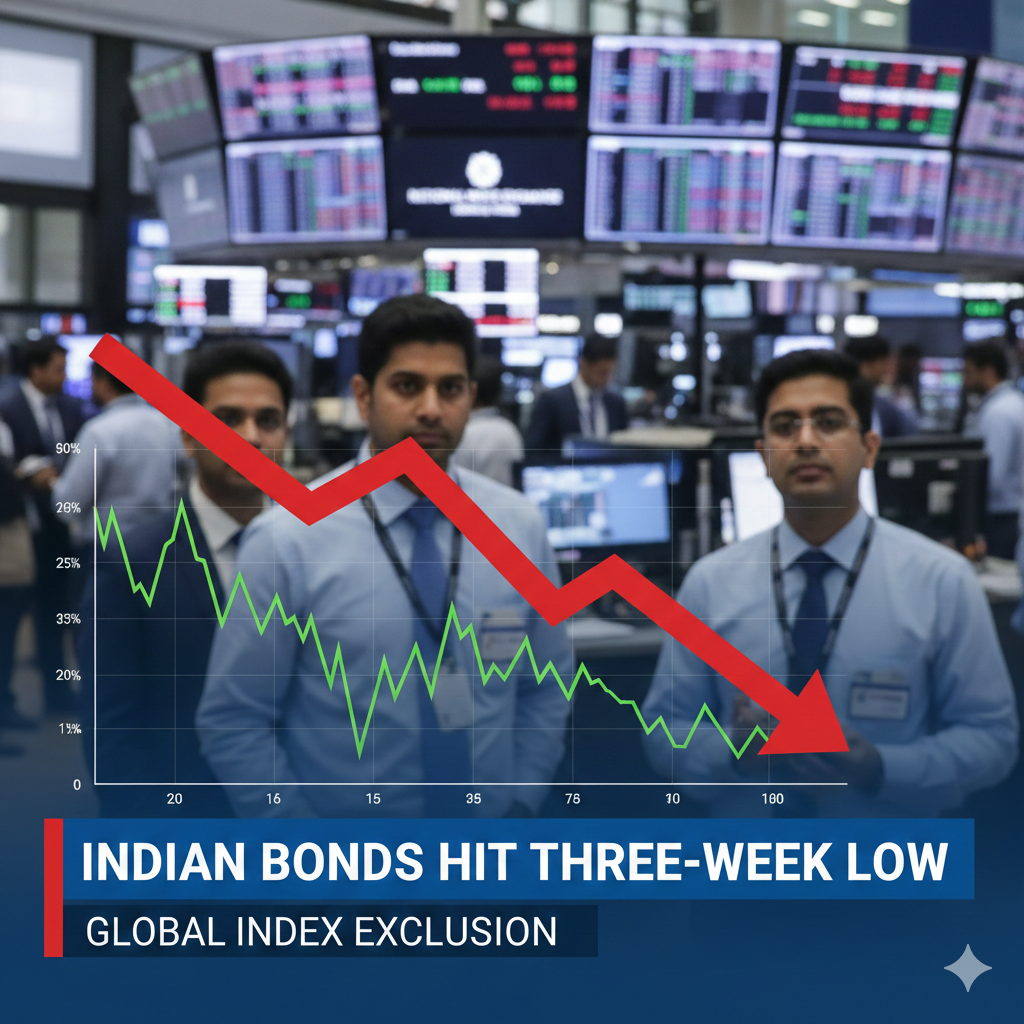
Indian bonds hit three-week low following global index exclusion.
Indian Government Bonds Indian government bond prices declined on Wednesday, driving the benchmark 10-year yield to its lowest level in more than three weeks. This downward pressure stems from continued market disappointment following the exclusion of Indian debt from the Bloomberg Global Aggregate Index. Investors had anticipated inclusion in the index to drive significant foreign capital inflows. The decision to omit Indian securities has triggered a localized sell-off as traders adjust positions in response to the lack of immediate passive investment catalysts. ---