Bullish News
Collection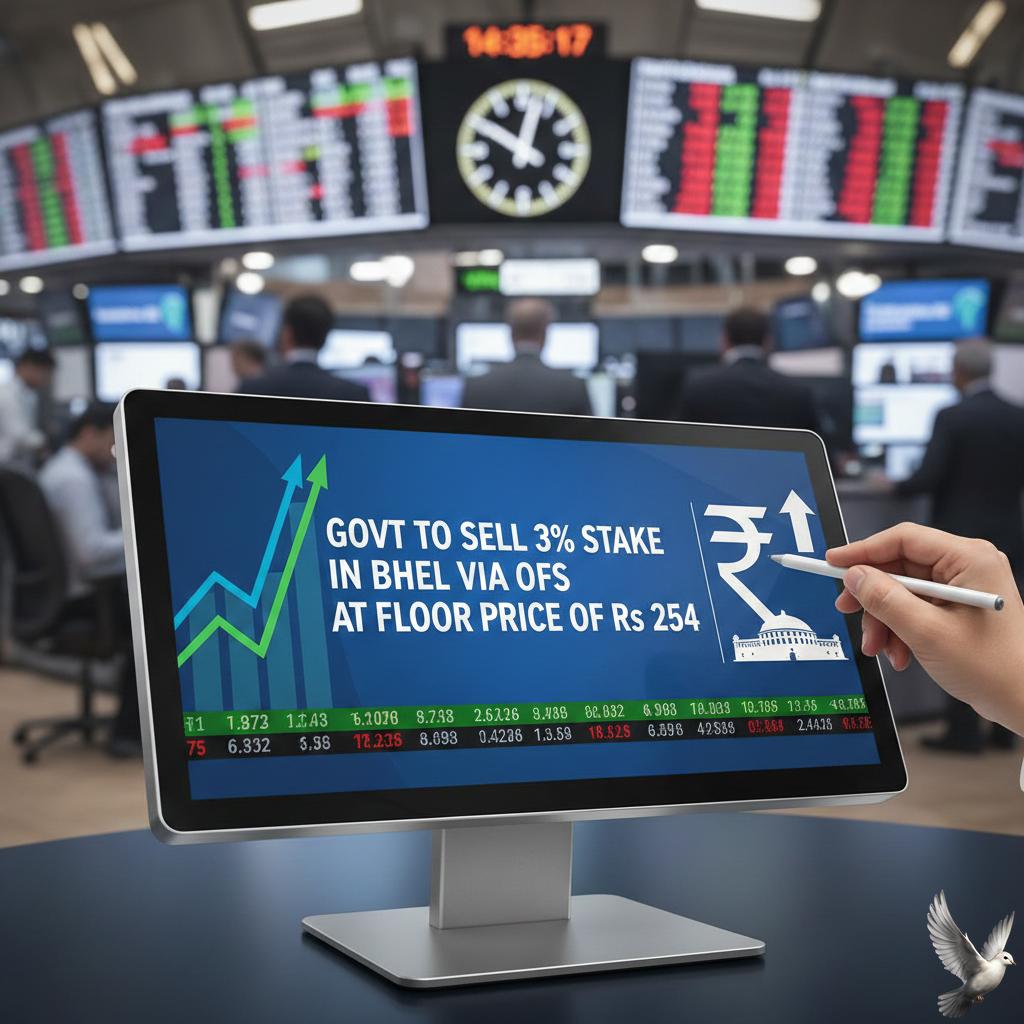
Govt to sell 3% stake in BHEL via OFS at floor price of Rs 254
Market Brief: BHEL Strategic Stake Sale and Performance Outlook The Government of India has initiated a strategic divestment in Bharat Heavy Electricals Limited (BHEL) through an Offer for Sale (OFS) scheduled for February 11 and 12, 2026. The base offer involves the sale of 3% equity, representing approximately 10.44 crore shares. An additional oversubscription option of 2% or 6.96 crore shares is also available, potentially bringing the total stake sale to 5%. The floor price has been fixed at 254 per share, a discount compared to the current market price, which settled at approximately 275.50 on the NSE. Financial Impact and Valuations At the base floor price, the 3% divestment is expected to raise approximately 2,653 crore for the exchequer. If the full 5% option is exercised, the total proceeds could reach 4,422 crore. As of today, BHEL holds a market capitalization of roughly 96,000 crore. The stock has demonstrated significant long-term growth, with a 35% increase over the past year and a staggering 262% return over a three-year horizon. However, current valuations remain high, with a Price-to-Earnings (P/E) ratio exceeding 116. Operational Momentum The stake sale coincides with a period of strong operational delivery. BHEL recently secured a major domestic order worth 2,800 crore from Bharat Coal Gasification and Chemicals Limited for a Syngas Purification Plant in Odisha. Financially, the company reported a robust Q3 performance for FY26. Revenue grew by 16.4% year-on-year to 8,473 crore, while net profit for the quarter reached 390 crore. A notable improvement in EBITDA margins, rising from 4.2% to 6.4%, underscores better cost management and execution efficiency. Sectoral Context The divestment aligns with the broader push for indigenization in India’s defense and power sectors. The Union Defense Budget for 2026-27 has seen a 15% increase, crossing 7.85 lakh crore, with a specific focus on capital outlay for modernization. BHEL, as a key engineering and manufacturing partner, is positioned to benefit from increased spending on energy infrastructure and defense platforms. The government’s move to monetize its stake reflects a strategy to capitalize on this industrial upswing while maintaining its majority holding in the PSU. Subscription Details The OFS window opens on February 11 for non-retail institutional bidders. Retail investors and employees will have the opportunity to bid on the following day, February 12. A minimum of 25% of the offer is reserved for mutual funds and insurance companies. Investors are monitoring the clearing price closely, as recent sessions have shown high intraday volatility with the stock trading between 271 and 277.
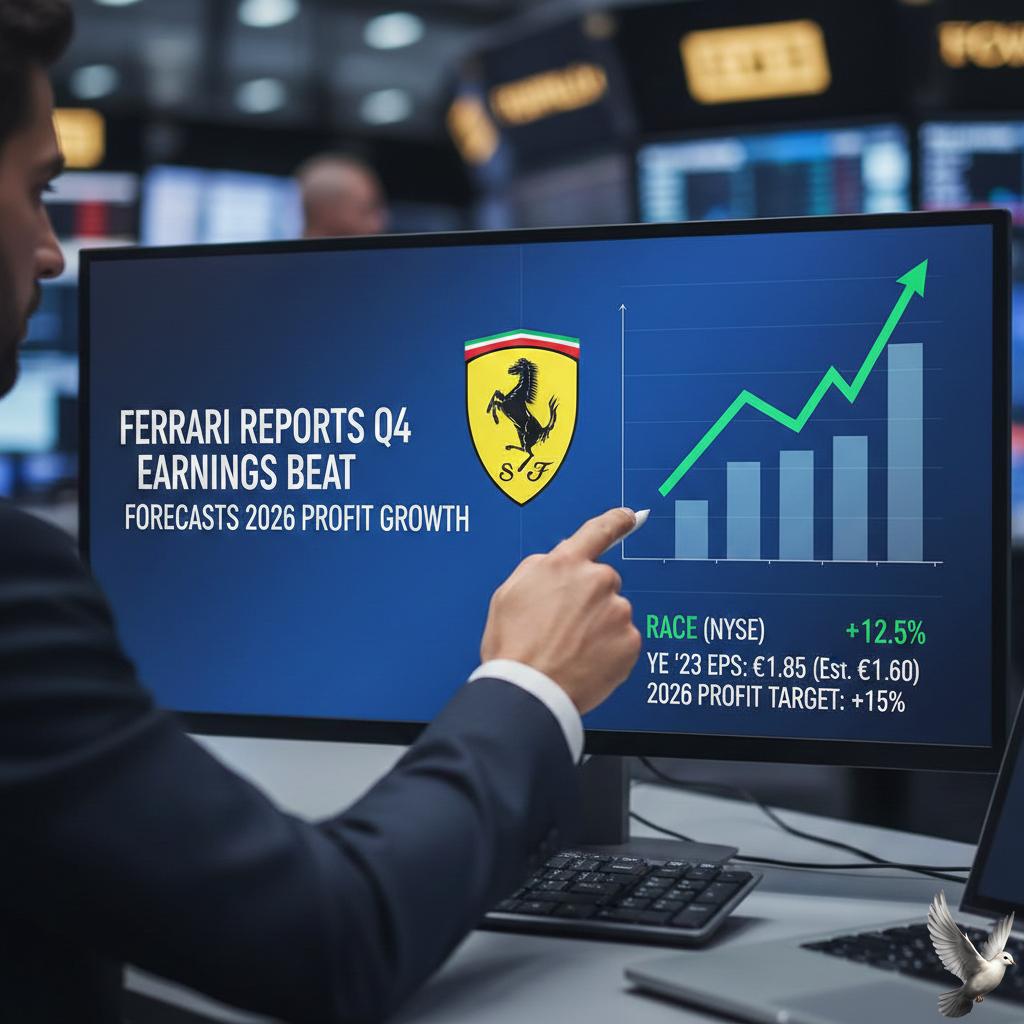
Ferrari Reports Q4 Earnings Beat and Forecasts 2026 Profit Growth
Ferrari reported a powerful close to 2025, beating market expectations and triggering a significant rally in its share price. On Tuesday, the luxury automaker’s stock jumped as much as 10% in Milan, settling with an 8.4% gain following the release of its fourth-quarter and full-year results. The company posted annual net revenues of 7.15 billion euros, a 7% increase year-over-year. This growth was achieved despite a slight 1% dip in total shipments to 13,640 units, highlighting Ferrari's successful "value over volume" strategy. Profitability remains high, with EBIT margins expanding to 29.5% and industrial free cash flow surging 50% to 1.54 billion euros. Looking ahead, Ferrari has forecast a minimum 6% rise in core earnings (EBITDA) for 2026. The company is targeting an EBITDA of over 2.93 billion euros for the upcoming year, supported by a 39% margin goal. This outlook is bolstered by a record-breaking order book that now extends through the end of 2027. The performance in the final quarter of 2025 was particularly strong, with adjusted EBITDA rising 9% to 700 million euros, surpassing the 668 million euro consensus. Revenue for the quarter hit 1.8 billion euros, driven by a rich product mix and high demand for vehicle personalization. Key model transitions are currently defining the brand’s trajectory. The phase-out of the Daytona is being balanced by the ramp-up of the F80 supercar. Additionally, Ferrari has increased its focus on its first fully electric model, the "Luce," which is scheduled for its official reveal in Rome on May 25. The brand's 2030 strategy remains focused on exclusivity and technological evolution. Ferrari aims for a balanced portfolio consisting of 40% internal combustion engine models, 40% hybrids, and 20% electric vehicles. Investor confidence has been further reinforced by a substantial share buyback program. A new multi-year initiative of 3.5 billion euros is underway, with the first 250 million euro tranche currently being executed through May 2026. Market indicators show Ferrari continues to act as a defensive luxury asset, largely insulated from the broader automotive sector’s volatility and regional slowdowns in China. The company’s ability to maintain pricing power and expand margins through lifestyle activities and racing sponsorships remains its primary growth engine.

10 Large-Cap Stocks Reporting High Year-Over-Year Sales Growth
Market performance for the quarter ending December 2025 has revealed a significant surge in the Nifty 500 index. Excluding banking and financial sectors, several companies reported year-on-year sales growth exceeding 50%. This robust momentum is concentrated in metals, energy, real estate, and engineering. The broader Nifty 500 index recorded an aggregate profit growth of 11.1% this quarter. While the top-tier Nifty 50 companies saw a more modest topline increase of 4.5%, mid-cap and small-cap firms within the Nifty 500 showed greater resilience with higher average growth rates. Real estate remains a primary driver of this trend. Demand for luxury housing surged 28% in major cities, while average home prices rose between 13% and 15%. Institutional investment in this sector reached 37,625 crore during the first nine months of the year, signaling strong confidence in project pipelines. Engineering and industrials also delivered standout results. Key players in heavy engineering reported profit jumps as high as 247.7%, fueled by a 16.2% rise in operational revenue. The sector is benefiting from increased capital expenditure and a record-breaking order backlog that provides visibility for the coming fiscal. Energy and materials have contributed 15% to the total revenue growth. High demand in construction and infrastructure has kept cement and metal volumes elevated. However, analysts are closely monitoring these sectors as energy and materials accounted for nearly 73% of recent downward revisions in future profit estimates. New-age tech companies are showing a massive divergence between revenue and profit. Quick commerce and food delivery platforms reported revenue gains of 54% to 183%. Despite these stellar sales figures, many continue to prioritize network expansion over immediate profitability, leading to inconsistent bottom-line results. Stock market infrastructure is reflecting this heightened activity. The leading exchange, BSE, reported a 62% increase in sales to 1,244.10 crore, with net profits soaring 174%. Transaction charges now account for 76.5% of its revenue, highlighting the intensity of current trading volumes. The overall corporate balance sheet has strengthened significantly. Leverage in the Nifty 500 universe (excluding banks) has dropped to 42% in early 2026, down from 54% a few years prior. This deleveraging provides a safety buffer as companies navigate potential sustainability challenges. Investors should note that while the market's price-to-earnings multiples remain stable on average, the internal mix has shifted. High-valuation stocks now make up 23% of the index, a sharp increase from previous cycles. This suggests a market that is increasingly rewarding high-growth sectors but leaving little room for operational misses.
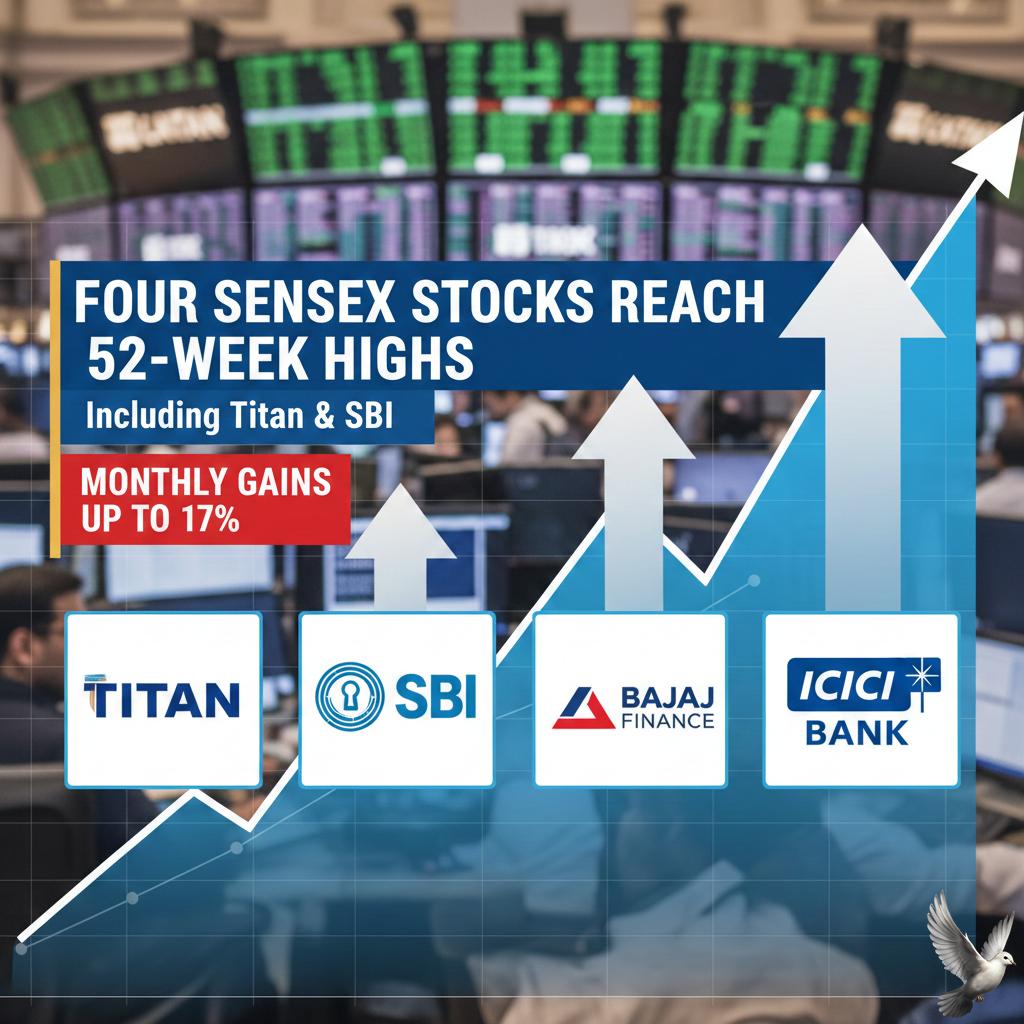
Four Sensex Stocks, Including Titan and SBI, Reach 52-Week Highs with Monthly Gains Up to 17%
The Indian equity markets maintained a robust winning streak on February 10, 2026, marking the third consecutive session of gains. The BSE Sensex closed 208 points higher at 84,274, while the Nifty 50 climbed 68 points to finish at 25,935. Bullish momentum was driven by four index heavyweights hitting new 52-week highs during intraday trade. These breakouts signal sustained buying interest and sector leadership across metals, banking, and consumer goods. **Tata Steel** emerged as a primary driver, surging over 4% to reach a fresh all-time high of 211. This rally followed a massive jump in consolidated net profit to 2,731 crore for the December quarter, supported by stronger domestic revenues of 37,142 crore. **State Bank of India (SBI)** hit a record high of 1,154. The banking giant’s momentum is anchored by a 24.5% year-on-year growth in Q3 net profit, which reached 16,891 crore. Investor confidence remains high as the stock gained approximately 14% over the last month. **UltraTech Cement** reached a 52-week peak of 13,104. The cement leader continues to reflect broader infrastructure demand and expectations of steady capital expenditure, maintaining its position at the forefront of the construction materials sector. **Titan Company** touched a new high of 4,330. Despite premium valuations, the stock saw renewed buying as consumer demand remains resilient. The jewelry and watch major has benefited from shifting investor preferences toward large-cap quality stocks. Positive sentiment was further bolstered by the landmark India-US interim trade deal. The agreement, which slashes tariffs on certain Indian goods from 50% to 18%, is expected to significantly boost export-oriented sectors and manufacturing growth. Macroeconomic stability remains a key pillar for the current rally. With India’s real GDP growth projected at 8.2% for the second quarter and the RBI raising its full-year growth forecast to 7.4%, the domestic outlook remains the strongest among G-20 nations. Market breadth was healthy, with over 2,800 stocks advancing on the BSE. While energy and pharma saw some profit booking, the metal and auto sectors led the charge, reflecting broad-based participation across Dalal Street. Foreign Portfolio Investors (FPIs) contributed to the liquidity surge, with net inflows exceeding 2,200 crore in a single session. This return of overseas capital, combined with steady domestic SIP inflows, provides a strong floor for the benchmarks as they approach the psychological 26,000 mark for the Nifty.
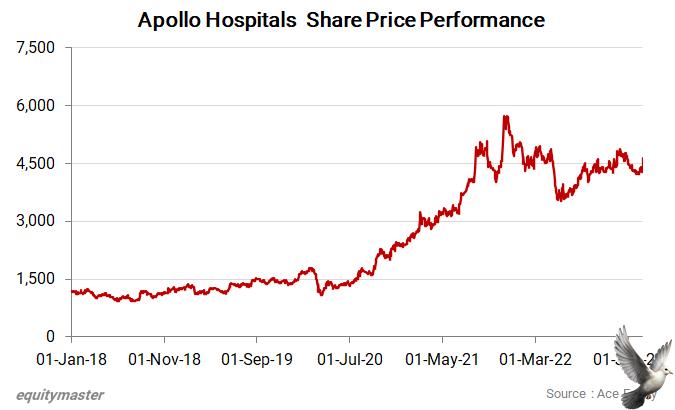
Apollo Hospitals Q3 Results: Net Profit Increases 35% to Rs 502 Crore; Rs 10 Dividend Announced
Apollo Hospitals Enterprise Limited has delivered a robust financial performance for the third quarter of the 2026 financial year, underscoring its dominance in the Indian healthcare landscape. The leading hospital chain reported a 35% year-on-year surge in consolidated net profit, reaching 502 crore. Total revenue for the quarter rose to 6,477 crore, marking a 17% increase compared to the previous year. This growth was fueled by strong demand across its core verticals, particularly in specialized medical services and the digital health ecosystem. The Board of Directors has declared an interim dividend of 10 per share for the financial year 2026. This represents 200% of the face value of 5 per share. Shareholders on record as of February 16, 2026, will be eligible for this payout, with the distribution scheduled for completion by the end of the month. Healthcare services, the company’s primary revenue driver, maintained high operational efficiency. Average revenue per occupied bed (ARPOB) saw a healthy 9% improvement, reflecting a shift toward high-acuity treatments in oncology, neurology, and cardiology. Overall bed occupancy across the network remained steady at approximately 69% to 70%. The pharmacy and digital health segment, operated through Apollo HealthCo, continued its trajectory toward breakeven. The Apollo 24/7 platform expanded its reach to 44 million users, contributing to a Gross Merchandise Value (GMV) of 723 crore during the period. The offline pharmacy network also expanded, surpassing 6,900 stores nationwide. Looking ahead, Apollo Hospitals is executing an aggressive capacity expansion plan. The company aims to add 1,600 new beds over the next year and a half, part of a broader strategy to increase its total capacity from 10,200 beds to over 14,000 beds. This expansion is expected to contribute an additional 5% to revenue growth as new facilities ramp up operations. Market sentiment remains positive as the healthcare sector in India continues to benefit from increased government spending and a resurgence in medical tourism. Apollo’s strategic focus on integrating AI-driven diagnostics and remote robotic surgeries positions it to capture a significant share of this evolving market. The stock continues to be a key constituent of the Nifty 50, with a market capitalization exceeding 1,03,000 crore. Investors remain focused on the company’s ability to balance its heavy capital expenditure on new beds with the improving profitability of its digital and diagnostic arms.

Mukul Agrawal and Sunil Singhania Acquire Stakes in IPO-Bound YAAP Digital
Marquee investors Mukul Agrawal and Sunil Singhania have acquired significant minority stakes in YAAP Digital. The strategic investment was finalized in early 2026, just as the company prepares for its upcoming Initial Public Offering. Both investors acquired 720,400 equity shares each through their respective firms, Intelliquity Ventures and India Ahead Venture Fund. These transactions represent a 4.68% equity stake for each investor. The capital infusion comes after YAAP Digital filed its Draft Red Herring Prospectus in July for a listing on the NSE SME exchange. The company intends to issue 6,600,000 fresh equity shares to fund its expansion. YAAP Digital reported a massive 376% surge in profit after tax for the fiscal year ending March 31, 2025. Net profit climbed to 11.93 crore from 2.51 crore in the previous year. Revenue from operations also saw a robust 37% increase, reaching 154.40 crore compared to 113.06 crore in 2024. The company is earmarking 34 crore from the IPO proceeds to complete the acquisition of GoZoop Online. Additionally, 4.01 crore is designated for the establishment of a specialized AI-Led Short-Form Content Production Hub. This move aligns with global shifts toward automated, high-velocity content creation. The global digital marketing sector is projected to reach 786.2 billion by the end of 2026. Data-driven performance marketing now commands 72% of total marketing budgets. Within this landscape, AI-integrated systems are helping companies outperform competitors by up to 35% in customer acquisition efficiency. Market research indicates that 94% of marketers plan to integrate AI into their content workflows this year. YAAP Digital is positioning itself at the center of this transition, moving away from traditional creative-only models toward ROI-measurable, technology-enabled services. The firm operates across India, the United Arab Emirates, and Singapore, serving over 90 enterprise clients. Its service stack includes programmatic media buying, data mining, and UI/UX engineering. The entry of Agrawal and Singhania provides a major institutional endorsement for YAAP’s platform-led growth strategy.
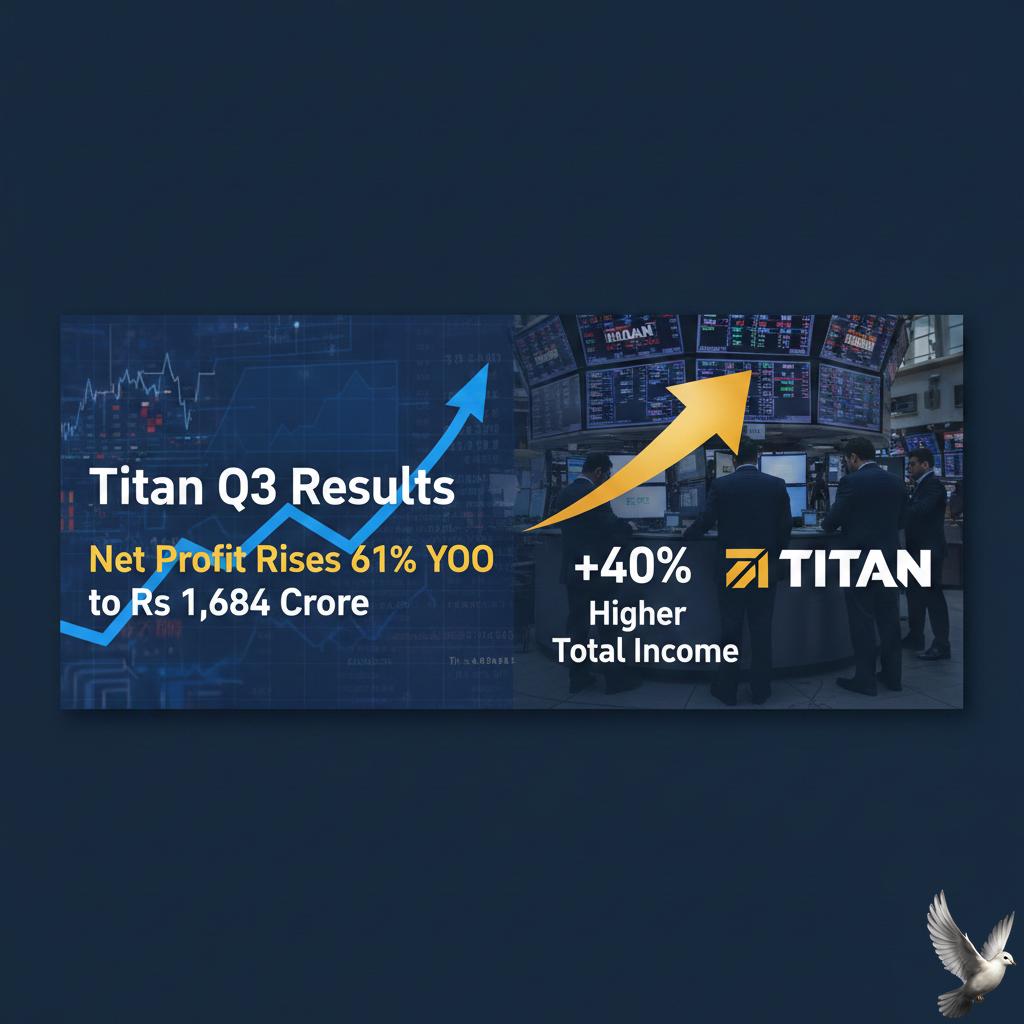
Titan Q3 Results: Net Profit Rises 61% YoY to Rs 1,684 Crore on 40% Higher Total Income
Titan Ltd released its third-quarter financial results for FY26 on February 10, 2026, showcasing a significant surge in both profitability and revenue. The consumer discretionary giant reported a consolidated net profit of 1,684 crore, marking a 61% year-on-year growth compared to the previous year. Total income for the period rose by 40%, reaching 24,592 crore. This growth was primarily fueled by robust festive and wedding season demand, particularly within the jewelry segment which saw revenues jump by 42%. **Key Financial Highlights** The company's profit before tax reached 2,375 crore, reflecting a 9.7% margin. When normalizing for the impact of previous customs duty changes, the underlying profit growth stood at 44%. The jewelry business remained the primary growth engine, contributing 2,475 crore in EBIT at an 11% margin. Tanishq, the flagship brand, expanded its international presence with new store openings in the USA, specifically in Boston and Orlando. **Sector and Market Performance** Performance across other verticals remained steady: - Watches and Wearables: 1,137 crore revenue (up 15% YoY) - EyeCare: 196 crore revenue (up 17% YoY) - Emerging Businesses (Fragrances & Bags): 22% and 111% growth respectively Retail expansion continued aggressively with 49 net new stores added during the quarter, bringing the total global store count to 3,433. **Stock Market Reaction** On the day of the announcement, Titan's share price hit a 52-week high, trading near 4,280 on the BSE. The stock has delivered over 5% returns to shareholders since the start of the year, maintaining a bullish medium-term structure. Investor sentiment remains positive as the company navigates high gold prices by leveraging consumer preference for gold both as an adornment and a store of value. [Titan Q3 Results Analysis](https://www.google.com/search?q=https://www.youtube.com/watch%3Fv%3DXhYlH54u7xU) This video provides a detailed breakdown of Titan's quarterly performance and management's outlook for the upcoming fiscal year.
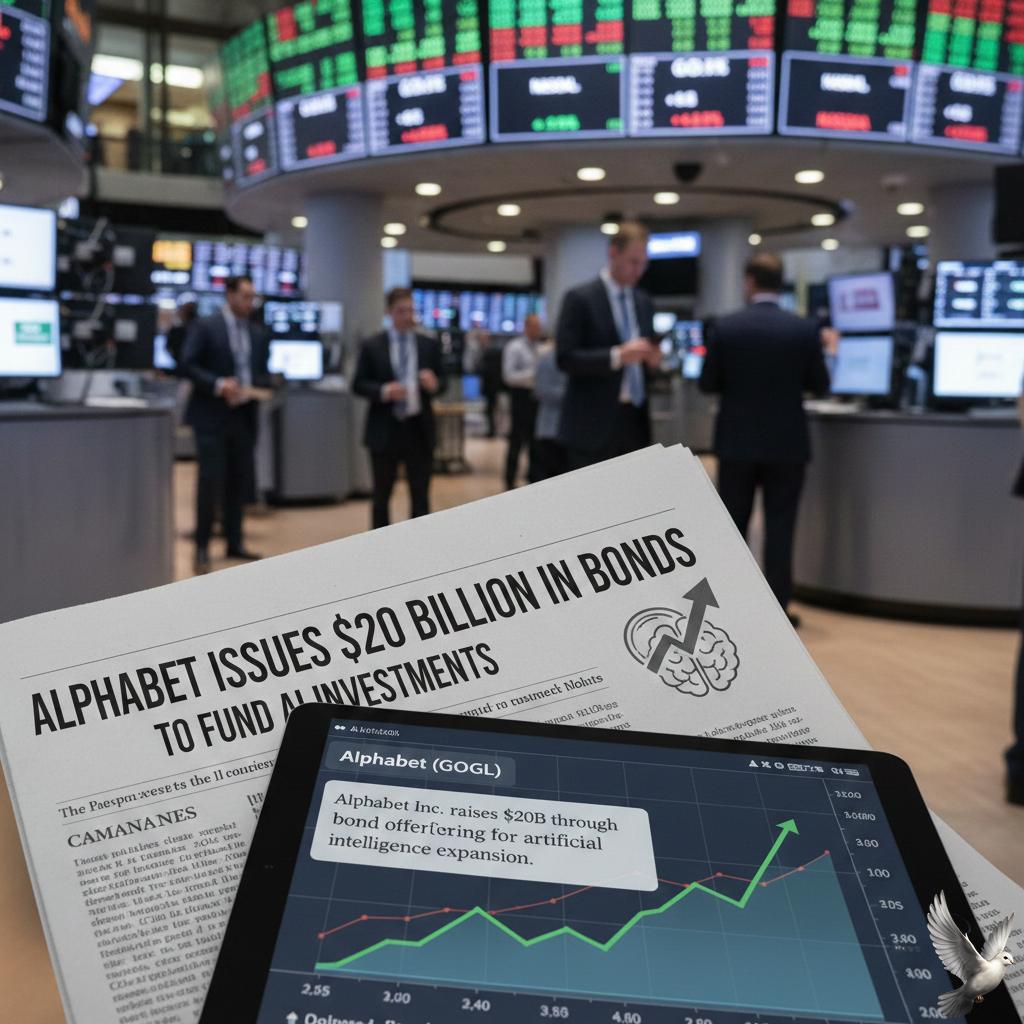
Alphabet Issues $20 Billion in Bonds to Fund AI Investments
Alphabet has finalized a historic global debt campaign, raising more than $20 billion in the U.S. dollar market followed by landmark offerings in Europe. This massive capital injection is designed to fuel the company's aggressive expansion into artificial intelligence infrastructure, including data centers and specialized hardware. The U.S. portion of the deal was a seven-part offering that attracted overwhelming investor interest, with orders peaking above $100 billion. The sale included maturities stretching out to 2066, with long-term 40-year bonds carrying a 5.75% coupon. Demand was so high that Alphabet was able to tighten the premium on its longest-dated debt to just 0.95 percentage points above Treasuries. In a move rarely seen in the technology sector, Alphabet also tapped the European markets with a 100-year sterling-denominated bond. This century-long note, which will not mature until the year 2126, represents the first such issuance by a major tech firm since the late 1990s. The company also issued bonds in Swiss francs with maturities ranging from three to 25 years. This borrowing spree aligns with Alphabet’s updated financial strategy for 2026. The company recently projected that its capital expenditures will surge to a range of $175 billion to $185 billion this year. This represents a near doubling of the $91 billion spent in 2025 and a massive leap from the $52 billion recorded in 2024. The primary driver for this spending is the rapid growth of Google Cloud and the integration of Gemini AI models across its ecosystem. Google Cloud revenue recently accelerated by 48% to reach $17.7 billion in a single quarter, supported by a massive $240 billion backlog in contracts. Market performance remains robust despite the increased debt load. Alphabet’s annual revenue surpassed $400 billion for the first time in 2025, and the company maintains a cash reserve of approximately $127 billion. As of early February 2026, Alphabet stock (GOOGL) has traded near all-time highs, recently holding levels around $323 per share with a market capitalization exceeding $3 trillion. The broader "AI Finance" trend is reshaping the corporate bond market. Total technology sector bond issuance reached a record $481 billion in 2025, led by hyperscalers like Amazon, Microsoft, and Meta. Investors are currently prioritizing companies that can demonstrate a clear "moat" through the ownership of energy, silicon, and physical data center capacity. Alphabet’s decision to lock in long-term financing now reflects a strategic shift to secure its position as a utility provider for the global AI economy. While the scale of debt has raised some concerns regarding future leverage, the record-breaking demand for these bonds indicates that the market views Alphabet's AI trajectory as a generational growth opportunity. [Google Cloud AI Infrastructure](https://www.google.com/search?q=https://www.youtube.com/watch%3Fv%3DH7m9H6I9E-E) This video provides a detailed look at the physical data centers and hardware Alphabet is building to support its latest Gemini models and global AI services.

MSE Denies Report Alleging Sebi Delays Entry Into Equity Derivatives
MSE Clarifies Status on Derivatives and Market Expansion The Metropolitan Stock Exchange of India (MSE) has officially rejected recent reports suggesting that market regulators have stalled its entry into the equity derivatives segment. The exchange dismissed these claims as misleading, clarifying that it remains fully operational and faces no regulatory barriers to its growth plans. Operational Performance and Liquidity MSE recently completed a major upgrade to its system and market infrastructure on **January 27, 2026**. This overhaul was designed to enhance performance and operational resilience as the exchange scales its activity. Currently, the exchange is actively appointing market makers to boost liquidity and market depth in its equity segment. Trading volumes show steady activity, with recent data from **February 9, 2026**, recording **1,501 trades** across **83 securities**. While the exchange currently handles a smaller volume compared to larger peers, its infrastructure is designed for significant scalability. Strategic Capital Infusion To support its relaunch and technological development, MSE successfully raised **₹1,240 crore** through funding rounds ending in late 2025. Key backers include prominent industry players such as **Groww** and **Zerodha**, signaling strong institutional support for a third national exchange. The exchange has a diversified shareholding structure: * **23.6%** held by various banks * **30%** held by corporate entities * Over **40%** held by individual and retail investors Regulatory Engagement MSE continues to engage closely with the Securities and Exchange Board of India (Sebi). The exchange maintains that it holds all necessary licenses to operate across Currency Derivatives, Equity Derivatives, Equity, and Debt segments. The regulator has recently emphasized the importance of a liquid cash market as a foundation for derivative products. In response, MSE is focusing on building consistent participation in its cash segment, starting with a core group of approximately **130 stocks**. Market Outlook The exchange is positioning itself to benefit from recent regulatory shifts, such as the limit on weekly derivatives expiries. These changes create a window for MSE to introduce innovative, customized products that do not clash directly with the schedules of established competitors. With its upgraded technology and strengthened capital base, MSE is focused on creating a sustainable trading ecosystem. The exchange remains committed to increasing market depth and providing a robust alternative for Indian investors.

Stock Market Update: Tracxn, BSE, Swiggy, and Other Notable Movers on Tuesday
Market Summary: Indian Equities Extend Rally Indian benchmark indices concluded Tuesday, **February 10, 2026**, on a positive note, marking the third consecutive session of gains. The **Nifty 50** rose **67.85 points**, or **0.26%**, to settle at **25,935.15**, while the **BSE Sensex** climbed **208.17 points**, or **0.25%**, to end at **84,273.92**. The upward momentum was largely fueled by optimism surrounding the recently concluded **India-US trade deal**, which has significantly reduced tariffs on Indian exports. This geopolitical tailwind, combined with steady foreign fund inflows, has revitalized risk-on sentiment across the domestic market. Broader Market Performance The broader markets continued to outshine the frontline indices. The **Nifty Midcap 100** gained nearly **0.50%** to close at **60,727.85**, while the **Nifty Smallcap 100** advanced **0.7%** to **17,508.85**. Midcap stocks saw significant action driven by a flurry of **Q3 FY26** earnings reports and strategic deal-making. In the last two trading sessions alone, small and midcap indices have surged up to **3%**, reflecting a broad-based recovery in investor confidence. Key Sectoral Movers **Auto and Metals** were the primary drivers of today's growth. The **Auto index** rose **1.4%**, led by **Mahindra & Mahindra**, which climbed **1.87%** following strong retail sales data. **Tata Steel** advanced **2.9%** after a massive block deal involving **17.5 crore shares**. The **Media sector** led the rally with a **2.4%** jump. In contrast, **Energy** and **IT** sectors faced selling pressure. The **Energy sector** slumped significantly, and **HCL Tech** fell over **2%** amid persistent concerns regarding AI-driven growth shifts. Corporate Highlights * **BSE Ltd** surged **6.3%** after reporting a massive **174%** year-on-year jump in net profit to **601.8 crore**. * **Eternal** led the gainers with a **5.19%** surge, supported by positive institutional sentiment post-trade deal. * **Aurobindo Pharma** declined roughly **6%** despite steady profit growth, as investors reacted to one-time expenses. * **State Bank of India (SBI)** hit a new all-time high of **1,153.85** during the session before a marginal cooling off. Economic Indicators and Outlook The **Reserve Bank of India (RBI)** recently maintained the repo rate at **5.25%** with a neutral stance, supporting a growth forecast of **7.4%** for **FY26**. This stability, paired with a liquidity surplus of approximately **70,000 crore**, provides a supportive backdrop for domestic equities. Market volatility, as measured by the **India VIX**, dropped **4.3%** to **11.67**, suggesting a period of relative calm. Investors are now shifting focus toward upcoming **U.S. inflation data** and local earnings for the next set of cues.

Eicher Motors Q3: Net Profit Increases 21% and Revenue Rises 23% Year-over-Year
Eicher Motors has delivered a robust financial performance for the December quarter, with consolidated net profit jumping 21% to reach 1,420 crore. This marks a significant climb from the 1,171 crore reported in the same period last year. Revenue from operations also saw a substantial surge of 23% during the quarter, reflecting strong momentum across its core business segments. The company’s legendary motorcycle brand, Royal Enfield, continues to be a primary growth engine. The brand achieved a historic milestone in 2025 by crossing the 1 million sales mark in a single calendar year for the first time. During the December quarter, Royal Enfield recorded its highest-ever sales volume with 269,039 motorcycles sold, a 17% increase year-on-year. The 350cc segment remains the dominant force, with models like the Classic 350 and Bullet 350 maintaining a 95% market share in their category. Exports have also shown aggressive growth, rising 36% as the brand expands its footprint in international markets including North America and Europe. In the commercial vehicle space, VE Commercial Vehicles (VECV)—a joint venture with Volvo Group—demonstrated resilience despite broader industry slowness. VECV reported a 44% jump in profit after tax to 301 crore for the quarter. The segment achieved record quarterly sales of 21,012 units, driven by a 132% surge in exports and steady domestic demand for light and medium-duty trucks. Operational efficiency remains high with EBITDA growing 10% to 1,201 crore. While the company faces rising marketing costs and a shifting sales mix toward lower-margin models, its operating margin remains stable at approximately 26%. Eicher Motors is also pivoting toward the future of mobility. The company recently debuted its electric vehicle brand, Flying Flea, and launched the Eicher Pro X electric truck. These moves signal a strategic shift to capture the growing demand for sustainable logistics and premium electric motorcycling. On the stock market, Eicher Motors continues to show strength, trading near 7,180 with a market capitalization of approximately 1.97 lakh crore. Analysts maintain a generally positive outlook, supported by the company’s "Pure Motorcycling" strategy and its ability to consistently gain market share in the commercial vehicle sector.

US Equity Futures Steady Following Tech Recovery Amid Anticipation of Economic Data
U.S. equity markets are entering a pivotal window as investors digest a tech-led recovery and prepare for a wave of top-tier economic data. After a volatile start to February, major indices have stabilized, with futures remaining steady as the focus shifts to consumer health and inflation trends. The tech sector continues to serve as the market's primary engine. The Nasdaq Composite recently led gains with a 1.0% jump, recovering from earlier sessions of deep selling. Significant momentum remains centered on AI infrastructure, with Nvidia rising nearly 3.0% and Oracle surging 9.6% following increased demand for data services. Despite this, some software and electric vehicle stocks have lagged, with Tesla falling 3.0% amid broader concerns over shifting incentives and trade policy. Consumer resilience is currently at the forefront of the economic narrative. Retail sales figures for February showed a modest 0.2% increase, a critical rebound from the 1.2% decline recorded in January. While the headline number appears slim, it brings the year-over-year growth to 3.1%, suggesting that household spending remains a pillar of support for the economy. High-performing segments include online retail, which saw a 2.4% increase, and health and personal care shops, rising 1.7%. Inflation data continues to complicate the Federal Reserve’s path. Current expectations for the Consumer Price Index (CPI) sit at a 2.9% year-over-year increase, while Core CPI is projected at 3.1%. These figures remain stubbornly above the 2.0% target, keeping Treasury yields elevated. The 10-year Treasury yield is currently hovering near 4.56%, while the 2-year yield has reached 4.94%, reflecting market bets on a "higher-for-longer" interest rate environment. Key levels to watch for the S&P 500 include the 6,070 to 6,100 resistance zone. Analysts suggest that a weekly close above this range could act as a springboard for a retest of all-time highs. Conversely, support is established at the 5,925 level. On the corporate front, Super Micro Computer has recently jumped 17.6% as investors await critical business updates, while the pharmaceutical sector has faced pressure, with Incyte tumbling nearly 8.0% on a lowered sales outlook. The broader market sentiment is one of cautious optimism. While corporate earnings remain generally supportive—with over 75% of S&P 500 companies beating estimates—the upcoming release of producer price data and employment reports will be the ultimate deciders of near-term direction. Investors are closely monitoring these metrics to determine if the current rally has the fundamental backing to withstand ongoing global trade uncertainties and persistent price pressures.
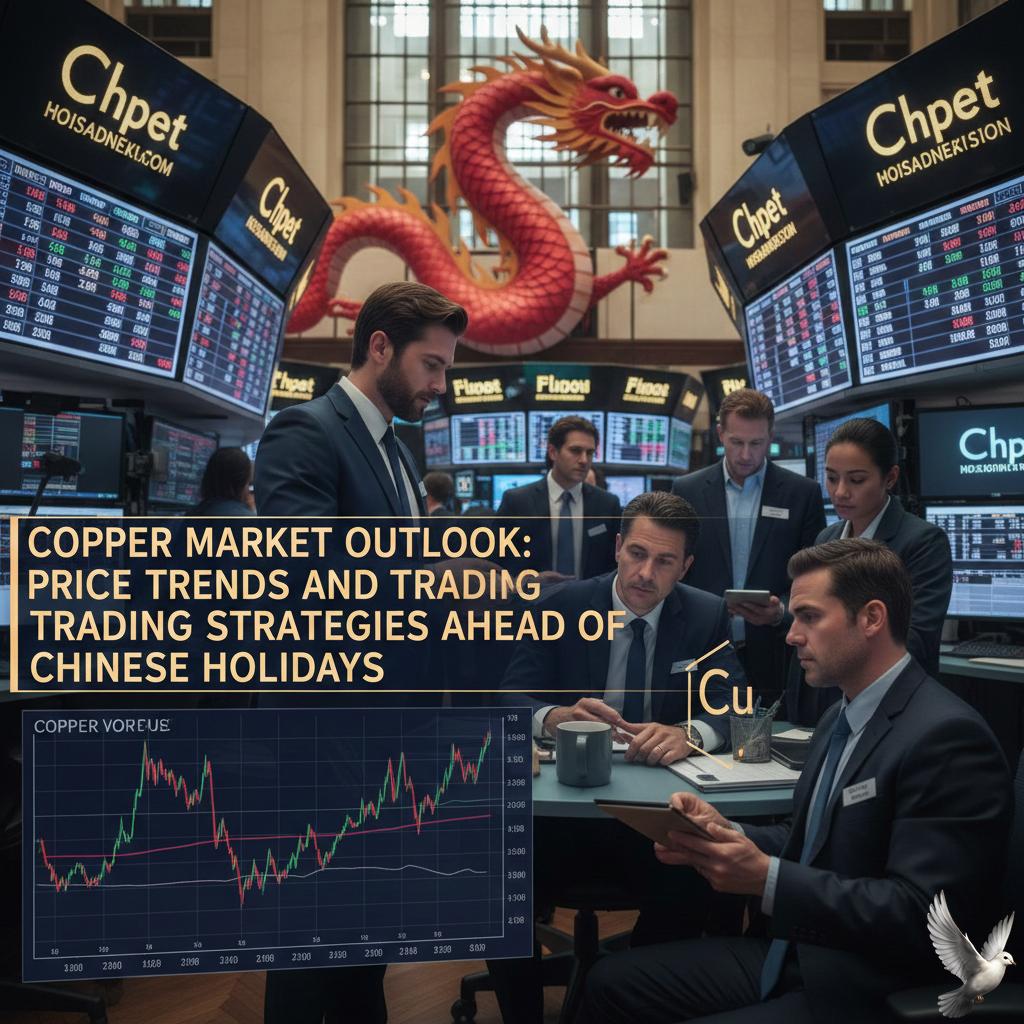
Copper Market Outlook: Price Trends and Trading Strategies Ahead of Chinese Holidays
Copper prices are currently navigating a complex environment defined by a tug-of-war between a weakening U.S. dollar and cooling industrial demand. As of February 10, 2026, copper futures on the COMEX are trading near $5.91 per pound, reflecting a slight retreat from record peaks of $6.58 reached just weeks ago in late January. While the U.S. dollar index has slid to monthly lows—making commodities more affordable for international buyers—this tailwind has been countered by a significant seasonal slowdown. Top consumer China is entering the Lunar New Year holiday period, leading many manufacturers to pause operations. This has resulted in a 15% to 20% drop in regional manufacturing demand, contributing to a noticeable rise in global stockpiles. Inventory levels have reached critical thresholds this week. Total exchange-monitored stocks rose by 32.4 kilotons to reach approximately 964,000 tons. Specifically, LME inventories have climbed to 285,000 tons, the highest level since mid-2023, while COMEX stocks are holding at 18-month highs near 259,000 tons. On the supply side, the market remains structurally tight. Refined copper output in China is projected to grow by only 5% in 2026, a sharp deceleration from the 10% growth seen last year. Mining operations in Chile and Peru continue to struggle with aging infrastructure and declining ore grades, leading many analysts to forecast a refined copper deficit of roughly 330,000 metric tons for the full year. The medium-term outlook is increasingly shaped by high-growth sectors. AI-driven data center expansion and energy transition infrastructure are estimated to drive 60% of copper demand growth through the end of the decade. Major financial institutions have adjusted their 2026 average price targets upward, with forecasts now ranging between $11,300 and $12,500 per metric ton. Despite the current seasonal correction, the fundamental narrative remains intact. Market participants are closely watching for a potential rebound as Chinese industrial activity resumes and the impact of a softer dollar continues to filter through the global supply chain. [Copper Market Analysis](https://www.youtube.com/watch?v=cf9Viu1aOso) This video provides a deep dive into the structural supply shortages and long-term demand drivers, such as AI and green energy, that are shaping the 2026 copper market. http://googleusercontent.com/youtube_content/0

Gold ETFs and Multi-Asset Funds See Significant Inflows Amid Shifting Investor Strategies
Domestic retail investors are showing remarkable resilience as India’s mutual fund industry reaches new milestones. Despite recent market swings and global policy uncertainties, monthly contributions through Systematic Investment Plans (SIPs) remained steady at ₹31,002 crore in January 2026. This marks the second consecutive month that the ₹31,000 crore threshold has been breached, signaling a deep-rooted shift toward disciplined, long-term wealth creation. The total number of SIP accounts has grown to 10.29 crore, with approximately 7.4 million new registrations in the last month alone. This surge in participation has helped the industry’s total Assets Under Management (AUM) cross the ₹81 lakh crore mark. Investors are increasingly prioritizing consistency over timing, even as the benchmark Sensex and Nifty indices faced a volatile start to the year. A significant trend in early 2026 is the aggressive pivot toward safety and diversification. Gold ETFs witnessed a massive 106% month-on-month jump in inflows, reaching ₹24,040 crore in January. This surge has brought gold investments almost to parity with total equity fund inflows, which moderated to ₹24,028 crore. The demand for precious metals is driven by a 22.3% return in gold funds over the last month and heightened global geopolitical risks. Hybrid funds are also experiencing a strong rebound as investors seek to balance risk. Inflows into the hybrid category surged 61% month-on-month to reach ₹17,356 crore. Within this segment, Multi-Asset Allocation funds have become a standout choice, leading the category with ₹10,485 crore in net inflows. These funds provide a comprehensive one-stop solution by spreading capital across equity, debt, and commodities. While appetite for mid-cap and small-cap segments cooled slightly due to elevated valuations, Flexi-cap funds remain the preferred equity pick, attracting ₹7,672 crore. The current market environment is characterized by a "risk-aware" approach. Investors are no longer just chasing high-growth equity but are actively rebalancing their portfolios with defensive assets to navigate volatility. As of February 10, 2026, the equity markets have shown signs of recovery with the Sensex trading around 84,246 and the Nifty 50 holding above the 25,900 level. Domestic institutional buying continues to provide a crucial cushion against foreign portfolio outflows. This evolving landscape reflects a maturing investor base that uses a mix of steady SIPs and tactical allocations to gold and hybrid strategies to maintain stability. [How SIPs work in India](https://www.youtube.com/watch?v=Ict3lRUBX4o) This video provides an expert outlook on the current equity market and SIP trends for February 2026, helping investors understand the long-term structural growth of Indian markets. http://googleusercontent.com/youtube_content/0

Indian Rupee appreciates 9 paise to close at 90.57 per US Dollar
**Rupee Market Update: February 10, 2026** The Indian rupee showed resilience on Tuesday, paring its initial losses to settle on a positive note. The currency closed **9 paise higher** at **90.57** (provisional) against the US dollar, recovering from an early session low of **90.77**. **Key Market Drivers** Strong cues from domestic equity markets provided essential support to the local unit. This recovery was further bolstered by a general softening of the American currency in overseas markets as global investors await critical US economic data. A landmark event impacting sentiment is the recently signed **India-US interim trade agreement**. This framework aims to reduce tariffs and has unlocked significant export potential, with India committing to purchase roughly **$500 billion** in US goods over the next five years. **Equity and Capital Flows** Indian benchmark indices extended their winning streak for a third consecutive session. The **BSE Sensex** climbed **208.17 points** to close at **84,273.92**, while the **NSE Nifty 50** rose **67.85 points** to finish at **25,935.15**. Foreign Institutional Investors (FIIs) have transitioned into net buyers this month. Exchange data showed FIIs purchased equities worth approximately **₹2,254.64 crore** in the previous session, a trend that continues to stabilize the rupee against global volatility. **Global Indicators** * **US Dollar Index:** Currently hovering near **96.95**, reflecting a move toward one-week lows amid reports of global shifts in bond exposure. * **Brent Crude:** Global oil prices eased slightly by **0.28%** to **$68.85 per barrel**, providing relief for India's import bill. * **Reserve Bank of India:** The repo rate remains steady at **5.25%**, with the central bank expected to intervene to absorb excess inflows and prevent sharp appreciation. **Outlook and Technical Levels** Market analysts identify a strong support zone for the rupee between **90.00** and **90.20**. While the trade deal offers long-term optimism, short-term caution remains as traders look toward upcoming US inflation figures and employment reports for further direction. Investor sentiment is also buoyed by **Moody's** latest projections, which estimate India's real GDP growth at **6.4%** for the upcoming fiscal year, maintaining its status as one of the fastest-growing G-20 economies.
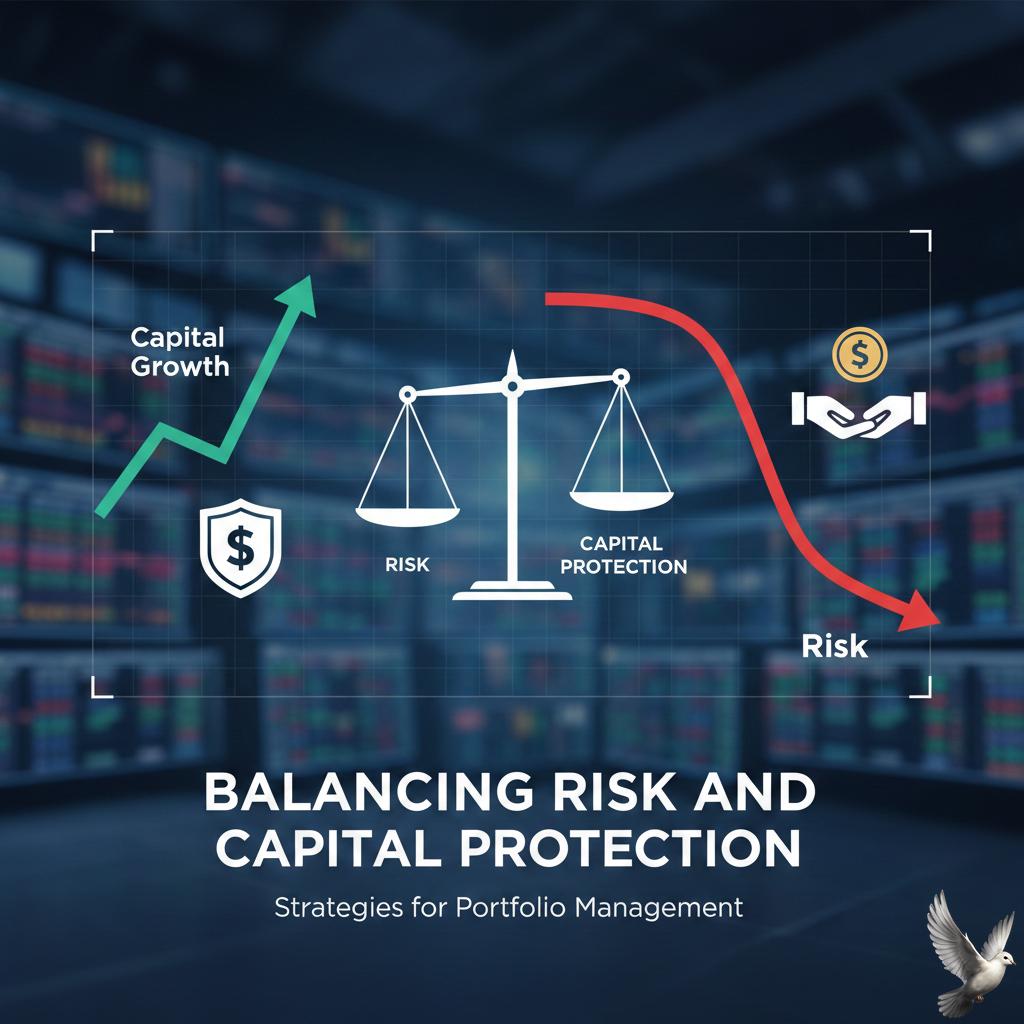
Balancing Risk and Capital Protection: Strategies for Portfolio Management
Market Brief: Tuesday, February 10, 2026 The global financial landscape is characterized by a "soft landing" narrative, with major benchmarks reaching historic psychological milestones. Market sentiment remains cautiously bullish as investors navigate a transition from aggressive central bank easing to a stabilization phase. Equity Market Performance U.S. indices show significant resilience. The **Dow Jones Industrial Average** recently breached the historic **50,000** mark, closing at **50,135.87**. Growth-oriented sectors are leading the charge; the **Nasdaq Composite** climbed **0.90%** to finish at **23,238.67**, driven by a massive recovery in semiconductor and cloud infrastructure stocks. The **S&P 500** also scaled higher, ending the latest session at **6,964.82**, a gain of **0.47%**. In Asian markets, Indian equities extended their rally for a third consecutive session. The **Nifty 50** opened firm at **25,922.65** and pushed toward the **26,000** psychological resistance level. The **Bank Nifty** remains a primary driver of domestic sentiment, trading decisively above **60,700**, reflecting high confidence in the financial sector. Sector and Stock Highlights Technology remains the dominant theme, though it faces scrutiny over capital expenditure forecasts. Four major tech giants are projected to spend a combined **$650 billion** on artificial intelligence infrastructure through 2026. Banking and energy stocks are seeing increased rotation. In the Indian market, **Eternal Ltd** surged over **5%** following institutional inclusions, while **Tata Steel** gained nearly **3%** after a massive block deal involving **17.5 crore shares**. Conversely, IT stocks like **HCL Tech** fell approximately **2%** amid persistent valuation concerns. Commodities and Currencies The energy sector is witnessing moderate volatility. **Brent Crude** is currently trading near **$68.64** per barrel, while **U.S. West Texas Intermediate (WTI)** sits at **$63.94**. Prices are oscillating within a wide **$10** range as markets weigh supply disruption risks against cooling global demand. Precious metals are under pressure due to deleveraging by managed-money accounts. **Spot gold** recently dipped **1%** to trade near **$5,016.56** per ounce, retreating from previous record highs above **$5,100**. The **U.S. Dollar Index** shows signs of stabilization after a period of depreciation. The **Indian Rupee** is currently trading at approximately **₹90** against the greenback. Economic Indicators and Outlook The global economy is projected to grow by **2.6%** in 2026. Inflation expectations are cooling, with recent surveys indicating a drop in one-year outlooks to **3.1%**. Central banks are largely expected to maintain current rates for the first half of the year. The **U.S. Federal Funds Rate**, which sat at **5.3%** in 2024, has stabilized around **3.6%**, providing a supportive backdrop for equity valuations and corporate earnings growth.
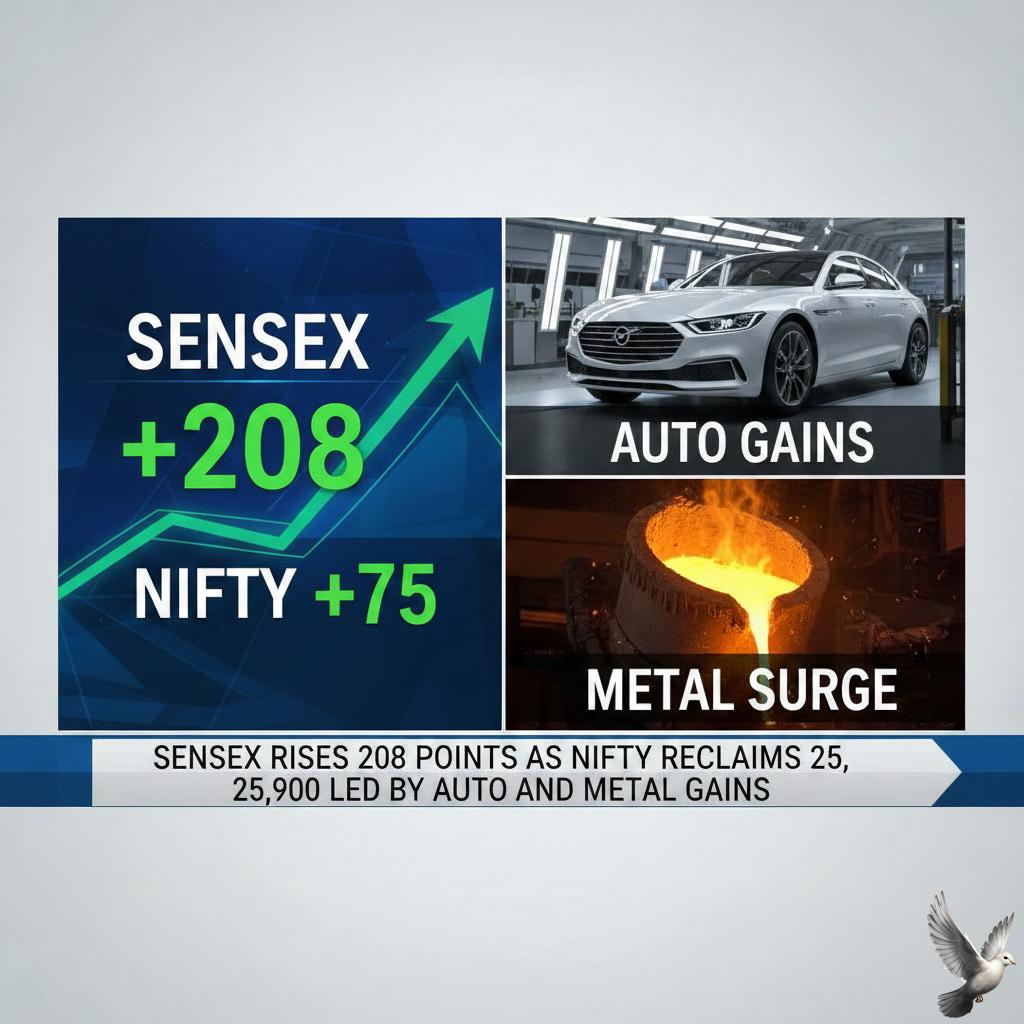
Sensex Rises 208 Points as Nifty Reclaims 25,900 Led by Auto and Metal Gains
Benchmark indices Nifty and Sensex closed higher for the second consecutive session on Tuesday, February 10, 2026. The Nifty 50 gained 68 points to end at 25,935, while the BSE Sensex rose 208 points to finish at 84,274. Both indices remain positioned within 2% of their record highs, reflecting a phase of steady consolidation. Market sentiment was significantly bolstered by a resurgence in foreign institutional investor (FII) activity. FIIs turned net buyers in February, injecting approximately 4,900 crore into the cash segment so far this month. This shift, combined with a stable rupee trading near 90.30 against the US dollar, has provided a firm floor for domestic equities. The auto and metal sectors led the rally today. Nifty Auto advanced 1.55%, supported by strong demand projections and new dealer financing agreements. The metal sector gained traction as NMDC implemented a price hike of 100 per tonne for iron ore lumps and fines, signaling robust industrial demand. Tata Steel was among the top gainers, rising 2.82%. Broader markets displayed resilience, though performance was mixed across segments. The Nifty Midcap 100 rose 0.37%, while the Nifty Smallcap 100 gained 0.54%. Despite the overall positive bias, the energy sector faced substantial pressure, dropping over 11% during the session. Key corporate developments also influenced trading. BSE Ltd shares surged 6% to reach a fresh 52-week high of 3,175 following a nearly three-fold jump in quarterly profits. Meanwhile, infrastructure stocks remained in focus as RailTel Corporation and Ceigall India announced major new order wins totaling over 2,100 crore. Global cues provided a supportive backdrop as Asian markets followed a positive lead from Wall Street. Optimism surrounding an interim India-US trade deal, which has stabilized export tariff expectations, continues to act as a primary macro tailwind for the Indian market. Investors are now shifting their focus toward the remaining Q3 earnings reports and the impact of recent fiscal measures. While intermittent profit-booking was noted in the IT and banking heavyweights, the underlying trend remains constructive with the Nifty 50 holding firmly above its immediate support at 25,800.
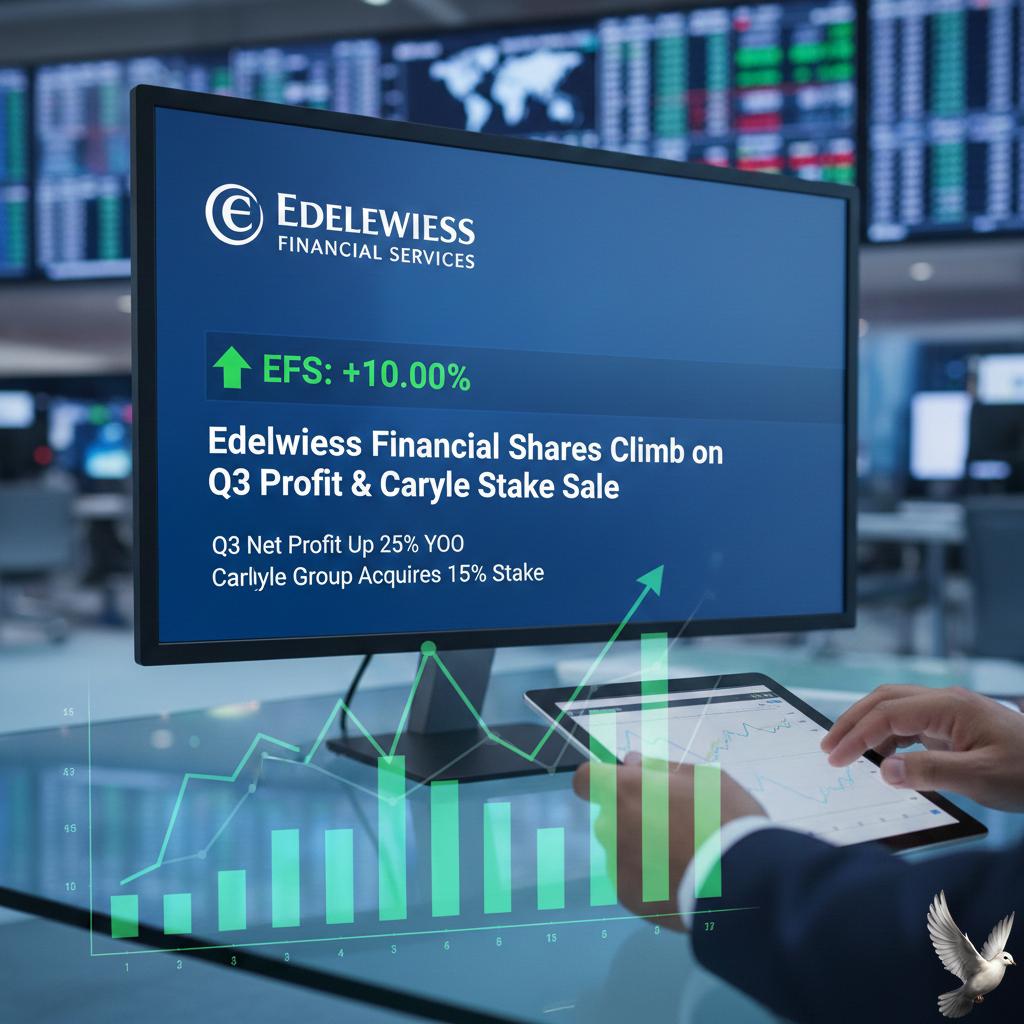
Edelweiss Financial Services Shares Rise 10% Following Q3 Profit Growth and Carlyle Stake Sale
Edelweiss Financial Services witnessed a sharp rally today, with shares surging as much as 10.5% to hit a high of 123 INR on the BSE. This bullish momentum follows the company's release of its Q3 FY26 earnings, which revealed a substantial 112% year-on-year increase in consolidated net profit, reaching 264 crore INR. The financial performance was bolstered by a significant strategic announcement: global investment firm Carlyle will acquire a majority stake in Edelweiss's subsidiary, Nido Home Finance. The deal involves a total investment of 2,100 crore INR, including a primary capital infusion of 1,500 crore INR. This move is expected to significantly strengthen the group's balance sheet and fuel further growth in the housing finance segment. Core business verticals showed robust operational growth during the December quarter. The Alternative Asset Management business saw its fee-paying assets under management (FPAUM) rise by 33% to 41,920 crore INR. Similarly, the Mutual Fund segment reported a 33% expansion in equity AUM, reaching 83,000 crore INR. Notably, the monthly SIP book crossed the 500 crore INR milestone, marking a 55% growth compared to the previous year. The Asset Reconstruction division remained a key contributor, recording recoveries of 842 crore INR during the quarter. The business is also shifting its focus toward retail assets, with the share of retail in capital employed rising to 25% from 15% a year ago. In the lending space, MSME loan disbursements grew 5.7 times year-on-year to 298 crore INR, while the company continued to reduce its wholesale exposure, which declined 34% to 2,400 crore INR. Overall total income for the quarter surged to 4,715 crore INR, compared to 1,997 crore INR in the same period last year. Management highlighted that this growth was supported by a resilient domestic economy and structural reforms. The group’s consolidated net worth now stands at 5,866 crore INR, supported by a comfortable liquidity cushion of approximately 5,600 crore INR. Investors are closely tracking the company’s progress on its strategic priorities, including the upcoming IPO filing for its Edelweiss Asset Reconstruction (EAAA) business and the continued reduction of corporate net debt, which has already decreased by 15% over the last two years.

European Equity Markets Stable Amid Varied Corporate Earnings Reports
European equity markets exhibited a mixed performance on Tuesday, February 10, 2026. The pan-European STOXX 600 index remained largely unchanged, hovering around 621.28 points. This flat performance comes as the market balances a sharp sell-off in the energy sector against a significant rally in luxury goods. The energy sector emerged as a primary drag on the index, declining 1.1% during the session. Shares of BP fell 5.4% to 451.10 pence after the company took the unexpected step of suspending its share buyback program. The oil major reported an underlying replacement cost profit of $1.5 billion for the fourth quarter, meeting expectations, but was impacted by a $4 billion write-down in its renewables and biogas divisions. BP’s new strategy focuses on debt reduction and high-return oil and gas projects, such as the Bumerangue discovery in Brazil, which holds an estimated 8 billion barrels. The company aims to trim its net debt, currently at $22.18 billion, to a target range of $14 billion to $18 billion by 2027. Despite the buyback pause, the quarterly dividend was maintained at 8.32 cents per share. The luxury sector provided a necessary counterweight, gaining 1.2% overall. Kering shares surged 13.5% to approximately 288 euros after reporting fourth-quarter sales that were better than feared. While full-year revenue for 2025 dropped 13% to 14.7 billion euros, investors were encouraged by signs of stabilization at Gucci under the leadership of CEO Luca de Meo. Other corporate updates were varied. TUI, a leader in the travel sector, reported first-quarter operating profits that exceeded forecasts. However, its stock price dropped 2.8% due to cautious outlooks regarding future bookings. Conversely, Swedish recreational brand Thule jumped 12.7% following a revenue beat driven by recent acquisitions. Investor sentiment is currently shaped by broader economic factors. Inflation in the Eurozone is trending toward 1.7%, and the European Central Bank has characterized the economy as resilient. However, traders remain cautious ahead of pivotal inflation and employment data from the United States, which are expected to influence global interest rate trajectories for the remainder of 2026.
Impact of Potential Interest Rate Hikes on Sector Performance: Ajay Srivastava’s Outlook
India is navigating a complex monetary landscape as of February 2026. After a significant easing cycle in 2025 that saw cumulative rate cuts of 125 basis points, the Reserve Bank of India has shifted to a "Neutral" stance. The benchmark repo rate currently stands at 5.25%, with the central bank prioritizing stability as it monitors a delicate balance between robust 7.4% GDP growth and evolving inflation dynamics. **Banking and Gold Loans** Traditional banks and gold loan providers are positioned as primary beneficiaries in this environment. Lenders are navigating a deposit shortfall, which is driving a push for higher returns. Gold prices are forecasted to remain bullish, with projections suggesting a rise toward $5,000 per ounce by the end of 2026. This trend strengthens the collateral value for gold loan companies, while banks benefit from steady 5.25% margins and a new ₹20 lakh collateral-free loan limit for small businesses. **Manufacturing and Consumption Challenges** The Electronics Manufacturing Services (EMS) sector faces a dual reality. While the Union Budget 2026–27 increased the outlay for component manufacturing to ₹40,000 crore, companies must contend with rising input costs and global supply chain shifts. Similarly, the Quick Service Restaurant (QSR) industry is under pressure. Raw material expenses for major chains have risen to approximately 31% of revenue, leading to a 300 basis point decline in gross margins as brands struggle to pass on costs to consumers. **Market Indicators** The bond market is currently a critical signal for investors. The yield on India’s 10-year G-Sec has climbed to 6.7% due to tight domestic liquidity. While headline inflation remains benign at roughly 2.1%, it is projected to rise toward 4.2% by the second half of 2026. This potential "wait and watch" period suggests that while the era of rapid rate cuts has paused, the economy remains in a resilient growth phase, supported by a "Neutral" policy that allows for flexibility in either direction. [Gold Price Predictions 2026](https://www.youtube.com/watch?v=O7GAA5S3BMs) This video provides expert analysis on the 2026 outlook for gold and equities, directly addressing the investment trends mentioned in the brief. http://googleusercontent.com/youtube_content/0