Bullish News
Collection
Sensex Rises 485 Points and Nifty Gains for Second Session While Smallcap Index Climbs 2.65%
Market Brief: Indian Equities Surge on Trade Optimism Indian benchmark indices, the Sensex and Nifty 50, demonstrated robust momentum on **Monday, February 9, 2026**. The market extended its winning streak for a second consecutive session, fueled by significant geopolitical and economic breakthroughs. Investor sentiment was primarily bolstered by a fresh interim trade agreement between India and the United States. This deal successfully ended a ten-month tariff war, with Washington significantly reducing duties on Indian goods from **50%** to **18%**. Benchmark Performance The 30-share BSE Sensex climbed **486.18 points**, or **0.58%**, to reach **84,065.75**. Simultaneously, the 50-share NSE Nifty advanced **173.60 points**, or **0.68%**, to settle at **25,867.30**. Foreign Institutional Investors (FIIs) have transitioned from persistent selling to becoming net buyers, injecting **₹1,950.77 crore** into the cash market in recent sessions. This shift, combined with a rally in Asian peers like Japan’s Nikkei, has provided the necessary liquidity to drive benchmarks toward previous record highs. Sectoral Highlights The PSU Bank index emerged as the definitive leader of the session, surging nearly **4%** to reach a record high of **9,193**. State Bank of India (SBI) spearheaded this movement, with its shares hitting a record peak above **₹1,130** following a strong **25%** year-on-year rise in quarterly profit. Metal and Media stocks also saw intense buying interest. The Nifty Media index rallied **3.43%**, while the metal sector gained approximately **1%** as global commodity prices remained firm. In contrast, the IT sector remained a laggard due to sentiment shifts following recent global technological updates. Key Economic Indicators The broader market showed exceptional strength, with Midcap and Smallcap indices outperforming the frontline gauges by jumping **1.22%** and **2.01%** respectively. Market breadth remained highly positive, with nearly **2,948** shares advancing compared to **1,083** declines on the BSE. The Indian Rupee strengthened by **21 paise** to **90.44** against the U.S. Dollar. In the commodities space, Brent crude remained stable near **$67.41** per barrel, providing a conducive environment for domestic inflation management, which was last recorded at a steady **1.33%**. Market Outlook The current rally indicates a "risk-on" tone as the uncertainty regarding trade relations with the U.S. has been removed. Analysts note that the integration of India into critical mineral and AI supply chains is positioning the domestic economy as a major global counterweight. While the Nifty faces immediate resistance near the **26,000** psychological mark, the cooling of the India VIX to **11.94** suggests a significant reduction in market nervousness. Investors are focusing on improving credit growth and upcoming corporate earnings to sustain this upward trajectory.
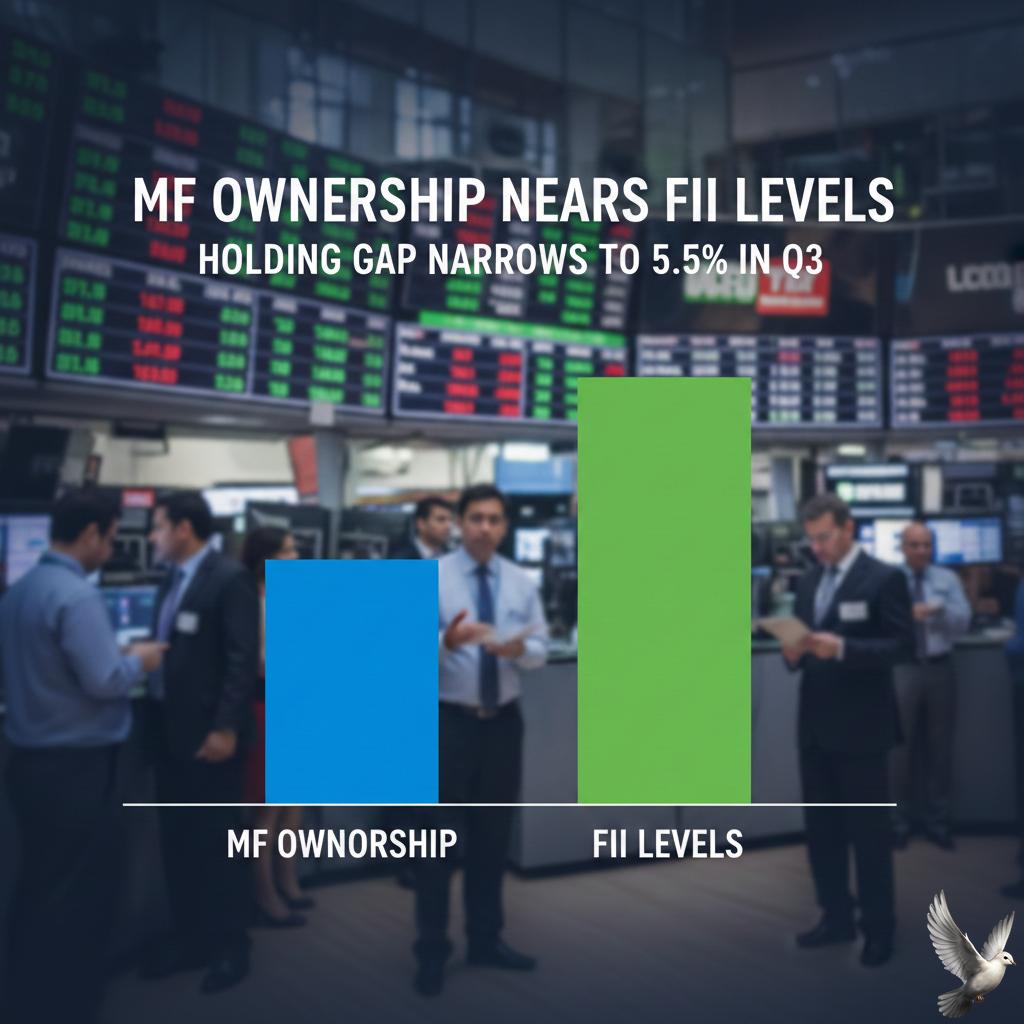
MF Ownership Nears FII Levels as Holding Gap Narrows to 5.5% in Q3
**Market Brief: Domestic Dominance & Structural Shifts** The Indian equity landscape is witnessing a historic rebalancing as domestic institutional investors (DIIs) effectively end the long-standing era of foreign dominance. As of early February 2026, the ownership gap in the broader market has narrowed to just **5.50%**, a staggering contraction from the **17.14%** gap seen a decade ago. In a landmark milestone reached during the December 2025 quarter, DIIs officially overtook Foreign Institutional Investors (FIIs) in the benchmark Nifty 50. Local institutions now hold a record **24.8%** stake in the index, edging past the **24.3%** held by foreign entities. **The SIP Fortress** This structural transition is anchored by the relentless growth of Systematic Investment Plans (SIPs). In the 2025 calendar year, incremental SIP inflows reached a massive **3.34 lakh crore**. By November 2025, monthly SIP contributions hit nearly **29,445 crore**, providing a consistent liquidity cushion that offsets external volatility. The mutual fund industry’s total assets under management (AUM) have now crossed the **80.80 trillion** mark. This influx of domestic capital has allowed the Indian market to remain resilient even during periods of heavy foreign selling. **FII Movement & Recent Rebound** Despite the long-term decline in their ownership share, foreign investors have recently shown signs of renewed interest. After pulling out **1.66 lakh crore** in 2025, FPIs turned net buyers in the first week of February 2026, infusing over **8,100 crore** into Indian equities. This tactical return is largely attributed to a breakthrough India-US trade agreement and stabilizing global bond yields. However, foreign holdings remain near a 13-year low of **16.60%** across all NSE-listed companies, as global funds remain cautious regarding premium valuations. **Market Performance & Volatility** The Nifty 50 and Sensex have navigated significant swings in early 2026. After a sharp Budget-related dip on February 1, the indices surged following the trade deal announcement. As of February 9, 2026, the Nifty 50 is trading above the **25,850** level, while the Sensex maintains strength above **84,000**. * **DII Net Investment (Q3 FY26):** 2.09 lakh crore * **MF Net Buying (Q3 FY26):** 1.06 lakh crore * **Retail Ownership:** Record **18.75%** of NSE market cap * **Total Folio Count:** **258.6 million** The "retailisation" of the Indian market is now a fundamental reality. With over **82%** of Nifty 50 constituents seeing increased DII stakes in the last quarter, the market’s center of gravity has firmly shifted toward domestic hands.

SBI Reports Approximately 25% Increase in Q3 Net Profit
State Bank of India (SBI) has reported its highest-ever quarterly standalone net profit, reaching ₹21,028 crore for the third quarter ended December 31, 2025. This reflects a robust year-on-year surge of 24.5%, driven by sustained loan growth and improved asset quality. The bank’s stock reacted sharply to the news on February 9, 2026, jumping over 6% to hit a fresh all-time high of ₹1,135 per share. Investor confidence was bolstered by the lender's ability to maintain core profitability despite a challenging interest rate environment. Net Interest Income, a primary measure of core lending performance, grew by 9% to ₹45,190 crore. While the domestic Net Interest Margin saw a marginal decline to 3.12%, the overall impact was offset by a significant 15% expansion in the bank's loan book, which now stands at ₹46.8 trillion. Operational performance was further strengthened by a 40% rise in operating profit, which climbed to ₹32,862 crore. This growth was aided by a one-time special dividend of ₹2,200 crore from its subsidiary, SBI Mutual Fund, alongside healthy fee-based income and foreign exchange gains. Asset quality improved to multi-year best levels during the quarter. The Gross Non-Performing Asset (NPA) ratio fell to 1.57%, down from 2.07% a year ago, while the Net NPA ratio improved to 0.39%. This trend underscores the bank's tightening credit discipline and successful recovery efforts. Liability mobilization remained stable with total deposits growing 9% to exceed ₹57 trillion. The bank’s CASA ratio, representing lower-cost savings and current account deposits, stood at 39.13%. Management has revised its loan growth guidance upward to 13–15% for the full fiscal year. The bank's capital position remains strong with a Capital Adequacy Ratio of 14.04%. Digital adoption continues to be a major driver of efficiency, with over 68% of new savings accounts now opened via the Yono platform and nearly 99% of total transactions occurring through alternate digital channels. Market analysts have responded positively to the results, with several leading brokerages raising their target prices for the stock toward the ₹1,300 mark. The combination of industry-leading asset quality, resilient margins, and improved operating leverage positions the lender favorably for the upcoming quarters.

European Equity Markets Advance Amid Tech Recovery and Corporate Activity
European markets opened Monday with a modest recovery, as investors stabilized positions following a period of heightened global volatility. The STOXX 600 index edged up 0.4% in early trading, reaching 617.12 points and signaling a cautious rebound after last week’s tech-led selloff. Banking sector performance is a primary driver of sentiment today. Italian lender UniCredit remains at the center of market attention as it reports record-breaking results. The bank posted a 3Q25 net profit of €2.6 billion, contributing to a nine-month total of €8.7 billion—a 13% increase year-on-year. UniCredit’s management has upgraded its full-year 2025 net profit guidance to approximately €10.5 billion. Shareholders are set for a total distribution of at least €9.5 billion for the year, with a significant €2.2 billion interim cash dividend scheduled. Deal activity continues to bolster the financial sector. European banking M&A has surged to record levels in 2025, with total deal volume reaching $27 billion since the start of the year. This represents nearly double the volume seen in the same period last year, fueled by excess capital and a shift toward domestic and cross-border consolidation. Broader market metrics reflect a delicate balance between cooling inflation and cautious central bank policy. Eurozone inflation dipped to 1.7% in January, yet the European Central Bank (ECB) opted to hold its deposit rate steady at 2.0% during its latest meeting. Indices across the continent showed varied but positive momentum today: - Germany’s DAX rose 0.94% to 24,863.70 - France’s CAC 40 gained 0.43% to 8,297.20 - Spain’s IBEX 35 climbed 1.11% to 18,052.00 - Italy’s FTSE MIB added 0.13% to 46,166.61 While industrial data remains mixed, notably with German industrial production falling 1.9% in December, the markets are currently focusing on corporate resilience. Tech shares are also attempting a recovery, with ASML paring previous losses to trade up nearly 4% as AI-related valuation concerns begin to subside. Investors are now looking toward a busy week of economic data, including UK GDP and French unemployment figures, to gauge the next phase of the recovery. For now, the combination of robust bank earnings and steady interest rates is providing a necessary floor for European equities.

Republic of Congo Announces Tender Offer for 2032 Notes and New Bond Issuance
The Republic of Congo has officially launched a tender offer for its outstanding 9.875% amortizing notes due in 2032. The government announced a tender cap of 350,000,000 USD for the buyback, signaling a strategic move to manage its maturing debt profile. Alongside the buyback, Brazzaville plans to issue a new series of dollar-denominated notes. This refinancing strategy aims to capitalize on improving fiscal conditions while addressing immediate liquidity pressures. Recent data shows the country’s public debt fell to 74.11% of GDP in 2025, down from over 80% the previous year. The economic backdrop for this transaction is marked by a projected real GDP growth of 2.8% for 2026. While the economy remains dependent on hydrocarbons, the government is pushing to increase oil production toward 500,000 barrels per day. This expansion is supported by recent investments from major players like TotalEnergies and Perenco. Credit indicators remain cautious but stable. Standard & Poor’s currently maintains a CCC+ rating for the Republic of Congo, while Moody’s sits at Caa2. Fiscal discipline is a primary focus, with the IMF projecting consumer price inflation to stabilize around 3.2% through 2026. Despite the reduction in the total debt stock, the Treasury faces a concentrated repayment schedule. Approximately 15.47% of the nation’s total debt is set to mature within the next 12 months. The new bond issuance is designed to provide the necessary breathing room to meet these obligations without depleting reserves. The success of this tender offer and the subsequent bond sale will depend on investor appetite for emerging market debt in a period of high global interest rates. However, the government’s commitment to a 3% budget surplus and continued non-oil revenue gains provides a supportive narrative for international creditors.

Eurozone Bond Yields Stabilize Following Japan Election as Markets Focus on US Economic Data
Eurozone government bond yields began the week on a mixed note, as investors adopted a defensive posture ahead of a critical window for global economic data. Market sentiment remains tethered to shifting inflation narratives and the resulting recalibration of central bank policies across the Atlantic and within the Eurosystem. The German 10-year Bund yield, the region’s primary benchmark, is currently trading near **2.85%**. This represents a notable climb from the **2.43%** levels observed exactly one year ago, reflecting a broader repricing of long-term borrowing costs. In the peripheral markets, Italy’s 10-year yield is hovering around **3.48%**, while the French equivalent maintains a steady position at **3.45%**. Inflation dynamics continue to dictate the floor for these yields. Recent Eurostat data indicates that Eurozone annual inflation has cooled to **1.7%** as of January, successfully dipping below the European Central Bank’s **2.0%** target. Despite this cooling, services inflation remains stubbornly high at **3.2%**, creating a "wait-and-see" environment for policymakers. The European Central Bank recently maintained its deposit facility rate at **2.00%**, signaling a plateau in the current cycle. Markets are now pricing in a period of stability, with the next major policy signals expected to hinge on whether the Eurozone’s modest **1.0%** growth forecast for the year faces further downside risks from global trade tensions. Global influences are adding to the localized caution. Investors are closely monitoring U.S. consumer price index data, which recently showed a headline rate of **2.7%**. Any significant deviation in upcoming U.S. reports typically triggers immediate volatility in European debt markets, as traders adjust expectations for Federal Reserve movements that often precede ECB shifts. Currency fluctuations also play a vital role in bond pricing. The Euro has recently found support near the **1.18** mark against the U.S. Dollar. A stronger Euro helps suppress imported inflation, particularly for energy and raw materials, providing the ECB with additional breathing room to hold rates steady even if commodity markets fluctuate. The technical landscape for sovereign debt remains sensitive to these macroeconomic benchmarks. While short-term yields like the German 2-year note are positioned at **2.07%**, the widening gap between short and long-dated paper suggests that markets are still grappling with the long-term equilibrium for the Eurozone economy amid persistent geopolitical uncertainty.

Goldman Sachs Projects Record $160 Billion in 2026 US IPO Proceeds Amid Dealmaking Recovery
U.S. equity markets are positioned for a historic surge in initial public offerings during 2026. Goldman Sachs analysts project that total IPO proceeds will quadruple to a record **$160 billion**, fueled by the potential public debuts of high-profile technology giants. The expected recovery follows a period of muted activity, with the number of new listings forecasted to double to **120** this year. This momentum is supported by strengthening economic growth, resilient equity prices, and easing financial conditions. Investor attention is centered on ultra-valuable private firms approaching the public stage. SpaceX, with an estimated private valuation exceeding **$800 billion**, and AI pioneers OpenAI and Anthropic, are the primary drivers of this cycle. Market estimates suggest their combined valuation could reach nearly **$3 trillion**. So far in 2026, the market has seen early activity with **12 firms** raising approximately **$5 billion**. Key transactions include Forgent Power, which raised **$1.5 billion**, and Eikon Therapeutics. These deals signal a broadening appetite beyond just software, touching healthcare and industrial sectors. Artificial intelligence remains the dominant theme. Companies like Cerebras Systems, recently valued at **$23 billion**, are actively preparing for listings. Analysts note that while software and healthcare will lead by volume, late-stage AI companies will drive the bulk of the record-breaking proceeds. Potential risks remain as investors monitor valuation sensitivity. An early-year selloff in some software stocks has underscored the need for disciplined pricing. Furthermore, the Federal Reserve’s current stance—holding rates at **3.5% to 3.75%**—keeps the focus on upcoming inflation and labor data as the final catalyst for this dealmaking rebound. A successful execution of these "mega-IPOs" would represent the largest single-year capital infusion in history, significantly surpassing the total proceeds of **$143 billion** recorded across the global market in 2025. The anticipated [2026 IPO Watchlist](https://www.youtube.com/watch?v=COi28pfvOto) provides deeper insight into the tech giants like OpenAI and SpaceX that are preparing to lead this record-breaking market shift. This video provides an expert breakdown of the key companies and market conditions that Goldman Sachs believes will define the historic 2026 IPO cycle. http://googleusercontent.com/youtube_content/0
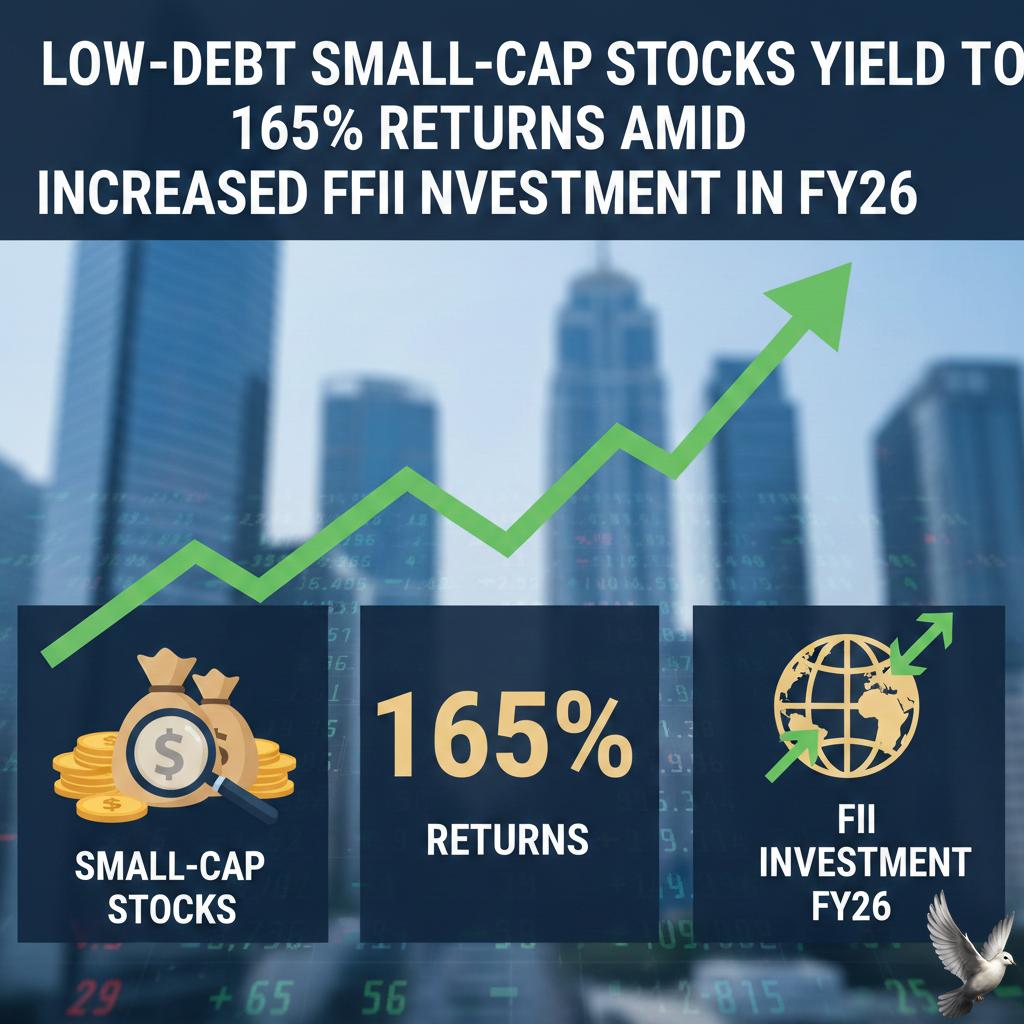
Low-Debt Small-Cap Stocks Yield Up to 165% Returns Amid Increased FII Investment in FY26
Market Brief: February 9, 2026 Global equity markets are showing resilient performance as the second week of February begins. Investors are currently balancing optimistic corporate earnings against a shifting interest rate landscape. While the technology sector has faced recent valuation scrutiny, broader market breadth has improved, with cyclical sectors like energy and materials taking a more prominent leadership role. Global Indices and Equity Trends US markets remain near record territory despite a recent cooling in mega-cap tech momentum. The **S&P 500** is hovering around the **6,937** mark, while the **Dow Jones Industrial Average** has pushed past the **50,195** level. Growth stocks have seen a slight retreat, with the **Nasdaq Composite** trading near **25,078** as investors rotate capital into value-oriented and small-cap segments. In Asia, Indian benchmarks are trading with a bullish bias. The **Nifty 50** is testing the **26,000** psychological barrier, supported by a strong rally in the banking sector. The **Sensex** has climbed to approximately **84,052**, gaining **0.56%** in recent sessions. This upward move is largely driven by institutional buying, with foreign investors turning net buyers for the first time in several months. Banking and Corporate Earnings The financial sector is a primary driver of current domestic strength. The **Nifty Bank** index surged over **750 points** to reach **60,876**, led by a massive **7%** rally in **State Bank of India** shares. This spike followed record-breaking quarterly net profits of **₹21,028 crore**. Across the S&P 500, roughly **59%** of companies have now reported fourth-quarter results. Earnings per share are currently tracking at a **13%** annual growth rate, marking the fifth consecutive quarter of double-digit expansion for the index. Monetary Policy and Inflation Central banks are opting for stability as inflation begins to settle near target ranges. The **Reserve Bank of India** maintained the repo rate at **5.25%** during its February meeting, keeping a neutral stance to allow previous rate cuts to filter through the economy. India’s **CPI inflation** for the current fiscal year is projected at **2.1%**, though it is expected to rise toward **4%** by early **2027**. The **Bank of England** also held its bank rate steady at **3.75%**, even as a significant minority of the committee favored a quarter-point cut. In the US, the **Federal Reserve** continues to hold rates at **3.75%**, with markets pricing in two potential reductions later in the year as inflation stabilizes near **2.7%**. Commodities and Currency Precious metals are experiencing a significant resurgence. **Gold** prices have jumped more than **1%** to trade above **$5,020 per ounce** globally. In domestic markets, **24-carat gold** is retailing near **₹1,56,590 per 10 grams**, recovering sharply from a late-January dip. **Silver** has outperformed, surging to **₹3,00,000 per kg** in retail markets. The **US Dollar Index** has softened slightly to **97.39**, providing a tailwind for commodity prices and emerging market currencies. The **USD/INR** pair is currently trading at **90.39**, reflecting a marginal gain for the Rupee. Energy and Outlook Oil prices remain relatively stable with **Brent Crude** at **$67.20** and **WTI** at **$62.79**. While geopolitical tensions persist, improved supply outlooks have kept prices from breaking higher. Global GDP growth for **2026** is currently projected at **3.3%**, supported by continued investment in digital infrastructure and private sector adaptability.
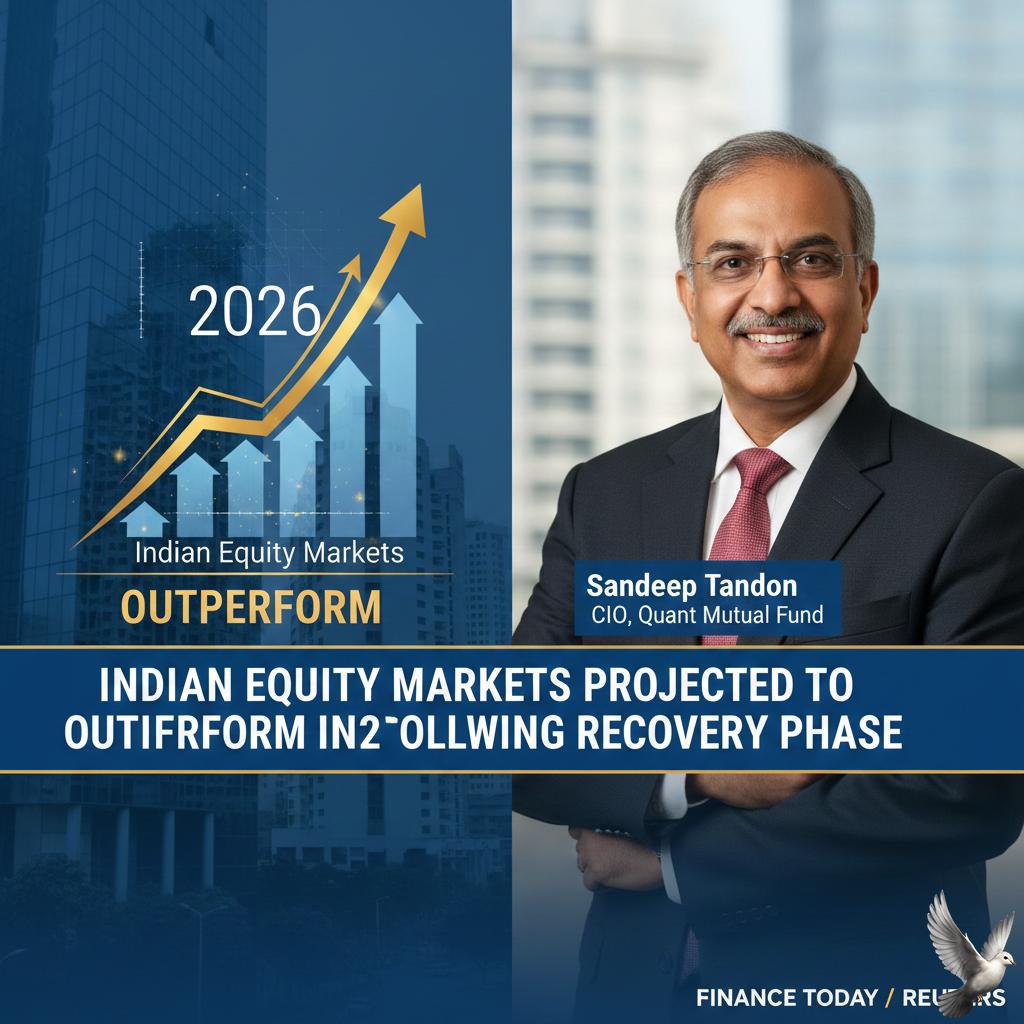
Indian Equity Markets Projected to Outperform in 2026 Following Recovery Phase: Sandeep Tandon
Market Outlook: India 2026 The Indian equity landscape has entered a period of significant strength following the landmark India-US trade agreement reached in early February 2026. This pact, which reduces reciprocal tariffs on key Indian goods from **50%** to **18%**, has effectively cleared the previous overhang of global trade uncertainty. Benchmark indices are currently trading at historic levels. As of February 9, 2026, the **Nifty 50** is holding firm above the **25,850** mark, while the **S&P BSE Sensex** has surged past **84,050**. Market breadth remains overwhelmingly positive, with mid-cap and small-cap indices frequently outperforming frontline stocks, gaining as much as **1.22%** and **2.01%** respectively in recent sessions. Foreign Institutional Investor (FII) behavior is reaching a turning point. After a prolonged period of selling, FIIs have begun returning to the cash market, recently recording net buying of approximately **₹5,236 crore** in a single day. This shift complements the sustained support from Domestic Institutional Investors (DIIs), who have provided a vital cushion with average net inflows of **₹2,639 crore** during volatile sessions. The Indian Rupee has stabilized remarkably, reaching its best level in six years. The currency is currently trading near **₹90.44** against the US Dollar. This strength is supported by a retreating Dollar Index and optimism surrounding the purchase of **$500 billion** in US energy and aviation products over the coming years. The pharmaceutical sector is a primary beneficiary of the new trade dynamics. Revenue growth for Indian pharma is projected at **7% to 9%** for the 2026 fiscal year. While domestic growth remains steady at **8% to 10%**, the export market is bullish, with the total industry value expected to scale toward **$130 billion** by 2030. Consumption themes are being revitalized by cooling inflation, which has averaged roughly **1.8%**. Private final consumption expenditure grew by **7.9%** in the most recent quarter. Sectoral performance reflects this, with the Nifty Consumer Durables index recently jumping **2.66%** as discretionary spending picks up. The IT services sector is transitioning into a crucial role as an AI enabler. Industry revenue is on track to hit the **$300 billion** milestone this year. Approximately **63%** of tech CEOs have projected AI investments to exceed **10%** of their total spending, as the focus shifts from generic services to high-value AI-guided discovery and infrastructure. Overall, India is positioned for clear outperformance. While global markets face structural pressure, the combination of a **4.4%** fiscal deficit target and real GDP growth near **7%** provides a resilient foundation for the 2026 bull cycle.
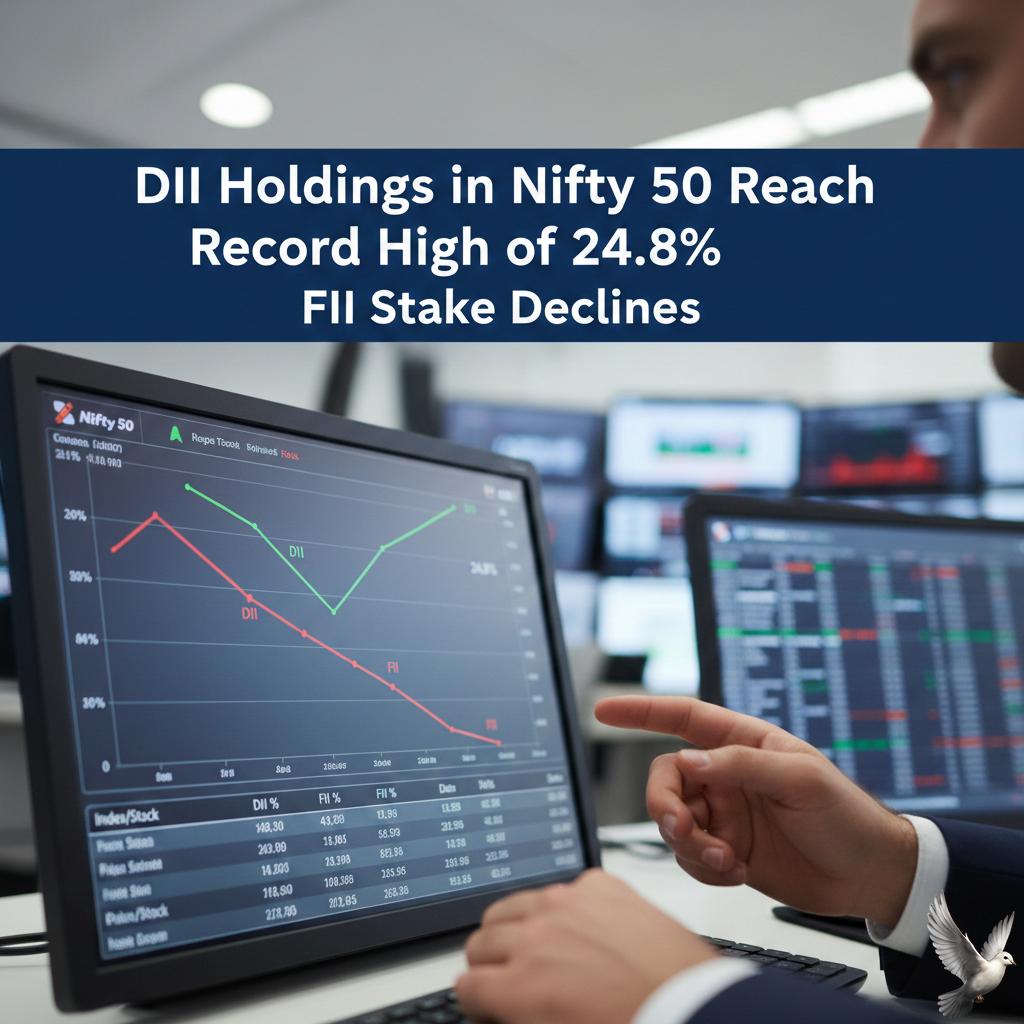
DII holdings in Nifty 50 reach record high of 24.8% as FII stake declines
Domestic institutional investors (DIIs) have achieved a historic milestone by overtaking foreign institutional investors (FIIs) in Nifty 50 ownership for the first time. As of February 2026, DII holdings in the benchmark index have risen to 24.8%, while FII ownership has retreated to approximately 24.3%. This shift marks a significant structural change in the Indian equity landscape. Over the past year, FIIs offloaded nearly 1.6 lakh crore in equities, largely driven by global trade uncertainties and a weakening rupee. However, a sharp reversal in February 2026 has seen foreign funds return as net buyers, contributing 8,129 crore in equity purchases in the first week of the month alone. The resilience of the domestic market is underpinned by record-breaking retail participation. Systematic Investment Plan (SIP) inflows reached 3.34 lakh crore in 2025, providing a consistent liquidity cushion. The total number of demat accounts has now surpassed 21.6 crore, with the mutual fund industry serving over 5.9 crore unique investors. Recent market performance reflects this growing confidence. Following an interim trade agreement between India and the United States, the Nifty 50 surged past the 25,850 mark on February 9, 2026. The Sensex also demonstrated strength, crossing 84,000 points. Positive sentiment was further bolstered by the RBI maintaining a steady interest rate of 2.52% and robust quarterly results from heavyweights like SBI, which hit a record high of 1,137 per share. Ownership patterns across the broader market show that promoter stakes have hit record lows, falling as DIIs expand their influence. Domestic institutions now hold increased stakes in 82% of Nifty 50 companies, with the most significant gains seen in sectors such as retail, automobiles, and healthcare. The Nifty Media index surged over 3.4% in recent sessions, while the Realty and Energy sectors led weekly gains with returns of 7.7% and 7% respectively. Despite high volatility, the market capitalization of BSE-listed firms remains above $5.1 trillion. Current indicators suggest a bullish bias as the India VIX has cooled to around 11.94, signaling reduced investor anxiety. The shift toward domestic dominance is expected to provide long-term stability, reducing the market's historical vulnerability to sudden foreign capital outflows.

Nifty Maintains Positive Bias Amid Global Market Rebound
Indian markets opened the week of February 9, 2026, on a decisively strong note, fueled by a landmark India-US trade agreement and the removal of several penal tariffs. The Nifty 50 surged past the 25,800 mark in early trade, while the Sensex rallied over 500 points, reflecting a sharp improvement in investor sentiment following the weekend's diplomatic breakthroughs. The rally is underpinned by the return of Foreign Institutional Investors (FIIs), who turned net buyers with an inflow of ₹1,950 crore in the most recent session. This shift follows a period of sustained selling and is providing much-needed resilience to the domestic benchmarks. Banking and financial stocks are leading the charge, bolstered by State Bank of India's impressive Q3 results, which saw a 24% year-on-year profit surge to ₹21,028 crore. Technical indicators suggest a constructive "buy on dips" environment. The Nifty faces immediate resistance in the 25,850 to 25,900 range, with a decisive move above 26,000 likely to open the path toward new lifetime highs near 26,300. On the downside, 25,500 remains a crucial support zone, coinciding with major moving averages. Bank Nifty is demonstrating similar strength, trading above 60,500 with potential targets reaching 61,400 in the near term. Sectoral performance remains mixed but largely positive. While the IT sector continues to navigate the "Anthropic shock" and concerns over artificial intelligence developments, exporters in the auto and metal industries are gaining traction due to the new trade framework. Public Sector Undertaking (PSU) banks have emerged as the standout performers, with the PSU Bank Index climbing over 3.5% in early sessions. On the macroeconomic front, India continues to be the fastest-growing G-20 economy. Recent projections from Moody’s place real GDP growth at 6.4% for FY27, while the RBI has nudged its own estimates higher to 7% for the early quarters of the next fiscal year. Easing inflation, which is projected to average 2.1% for the current year, provides the central bank room to maintain its neutral stance, further supporting equity valuations. Investors are keeping a close watch on upcoming US labor data and the domestic release of the new Consumer Price Index (CPI) series on February 12. While overbought conditions may trigger intermittent volatility, the combination of robust domestic liquidity, improving credit growth, and stable corporate earnings continues to support a positive bias for the Indian equity landscape.
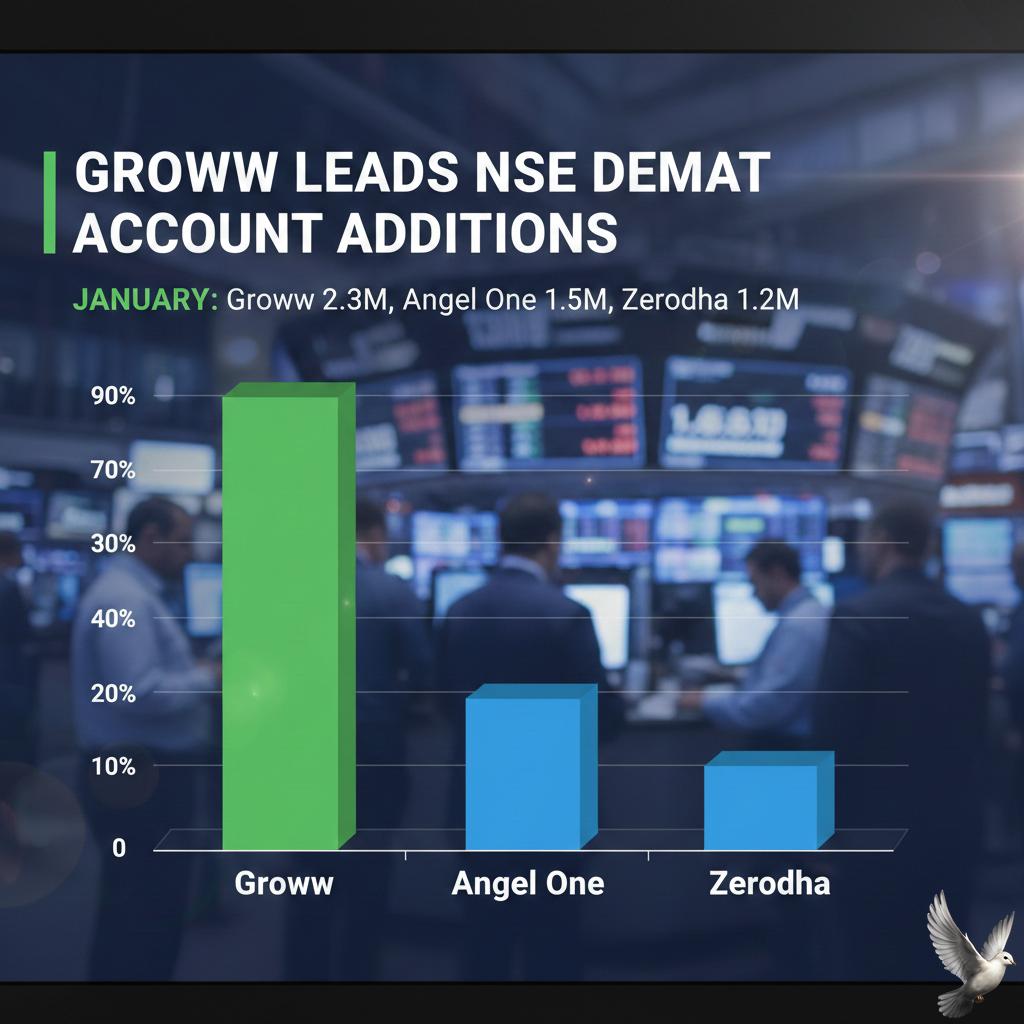
Groww Leads NSE Demat Account Additions Over Angel One and Zerodha in January
India’s retail investing landscape showed a cautious yet steady expansion in January 2026. Active demat accounts grew by approximately 3.02 lakh, bringing the national total to 45.11 million. This modest growth reflects a period of wait-and-watch among retail participants. Market volatility, driven by a high-voltage Union Budget week and shifting global trade policies, has led many to prioritize stability over aggressive trading. Despite the tempered industry pace, Groww continues to dominate the acquisition space. The platform added 3.53 lakh active clients in January alone, surpassing the net growth of the entire industry. This surge pushed Groww’s market share to 27.66%, reinforcing its position as the market leader. Other major players saw a flatter trajectory. Zerodha’s active client base remained nearly stable at 6.86 million with a 15.20% market share. Angel One followed closely with 6.74 million active users, holding a 14.95% share of the market. Market sentiment received a significant boost in early February 2026. A landmark trade deal between India and the US, which included a reduction in reciprocal tariffs from 25% to 18%, triggered a powerful 1,770-point rebound in the Nifty. The India VIX, a key measure of market fear, collapsed from levels above 16 to 12.79. This cooling of nervousness suggests that while retail traders remain selective, the underlying panic has largely evaporated. Institutional activity is providing a necessary cushion. On February 9, 2026, the Nifty 50 opened strong at 25,888.70, while the Bank Nifty climbed to 60,805.20. While Foreign Institutional Investors (FIIs) have turned into net buyers, Domestic Institutional Investors (DIIs) continue to anchor the market through record SIP inflows. Monthly SIP contributions are now regularly crossing the ₹25,000 crore to ₹30,000 crore mark. This structural liquidity is transforming the Indian market, making it more resilient to global shocks and reducing the impact of foreign capital outflows. Economic fundamentals remain a primary driver of long-term confidence. The RBI has maintained the repo rate at 5.25%, signaling a neutral stance. GDP growth for the current fiscal year is projected at a robust 7.4%, supported by a revival in manufacturing and steady private consumption. For the modern investor, the focus has shifted toward disciplined, goal-based wealth creation. While the "runaway bull" phase is yet to fully return, the combination of policy clarity and strong domestic participation is creating a more mature and durable financial ecosystem.

Titan Q3 Preview: 35% Year-over-Year Profit Growth Expected Amid Margin Pressures
TITAN MARKET BRIEF: Q3 FY26 PERFORMANCE Titan Company continues to exhibit exceptional momentum, reporting a substantial 40% year-on-year growth across its consumer businesses for the third quarter of fiscal 2026. This performance was largely propelled by a vibrant festive season and an extended wedding cycle, which sustained demand even as gold prices reached historic highs. The jewellery division remains the primary engine of growth, recording a 41% revenue surge. While buyer additions remained relatively flat due to price sensitivity, the average selling price (ASP) increased significantly. Strategic initiatives, such as Tanishq’s gold exchange programs, were instrumental in maintaining consumer engagement. Notably, gold coin sales nearly doubled, highlighting a strong shift toward gold as a safe-haven investment. Segment Highlights: - Plain gold jewellery grew in the high-thirties. - Studded jewellery delivered its best showing of the fiscal year with mid-twenties growth. - Watches and Wearables rose 13%, led by a 17% jump in analog models. - EyeCare grew 16%, supported by premium international brands and e-commerce. - Women’s bags saw explosive 111% growth, driven by the Fastrack and Irth brands. Titan has aggressively expanded its physical presence, adding 56 net new stores during the quarter to reach a total network of 3,433 outlets. The jewellery segment alone saw 47 new store openings. On the international front, the business surged 81% year-on-year, with new Tanishq locations launching in Boston and Orlando to capture the North American market. Market Data & Valuation: As of February 9, 2026, Titan’s stock (TITAN) is trading near 4,229 INR, reflecting a daily gain of approximately 7%. The stock recently touched a 52-week high of 4,312 INR. With a market capitalization exceeding 3.7 trillion INR and a Price-to-Earnings (P/E) ratio near 90, the company continues to command a premium valuation. While revenue growth remains robust, margins are facing selective pressure. Elevated gold prices and a shift toward lower-margin gold coins versus high-margin studded jewellery have slightly compressed EBIT margins. However, the launch of "beYon"—a new lab-grown diamond brand—indicates a strategic pivot to capture the high-margin, everyday fashion diamond segment. Looking ahead, the outlook for the remainder of FY26 remains positive. The organized jewellery sector is benefiting from a structural shift in consumer trust and transparent pricing, positioning Titan to maintain its market leadership despite commodity price volatility.

Morgan Stanley Identifies AI as Undervalued Segment Within Reliance Industries
The Reliance Industries market outlook remains robust as the conglomerate enters what analysts describe as a major monetization cycle. As of February 9, 2026, the stock is trading near **1,458 INR**, maintaining a steady recovery after a volatile start to the year. The firm continues to list Reliance as a top pick with an Overweight rating. Recent valuation assessments have set a revised price target of **1,847 INR**. This target implies a potential upside of approximately **26%** from current levels. Analysts view 2026 as a pivotal "inflection year," driven by consistent cash generation across its diversified business segments. Financial performance for the third quarter of FY26 shows a consolidated revenue of **2.69 lakh crore INR**, marking a **10.5%** year-on-year increase. While consolidated net profit remained relatively flat at **18,645 crore INR**, the company's consumer-facing verticals continue to show high momentum. Jio Platforms has emerged as a primary growth engine, reporting an EBITDA of **19,303 crore INR**, up **16.4%** year-on-year. This growth is supported by a significant rise in Average Revenue Per User (ARPU) to **213.7 INR** and a 5G subscriber base that has now reached **253 million**. The Retail segment reported revenues of **86,951 crore INR**, benefiting from strong festive demand and an expanding omnichannel presence. Meanwhile, the Oil-to-Chemicals (O2C) division saw revenue rise **8.4%** to **1.62 lakh crore INR**, with EBITDA margins expanding by **60 basis points** to reach **10.2%**. Key triggers for the upcoming quarters include the ramp-up of new energy initiatives, potential digital vertical IPOs, and a refining up-cycle. Technical indicators show the stock finding immediate support at **1,361 INR**, while a breach of the **1,515 INR** resistance level could signal a sharp breakout. Institutional engagement remains high, with the stock consistently ranking among the most actively traded by value on the NSE. Despite global energy market uncertainties, the company's low Debt-to-EBITDA ratio of **1.04** underscores a healthy financial position and the capacity for sustainable long-term growth. [Reliance Industries Stock Analysis](https://www.youtube.com/watch?v=FD7D2GaSJ_U) This video provides a detailed breakdown of Reliance’s latest quarterly earnings and growth drivers across its telecom and retail divisions. http://googleusercontent.com/youtube_content/0

Shipping Corp Shares Rise 14% Following 436% Increase in Q3 Net Profit
Shares of the Shipping Corporation of India (SCI) surged over 16% today, reaching an intraday high of 259.87 on the NSE. This massive rally follows a blockbuster earnings report for the third quarter of FY26, which has shifted market sentiment firmly into a bullish phase. The PSU reported a staggering 440% year-on-year jump in consolidated net profit, which climbed to 405 crore compared to 75.52 crore in the same period last year. Revenue from operations also saw a healthy increase of 22.5%, reaching 1,612 crore. Performance was led by the tanker segment, which remains the company’s primary engine of growth. Revenue from tankers rose 34% to 1,097 crore, contributing nearly 94% of the total operating profit. The bulk carrier segment also showed strength, with revenues rising to 237.5 crore. Investors were further rewarded as the board declared a second interim dividend of 3.50 per share. The record date for this 35% payout is set for February 17, 2026, with payments expected to be processed within 30 days. Strategic expansion remains a key focus for SCI. The company is moving forward with plans to acquire new gas carriers to bolster its long-term capacity. This comes amid broader industry shifts, including the Indian Ports Bill 2026 and new green shipping initiatives aimed at modernizing the national maritime infrastructure. The stock is currently trading above all its major moving averages, including the 50-day and 200-day lines. Technical indicators suggest strong buying interest, with the company's market capitalization now crossing the 12,000 crore mark. Ongoing developments regarding the government's disinvestment process continue to be a focal point for stakeholders. While non-core assets have been successfully demerged into a separate entity, the core shipping business remains well-positioned to capitalize on stable tanker rates and increasing energy transportation demands.

Bank of Baroda Named Top Pick as PSU Banks Show Positive Market Outlook: Pankaj Pandey
Public sector banks are demonstrating significant momentum as the 2026 financial year progresses. Industry analysis indicates a structural turnaround for these institutions, driven by robust balance sheets and improving asset quality. The **NIFTY PSU Bank Index** recently surged **3.44%**, reaching levels around **9,193**. This rally is supported by expectations that combined profits for state-run banks will exceed the **₹2 lakh crore** milestone this fiscal year. Financial authorities report credit growth remains steady at **12%**, while deposit growth holds firm at **10%**. **Bank of Baroda** remains a primary focus for research analysts. The stock is currently trading near **₹289**, with a maintained target price of **₹340**. The bank recently posted a quarterly net profit of **₹5,443 crore**, marking a **4.39%** year-on-year increase. Management has indicated a loan growth guidance of **11–13%** for the year, with potential to exceed the upper end of that range. Key metrics for Bank of Baroda reflect a stabilizing environment: * Gross NPA is at a record low of **2.30%**. * Capital Adequacy Ratio stands at **17.6%**. * Dividend yield is attractive at approximately **2.87%**. The broader banking outlook for the second half of the year is constructive. Net Interest Margins (NIMs), which faced compression earlier, appear to have bottomed out. Analysts expect these margins to widen as the interest rate cycle shifts. Furthermore, the government is exploring policy support such as raising the Foreign Direct Investment (FDI) limit in PSU banks from **20%** to **49%**. **Kotak Mahindra Bank** also shows improving growth visibility. The bank reported a standalone net profit of **₹3,446 crore** for the recent quarter. While the stock has seen gains, trading around **₹422**, the bank recently clarified that it has not submitted a formal financial bid for the **IDBI Bank** disinvestment. Despite this, the easing of acquisition concerns and a strong national footprint of over **2,200** branches keep the outlook positive. Market sentiment is further bolstered by the return of Foreign Institutional Investors (FIIs), who recently recorded net purchases exceeding **₹2,600 crore** in early February. This influx of capital, combined with a resilient domestic economy, provides a stable floor for the banking sector's continued expansion.

**Aye Finance IPO Day 1: Muted Subscription and Weak Grey Market Premium Amid Cautious Brokerage Sentiment**
Aye Finance’s initial public offering (IPO) entered the market with a measured start, reflecting broader caution within the financial services sector. The **Rs 1,010 crore** issue opened for subscription on February 9, 2026, with the bidding window set to close on February 11. Day one subscription data shows an overall coverage of just **3%**. Retail investors led the activity, subscribing to **15%** of their allotted portion, while institutional and non-institutional buyers largely remained on the sidelines. The price band for the offering is fixed between **Rs 122 and Rs 129** per share. At the upper end of this range, the company is valued at approximately **Rs 3,184 crore**. For retail participants, the minimum investment is set at **Rs 14,964** for a lot of 116 shares. Market sentiment is currently mirrored in the grey market, where the premium (GMP) has trended toward **Rs 0**, indicating a potential flat listing. This follows a period where the premium softened from earlier highs of **Rs 7**, suggesting that investors are adopting a "wait and watch" approach. Financially, the lender has shown significant growth, with its Assets Under Management (AUM) rising to over **Rs 6,027 crore** by mid-FY26. Revenue for FY25 reached **Rs 1,504.99 crore**, marking a **40%** increase from the previous year. However, professional investors are closely monitoring asset quality. The Gross Non-Performing Assets (NPA) ratio rose to **4.9%** in the first half of FY26, up from **2.5%** in FY23. Additionally, while revenue climbed, net profit for the same period saw a year-on-year decline of **40%**, totaling **Rs 64.6 crore** due to rising impairment costs. The IPO consists of a fresh issue worth **Rs 710 crore** and an offer for sale (OFS) of **Rs 300 crore**. Notable selling shareholders include global backers like CapitalG, LGT Capital, and Alpha Wave India. The company plans to use the fresh proceeds to bolster its capital base for future lending. This listing comes at a time when the NBFC sector is navigating regulatory shifts and stable interest rates. While credit demand for small businesses remains high, the cautious reception to the Aye Finance IPO highlights a market-wide focus on profitability and credit costs over pure growth metrics. Final allotment of shares is expected by February 12, with the tentative listing on the BSE and NSE scheduled for February 16, 2026.

CleanMax Secures Rs 1,500 Crore From Temasek and Bain Capital in Pre-IPO Round
CleanMax Enviro Energy Solutions has achieved a major financial milestone by securing **1,500 crore** in a pre-IPO funding round. The investment was led by global giants **Temasek** and **Bain Capital**, signaling robust institutional confidence in India's renewable energy landscape. The company is now moving forward with an Initial Public Offering (IPO) targeting a total raise of **5,200 crore**. Shares for the pre-IPO placement were reportedly priced at **1,053 each**, and the official public offer is expected to launch within the next few weeks following recent regulatory approvals. Strategic investors including **360 ONE**, **Steadview Capital**, and several prominent Indian family offices participated in the round. Post-transaction, Temasek and Bain Capital are expected to hold a combined stake of nearly **10%** in the company. CleanMax stands as India’s leading renewable energy provider for the commercial and industrial (C&I) segment. As of mid-2025, the firm managed an operating capacity of **2.54 GW**, with an additional **2.53 GW** of contracted capacity currently under execution. The company's portfolio is heavily geared toward high-growth digital infrastructure. Approximately **40%** of its energy output serves global technology leaders such as Apple, Google, Amazon, and Meta. This focus on data centers is a key driver for growth, as these facilities require massive amounts of round-the-clock clean power. Broader market trends support this expansion. India’s renewable sector is projected to grow at a compound annual rate of **12–15%** through 2030. Rising commercial electricity tariffs and tightening corporate decarbonization targets are pushing more businesses to shift toward green energy. Despite recent volatility in energy stock valuations, the entry of sovereign wealth funds and private equity leaders underscores the long-term value of the C&I model. This capital infusion will allow CleanMax to strengthen its balance sheet and accelerate the commissioning of solar, wind, and hybrid projects across India and Southeast Asia. The upcoming IPO represents one of the largest listings in the Indian clean energy space this year. It highlights a maturing market where private power producers are securing the scale necessary to support India's national goal of reaching **500 GW** of non-fossil fuel capacity by 2030.

Investors Pivot from Technology to Small-Cap Equities amid Market Volatility
Market dynamics have shifted decisively as the new year progresses. Investors are moving capital away from expensive mega-cap technology names and into smaller, domestically focused companies. This "Great Rotation" is driven by a desire for better value and a lower sensitivity to global trade risks. Recent performance data highlights this trend clearly. The Russell 2000 index, which tracks small-cap stocks, surged **5.4%** in January 2026. This represents its strongest monthly start in over a decade. In contrast, the tech-heavy Nasdaq Composite saw a much more modest gain of **0.9%**, while the "Magnificent 7" tech giants managed only **0.5%**. Valuation gaps are a primary catalyst for this movement. Small-cap stocks are currently trading at approximately **18 times** forward earnings. This is a significant discount compared to the S&P 500, which sits near **22 times** earnings. Investors view these smaller firms as a "coiled spring" ready for further growth. Economic conditions are also providing a tailwind. The Federal Reserve's easing cycle in late 2025 brought interest rates down to a range of **3.50% to 3.75%**. Lower rates specifically benefit smaller companies, which often carry higher levels of floating-rate debt and rely on affordable borrowing to fuel expansion. Sector performance reflects a broadening market rally. Energy and Materials have led the way with gains of **14.2%** and **8.6%** respectively. Industrials are also seeing renewed interest as manufacturing data improves. Meanwhile, the Information Technology sector has struggled, falling **1.6%** in recent weeks as the AI-driven frenzy faces increased scrutiny. Volatility remains a factor in the background. The VIX "fear gauge" spiked above **20** in late January due to geopolitical tensions and policy uncertainty. However, market breadth remains healthy, with roughly **65%** of S&P 500 components outperforming the broader index. This suggests the current rally has a more sustainable foundation than the narrow, tech-led growth of previous years. Earnings expectations for 2026 further support the shift. Analysts project that small-cap earnings could grow by as much as **17% to 22%** this year. This would significantly outpace the **14%** growth expected for large-cap firms, narrowing the profit gap that has favored big tech for so long.
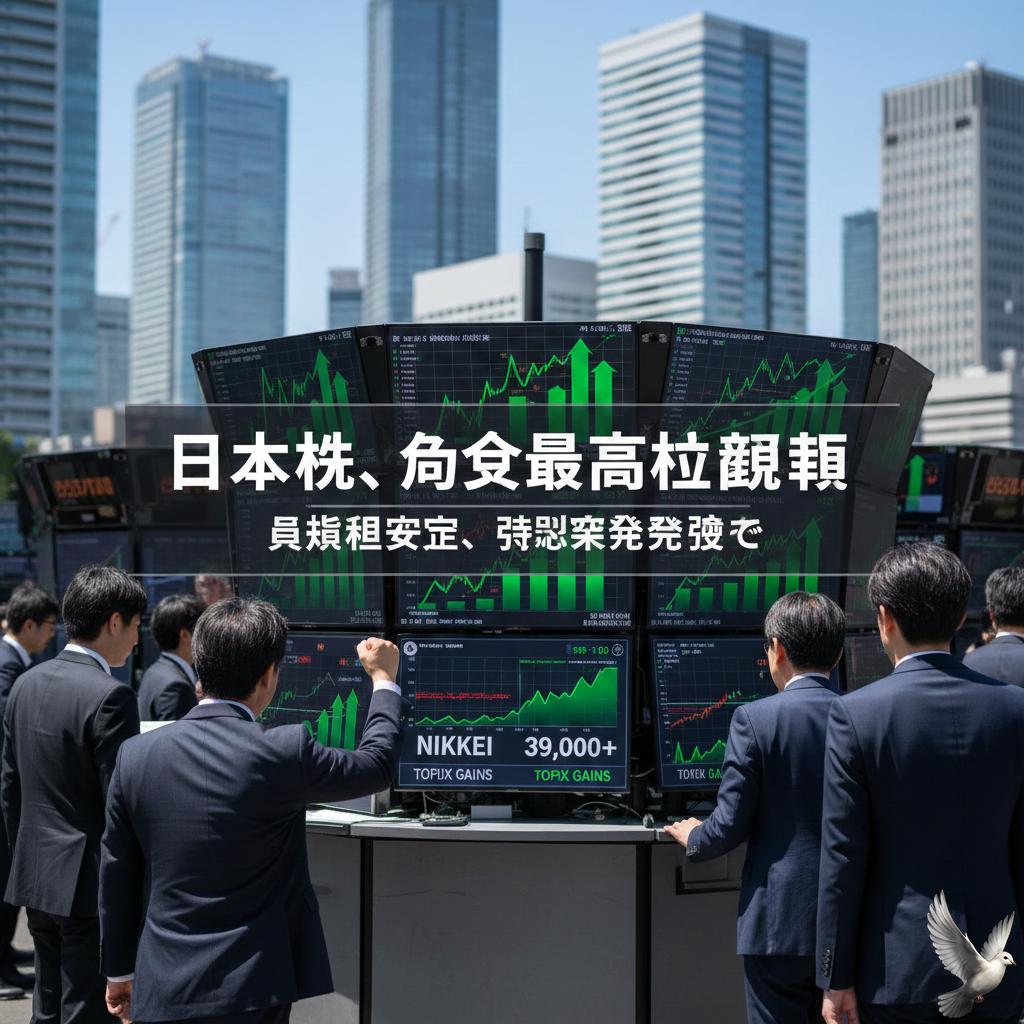
Japan Stocks Reach Record High as Long-Term Yields Stabilize Following Stimulus Proposal
Prime Minister Sanae Takaichi has secured a historic supermajority in the February 2026 snap elections, triggering a powerful "Takaichi trade" across global markets. Her Liberal Democratic Party (LDP) won 316 of 465 seats, providing an absolute mandate to pursue a high-pressure economic agenda centered on aggressive fiscal spending and strategic tax relief. Japanese equities responded with an explosive rally. The Nikkei 225 surged 5.7% on February 9 to reach an unprecedented record high of 57,337 points. The broader Topix index followed suit, climbing 3.4% to hit a fresh peak of 3,825. Growth was spearheaded by technology, defense, and semiconductor sectors, which are the primary beneficiaries of the administration’s targeted investment plans. The bond market experienced significant volatility as investors weighed the impact of increased debt issuance. Yields on 10-year Japanese Government Bonds (JGB) climbed to 2.27%, while short-term 2-year yields reached a 30-year high of 1.3%. However, the super-long end of the curve remained relatively stable, as the decisive election victory reduced the need for the government to bargain for even more expensive fiscal concessions from opposition parties. Currency markets saw a dramatic reversal in early trading. After initially sliding to a two-week low of 157.95 against the U.S. dollar and hitting all-time lows against the Swiss franc, the yen rebounded sharply. Strength returned following stern warnings of government intervention, with the currency recovering to approximately 156.65 per dollar as of midday Monday. Looking ahead, the Takaichi administration faces the dual challenge of managing Japan’s record debt-to-GDP ratio while addressing cost-of-living pressures. With food prices having doubled over the last year, the Prime Minister’s pledge to temporarily suspend the 8% food tax remains a central focus for both households and institutional investors. [Landslide victory for PM Takaichi](https://www.youtube.com/watch?v=1-DyW_Mk8i4) This video provides a professional breakdown of the election results and the immediate surge in the Nikkei and Topix indices. http://googleusercontent.com/youtube_content/0