Bullish News
Collection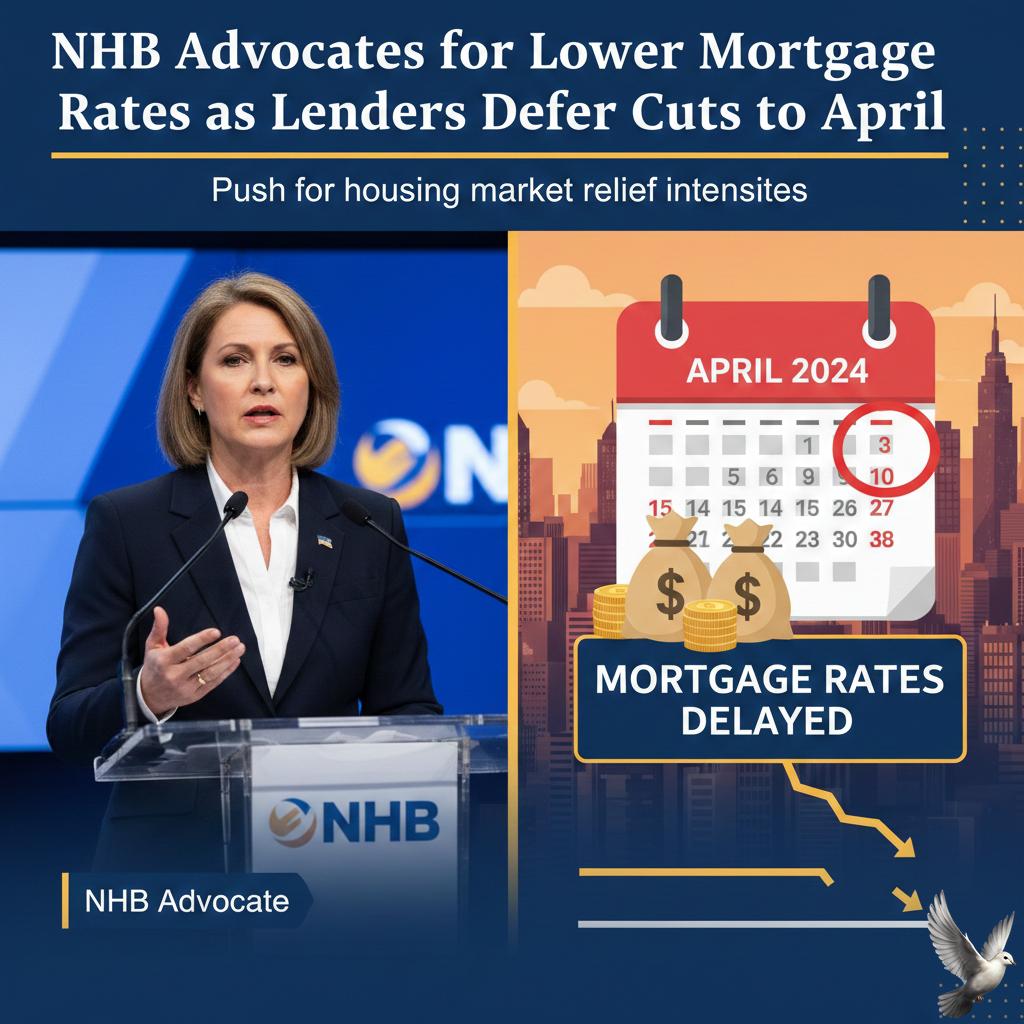
NHB Advocates for Lower Mortgage Rates as Lenders Defer Cuts to April
Market Brief: Housing Finance Sector Trends The National Housing Bank (NHB) is actively pressuring Housing Finance Companies (HFCs) to lower lending rates and improve transmission to existing borrowers. This move follows a significant **125 basis point** reduction in the central bank repo rate over the past year. While the repo rate currently sits at **5.25%**, the NHB has observed that HFCs are raising funds at lower costs from markets and refinance schemes but are not yet passing these benefits to the retail level. Delayed Implementation Most mortgage lenders are deferring substantial rate cuts until **April 2026**. This delay is attributed to the scheduled annual review and reset of internal benchmarks. HFCs argue that meaningful downward movement in interest rates will only occur once the Marginal Cost of Funds Based Lending Rate (MCLR) reset takes place in the new financial year. Initial Market Responses Despite the general delay, some early movers have responded to the regulator's nudge with minor adjustments effective this February: * Aadhar Housing Finance reduced its retail prime lending rate by **15 basis points** to **17.50%**. * Aavas Financiers announced a similar **15-basis-point** cut, effective **March 1, 2026**. * NHB's own Prime Lending Rate (PLR) was recorded at **7.50%** as of **February 1, 2026**. Sector Performance and Exposure The HFC sector currently holds roughly **20%** of India's mortgage market. However, market share has seen a slight decline to **18.8%** as of early 2026, primarily due to the conversion of some HFCs into Non-Banking Financial Companies (NBFCs). Outstanding loans in the sector stood at approximately **₹9.59 lakh crore** by the end of the last fiscal year. Housing loans remain the dominant focus, accounting for **73.8%** of the total credit extended by these institutions. Regulatory and Economic Context The RBI recently maintained a neutral stance, keeping the repo rate unchanged at **5.25%** in its February meeting to balance growth with a projected inflation of **2.1%**. For borrowers, current floating-rate home loans across the broader market are typically ranging between **7.10%** and **8.50%**, depending on credit scores and lender types. The NHB continues to leverage its role as a key refinance provider to ensure that the sharp fall in wholesale funding costs—with refinance rates near **7%**—reaches the end consumer to support housing affordability.
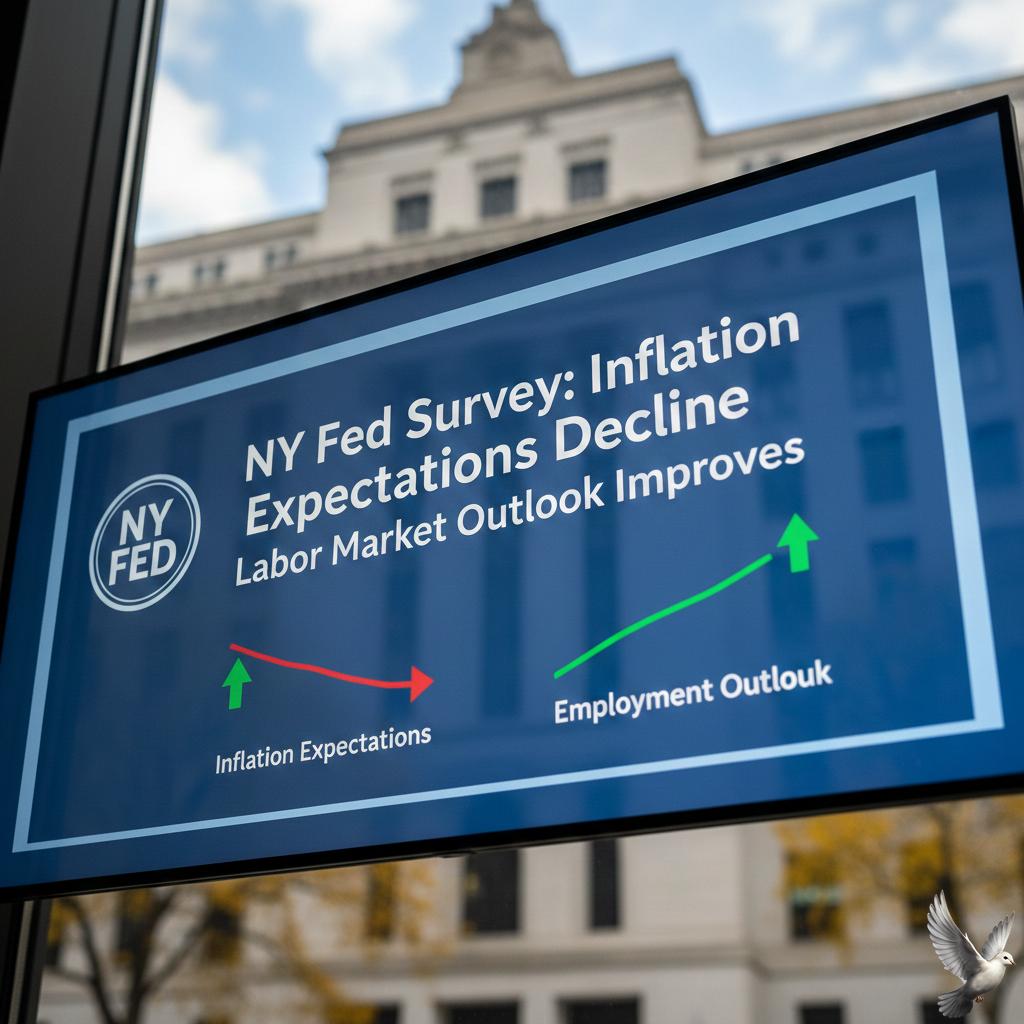
NY Fed Survey: Inflation Expectations Decline as Labor Market Outlook Improves
**US MARKET BRIEF: CONSUMER SENTIMENT AND LABOR TRENDS** US households are signaling a pivot toward cautious optimism as 2026 begins. A primary Federal Reserve report released on **February 9, 2026**, indicates that short-term inflation expectations have declined to **3.1%**, down from **3.4%** in the previous month. This marks a significant cooling in price anxiety, though medium- and long-term expectations remain anchored at **3.0%**, still slightly above the central bank’s **2%** target. Labor market confidence is also showing resilience. The perceived risk of job loss fell to **14.8%** in January, while the probability of finding a new position within three months improved to approximately **46%**. Expected earnings growth has ticked up to **2.7%**, providing a modest cushion against living costs. **Key Economic Indicators** * **One-Year Inflation Forecast:** **3.1%** (down from **3.4%**) * **Unemployment Rate:** Held steady at **4.4%** as of the latest December data * **Household Income Growth:** Median expectations sit at **2.9%** * **Consumer Sentiment Index:** Rose to **57.3** in February, the highest level since August 2025 Despite the improved outlook, consumers remain wary of specific cost pressures. Expectations for gas price increases dropped sharply to **2.8%**, and rent growth projections cooled to **6.8%**. However, the cost of medical care and college education remains a concern, with expected price hikes of **9.8%** and **9.0%** respectively. The Federal Reserve is monitoring these shifts closely. Stabilizing labor expectations and cooling inflation forecasts supported the decision to hold interest rates steady following three consecutive cuts at the end of 2025. While households feel more secure, they also report that credit is becoming harder to obtain, suggesting a tightening in financial conditions that may temper future spending. This "low-hire, low-fire" equilibrium in the job market, combined with a gradual descent in inflation, provides the Fed with a narrow path to support growth without reigniting price surges. Markets are now focused on upcoming employment data to confirm if this stabilization can be sustained through the first half of the year.

Mukul Agrawal Acquires Stake in Tracxn Technologies via Bulk Deal
Smallcap Market Brief: Bulk Deal Surge High-net-worth investor Mukul Agrawal initiated substantial positions in two smallcap entities on **February 9, 2026**, signaling a potential shift in sentiment for the battered segment. The ace investor acquired **20 lakh shares** each in Tracxn Technologies and Laxmi India Finance through separate bulk deals, committing a combined capital of approximately **Rs 25.11 crore**. Tracxn Technologies: Bottom Fishing in Data Tech Agrawal’s entry into Tracxn Technologies involved the purchase of **20 lakh shares** at an average price of **Rs 33 per share**, valued at **Rs 6.6 crore**. This acquisition represents roughly **1.88%** of the company’s equity. The move comes as the stock attempts to recover from a prolonged slump. Despite a **9.75%** jump to **Rs 34.32** following the deal, Tracxn remains a heavy market laggard. The stock has eroded over **50%** of its value in the last **12 months** and is down **14%** in **2026** alone. Financially, the company faces significant headwinds. In **Q3 FY26**, net sales dropped to **Rs 21.04 crore**, while operating losses widened to **Rs 1.70 crore**. The current market capitalization stands at approximately **Rs 366 crore**, with the price currently trading near its all-time lows. Laxmi India Finance: High-Stakes NBFC Entry The investment in Laxmi India Finance was considerably larger, with Agrawal picking up **20 lakh shares** at **Rs 92.55 each**, totaling **Rs 18.51 crore**. This gives him a **3.83%** stake in the non-banking financial company (NBFC). Market reaction was immediate, as the stock surged **10%** to close at **Rs 100.50**. However, the recovery is relative to a steep decline; the stock is still trading **58%** below its **July 2025** IPO issue price of **Rs 150–Rs 158**. Laxmi India Finance operates a network of **139 branches** across four states, focusing on MSME and vehicle loans. While it maintains a healthy **Return on Equity (ROE)** of **15.67%**, it has struggled with negative operating cash flows and a recent uptick in non-performing assets. Broader Smallcap Context These deals occurred on a day of broad-based recovery for the Indian markets. While the Nifty 50 rose **0.68%**, the smallcap index outperformed with a **2.6%** gain. Investor interest in these specific counters suggests a "contrarian" approach, targeting companies where valuations have been compressed significantly below their listing or historical peaks. The market capitalization for Laxmi India Finance currently holds at **Rs 535 crore**, positioning it as a key micro-cap play in the evolving credit cycle of **2026**.
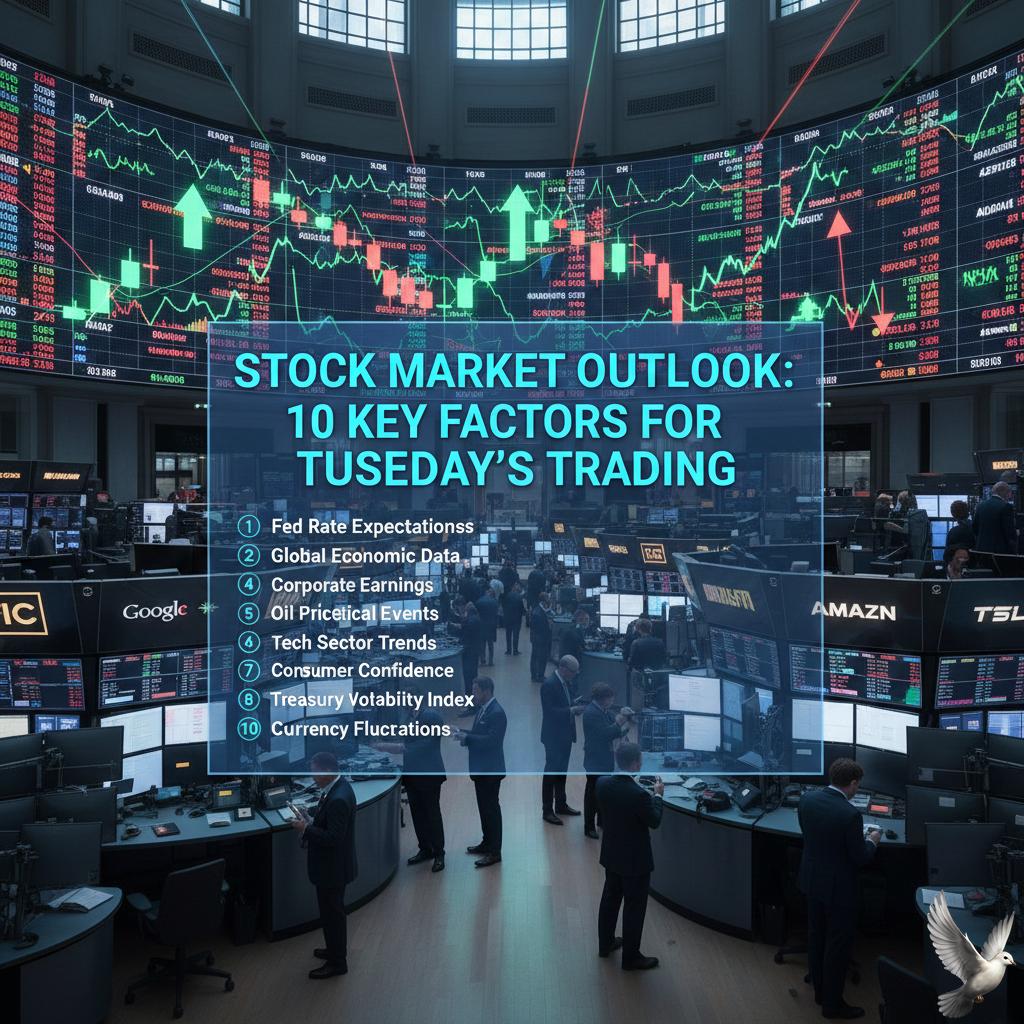
Stock Market Outlook: 10 Key Factors for Tuesday's Trading
Indian equity benchmarks extended their winning streak for a second consecutive session on **February 9, 2026**, as market sentiment surged on the back of a landmark interim trade agreement between India and the United States. The deal, which reduces tariffs on Indian goods from **55% to 18%**, has sparked broad-based buying across export-oriented and domestic consumption sectors. The **Nifty 50** index climbed **173.60 points (0.68%)** to settle at **25,867.30**, having reached an intraday high of **25,922.25**. The **Sensex** mirrored this strength, jumping **485.35 points (0.58%)** to reclaim the **84,000** mark and close at **84,065.75**. Midcap and smallcap indices outperformed the frontliners, with the **Nifty Smallcap 100** surging over **2.6%**. Sectoral performance was led by **PSU Banks**, which rallied **3.34%**, followed by **Consumer Durables** at **3.60%** and **Realty** at **2.61%**. **State Bank of India (SBI)** emerged as a top performer, rising **7.46%** following strong quarterly results. Other significant gainers included **Shriram Finance (+6.00%)** and **Titan (+2.82%)**, while the **Nifty Media** index topped the sectoral charts with a **4.37%** gain. The technical structure for the **Nifty 50** remains constructive as it trades above its **20-day** and **100-day** exponential moving averages. Immediate support is now established at the **25,550–25,600** zone. On the upside, the index faces a psychological hurdle at **26,000**, with heavy call writing noted in the **25,900–26,000** band. A decisive breach above this level could clear the path toward **26,300**. Broader economic indicators reinforce the current market optimism. **Goldman Sachs** recently upgraded India’s **2026** GDP growth forecast to **6.9%**, citing the impact of lower US tariffs and a cooling current account deficit, projected at **0.8%** of GDP. Additionally, **Moody’s** anticipates India will remain the fastest-growing **G-20** economy in the upcoming fiscal year with a growth rate of **6.4%**. Foreign Institutional Investors (**FIIs**) have turned net buyers, injecting **1,950.77 crore** in a single session, while domestic liquidity remains robust through consistent inflows. The **India VIX** settled at **12.19**, reflecting a stable volatility environment. In the currency market, the **Rupee** strengthened to **90.68** against the US dollar, benefiting from eased depreciation pressures following the trade deal announcement.

SEBI Considers Reducing Minimum Investment for Social Impact Funds to Increase Retail Participation
The Securities and Exchange Board of India (Sebi) has proposed a major overhaul of the Social Stock Exchange (SSE) framework. The move aims to dismantle high entry barriers for retail investors and accelerate fundraising for Not-for-Profit Organisations (NPOs). A central pillar of this proposal is the drastic reduction of the minimum investment threshold for social impact funds. Sebi plans to slash this requirement from **Rs 2 lakh** to just **Rs 1,000**. This shift is designed to align social fund investments with the existing application size for Zero Coupon Zero Principal (ZCZP) instruments, effectively democratizing access to social impact investing. **Market Context and Performance** The SSE ecosystem has seen steady growth since its inception. As of late 2025, more than **120 non-profits** have registered across the NSE and BSE platforms. Early success stories include the Swami Vivekananda Youth Movement, which raised **Rs 48.06 crore**, and the SGBS Unnati Foundation, which raised **Rs 2 crore**. To date, various NPOs have collectively raised over **Rs 22 crore** using ZCZP instruments to fund projects ranging from rural education to tribal healthcare. **Proposed Operational Changes** Beyond investment limits, the regulator is seeking to ease operational pressures on social enterprises. Key proposals include: - Extending the registration validity for NPOs from **two years to three years**, allowing more time to launch fundraising campaigns. - Lowering the minimum subscription requirement for ZCZP issuances to ensure smaller NGOs can successfully close their funding rounds. - Expanding the definition of eligible NPOs to include a wider range of charitable trusts and societies. **Broader Investment Trends** This regulatory push comes as India’s retail investor base hits record highs, reaching approximately **119 million** unique registered investors. While much of this liquidity has recently flooded the derivatives market—where total losses for individual traders hit **Rs 1.05 trillion** in FY25—Sebi is attempting to pivot this retail energy toward productive social capital. The social impact fund category within Alternative Investment Funds (AIFs) currently holds commitments of approximately **Rs 1,707 crore**. By lowering the entry point to **Rs 1,000**, the regulator expects to tap into the growing "donative" mindset of younger investors who seek social returns alongside portfolio diversification. **Outlook for Social Finance** The proposed changes reflect a strategic shift to make the SSE a mainstream fundraising tool rather than a niche platform for high-net-worth individuals. By simplifying the onboarding process and reducing the cost of participation, the framework aims to bridge the estimated **USD 4 trillion** annual financing gap required to meet sustainable development goals. The market now awaits the finalization of these norms following the public consultation phase, which is expected to catalyze a new wave of listings in the upcoming fiscal quarters.

Eli Lilly to Acquire Orna Therapeutics for $2.4 Billion to Advance Cell Therapy Development
Eli Lilly (NYSE: LLY) has officially entered into a definitive agreement to acquire Orna Therapeutics in a deal valued at up to $2.4 billion in cash. This strategic move, announced on February 9, 2026, marks a significant expansion for the pharmaceutical giant as it diversifies its portfolio beyond its dominant obesity and diabetes treatments. The acquisition targets Orna’s proprietary "circular RNA" platform. Unlike traditional linear mRNA, circular RNA is engineered for greater stability and durability within the body. This technology enables a patient’s own cells to act as a "bioreactor," generating therapeutic proteins in situ. By reprogramming cells internally, Lilly aims to bypass the costly and logistically intensive process of extracting, modifying, and re-infusing cells required by current CAR-T therapies. Market reaction has been positive, with Eli Lilly shares rising over 2% in early trading following the news. As of today, Lilly maintains a massive market capitalization of approximately $1.0 trillion, with the stock trading near $1,080. The company reported a 44.7% revenue increase over the past year, reaching $65.18 billion, providing ample liquidity for this $2.4 billion cash investment. The focal point of the deal is Orna’s lead program, ORN-252. This is a clinical trial-ready in vivo CAR-T therapy designed to treat B cell-driven autoimmune diseases. By utilizing lipid nanoparticles (LNPs) to deliver circular RNA directly to the immune system, the treatment could offer a "redosable" and "off-the-shelf" solution for patients who currently have limited options. This acquisition arrives as the broader RNA therapeutics market is projected to grow from $27.1 billion in 2025 to over $103 billion by 2035. The shift toward in vivo engineering is viewed by analysts as the "next generation" of cell therapy, potentially reducing the extreme price tags and complex manufacturing bottlenecks that have hindered the adoption of first-generation gene therapies. For Eli Lilly, the deal represents a calculated bet on immunology and oncology. While the company continues to see surging demand for its GLP-1 drugs, Mounjaro and Zepbound, this $2.4 billion commitment secures a leading position in the emerging field of programmable medicines. The transaction includes an immediate upfront payment and subsequent milestone-based rewards as Orna’s pipeline advances through clinical stages.

UK Financial Conduct Authority to Implement Consolidated Tape for Equities
The UK Financial Conduct Authority (FCA) has launched a strategic intervention to correct a significant under-reporting of market liquidity in London. This move follows a period of intense pressure where several high-profile companies shifted their primary listings to New York, citing the deeper capital pools of the United States. Market data suggests the "liquidity gap" is largely a reporting issue rather than a lack of activity. Between January and September 2025, the FCA estimated there were roughly 540 million transactions in UK shares. However, traditional public data feeds only captured 270 million of those trades. This means nearly 50% of the market’s true volume has been invisible to the public eye. To resolve this, the regulator is mandating the publication of all trading data, including activity from "dark pools"—private venues used by institutional investors to trade large blocks without immediate price impact. This transparency drive serves as an interim bridge toward a full "consolidated tape," a real-time data feed expected to launch in 2026 that will unify pricing from all UK trading venues. The broader UK market showed resilience at the start of 2026. The FTSE 100 hit the 10,000 mark for the first time in January, recently trading around 10,369. This performance has been supported by a recovery in the financial and mining sectors. The FTSE 250 has also seen gains, hovering near 23,129 as investor confidence stabilizes. Capital raising in London is seeing a significant rebound. In January 2025 alone, London saw £3.8 billion in equity capital raised, a 182% increase compared to the same period in the previous year. London currently ranks as the second-largest exchange globally for equity capital raised so far this year, trailing only the NASDAQ. The FCA’s goal is to prove that London remains a premier global hub. By exposing the "hidden" liquidity in dark pools and over-the-counter trades, the watchdog aims to lower the cost of capital for listed firms and reassure investors that the UK market is far more active and liquid than previously perceived.
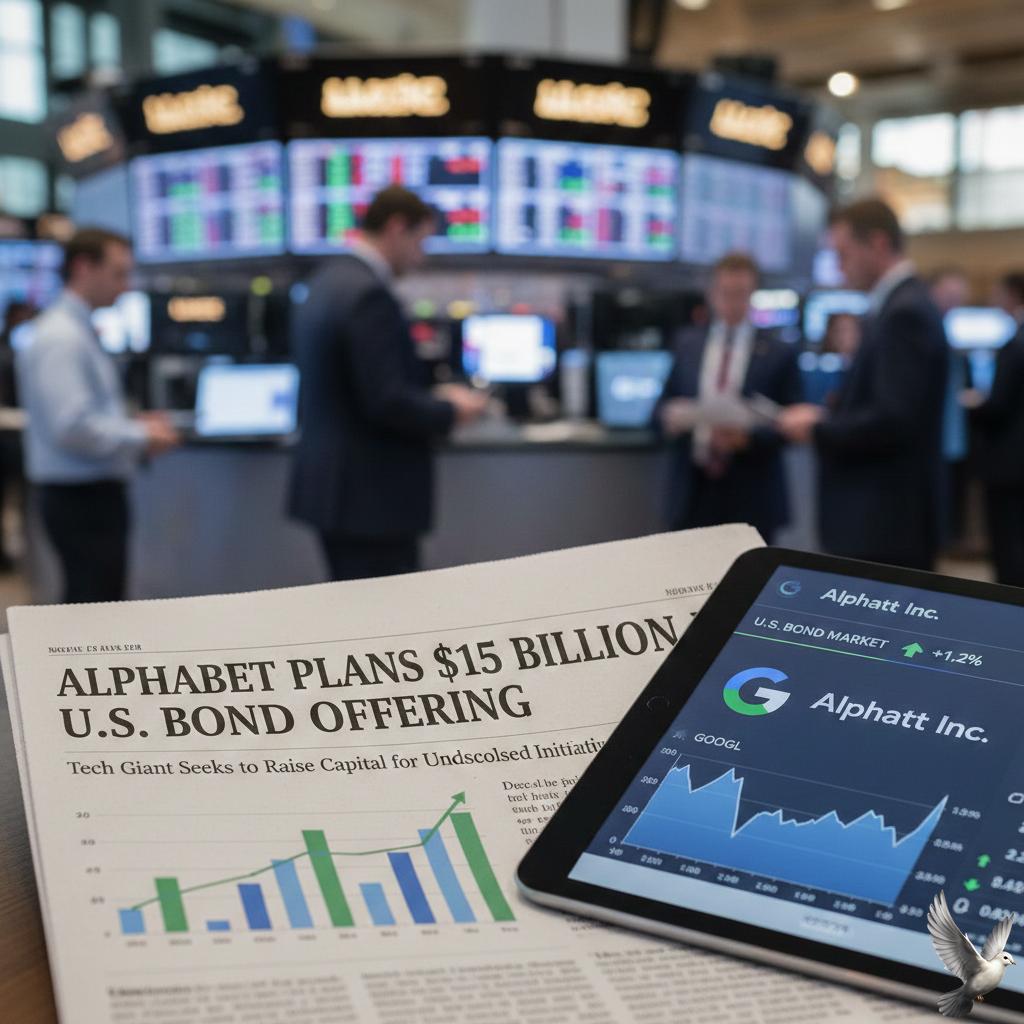
Alphabet Reportedly Plans $15 Billion U.S. Bond Offering
Alphabet has initiated a massive debt offering to fuel its aggressive expansion into artificial intelligence and cloud infrastructure. The technology giant is seeking to raise approximately $15 billion through a seven-part U.S. dollar bond sale. This move follows the company’s recent financial results for the 2025 fiscal year, where Alphabet reported record annual revenues exceeding $400 billion. Despite a robust cash position of $126.8 billion in cash and marketable securities as of December 31, the company is tapping debt markets to preserve liquidity for a historic capital expenditure cycle. Management has signaled that 2026 capital investments will reach a staggering range of $175 billion to $185 billion. These funds are primarily earmarked for the development of Gemini 3 models, the expansion of high-priced AI chip inventories, and the construction of global data center networks. The bond offering is structured in multiple tranches to attract a broad base of institutional investors. Early pricing discussions for the 40-year portion of the deal suggest a premium of roughly 1.2 percentage points over U.S. Treasuries. This pricing reflects Alphabet’s strong credit profile, even as its long-term debt has grown to roughly $46.5 billion. Market conditions for high-grade corporate debt remain favorable. The current yield on investment-grade bonds sits near 4.81%, with spreads over Treasuries remaining historically tight at 0.76%. Alphabet is capitalizing on this window of stability before potential interest rate volatility later in the year. Investor sentiment remains cautiously optimistic. Following the bond sale announcement, Alphabet’s stock saw renewed interest as the market weighed the company's 32% earnings growth against the immense costs of the AI arms race. The company’s market capitalization currently hovers near $3.9 trillion. This $15 billion issuance is part of a broader trend among "hyperscalers." Industry peers including Amazon, Meta, and Microsoft are collectively projected to invest nearly $700 billion in capital expenditures this year. By securing low-cost debt now, Alphabet aims to maintain its leadership in generative AI while navigating a period of significant cash flow pressure. The successful execution of this sale will provide the immediate liquidity needed to scale Google Cloud, which ended 2025 with an annual revenue run rate of over $70 billion. This aggressive financing strategy underscores the transition of AI from a research initiative to a capital-intensive industrial phase.

Muthoot Microfin Q3 Profit Increases on Lower Provisions and Costs
Muthoot Microfin has recorded a significant financial turnaround in its latest quarterly results, with net profit surging more than sixteenfold. The company reported a bottom line of 62.4 crore, a massive leap from the 3.8 crore recorded in the same period last year. This performance reflects a robust recovery as the lender successfully navigated previous industry-wide headwinds. The surge in profitability was primarily driven by a sharp reduction in credit costs and provisions. Absolute provisions fell to 106 crore, down from 164 crore a year ago. Credit costs for the quarter were contained at 3.3%, significantly outperforming the management’s earlier fiscal guidance of 4% to 6%. Asset quality showed consistent improvement throughout the period. The gross non-performing assets (GNPA) ratio declined to 4.4%, down from 4.6% in the preceding quarter. This steady enhancement in the loan book suggests that the microfinance sector in India is emerging from a period of high delinquency, moving toward a more sustainable growth trajectory. Operational metrics remained healthy with a 5.4% year-on-year growth in the gross loan portfolio, which now stands at 13,079 crore. Net interest margins (NIM) also edged higher, reaching 12%—an increase of 11 basis points from the previous quarter. This margin expansion indicates efficient capital management and improved yield on advances. In the equity markets, the stock has reflected this optimism with a valuation shift from "expensive" to "fair." Shares recently closed near 180.85, marking a weekly gain of approximately 1.74%. Analysts maintain a cautiously optimistic outlook as the company's price-to-book ratio sits at a more attractive 1.14, balancing recent volatility with improved fundamental performance. The broader microfinance landscape continues to stabilize, supported by rising financial inclusion. The RBI’s Financial Inclusion Index has climbed to 67.0 in 2025, up from 64.2 the previous year. While some regional challenges persist in specific states like Bihar, leading players like Muthoot Microfin are benefiting from a shift toward high-quality lending and improved borrower repayment discipline.
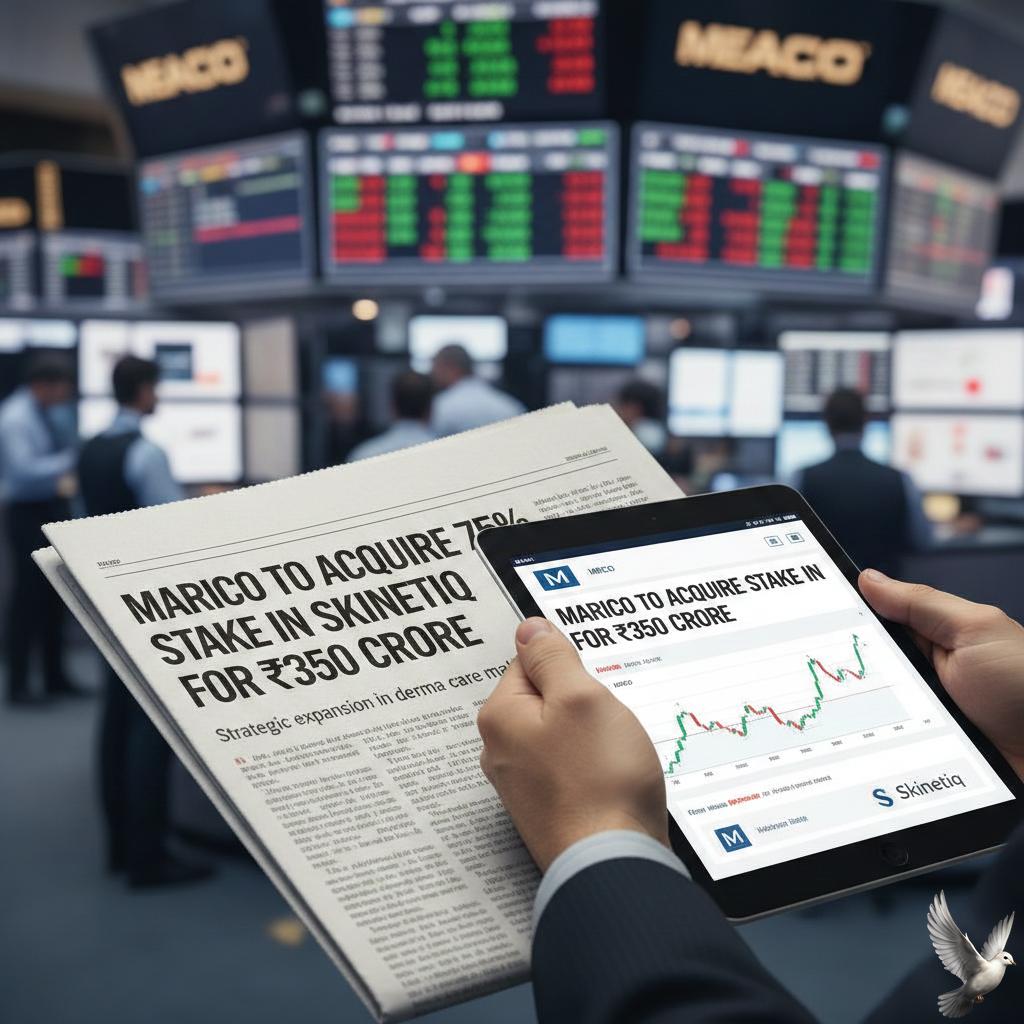
Marico to acquire 75% stake in Skinetiq for ₹350 crore
Marico has officially moved to acquire a 75% stake in the Ho Chi Minh City-based beauty firm Skinetiq. The deal is based on an equity valuation of 350 crore INR, with a total cash consideration of approximately 261.6 crore INR (750 billion VND) to be paid in two tranches. The acquisition strengthens Marico’s international direct-to-consumer (D2C) portfolio in Vietnam, a priority market where beauty consumption via e-commerce and social commerce has surged to 50%. Marico retains the option to acquire the remaining 25% stake after FY28, contingent on the achievement of specific performance milestones. Skinetiq has demonstrated high-velocity growth, with revenues climbing from 45 crore INR in CY23 to 152 crore INR in CY25. The company maintains a healthy profit profile with EBITDA margins in the mid-twenties. Its portfolio includes the digital-first skincare brand "Candid" and exclusive Vietnamese distribution rights for the global luxury clinical brand "Murad." The broader Vietnam cosmetic market was valued at 1.7 billion USD in 2024 and is projected to reach 2.8 billion USD by 2032. This expansion is supported by a 6.7% CAGR and a young, urban middle class that increasingly prioritizes premium skincare. Online beauty sales in the region grew by 22% in the last year alone, driven by heavy engagement on platforms like TikTok Shop and Shopee. For Marico, this move aligns with a robust Q3 performance where international revenues rose 24% year-on-year in rupee terms. The Vietnam business specifically rebounded with a 22% constant currency growth rate during the same period. The company’s digital-first portfolio is now on track to cross an annual revenue run rate (ARR) of 1,000 crore INR by the end of FY26. This strategic entry into Vietnam's premium segment follows Marico's recent domestic expansions, including investments in plant-based protein and gourmet snacking. The company aims to scale its international "Premium Personal Care" and digital brands to represent a significantly larger portion of its 10,831 crore INR annual revenue base by FY27.
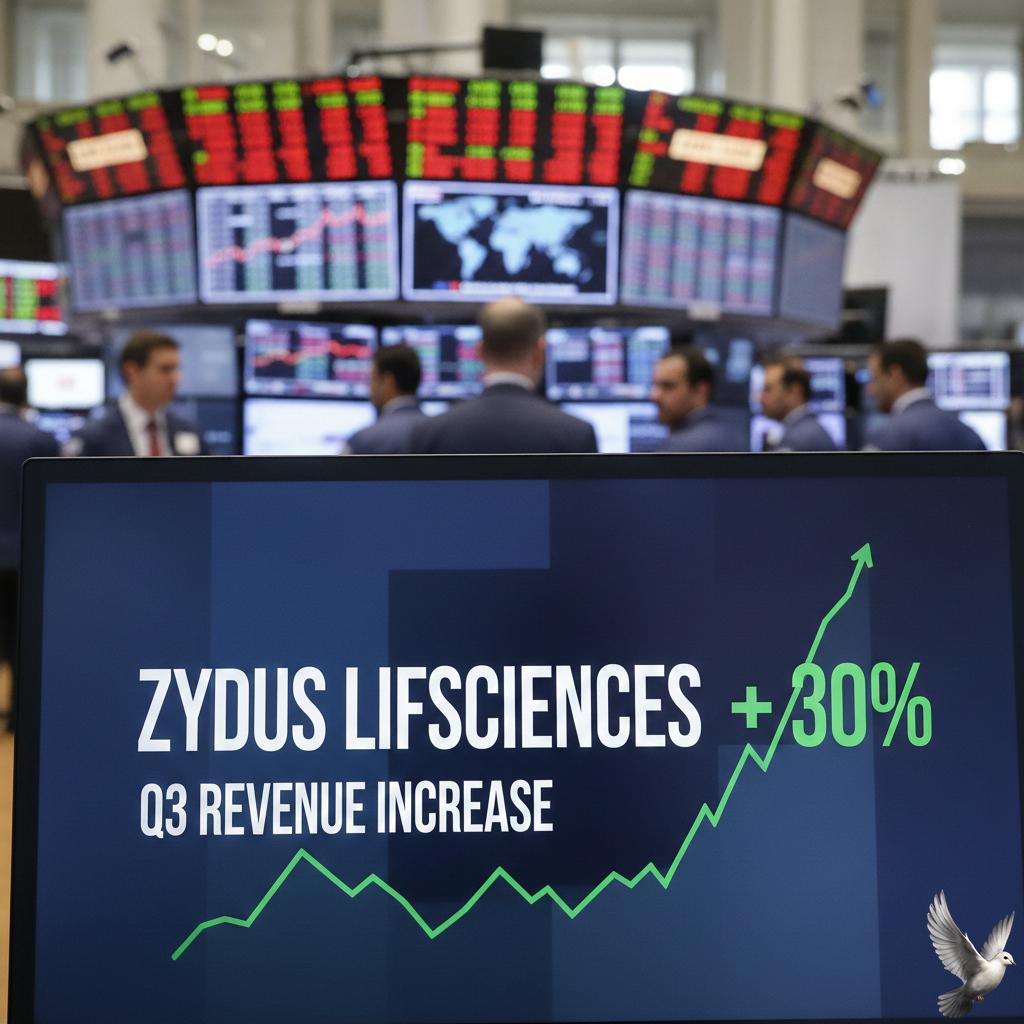
Zydus Lifesciences Q3 Revenue Increases 30%
Zydus Lifesciences has demonstrated significant operational momentum in its latest third-quarter results, headlined by a massive 30% surge in consolidated revenue. The top-line figure reached 6,864.5 crore, comfortably surpassing market estimates. This growth was fueled by explosive performance in the consumer wellness segment and steady gains in North American markets. The consumer wellness business emerged as a primary growth engine, with revenues more than doubling to 958 crore. This 113% year-on-year increase was largely driven by the strategic integration of Comfort Click Limited. The pharmaceutical division also remained robust, growing 18% to reach 5,523 crore, supported by a 13% rise in the India formulations business and 16% growth in North America. Operational efficiency remained high as EBITDA grew by 31% to 1,817 crore. The company maintained a healthy EBITDA margin of 26.5%, a slight improvement from the previous year. This performance reflects the company's ability to scale operations while managing costs across diverse global geographies. Bottom-line growth appeared more measured, with net profit rising 2% to 1,042 crore. However, this figure was heavily impacted by a one-time exceptional cost of nearly 85 crore related to gratuity and leave encashment liabilities following new government labor codes. Excluding these one-time adjustments, adjusted net profit showed a more robust growth of 9%, reaching 1,110 crore. Zydus continues to pivot toward high-value innovation and specialty products. The chronic segment now accounts for 45.3% of its India portfolio, outperforming the broader Indian Pharmaceutical Market. In the US, the company is strengthening its specialty pipeline, recently launching its first oncology 505(b)(2) product and receiving orphan drug designation for Desidustat to treat Sickle Cell Disease. The company is also making aggressive moves in the rare disease space. In early 2026, the USFDA approved Zycubo, the first and only therapy for Menkes disease. Furthermore, Zydus has expanded its global manufacturing footprint by acquiring biologics facilities in California and entering licensing deals for major biosimilars like Pembrolizumab. The stock has reflected this operational strength, trading near 923. Analysts highlight the company’s disciplined M&A strategy and healthy dividend payout as key factors for long-term value. With research and development investments holding steady at approximately 8.8% of revenue, the firm remains focused on building a sustainable pipeline of complex generics and novel treatments.

Shriram Finance and Selected Smallcap Stock Projected for Potential 15% Gains
The Nifty 50 index concluded the trading session on February 9, 2026, with a solid gain of 0.68%, settling at 25,867.30. This marked the second consecutive day of advances, fueled by a landmark interim trade framework between India and the United States that significantly reduced reciprocal tariffs. Optimism was further bolstered by robust corporate earnings, particularly from the State Bank of India (SBI), which reported a record quarterly profit of 21,028 crore. SBI shares surged over 7.4% following the announcement, leading a broader rally in the PSU banking sector. Sectoral performance remained predominantly bullish, with 15 out of 16 major indices ending in the green. The Nifty Media index was the standout performer, climbing 4.37%, while Consumer Durables and PSU Banks gained 3.60% and 3.34% respectively. The broader markets also saw intense activity, with the Smallcap index jumping 2.6% and Midcaps rising 1.6%. Technical indicators suggest the index has successfully reclaimed its 50-day Moving Average (DMA), shifting the short-term sentiment to positive. The Relative Strength Index (RSI) is currently in a bullish crossover, trending upward at 66, which signals strength without yet reaching overbought territory. Support for the index is firmly established at 25,780, with major support lying near the 25,650 level. On the upside, immediate resistance is pegged at 25,920. Analysts are now eyeing a psychological target range of 26,000 to 26,200 if the current momentum sustains. Market volatility, as measured by the India VIX, rose slightly by 2.09% to end at 12.19. Meanwhile, global cues provided a mixed backdrop; while Japanese and Chinese markets rallied significantly, US markets showed signs of caution as investors awaited upcoming economic data. In the primary market, two major IPOs—Fractal Analytics and Aye Finance—opened for subscription today, though initial data suggests a cautious start for both issues. Investors are now shifting focus toward January inflation data and the final leg of the Q3 earnings season.

BSE Q3 Results: Net Profit Rises 174% YoY to Rs 602 Crore, Revenue Up 62%
BSE Limited continues to demonstrate exceptional financial strength, recently posting a substantial 174% surge in consolidated net profit. For the December quarter, the exchange reported a profit of 602 crore, a significant jump from the 220 crore recorded in the same period last year. This growth is primarily driven by increased transaction volumes and a expanding market share in the derivatives segment. As of February 9, 2026, the stock is trading near its 52-week high of 3,030.00. Current market prices fluctuate around the 2,991.30 level, reflecting a single-day gain of approximately 3.18%. The exchange’s market capitalization has crossed the 1,21,000 crore milestone, solidifying its position as a dominant force in the Indian capital markets. Operational efficiency remains high, with the company maintaining a debt-free balance sheet. Annual revenue growth has hit 100.03%, significantly outperforming its three-year compound annual growth rate of 54.65%. Institutional interest remains robust, with high-value turnovers and a "Buy" rating from several major brokerages, including target prices reaching as high as 6,500. Broad market sentiment is currently bullish. The BSE Sensex recently closed at 84,065.75, up by 485 points, supported by positive developments in the India-U.S. interim trade agreement and strong performance from banking heavyweights. This macro-environment provides a favorable tailwind for the exchange's trading revenues. Key technical indicators show the stock trading above all major moving averages, including the 50-day and 200-day lines. While retail participation has shown slight caution with a dip in delivery volumes, institutional liquidity remains high, with the stock capable of handling large-scale trade executions. BSE’s return on equity stands at a healthy 36%, with a return on capital employed of 46.6%. The company also maintains a consistent dividend payout policy, currently at a yield of approximately 0.21%. Investors are closely watching the further expansion of the exchange's options and futures platform as a primary driver for future earnings.
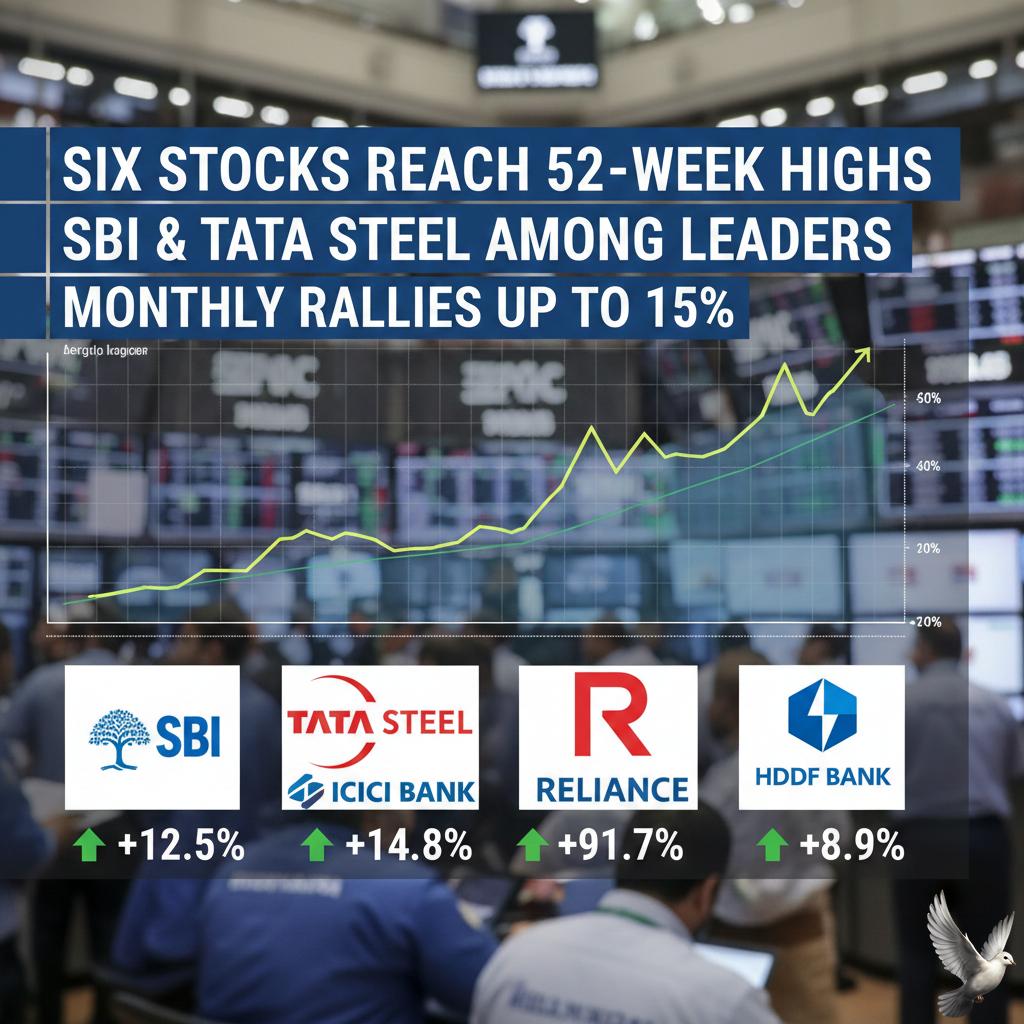
Six Stocks Including SBI and Tata Steel Reach 52-Week Highs Following Monthly Rallies of Up to 15%
Market Pulse: Sensex Reclaims 84,000 Mark Indian equity benchmarks surged on Monday, February 9, 2026, as investor sentiment turned decisively bullish. The **BSE Sensex** jumped **485.35 points**, or **0.58%**, to close at **84,065.75**. This rally was mirrored by the **NSE Nifty 50**, which advanced **173.60 points** to settle at **25,867.30**. The market's upward trajectory was primarily fueled by optimism surrounding a fresh **India-US trade agreement**, which has spurred expectations of increased foreign capital inflows. Additionally, strong third-quarter corporate earnings and positive global cues provided the necessary momentum for a broad-based recovery. Banking and Metal Heavyweights Lead **State Bank of India (SBI)** emerged as the star performer, with its share price surging **7.63%** to reach a new 52-week high of **₹1,147.80**. The rally followed a stellar Q3 report showing a **24.5%** jump in standalone net profit to **₹21,028 crore**. **Tata Steel** also witnessed significant buying interest, hitting a 52-week high of **₹206.40**. The stock rose after the company reported a massive **723%** surge in consolidated net profit, reaching **₹2,689 crore**. Broader Market Performance The rally extended beyond large-cap stocks, with the broader market significantly outperforming the frontline indices. The **Nifty Smallcap 100** jumped **2.64%**, while the **Nifty Midcap 100** gained **1.58%**. Within the **BSE 100**, six stocks touched fresh 52-week highs, including **Shriram Finance**, **Adani Ports**, and **JSW Steel**. This collective momentum pushed the total market capitalization of NSE-listed companies to approximately **₹471.43 lakh crore**. Sectoral Highlights and Trends * **PSU Banks:** The sector led the charts with a **3.34%** gain, driven by SBI’s robust earnings. * **Consumer Durables:** Seen as a "risk-on" play, the index climbed **3.60%** as investors anticipated a demand revival. * **Media and Realty:** Both sectors saw strong interest, rising **4.37%** and **2.61%** respectively. * **Laggards:** The IT sector remained flat, while **Max Healthcare** and **NTPC** saw mild profit-booking, sliding **2.82%** and **1.05%**. Economic Backdrop Market confidence is further supported by **Moody’s** recent projection of a **6.4% GDP growth** for India in FY27, positioning it as the fastest-growing G20 nation. With the **India VIX** settling at **12.19**, volatility remains relatively contained, encouraging an "accumulation" strategy among domestic and foreign institutional investors.
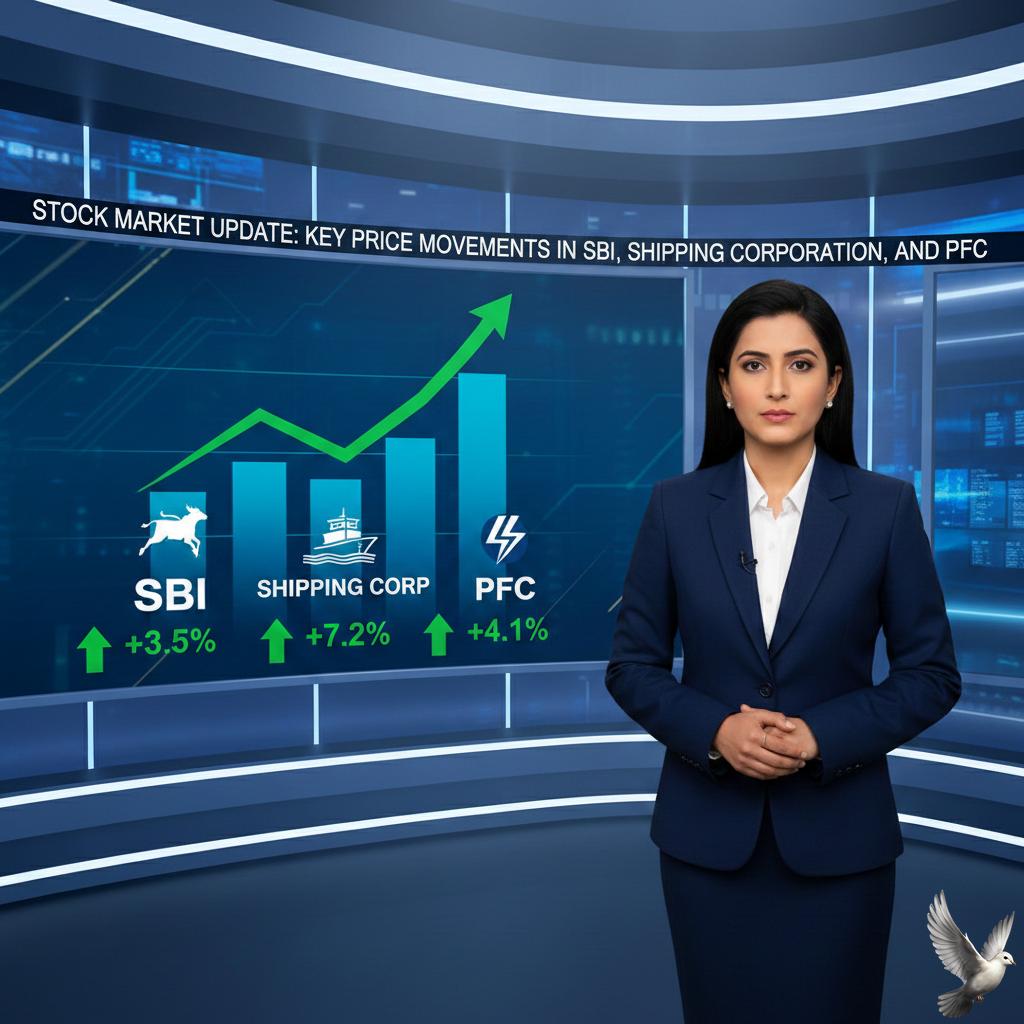
Stock Market Update: Key Price Movements in SBI, Shipping Corporation, and PFC
Indian benchmark indices extended their winning streak on Monday, February 9, 2026, as a second day of broad-based buying propelled markets to new heights. Investor sentiment was significantly bolstered by a landmark interim trade agreement between India and the United States, which saw a reduction in reciprocal tariffs to 18%. The Nifty 50 surged 176 points, or 0.70%, to close at the 25,870 level. Simultaneously, the S&P BSE Sensex climbed 485 points, finishing 0.60% higher at 84,072. The broader market outperformed the benchmarks, with the Nifty Midcap 100 gaining 1.60% and the Smallcap 100 rallying a substantial 2.64%. Financials led the charge, with State Bank of India (SBI) hitting a record high of ₹1,139.70 after jumping nearly 7%. The banking behemoth reported an all-time high standalone net profit of ₹21,028 crore for the December quarter, a 24.5% year-on-year increase. This performance drove the Nifty Bank index up by 0.88% to cross the 60,650 mark. Shipping Corporation of India (SCI) witnessed its best single-day performance in nearly four years, with the stock price skyrocketing 19% to reach intraday highs of ₹256.50. The rally followed a massive five-fold jump in Q3 net profit to ₹405 crore and the announcement of a ₹10 per share interim dividend. Kalyan Jewellers also emerged as a top gainer, with its shares surging over 12% to touch ₹424.70. The retailer reported a 90% surge in consolidated net profit to ₹416 crore, driven by a 42% rise in revenue which crossed ₹10,340 crore. Strong wedding season demand and 27% same-store sales growth in India fueled the optimism. Market dynamics showed a structural shift as domestic institutional investors (DIIs) officially surpassed foreign institutional investors (FIIs) in Nifty 50 ownership for the first time. DII holdings rose to 24.8%, highlighting the deepening domestic capital base amidst easing geopolitical tensions and a cooling in crude oil prices to approximately $67 per barrel.

Trident Reports Decline in Quarterly Profit Amid Softening Exports
Indian textile leader Trident Limited is pivoting its strategy following a period of intense trade volatility and tariff-induced pressure. In the third quarter ending December 2025, the company navigated a 44% decline in profit, largely attributed to high export barriers in its primary market, the United States. Revenue during this period softened by 6%, with the bedsheet segment notably seeing a one-third decline in sales volume. The sector landscape has shifted dramatically as of February 9, 2026. A landmark interim trade agreement between India and the United States has officially triggered a major reduction in tariffs. Punitive duties that previously reached 50% have been slashed to a reciprocal rate of 18%. This regulatory relief is expected to restore price competitiveness for Indian home textiles against rivals from Vietnam and Bangladesh. In direct response to these developments, Trident’s Board of Directors approved the incorporation of a new wholly-owned subsidiary, Trident Global Industries Limited (TGIL), on February 9, 2026. This entity is specifically designed to spearhead brand-building and marketing efforts in overseas markets, with a primary focus on scaling operations within the U.S. consumer market. Market sentiment reflects this optimism, with Trident’s stock participating in a sector-wide rally. Shares recently traded near 28.20 INR, contributing to a weekly sector gain where some peers rose as much as 19%. This recovery is supported by the removal of the 25% additional duty that had been in place since August 2025, effectively reopening a 118 billion USD market segment for Indian exporters. Trident is also streamlining its corporate structure, confirming the divestment of its stake in MyTrident.com as part of an internal restructuring. While the textile and yarn segments showed muted performance late last year, the company’s chemical and paper divisions have provided a buffer, maintaining marginal improvements and contributing 258 crore INR to recent revenue figures. Looking ahead, the company is aligning with broader national initiatives. The Union Budget 2026-27 has introduced a five-part integrated program for the textile sector, focusing on infrastructure modernization and sustainable manufacturing. Trident is already advancing this agenda through its renewable energy projects, which now supply 60% of the power needs at its major production units. The combination of lowered U.S. tariffs, a dedicated global subsidiary, and favorable domestic policy creates a clearer path for recovery. With consolidated debt reductions of 191 crore INR and a renewed focus on high-value exports, the company is positioning itself to reclaim margins that were squeezed during the preceding trade standoff.
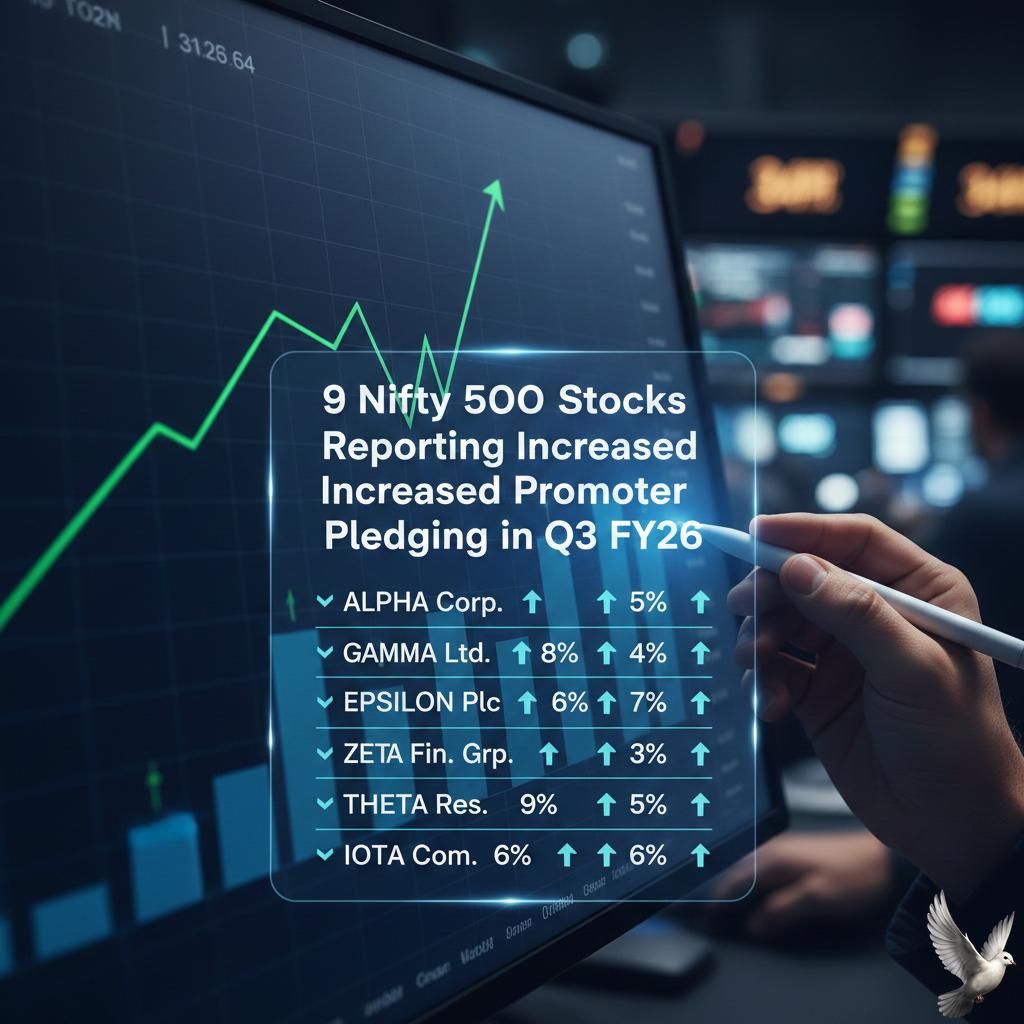
9 Nifty 500 Stocks Reporting Increased Promoter Pledging in Q3 FY26
Promoter share pledging remains a critical barometer for assessing the health of corporate governance and financial stability in the current market. As of early **2026**, market data shows a nuanced shift in how promoters manage their equity stakes to secure funding. Recent quarterly figures indicate that promoter pledging in **Nifty 500** companies has edged slightly higher, reaching **11.65%** in the most recent quarter, up from **11.60%** previously. This incremental rise reflects a persistent reliance on equity-backed debt for liquidity or expansion needs. The Mechanism of Pledging Pledging occurs when promoters use their shares as collateral for loans. Lenders typically apply a "haircut," often around **40%**, meaning shares worth **₹10 lakh** might only secure a loan of **₹6 lakh**. This buffer protects lenders against market volatility. High-Risk Indicators Market analysts generally view a pledge ratio exceeding **30%** to **40%** as a significant red flag. High pledging levels suggest that promoters may be under financial stress or have exhausted other traditional credit avenues. In volatile conditions, if a stock price drops sharply, it triggers "margin calls." Promoters must then provide more collateral or cash. If they fail, lenders may invoke the pledge and sell shares in the open market, potentially causing a price crash. Current Sector Trends Specific sectors continue to show concentrated pledging activity. In the current landscape, notable companies maintain significant levels of pledged holdings: * **Hindustan Zinc**: Approximately **60.73%** * **Brookfield India**: Reaching **90.00%** * **Aster DM Health**: Standing at **40.66%** Conversely, some large-cap entities like **JSW Steel** and **Asian Paints** maintain lower, more stable pledge levels near **8%** to **9%**, suggesting more conservative leverage strategies. Market Sentiment and Ownership A broader trend is emerging where overall promoter ownership in **NSE-listed** companies has touched a multi-year low of approximately **50%**. This decline often coincides with a rise in individual investor participation, which now accounts for about **18.5%** of total market capitalization when including indirect holdings. When promoters reduce their pledges, as seen in recent moves by major airport and infrastructure groups, it is typically received as a positive signal of improved liquidity and debt repayment capability. On the other hand, sustained or rising pledging often indicates that the "skin in the game" is being leveraged to its limits.

Vijay Kumar Goel Appointed Managing Director of Religare Broking
Religare Broking Limited has announced the strategic appointment of Vijay Kumar Goel as its new Managing Director. The move comes as the firm intensifies its focus on scaling core operations and aggressively expanding its wealth product distribution network. Goel joins with over 30 years of experience in the financial services landscape, including a significant 14-year tenure at Motilal Oswal Group and early career growth with the Aditya Birla Group. His leadership is expected to prioritize digital transformation and enhanced research capabilities. The leadership transition coincides with a robust recovery in the Indian capital markets. On February 9, 2026, the benchmark BSE Sensex jumped 485.35 points to settle at 84,065.75, while the NSE Nifty 50 climbed 173.60 points to close at 25,867.30. Market sentiment remains high following the landmark India-U.S. trade agreement. The deal, which reduces U.S. tariffs on Indian goods from 50% to 18%, has sparked broad-based buying across the financial and consumer sectors. Religare Enterprises, the parent company, currently maintains a market capitalization of approximately 8,180 crore. The stock has shown resilience with an intraday high of 249.00 on Monday, trading comfortably above its 50-day moving average of 240.01. The retail broking vertical remains a critical growth engine for the group, contributing roughly 8.5% of total revenue. This sector is benefiting from a nationwide surge in retail participation, with the number of active demat accounts in India recently crossing the 160 million mark. The broader retail industry in India is projected to reach 1.93 trillion dollars by 2030. Religare is positioning itself to capture this value by integrating its traditional broking strengths with a modern, tech-led wealth management approach. Investors are now looking toward February 14, 2026, when Religare Enterprises is scheduled to report its third-quarter financial results. These figures will provide the first clear look at the firm's fiscal health under its refreshed leadership direction.

Rupee steady as weaker dollar and corporate flows balance market impact
The Indian rupee staged a recovery on Monday, February 9, 2026, gaining 21 paise to trade at 90.44 against the US dollar in early sessions. This follows a period of localized pressure where corporate demand for the greenback and technical trading glitches had previously weighed on the currency. The primary catalyst for this rebound is the announcement of a landmark interim trade agreement between India and the United States. Under this new framework, Washington will slash tariffs on Indian goods from 50% to 18%, while India will reciprocate by reducing duties on US industrial and agricultural products. Market sentiment is also buoyed by the Reserve Bank of India’s robust external buffers. Latest data confirms India’s foreign exchange reserves have climbed to 723.8 billion dollars as of late January, providing over 11 months of import cover. This significant liquidity cushion allows the central bank to intervene effectively to curb excessive volatility. Domestic equity markets reflected this optimism with the BSE Sensex climbing 441.77 points to 84,022.17 and the NSE Nifty 50 rising 129 points to 25,822.70 during early trade. Foreign Institutional Investors (FIIs) have also turned net buyers, injecting over 1,950 crore rupees into the cash market in recent sessions. On the policy front, the RBI’s Monetary Policy Committee recently held the repo rate steady at 5.25%. While the central bank maintain’s a neutral stance, it has upgraded its GDP growth forecast for the current fiscal year to 7.4%. Headline inflation remains contained at approximately 2.1% for FY26, though a new CPI base year calculation is expected to introduce a minor upward bias in upcoming prints. Global cues remain a mixed bag as Brent crude prices eased slightly to 67.41 dollars per barrel. While the US dollar index has struggled to maintain levels above 100, geopolitical risks in the Middle East and shifting trade dynamics continue to necessitate a cautious outlook for currency traders in the medium term.

Gold Prices Decline 18% From Peak as Market Analysts Identify Buying Opportunities
The gold market is currently navigating a period of intense volatility as it enters the second week of February 2026. Following a historic rally in late January that saw prices reach unprecedented heights, the metal has undergone a significant "price discovery" phase. This shift was triggered by a combination of hawkish shifts in U.S. monetary policy expectations and a technical leverage reset across global exchanges. On the Multi Commodity Exchange (MCX), April gold futures are trading near 1,57,540 per 10 grams, marking a steady recovery from the sharp corrections seen earlier in the month. While prices remain approximately 18% below the January peak of 1,93,096, the current momentum suggests strong buying interest at lower levels. Domestic retail rates for 24K gold have stabilized around 15,884 per gram, reflecting a cautious but firm rebound in major Indian cities. International markets are mirroring this recovery. On the COMEX, gold for April delivery has surged past the psychological 5,000 mark, recently trading around 5,061.49 per ounce. This represents an intraday gain of approximately 81 or 1.64%. The upward move is largely supported by a weakening U.S. Dollar Index and a renewed focus on safe-haven assets amidst geopolitical uncertainties and shifting leadership at the Federal Reserve. Several key events have defined the recent market structure. The nomination of Kevin Warsh as the next Fed Chair initially sent shockwaves through the commodities sector, as traders braced for a tougher stance on inflation. Simultaneously, the Chicago Mercantile Exchange (CME) increased margin requirements for gold and silver, forcing a massive liquidation of leveraged positions. This technical "squeeze" accelerated the pullback from record highs but has since cleared the path for more stable, fundamental-driven buying. Central bank activity remains a primary pillar of support for the bullion market. Estimates suggest that official sector demand will continue to average nearly 585 tonnes per quarter throughout 2026. This sustained institutional interest, combined with structural silver deficits driven by AI and solar industries, provides a long-term constructive outlook for precious metals despite the current "paper market" volatility. Investors are now closely monitoring upcoming U.S. economic indicators, including delayed jobs and inflation data, which will guide the next phase of interest rate expectations. With the Chinese Lunar New Year approaching in mid-February, market participants expect a period of "thin" liquidity, which could lead to unpredictable price action as Chinese speculative capital temporarily recedes. Technically, the market is looking for a decisive close above the 1,60,000 level on the MCX to confirm a full reversal of the recent downtrend. Support remains robust in the 1,45,000 to 1,50,000 range, where long-term investors have shown a consistent appetite for physical accumulation. As the corrective phase potentially concludes, the broader bull trend is once again reasserting its dominance in the global financial landscape.