Bullish News
Collection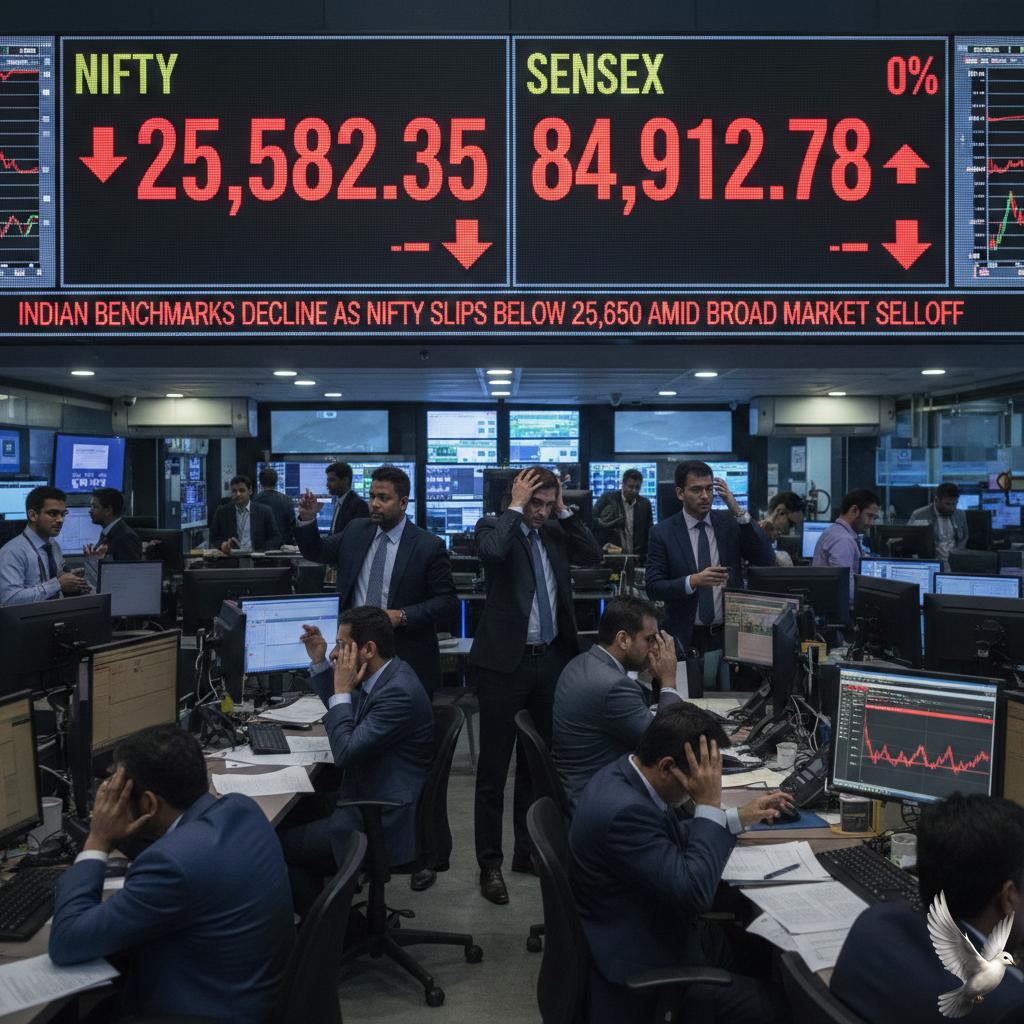
Indian Benchmarks Decline as Nifty Slips Below 25,650 Amid Broad Market Selloff
Market Brief: India Equities Slump Indian equity benchmarks saw a sharp reversal on **February 19, 2026**, as early gains vanished under intense selling pressure. The **BSE Sensex** plummeted **535.30 points** or **0.64%** to trade at **83,198.95**. Similarly, the **Nifty 50** slid **131.35 points** or **0.51%**, struggling to hold the **25,688.85** level. The downturn wiped out approximately **₹2.73 lakh crore** in investor wealth during the session. While the morning trade showed a modest recovery, profit booking at higher levels quickly dragged the indices into the red. Key Market Indicators * **BSE Sensex:** 83,198.95 (**-0.64%**) * **Nifty 50:** 25,688.85 (**-0.51%**) * **India VIX:** 12.71 (**+3.99%**) * **Gold (24K):** ₹15,649 per gram * **Silver:** ₹270 per gram Sector Performance and Drags The decline was broad-based, with the **Nifty Realty index** leading the losers, dropping **1.43%**. Major real estate players like **Lodha** and **DLF** fell over **1.6%** each. The **FMCG** sector faced significant heat as **Hindustan Unilever (HUL)** dropped **2.28%** and **ITC** fell **4.31%**. Metal and Auto stocks also faced persistent selling, while the **IT sector** remained weak following reports of **FII outflows** totaling over **₹10,956 crore** in the first half of February. Global and Macro Pressures Sentiment was further weighed down by a hawkish stance from the **US Federal Reserve**. Minutes from the latest meeting indicated that officials remain divided on rate cuts, favoring a steady hold until inflation shows more consistent progress. Geopolitical tensions between the **US and Iran** kept crude oil prices volatile. High energy costs continue to pose a risk to India’s fiscal outlook, contributing to the cautious environment. Breadth and Institutional Activity Market breadth leaned negative as **2,114 shares** declined on the BSE compared to **1,656** gainers. Despite the slump in frontline indices, the **SmallCap index** showed relative resilience, falling only **0.16%**. Foreign Institutional Investors (FIIs) have been net sellers in the cash market this month, while Domestic Institutional Investors (DIIs) provided only partial support through selective buying in defensive stocks.
Indonesia Bonds See Soft Demand Ahead of Central Bank Policy Decision
The Indonesian bond market is currently navigating a period of cautious sentiment as global and domestic pressures intersect. Recent auction data shows that demand has cooled, with investors adopting a "wait and see" approach despite government efforts to meet ambitious 2026 budget targets. In the primary market, the February 2026 auctions have seen a notable dip in bid-to-cover ratios. During the latest Government Bonds (SUN) auction, the indicative target was set at 33 trillion IDR, while analysts estimated incoming bids would reach between 70 trillion and 80 trillion IDR. This reflects softer demand compared to previous months, partly exacerbated by seasonal factors and broader macroeconomic uncertainty. The 10-year benchmark bond yield is currently trading around the 6.42% level, reflecting a slight tightening compared to earlier peaks above 6.47%. However, volatility remains a key theme. The yield environment is being pulled by two opposing forces: a global shift toward lower rates and local fiscal concerns that keep risk premiums elevated. Credit sentiment has been tested by recent institutional updates. Moody’s recently revised Indonesia’s sovereign outlook from "Stable" to "Negative," citing concerns over a narrowing revenue base and the fiscal impact of large-scale social programs. This has been paired with a warning from MSCI regarding market accessibility, which has contributed to capital outflows. The Indonesian Rupiah has faced significant pressure, recently crossing the 16,800 IDR per USD threshold. This depreciation has forced Bank Indonesia to prioritize currency stability over growth support. The central bank recently held its benchmark interest rate steady at 4.75%, signaling a pause in its easing cycle to defend the currency and anchor inflation, which hit 3.55% in January. Internal policy shifts are also under the microscope. The appointment of new leadership within Bank Indonesia has raised questions regarding the institution's future independence. While government officials have dismissed these concerns, international investors remain sensitive to any perceived shifts in the central bank’s autonomy. Despite these hurdles, the government successfully raised 12 trillion IDR in a recent Sharia bond (Sukuk) auction, exceeding its 11 trillion IDR target. This suggests that while overall demand is softer, there is still a baseline of liquidity for specific high-quality instruments. Looking ahead, the market will focus on the execution of the 2026 State Budget, which targets a narrowed fiscal deficit of 2.5% of GDP. Achievement of this goal relies on an optimistic 13% growth in tax revenue and 5.4% economic growth, both of which will be closely monitored by ratings agencies and bondholders alike.

Godfrey Phillips India Shares Rise 31% Over Three Sessions Amid Market Rally
Market Brief: Tobacco Sector Surge The Indian tobacco sector is witnessing a significant valuation rally as leading manufacturers implement aggressive pricing strategies. **Godfrey Phillips India** shares have skyrocketed, recording a **31% gain** over a three-day winning streak ending **February 19, 2026**. The stock hit an intraday high of **₹2,635**, supported by a massive surge in delivery volumes that reached **17.57 lakh shares**, a twelvefold increase over the recent average. This momentum follows the implementation of the new tobacco tax regime on **February 1, 2026**. The government has overhauled the fiscal structure, replacing the previous **28% GST** and compensation cess with a unified **40% GST** and a restructured excise duty. These specific duties now range from **₹2,050 to ₹8,500** per 1,000 sticks, tiered strictly by cigarette length. To preserve margins against these higher levies, companies have initiated price hikes ranging from **20% to 40%** across product portfolios. **Godfrey Phillips** has notably increased the price of **Marlboro Compact** from **₹9.5** to **₹11.5** per stick. Market leader **ITC** is also adjusting rates upward, with its shares rebounding roughly **7%** from February lows to trade near **₹330**. Analysts estimate that these tactical price adjustments will mitigate projected earnings declines. While early forecasts suggested an **8% to 15%** drop in EBIT due to the tax burden, recent pricing actions are expected to contain the decline to approximately **2%**. Retailers are currently capitalizing on the transition by selling existing inventory at the new, higher rates. Popular mid-sized brands like **Wills Navy Cut** have seen pack prices jump from **₹95** to **₹120**, while premium variants such as **Gold Flake Lights** and **Wills Classic** are now retailing between **₹220 and ₹225** per pack of 10. Despite the sharp increase in consumer costs, the sector has shown historical resilience. **Godfrey Phillips** reported a **25%** volume growth in domestic cigarette sales for the first nine months of the fiscal year, with consolidated net profit reaching **₹1,005 crore**. Investor interest remains high as the industry demonstrates strong pricing power, effectively passing on the tax burden to consumers to stabilize long-term profitability.
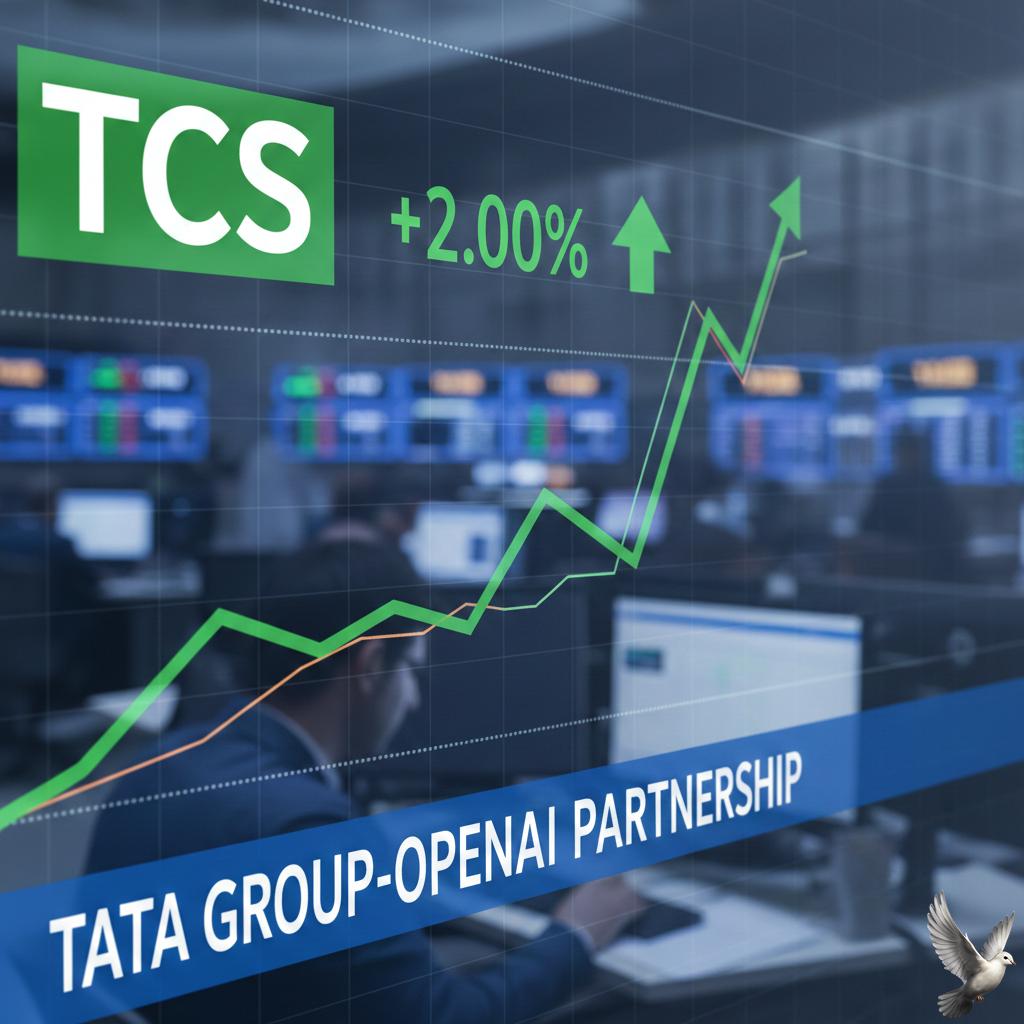
TCS Shares Rise 2% Following Tata Group-OpenAI Partnership
TCS shares have registered a notable recovery of **2.0%**, with the stock price climbing to approximately **₹2,748** on the NSE. This rebound comes as a vital relief for the IT major, which had faced a significant **16.9%** decline since the beginning of 2026 due to broader sector-wide concerns regarding "AI revenue deflation." The primary catalyst for this positive momentum is a multi-dimensional strategic partnership between Tata Group and OpenAI. Announced during the India AI Impact Summit in New Delhi, the deal is a direct counter to recent competitive moves, such as the Anthropic-Infosys alliance. Under the terms of this multi-year agreement, TCS is launching a specialized unit called **HyperVault**. This initiative will focus on developing high-performance, AI-ready data centers with an initial capacity of **100 MW**, which is designed to scale up to **1 GW** over time. These facilities will feature advanced liquid-cooling technology and will be entirely powered by green energy to support massive AI workloads. Internally, the partnership provides thousands of Tata Group employees with access to **Enterprise ChatGPT**, while TCS engineers will integrate **OpenAI Codex** to accelerate software development and testing cycles. This shift is intended to modernize the traditional "man-hour" billing model that has recently unnerved investors. The broader market context remains cautious. The Nifty IT index has shed nearly **12%** in recent weeks, pressured by strong US jobs data and a "higher-for-longer" interest rate outlook from the Federal Reserve. Analysts note that while global IT spending remains under scrutiny, TCS's pivot toward **Agentic AI** solutions for finance, healthcare, and manufacturing signals a transition from "AI as a tool" to "AI as an infrastructure provider." TCS continues to show financial resilience, reporting an annualized AI services revenue of **$1.8 billion** in the third quarter of FY26. To support its long-term strategy, the company has already upskilled over **217,000 employees** in advanced generative AI capabilities. The partnership aims to position India as a global AI hub by building sovereign "AI factories." This initiative aligns with the national goal of expanding India's data center capacity from the current **1.5 GW** to over **10 GW** by 2030, capturing a market projected to reach **$41.7 billion** by 2033.
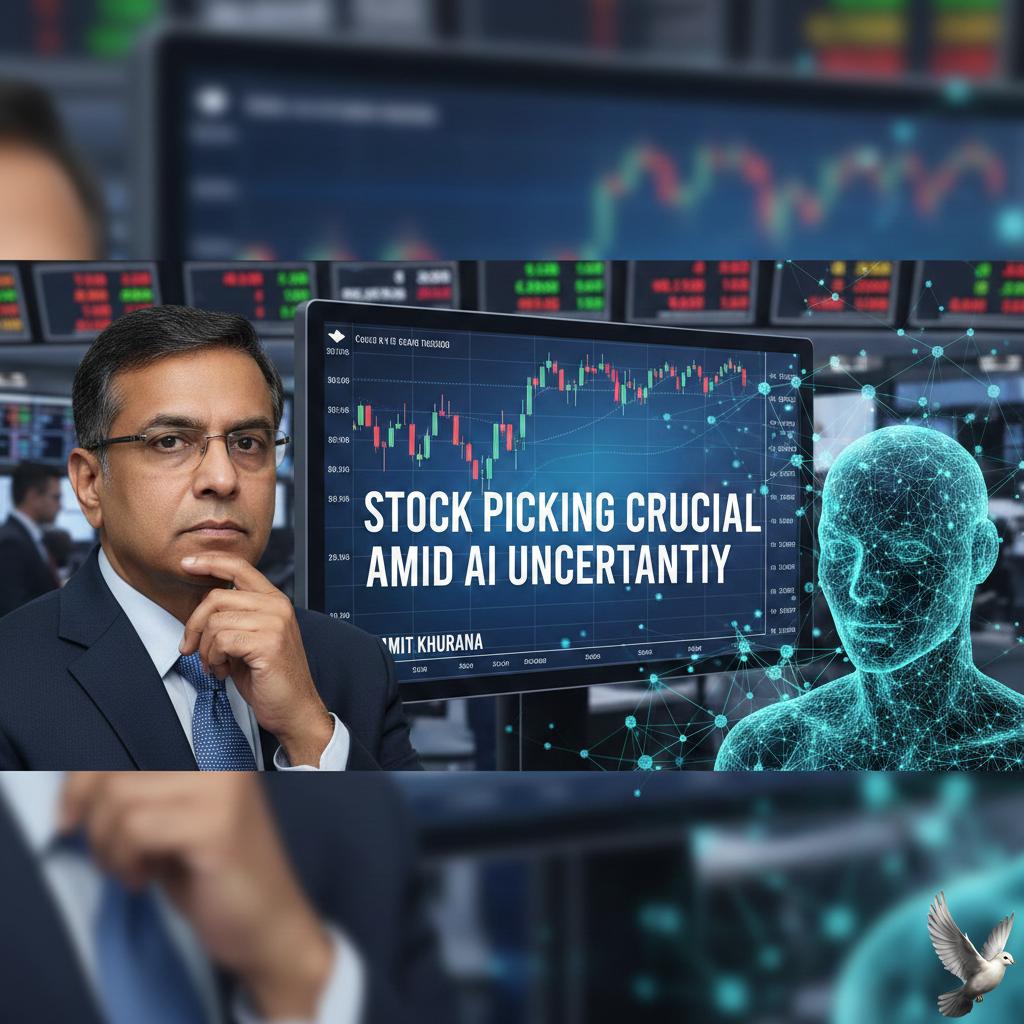
Stock Picking Crucial Amid AI Uncertainty, Says Amit Khurana
India Corporate Brief: Q3 Earnings & Market Dynamics Corporate India has concluded its third-quarter earnings season for the 2025-26 fiscal year with a resilient topline, though rising operational costs have emerged as a primary theme. While revenue growth across key sectors remains steady, aggregate profitability has faced pressure from regulatory compliance and shifting global demand. Performance Benchmarks Earnings for the Nifty 50 constituents grew at an estimated **8.8%** year-on-year, a slight acceleration compared to the previous quarter. However, when excluding volatile oil marketing companies, profit after tax growth moderated to approximately **5%**. This reflects a tightening margin environment as companies navigate higher input costs and labor expenses. The Nifty 50 index recently settled near **25,471**, following a period of heightened volatility. Foreign Portfolio Investors (FPIs) remain cautious, recording net sales of roughly **14,652 crore** in a single week during the February peak of earnings reporting. Sectoral Highlights Manufacturing and industrials have outperformed traditional growth drivers. Consumer durable players reported revenue growth of **14.3%**, supported by steady urban demand and premiumization trends. The real estate sector also signaled strength, with major urban developers hitting record quarterly collections, such as **709 crore** in a single period, underscoring sustained housing interest. The financial services segment continues to provide stability. Notable performers in asset management saw net profits surge by **45.1%**, fueled by rising equity participation and systematic investment plan inflows. Technology and Infrastructure The IT sector is facing significant headwinds, with the Nifty IT index recently experiencing a sharp weekly decline of over **8%**. Profitability is being squeezed by labor code compliance and "automation shock" fears. Despite this, digital transformation remains a priority, with IT spending in India projected to exceed **$176 billion** in 2026, a **10.6%** increase from the previous year. Infrastructure remains a primary engine for the broader economy. Central capital expenditure is expected to remain robust, with forecasts suggesting a budget allocation of over **12 lakh crore** for the upcoming cycle. Order inflows in the power and construction segments are providing visibility for the next several quarters. Economic Context India’s retail inflation rose to **2.75%** in January 2026, up from **1.33%** in December. Despite this uptick, the Reserve Bank of India has maintained an accommodative stance, having implemented cumulative rate cuts of **1.25 percentage points** over the last year to support domestic consumption. The outlook for the full fiscal year remains optimistic, with GDP growth expected to land between **7.5% and 7.8%**, driven by resilient private consumption which grew at **7.9%** in the most recent half-year data. Market participants are now focusing on valuation dispersion, as mid-cap and small-cap indices have seen sharper pullbacks compared to large-cap benchmarks.
Indian Brokerage Body Requests Six-Month Deferral for New RBI Regulations
The Reserve Bank of India (RBI) has introduced stringent new lending norms for capital market intermediaries, triggering an immediate pushback from the country’s brokerage lobby. Leading industry bodies, including the Association of National Exchanges Members of India (ANMI), are urging the central bank to defer the implementation of these rules by at least six months. The new framework, originally scheduled to take effect on April 1, 2026, mandates that all bank credit facilities to stockbrokers and clearing members must be 100% secured. This is a significant departure from current practices where partial collateralization was common. Brokers argue that the sudden transition creates massive operational hurdles and liquidity constraints that could disrupt market stability. Key highlights of the new regulations include: Banks must now apply a minimum 40% haircut to listed shares used as collateral. For instance, shares worth 100 INR will only support a loan of 60 INR. This reduces the effective borrowing power of firms significantly. Bank Guarantees (BGs) issued to exchanges now require a minimum of 50% collateral, with at least 25% of that being in pure cash. This move locks up substantial working capital that brokers previously used for market operations. The RBI has explicitly prohibited banks from funding proprietary trading activities. While funding for market-making and margin trading remains permitted, firms that rely on their own books for high-frequency or algo-trading face a severe squeeze. Market data reflects the industry's anxiety. Following the announcement, shares of major listed brokerages like Angel One and the BSE itself saw corrections ranging from 5% to 7% as investors priced in higher funding costs and potential revenue hits. Analysts estimate that these tighter norms could lead to a 10% to 15% drop in overall trading volumes, particularly in the high-growth derivatives segment. The brokerage lobby emphasizes that while the goal of reducing systemic risk is valid, the current timeline is too aggressive. They contend that firms need more time to restructure their balance sheets and transition away from bank-dependent funding models to costlier alternatives like commercial paper or NBFC lines. Despite the short-term friction, the RBI maintains that these measures are essential to prevent a domino effect during sharp market corrections. By enforcing full collateralization and continuous daily monitoring of asset values, the regulator aims to protect the banking system from volatile swings in the equity markets. The outcome of the lobby's request for a six-month delay remains pending. For now, the industry is bracing for a period of consolidation where well-capitalized, diversified firms are expected to gain a competitive edge over smaller players who lack the liquidity to meet the new 100% security mandate.
Tata Investment Corp Shares Rise 13% Amid Reports of N Chandrasekaran’s Potential Third Term at Tata Sons
Tata Investment Corporation Market Brief **February 19, 2026** Shares of **Tata Investment Corporation** surged today, reaching an intraday high of **₹715.80**, a sharp climb of **11.15%** during morning trade. This momentum follows reports that **Tata Sons** is convening an **Extraordinary General Meeting (EGM)** next week to formalize a third executive term for Chairman **N. Chandrasekaran**. The board's move to extend his leadership—well ahead of his second term's conclusion in **February 2027**—is viewed by markets as a significant signal of continuity. This decision requires a formal waiver of the group’s retirement policy, as Chandrasekaran will turn **63** this June and would typically transition to a non-executive role at **65**. **Strategic Context and Valuation** The proposed extension is designed to stabilize long-term capital allocation into massive group-wide projects. These include the **$120 billion** investment pipeline directed toward semiconductors, electric vehicle battery gigafactories, and the ongoing turnaround of **Air India**. Investor confidence is further bolstered by the group's recent financial trajectory. Under the current leadership, the Tata Group's consolidated revenue reached **₹15.34 lakh crore** in **FY25**, with net profits at **₹1.13 lakh crore**. The group's total market capitalization currently stands at approximately **₹24.39 lakh crore**. **Financial Performance Highlights** Tata Investment Corporation itself has shown resilient growth. In its latest **Q3 FY26** results, the company reported a **206.36%** year-on-year jump in revenue to **₹92.06 crore**. Net profits for the same period rose **284.45%** to **₹75.39 crore**, maintaining a robust net profit margin of **81.89%**. The stock is currently trading above its **20-day Simple Moving Average (SMA)** of **627.76**, though it remains below longer-term indicators like the **200-day SMA** of **710.06**. Trading volume saw a massive spike today, with over **9.1 million** shares exchanged by midday, far exceeding typical daily averages. **Group and Market Trends** The broader **Tata Group** ecosystem is seeing mixed but active performance. While **Tata Steel** hit an all-time high of **₹211.35** today, other units like **Tata Consultancy Services (TCS)** are preparing to brief the board on an aggressive "AI pivot" to counter global tech shifts. The wider Indian market showed a slight retreat today. The **Sensex** fell approximately **400 points** to trade around **83,585**, while the **Nifty 50** tested the **25,700** level. Despite the cooling of the broader benchmark, the specific governance clarity at the holding company level continues to drive outperformance in Tata-linked investment vehicles.
FIIs Offload Rs 11,000 Crore in IT Stocks Over Two Weeks
Market Alert: Foreign Capital Flees Indian IT Foreign Institutional Investors (FIIs) are accelerating their exit from India’s Information Technology sector. In the first two weeks of February 2026, overseas funds pulled out **Rs 10,956 crore** from IT stocks. This intensified selling brings the total FII outflow for the sector to **Rs 74,698 crore** since the start of 2025. The persistent liquidations reflect a deepening crisis of confidence in the traditional software services business model. The AI Disruption Factor The primary catalyst for this exodus is the rapid advancement of autonomous AI tools. Investors are reacting to the launch of "Claude Cowork" by Anthropic and new highly autonomous platforms from Palantir Technologies. These tools are no longer viewed as mere assistants but as potential replacers for manual labor. Reports indicate that tasks once taking years, such as complex SAP migrations, are now being compressed into weeks. Revenue Deflation Risks The Indian IT industry has long relied on a headcount-based billing model. As AI drives massive productivity gains, analysts fear "revenue deflation." If a project that previously required **100 billable hours** can now be completed in **5 hours** using AI, the revenue for major firms like TCS and Infosys could shrink significantly. Estimates suggest that **30% to 40%** of IT services revenue is now vulnerable to this shift. Index and Stock Performance The Nifty IT index has cratered by approximately **13%** so far this year. Individual stock performance highlights the severity of the sell-off: * **Wipro:** Down **19%** * **LTIMindtree:** Down **22%** * **TCS:** Down **16.9%** since January 1st Market heavyweights are struggling to hold valuations. In a symbolic shift earlier this month, the State Bank of India (SBI) overtook TCS in market capitalization, signaling a rotation from export-oriented tech into stable, domestic-focused sectors. Current Market Volatility As of February 19, 2026, the sector remains highly volatile. While some stocks like Infosys saw a brief **2.5%** recovery during "AI Strategy" presentations, broader sentiment remains bearish. Foreign investors are currently in a "wait-and-watch" mode, closely monitoring whether Indian firms can successfully pivot to high-value AI consulting or if they will face a permanent erosion of their legacy outsourcing revenue.

Foreign Interest in US Equities Rises 134% in 2025 Amid Tariff Implementation
Foreign investment into the United States reached a historic turning point in 2025, with net purchases of American equities surging 134% to $720.1 billion. This massive influx of capital represents a significant jump from the $307.5 billion recorded in 2024, highlighting a resilient global appetite for U.S. assets despite an era of aggressive trade policy. The surge in buying persisted even as the average tariff rate on U.S. imports climbed from 2.6% to 13% throughout 2025. Market volatility peaked in April 2025 when tariff announcements triggered a $6.6 trillion loss in market value over just two days. However, the S&P 500 ultimately defied these pressures, finishing the year with an 18% total return. As of February 2026, the U.S. Treasury confirms that the momentum of overseas capital continues to challenge the narrative of a shift away from American markets. In 2025, total net purchases of long-term financial assets, including stocks and Treasuries, reached $1.55 trillion—up from $1.18 trillion the previous year. Institutional demand remains high despite the rising cost of trade. The average effective tariff rate hit 9.9% in early 2026, its highest level since 1946. Projections suggest these trade costs could impact average U.S. households by $1,300 this year, potentially squeezing corporate margins as inventories stockpiled in 2025 are depleted. Currently, the S&P 500 is trading near 6,880, maintaining a steady path after the significant gains of the past year. While some sectors face headwinds from trade restrictions, AI infrastructure and regional banking have emerged as preferred havens for capital. Foreign investors now hold a dominant position in the domestic landscape, with private foreign inflows contributing $32.7 billion in December 2025 alone. This suggests that global participants are prioritizing U.S. earnings growth and the relative stability of the American economy over the risks associated with ongoing trade tensions. The market outlook for 2026 remains cautiously optimistic. Analysts project a potential 12% to 14% total return for the S&P 500, supported by an expected 14% growth in corporate earnings. Even with the highest tariff environment in decades, the "Sell America" theory has failed to materialize as trillions in foreign capital continue to flow into the U.S. financial system.

Trent, Vedanta Among 10 Large-Cap Stocks Reporting Up to 125% Year-over-Year Profit Growth in Q3
Market Brief: Largecap Earnings Momentum Indian largecap equities demonstrated resilient financial performance in the December 2024 quarter, with several frontline companies reporting double-digit growth. The Nifty 50 recorded a consolidated profit after tax increase of **13%** year-on-year, while total revenue for the index climbed **6%** to reach **₹14.51 trillion**. The Banking, Financial Services, and Insurance (BFSI) sector emerged as the primary growth engine, posting a combined net profit of **₹1.32 lakh crore**. This represents a **20%** increase compared to the previous year, driven by steady credit expansion and improved asset quality across major lenders. Heavyweight Performance Highlights **Muthoot Finance** delivered one of the most significant earnings surprises of the quarter. The gold loan specialist reported a **95%** surge in standalone net profit, reaching **₹2,656 crore**. This growth was supported by a **64%** jump in net interest income and a record expansion of its loan assets under management, which touched **₹147,552 crore**. **Vedanta** maintained a strong upward trajectory with revenue jumping **38%** to **₹27,996 crore**. The diversified natural resources giant saw its net profit soar by **61%**, totaling **₹5,710 crore** for the December quarter. The company’s stock reflected this momentum, hitting an all-time high of **₹616** during the final week of December. **TVS Motor Company** capitalized on robust festive demand and operating leverage. The firm reported a **33%** increase in revenue to **₹14,756 crore**, while net profit grew by **47%** to reach **₹891 crore**. The company continues to benefit from volume growth in both its automotive and financial services segments. **Trent**, the retail arm of the Tata Group, saw its revenue rise **13.5%** to **₹5,375 crore**. While the net profit increase of **37%** to **₹469 crore** was substantial, it slightly trailed some aggressive market estimates despite the strong topline performance. **Siemens Energy India** also contributed to the positive largecap trend. The company reported a **29%** revenue jump to **₹1,960 crore**, while net profit moved up by **35%** to **₹312.90 crore**. Profit margins for the firm improved slightly, settling at **15.96%**. Market Sentiment and Outlook The broader market remains constructive as indices trade near historic levels. On February 18, 2026, the Nifty 50 closed at **25,819**, gaining approximately **94 points** in a single session. Metal and FMCG stocks led the latest rally, even as technology stocks faced mild selling pressure. Investment focus has shifted toward high-quality largecaps as valuation concerns persist in the small and midcap segments. Analysts point to a "flight to quality," with investors favoring companies that demonstrate consistent profitability and strategic agility in a high-interest-rate environment.

IDFC First Bank Reports Growth in Deposits and EV Financing Amid Sustainability Initiatives
The global sustainable finance market is entering a period of rapid institutionalization, with total assets projected to climb from **$13.4 trillion** in 2025 to **$15.06 trillion** by the end of 2026. This growth is increasingly anchored in retail banking, where environmental consciousness is no longer a niche preference but a primary driver of customer acquisition. Younger demographics, specifically Gen Z and Millennials, are the architects of this shift. Recent data indicates that **95%** of Millennial investors express interest in sustainable finance, while over **70%** of Gen Z consumers are willing to pay a premium for eco-friendly products. In the banking sector, nearly **43%** of individuals aged 18–34 report they would switch to a financial provider that offers transparent tracking of the environmental impact of their spending. This demand is manifesting in high-growth segments such as green deposits and electric vehicle (EV) lending. IDFC FIRST Bank has emerged as a key player in this space, reporting that its green fixed deposits are directly fueling the expansion of clean transportation. In the 2024–25 fiscal year, the bank financed over **4,700** electric two-wheelers through these funds, resulting in an annual reduction of approximately **609,000 kg** of CO2 emissions. For consumers, the economic incentive is becoming as strong as the environmental one. Financing an electric two-wheeler currently offers an annual fuel saving of approximately **29%** of the vehicle’s purchase price compared to traditional internal combustion engines. This financial advantage is a major reason why the Indian EV financing market is expected to surge to **$3.59 billion** by 2026. Global bond markets are also showing resilience. While total issuance saw a temporary dip in 2025, the market is stabilizing with a forecast of **$800 billion to $900 billion** in sustainable bond issuance for 2026. Green and sustainability bonds now represent over **80%** of this market, supported by new regulatory frameworks like the EU Green Bond Standard which aim to eliminate "greenwashing" and provide clear investment guidelines. The integration of technology is further accelerating adoption. Fintech originators are growing at a **52%** compound annual rate by offering digital-first lending experiences, biometric verification, and rapid fund disbursal. This makes sustainable finance more accessible to a digitally native population that views every financial transaction as a vote for a greener future. Banks that fail to provide transparent, value-aligned products risk losing a significant portion of the emerging market. Conversely, institutions that successfully bridge the gap between competitive returns and measurable environmental impact are securing long-term loyalty from the world's most influential consumer groups.

Performance Review of Mukul Agrawal’s 2025-26 IPO Portfolio
Market Brief: Mukul Agrawal’s IPO Strategy (2025-26) Ace investor Mukul Agrawal’s investment trajectory for the **2025-26** period reveals a high-conviction, aggressive approach toward the primary market. His portfolio, managed personally and through **Sanshi Fund-I**, highlights a distinct performance gap between the explosive returns of small and medium enterprises (SMEs) and the volatile outcomes of mainboard listings. High-Growth SME Outperformers The standout performance in the portfolio comes from the SME segment, which delivered multiple multibaggers despite a broader cooling in market enthusiasm. **Tankup Engineers** emerged as a primary wealth creator, surging **329%** from its issue price of **140**. Other notable gainers include **Sacheerome**, which rose **245%**, and **Monolithisch India**, posting a **217%** rally. **Zelio E-Mobility** also showcased significant momentum with a **180%** gain, underscoring Agrawal’s focus on niche sectors like electric vehicles and industrial engineering. Performance Dispersion and Risk The strategy carries inherent risks, as evidenced by sharp corrections in several counters. **Chatterbox Technologies** saw the steepest decline, falling **44%** below its issue price. **Oswal Pumps** and **Ganesh Consumer Products** followed closely with drops of **43%** and **41%**, respectively. In total, out of **32** tracked IPO investments, **18** stocks are currently trading above their issue price, while **14** have eroded value. This split reflects a challenging macro environment in early **2026**, where the **Nifty Smallcap 100** has corrected **13%** from its recent peak. Strategic Portfolio Shifts Agrawal has recently pivoted toward infrastructure and specialized manufacturing. New entries include a **1.7%** stake in **Hindustan Construction Company (HCC)** and a **1.3%** stake in **Sudeep Pharma**, valued at approximately **85 Crore** and **81 Crore** respectively. His largest high-value holdings remain concentrated in **Neuland Laboratories** (valued at over **500 Crore**) and **ASM Technologies**, where he holds a **10.3%** stake. These moves signal a transition from pure IPO hunting to compounding in companies benefiting from the "Make in India" and "China+1" themes. 2026 Primary Market Outlook The broader IPO market enters **2026** with a massive pipeline of over **190** companies seeking to raise approximately **2.5 Lakh Crore**. However, actual listing activity has slowed in the first quarter of the year. Only five mainboard IPOs launched in the first seven weeks of **2026**, as retail participation moderated and average listing gains shrunk to **10%**, down significantly from the **30%** average seen in **2024**. Investors are increasingly prioritizing business fundamentals over grey market premiums as the secondary market stabilizes.
Netweb Technologies Shares Rise 17% Over Three Sessions Following NVIDIA-Powered AI Supercomputer Launch
Netweb Technologies has witnessed a significant surge in market activity, with its share price jumping more than 17% over the last three trading sessions. On Thursday, February 19, 2026, the stock reached an intraday high of 3,605.00 INR on the BSE, extending a rally fueled by a major expansion of its high-performance computing portfolio. The momentum follows the unveiling of the 'Make in India' Tyrone Camarero GB200 AI Supercomputer and the compact Tyrone Camarero Spark. Developed in collaboration with NVIDIA, these systems utilize the advanced Grace Blackwell architecture. The Tyrone Camarero Spark is specifically positioned as one of the world's smallest AI supercomputers, delivering 1 petaflop of performance in a desktop form factor. Market interest is heavily driven by the company's strategic alignment with India's growing demand for sovereign AI infrastructure. The new systems are designed to handle complex generative AI workloads, including training models with up to 70 billion parameters on-premises. This capability addresses a critical need for local, secure, and high-speed data processing without reliance on external cloud environments. Financially, Netweb is demonstrating rapid scaling. In the quarter ending December 2025, revenue surged 141% year-on-year to 805 crore INR. Profit after tax also saw a massive jump of 146.7%, reaching 73.3 crore INR. AI systems have become the primary growth engine for the firm, contributing approximately 64% of total revenue in the latest quarter. The company's order book remains robust, currently valued at over 2,250 crore INR when combining organic and strategic projects. Analysts highlight that Netweb’s zero net-debt status and a healthy cash reserve of approximately 190 crore INR provide a stable foundation for further technological investment. Wider market trends indicate that the Indian supercomputer sector is expected to grow at a compound annual rate of 13.7% through 2030. Netweb's early adoption of liquid-cooled rack-scale systems and Blackwell GPUs places it at the forefront of this expansion, particularly as enterprises and government bodies accelerate their transition to high-density AI factories. The stock has delivered returns exceeding 140% over the past 12 months, significantly outperforming broader indices. With the official commencement of shipments for its new AI systems, investors are focusing on the company’s ability to execute its current deal pipeline while maintaining its leadership in the domestic manufacturing of high-end compute hardware.
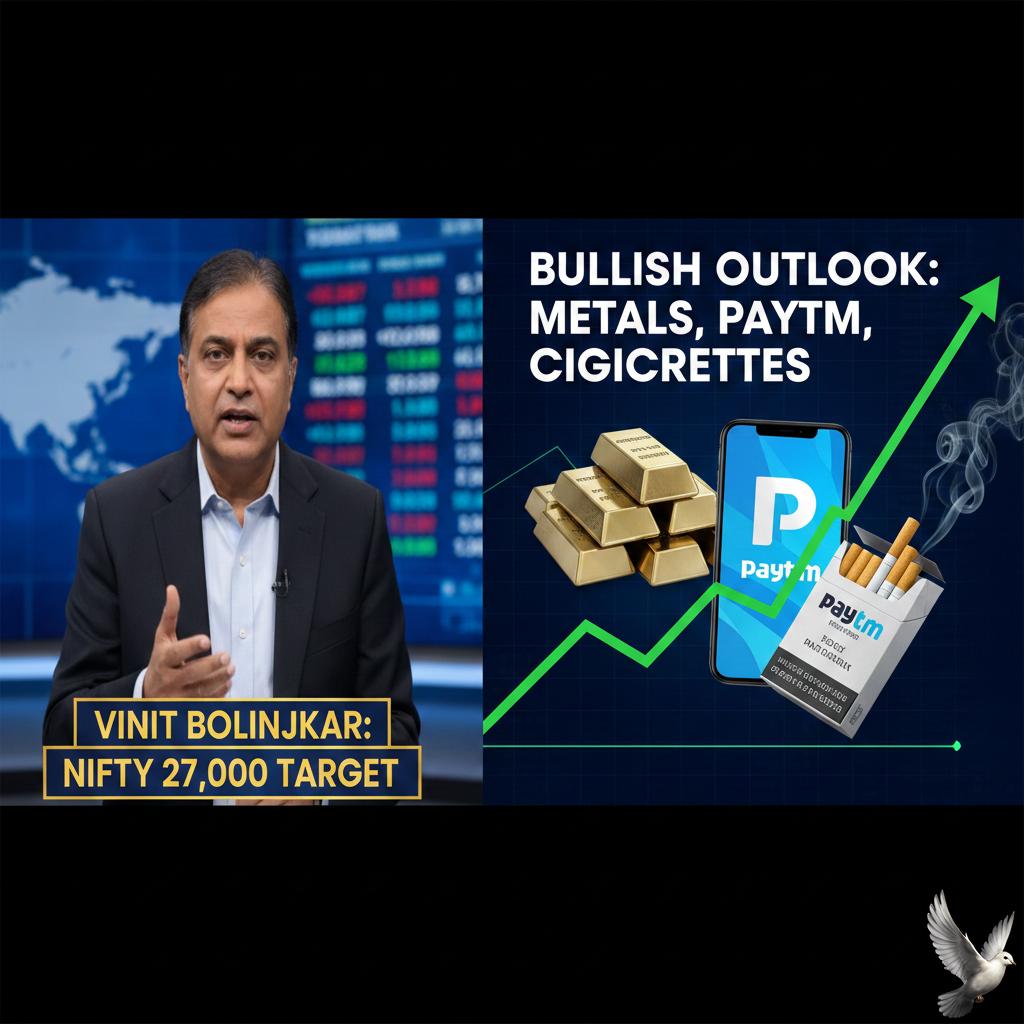
Vinit Bolinjkar Sees Nifty Reaching 27,000 With Bullish Outlook on Metals, Paytm, and Cigarette Stocks
Market benchmarks are displaying resilient momentum as the Nifty 50 sustains its position above the **25,800** mark. Despite early volatility, the index closed at **25,819** recently, marking a third consecutive session of gains. Analysts like Vinit Bolinjkar of Ventura Securities remain optimistic, maintaining a structural target of **27,000**. This outlook is supported by a healthy Put-Call Ratio of **1.15** and a significant cooling of the India VIX, which dropped over **3%** to settle near **12.22**. The metals sector is emerging as a primary growth engine. Tata Steel recently achieved a milestone, hitting an all-time high of **₹211.35**. The company’s domestic revenue grew **9%** year-on-year, and with a market capitalization exceeding **₹2,60,000 crores**, it remains a top pick. Similarly, Hindustan Zinc is trading near **₹589**, supported by a robust **34%** net profit margin and the strategic development of new zinc-ion battery prototypes. Bolinjkar views the sector as a "hard currency" play, benefiting from rising commodity demand and protective trade measures. Fintech sentiment has shifted positively, particularly for Paytm. The stock is currently trading around **₹1,199**, gaining over **60%** in the past year. Market optimism is fueled by the company turning EBITDA-positive and a potential valuation re-rating ahead of the PhonePe IPO. While Macquarie has noted a significant valuation gap, Bolinjkar remains a long-term bull with an ambitious price target of **₹1,800 to ₹2,000**, citing disciplined cost management and consistent revenue growth. The pharmaceutical sector presents a more complex landscape. While the government has introduced the **2026 NDCT Amendments** to fast-track drug approvals and cut development timelines, individual stocks face headwinds. Regulatory scrutiny from the US FDA remains a primary concern for export-heavy firms like Aurobindo Pharma. Investors are advised to be selective, focusing on companies that leverage AI for quality compliance to navigate these strict global standards. Overall, the market strategy for **2026** emphasizes quality and valuation discipline. While broader indices aim for new peaks, the divergence between high-performing metals and cautious pharma suggests a "stock-picker's market." Consumption-led businesses and large-cap leaders continue to be the preferred vehicles for investors looking to capitalize on India's evolving trade dynamics and earnings recovery. [Nifty 27,000 target and market analysis](https://www.youtube.com/watch?v=jmUeWMxjHf0) This video provides an in-depth look at Vinit Bolinjkar's specific market strategies and his reasoning behind the ambitious Nifty 27,000 target. http://googleusercontent.com/youtube_content/0

AI Sector Volatility and Investment Opportunities for Institutional and Retail Investors
Market Outlook: Structural Shifts in Indian Equities The Indian technology sector is navigating a period of significant volatility as structural concerns over Artificial Intelligence disruption take center stage. The **Nifty IT Index** has faced a correction of approximately **7.5% year-to-date**, with some monthly sell-offs reaching as high as **15%**. Investors are currently reassessing traditional outsourcing models following the introduction of advanced automation tools. **Wipro** recently hit a 52-week low of **209.15**, marking a **30.91%** decline over the past year. **TCS** has also seen its market valuation fluctuate, trading near **2,755** as it pivots toward AI infrastructure collaborations to protect its market share. Banking and Financial Services: The Growth Engine While technology faces headwinds, the domestic financial sector is demonstrating robust resilience. Total bank credit in India recently crossed a historic milestone of **200 lakh crore**, maintaining a year-on-year growth rate of approximately **12%**. The banking sector is benefiting from improved asset quality and a stable credit environment. Non-Banking Financial Companies (NBFCs) are projected to see assets under management grow by **15% to 17%** in the current fiscal year. Retail and MSME lending remain primary drivers, with vehicle finance and affordable housing showing particularly high momentum. Infrastructure and Capital Goods Momentum Government policy continues to provide a massive tailwind for the capital goods and infrastructure segments. The **Union Budget 2026** has earmarked a record **12.2 lakh crore** for public capital expenditure, representing a **9%** increase over the previous year. This sustained spending is fueling the industrial cycle, with the Index of Industrial Production (IIP) for capital goods showing an **8.1%** expansion. These sectors offer high earnings visibility as the "Make in India" initiative drives domestic manufacturing capacity in power equipment, construction, and electronics. Consumption and Auto Sector Recovery Domestic consumption is showing signs of a steady recovery, particularly in rural markets. The automobile industry reported a strong start to 2026, with retail vehicle sales rising **17.6%** year-on-year to reach **2.72 million units** in January. Passenger vehicle volumes are expected to grow between **6% and 8%** this year. This growth is supported by rural income stability and a clear shift in consumer preference toward SUVs and electric vehicles. Tax reforms and easier financing conditions are further stimulating demand across the broader consumption basket. Strategic Sectoral Divergence The current market narrative is defined by a clear divergence. While the IT sector grapples with a valuation reset and AI-driven uncertainty, domestic-facing sectors—Financials, Capital Goods, and Autos—are emerging as preferred allocations. These segments are currently backed by strong internal demand, massive government outlays, and a healthy credit ecosystem.
FTSE Russell Proposes Index Rule Changes Amid Surge in US IPO Activity
The US IPO market is entering a transformative period with 2026 projected to be one of the busiest listing years in recent history. Major industry players like SpaceX, OpenAI, and Anthropic are expected to debut, driving index providers to overhaul long-standing rules for inclusion. FTSE Russell has officially proposed a new fast-entry mechanism to accommodate these massive newcomers. Under current rules, initial public offerings are typically added only during quarterly reviews and must meet strict criteria, including a minimum **5%** public float and **5%** public voting rights. The new proposal seeks to relax these thresholds and speed up the timeline. This shift is a direct response to the unique structures of high-valuation firms like SpaceX, which is currently valued at approximately **$1.5 trillion**. A listing of this scale could involve raising up to **$50 billion**, potentially making it the largest IPO in history and surpassing Saudi Aramco's **$29.4 billion** record. Other giants are also moving toward the public stage. OpenAI is reportedly eyeing a late 2026 debut with a valuation near **$500 billion**, while Anthropic is positioned with a valuation of roughly **$374 billion**. These figures dwarf past milestones; for context, OpenAI’s private valuation is more than double the **$236 billion** enterprise value Alibaba held at the time of its 2014 debut. Index providers are racing to ensure these companies are reflected in benchmarks quickly to maintain market accuracy. Nasdaq recently proposed its own fast-entry rule that would allow large companies to join its flagship index after just **15** trading days. FTSE Russell is currently seeking market feedback on its similar proposals through mid-March. The 2025 lead-up has already shown strong momentum. Last year, **342** IPOs raised over **$75 billion**, an **80%** increase in proceeds compared to the prior year. Investors are showing a high appetite for scale, with venture-backed tech IPOs in 2025 delivering average returns of **30%** since pricing. As interest rates continue a measured decline and inflation eases, the backlog of over **800** unicorns is expected to flood the market. The upcoming cycle will likely see a concentration of capital in AI infrastructure and aerospace, fundamentally reshaping the weightings of major global indices.

India's $250 Billion IT Industry Faces Potential Structural Disruption
Market Brief: Indian IT Sector Transformation 2026 The Indian Information Technology sector is navigating a volatile period as the "AI Tsunami" shifts from theoretical risk to a visible market force. Recent weeks have seen the **Nifty IT index decline by approximately 13%**, reflecting a pivot in investor sentiment from AI as a productivity tool to AI as a structural threat to the traditional billing model. The market capitalization of industry leaders has faced significant pressure. **Tata Consultancy Services (TCS)** saw its value slip below the **₹10 lakh crore** mark for the first time since 2020, with the stock falling nearly **17%** between January 1 and mid-February 2026. This sell-off allowed the banking sector to overtake IT in benchmark weightage, with financial stocks now commanding **27.6%** of the Nifty 50 compared to IT’s **8.7%**. The Displacement Narrative The primary driver of recent volatility is the fear of "revenue deflation." As advanced AI agents automate complex tasks, the traditional man-hour billing model faces a potential collapse. If a project previously requiring **100 billable hours** can now be completed in **5 hours** via automation, the immediate revenue per contract for firms like Infosys and Wipro could shrink. Concerns over terminal value are intensifying as software developers are viewed increasingly as the "invisible architects" whose standard coding tasks are being commoditized by AI. This has led to aggressive profit booking, particularly from foreign institutional investors (FIIs) who turned net sellers earlier this month. The Modernization Opportunity Despite the "Kodak moment" warnings, data suggests a parallel growth engine is forming. Enterprise spending in India is projected to reach **$176.3 billion in 2026**, a **10.6% increase** from the previous year. Strategic shifts are evident in recent deal wins, where AI-centric contracts now account for approximately **74%** of all new signings across major firms. Sector-specific demand is driving high-value growth in specialized segments: * **Data Center Systems**: Projected to grow **20.5%** in 2026. * **Software Spending**: Estimated to rise **17.6%** to reach **$24.7 billion**. * **IT Services**: Forecast to accelerate by **11.1%**, fueled by application modernization and "Human + Agent" hybrid models. Sector Outlook The industry is currently at an inflection point, moving from "effort-based" to "outcome-based" engagements. While legacy maintenance revenue is under threat, the demand for AI infrastructure, sovereign cloud, and cybersecurity is creating a "base" for the next digital economy. Analysts remain divided: some view the current **23.2 P/E ratio** of the Nifty IT index as a reflection of stagnation, while others see a "sharp recovery" poised for late 2026. The focus has moved to Global Capability Centers (GCCs) and the development of indigenous AI models as the new pillars for sustaining India’s target of **$750–850 billion** in annual tech revenue by 2035.
UBS Increases US Tech Bond Issuance Forecast Amid Rising AI Investment
UBS has significantly upgraded its 2026 forecast for US investment-grade technology bond issuance, raising the target to $360 billion from a previous $300 billion. This revision reflects a massive surge in capital expenditure by industry "hyperscalers" as they race to expand artificial intelligence infrastructure and data center capacity. The primary drivers of this borrowing binge are megacap firms including Meta, Amazon, and Alphabet. These companies have recently signaled a collective capital expenditure package approaching $770 billion for 2026—a 23% increase over earlier estimates. Amazon alone has projected a monumental $200 billion spend, while Alphabet recently demonstrated the sector's global reach by tapping international markets for $31.51 billion in sterling and Swiss franc-denominated deals. Technology debt is now expected to account for roughly one-fifth of the total $1.8 trillion US investment-grade market for the year. This shift toward debt financing became more pronounced in late 2025 as firms moved away from purely cash-funded expansion to leverage the liquid public bond markets for large-scale AI projects. In contrast to the optimism in high-grade debt, UBS has trimmed its outlook for US leveraged loans, cutting the forecast to $360 billion from $450 billion. This adjustment stems from concerns that AI-driven disruption is currently underpriced in riskier credit segments. Analysts warn that advanced AI models could threaten traditional business models, potentially leading to wider spreads and higher refinancing costs for leveraged borrowers. This creates a growing divergence in the credit markets: while investment-grade tech issuance hits record highs, the leveraged loan and private credit spaces face increased scrutiny and potential volatility as investors reassess long-term returns on AI spending.

Gold and Silver Prices Steady Amid US–Iran Tensions and Fed Rate Uncertainty
Precise movements in the bullion market on February 19, 2026, reflect a complex tug-of-war between easing geopolitical risks and a split outlook on US monetary policy. Gold futures on the Multi Commodity Exchange (MCX) for April delivery are trading with a slight downward bias, hovering near **₹1,54,350 per 10 grams**. This follows a period of consolidation after the metal retreated from its February peak of **₹1,60,730**. In the international spot market, gold is currently testing the **$4,930** per ounce level. Silver is experiencing more intense volatility, with retail prices in major hubs like Delhi and Mumbai holding at **₹2,55,000 per kg**. This represents a sharp correction of approximately **27%** from the **₹3,50,000** peak seen earlier this month. On the MCX, silver futures are under pressure, trading near **₹2,42,520 per kg**, as the market reacts to a significant demand-supply mismatch and heavy profit-booking. A primary driver for the current price softening is the progress in diplomatic talks between the United States and Iran. Recent negotiations in Geneva have led to a preliminary understanding of "guiding principles" regarding nuclear disputes. This potential de-escalation has reduced the immediate need for safe-haven assets, which typically surge during times of active conflict. Simultaneously, the US Federal Reserve remains a source of uncertainty. Minutes from the latest FOMC meeting reveal a divided committee. While some officials favor rate cuts later in 2026 to support the labor market, others are signaling a "higher-for-longer" approach to ensure inflation reaches the **2%** target. This division has bolstered the US Dollar Index to approximately **97.25**, making gold more expensive for global buyers. Despite the short-term pullback, domestic demand remains structurally sound. Gold imports into India rose in January, and ETF holdings have shown resilience, edging higher even as prices dipped. Analysts suggest that the current consolidation near **₹1,53,000** for gold and **₹2,40,000** for silver may serve as a floor for future movement. Technical indicators highlight that the gold-silver ratio has expanded to historic highs above **95:1**. This suggests that silver is currently undervalued relative to gold, though momentum remains weak. Traders are advised to monitor the upcoming US Personal Consumption Expenditures (PCE) report and Gross Domestic Product (GDP) data for clearer direction on the next phase of the market cycle.
Indian Financial Markets Closed for Public Holiday
Indian currency and debt markets remain closed today, Thursday, February 19, 2026, in observance of Chhatrapati Shivaji Maharaj Jayanti. While the equity markets are open for trading, clearing and settlement activities are paused due to the bank holiday. Full operations across all financial segments, including debt and forex settlements, will resume on Friday, February 20. **Currency Market Stability** The Indian rupee enters the holiday break following a period of steady performance. On Wednesday, the currency hovered near the **90.68** level against the U.S. dollar. Market sentiment has been supported by a recent trade agreement between India and the United States, which helped the rupee recover from previous lows of **92.00**. Despite global volatility, the currency has remained resilient, trading within a narrow range as the central bank avoids aggressive intervention. **Debt and Bond Yields** The benchmark 10-year government bond yield ended Wednesday's session slightly higher at **6.68%**, up approximately **3 basis points** from the previous day. Yields have remained elevated despite the Reserve Bank of India (RBI) implementing a cumulative **125 basis point** reduction in the repo rate over the past year. This disconnect is largely attributed to structural liquidity tightness within the banking system and a shift by banks toward credit deployment rather than government securities. **Policy and Outlook** The RBI maintained the repo rate at **5.25%** during its February 2026 meeting. The central bank has shifted to a **neutral stance**, providing flexibility as it monitors inflation, which recently hit a low of **1.3%**. To manage market liquidity, the RBI conducted nearly **4 trillion** in Open Market Operation (OMO) purchases between late 2025 and early 2026. Market participants do not anticipate immediate further measures to cool yields, as the government focuses on debt-switch programs to manage upcoming redemptions. The 10-year yield is expected to move sideways in the near term, as investors await further cues from global markets and domestic liquidity conditions once trading resumes.