Bullish News
Collection
Chinese Equities Decline Ahead of Key Policy Meeting
China Market Brief: February 26, 2026 Chinese equity markets showed mixed performance this Thursday as a recent post-holiday rally lost momentum. The **Shanghai Composite** inched down **0.01%** to close at **4,146.63**, while the blue-chip **CSI 300** slipped **0.19%** to end at **4,726.87**. Investors are largely moving into a "wait-and-see" mode ahead of the **National People’s Congress** in early March. There is high anticipation for official growth targets, with many analysts expecting a GDP goal of **"around 5%"** for the 2026 fiscal year. Sector Divergence The property sector continues to face significant headwinds. Major players saw declines as the market digested news of falling home prices. In December, new home prices dropped **2.7%** year-on-year, and recent projections suggest a further **2.8%** decline throughout 2026. Despite the broader slump, local governments are intensifying support. Shanghai recently reduced the residency requirement for homebuyers from three years to **one year** in core districts to stimulate demand. Technology and AI Strength In contrast to the cooling property market, technology shares extended their rebound. This movement was catalyzed by **Nvidia's** latest earnings report, which posted a **73%** year-on-year revenue surge to **$68.1 billion**. While Nvidia noted it is not currently projecting data center revenue from China due to export rules, the "AI halo effect" boosted domestic sentiment. Local tech firms like **Suzhou TFC Optical** and **Victory Giant** saw gains of **8%** and **7.8%** respectively. Regional Outlook Hong Kong's **Hang Seng Index** experienced more pronounced volatility, closing down **1.44%** at **26,383.05**. This followed a cautious economic forecast from the Financial Secretary, who projected regional growth between **2.5%** and **3.5%** for the year. The underlying focus for the coming week remains on the "Twin Conferences." Market participants are looking for specific fiscal expansion details and the formal unveiling of the **15th Five-Year Plan**, which will dictate the roadmap for industrial self-reliance and technological innovation through 2030.

2026 Market Outlook Following 2025 Precious Metals Rally and Equity Underperformance
Indian equity markets remain in a state of cautious optimism as they navigate the final days of February 2026. After a volatile 2025, the current landscape is defined by range-bound trading, selective sectoral participation, and a structural shift toward consumption-led recovery. The Nifty 50 is currently hovering near the **25,500** mark, closing recently at **25,556.30** with a modest gain of **0.29%**. The Sensex follows a similar pattern, trading around **82,418.78**. Market participants are keeping a close watch on the **25,800** resistance level, while strong support is established at **25,300**. Gold and silver continue to display significant momentum following their spectacular performance in 2025. 24K gold has reached fresh highs, trading at approximately **₹16,205 per gram** (or **₹1,62,050 per 10 grams**). Silver, despite a recent cooling period, remains elevated near **₹2,85,000 per kg**, reflecting its status as a preferred hedge against geopolitical risks. Economic indicators suggest a resilient domestic environment. India’s GDP is projected to grow by **8.1%** in the October-December quarter, supported by a new base year series. While global growth remains moderate at **3.3%**, India’s annual growth for FY26 is estimated at **7.4%**, positioning it as a global outperformer. The Reserve Bank of India has maintained a neutral stance, keeping the repo rate unchanged at **5.25%**. This pause is intended to balance growth with an inflation target that is projected to stay near **2.1%** for the full year, though a slight uptick to **3.2%** is expected in the final quarter of the fiscal year. Large-cap stocks continue to provide stability, especially within the banking and IT sectors. Banking stocks are benefiting from stable credit growth, while the Nifty IT index recently gained **0.89%** as global tech spending concerns eased. Mid-caps and small-caps are entering a selective recovery phase. Following sharp corrections in 2025—where some segments fell over **20%**—valuations have become more attractive. Analysts expect these segments to benefit from improving rural consumption and recent tax rationalizations that have boosted disposable income. Geopolitical tensions and fluctuations in U.S. bond yields remain the primary external risks. However, the shift from a slowdown to a recovery phase is being anchored by robust domestic institutional flows, which frequently offset foreign sell-offs. The market outlook for the remainder of 2026 remains focused on quality and earnings growth. Investors are increasingly prioritizing companies with strong balance sheets as the "growth at any price" era gives way to a more disciplined valuation framework.

PSU Banks Maintain Favorable Loan-to-Deposit Ratios as Microfinance Sector Stabilizes
Public sector banks (PSBs) are demonstrating a significant competitive edge over private peers in early 2026. This strength is rooted in a resilient loan-to-deposit (LDR) framework and a notable recovery in core financial metrics. Credit and Deposit Dynamics The system-wide credit-to-deposit ratio has climbed to a historic high of **81.7%** as of February 2026. This surge reflects a persistent gap where credit growth, currently at **13.4%**, continues to outpace deposit growth of **10%**. Private sector banks are facing tighter liquidity constraints with CD ratios often exceeding **90%**. In contrast, PSU banks maintain a healthier range between **72% and 75%**. This lower ratio provides state-owned lenders with substantial "headroom" to expand their loan books without the immediate pressure to hike deposit rates aggressively. Profitability and Earnings Milestone The banking sector achieved a record aggregate net profit of over **₹1 lakh crore** in the third quarter of FY26. PSBs accounted for **₹55,000 crore** of this total, representing a **17.5%** year-on-year increase. Market leaders like State Bank of India (SBI) reported a record quarterly profit of **₹21,028 crore**, a **24%** jump. This performance has led federal authorities to project that total PSU bank profits will exceed the **₹2 lakh crore** milestone by the end of the 2026 fiscal year. Asset Quality and Efficiency Asset quality across the public sector has reached a decade-best level. Net non-performing assets (NPAs) for PSBs fell by **19.1%** year-on-year to **₹51,000 crore**. Key individual ratios are now highly competitive: * Punjab National Bank: **3.2%** impaired loan ratio * Union Bank: **3.1%** impaired loan ratio * State Bank of India: **1.57%** Gross NPA Return on Equity (RoE) for major state lenders remains robust, with SBI reporting a global-standard **20.68%**. Market Sentiment and Capital The Nifty PSU Bank Index has emerged as a top sectoral performer, rallying nearly **12%** in February 2026 alone. The index recently hit a fresh all-time high of **9,665.80**. Capital adequacy remains a pillar of stability. The median capital to risk-weighted assets ratio (CRAR) for public banks stands at **16.5%**, well above regulatory requirements. Major institutions like Bank of Baroda and Union Bank have recently seen viability rating upgrades from global agencies, reflecting their strengthened intrinsic credit profiles.
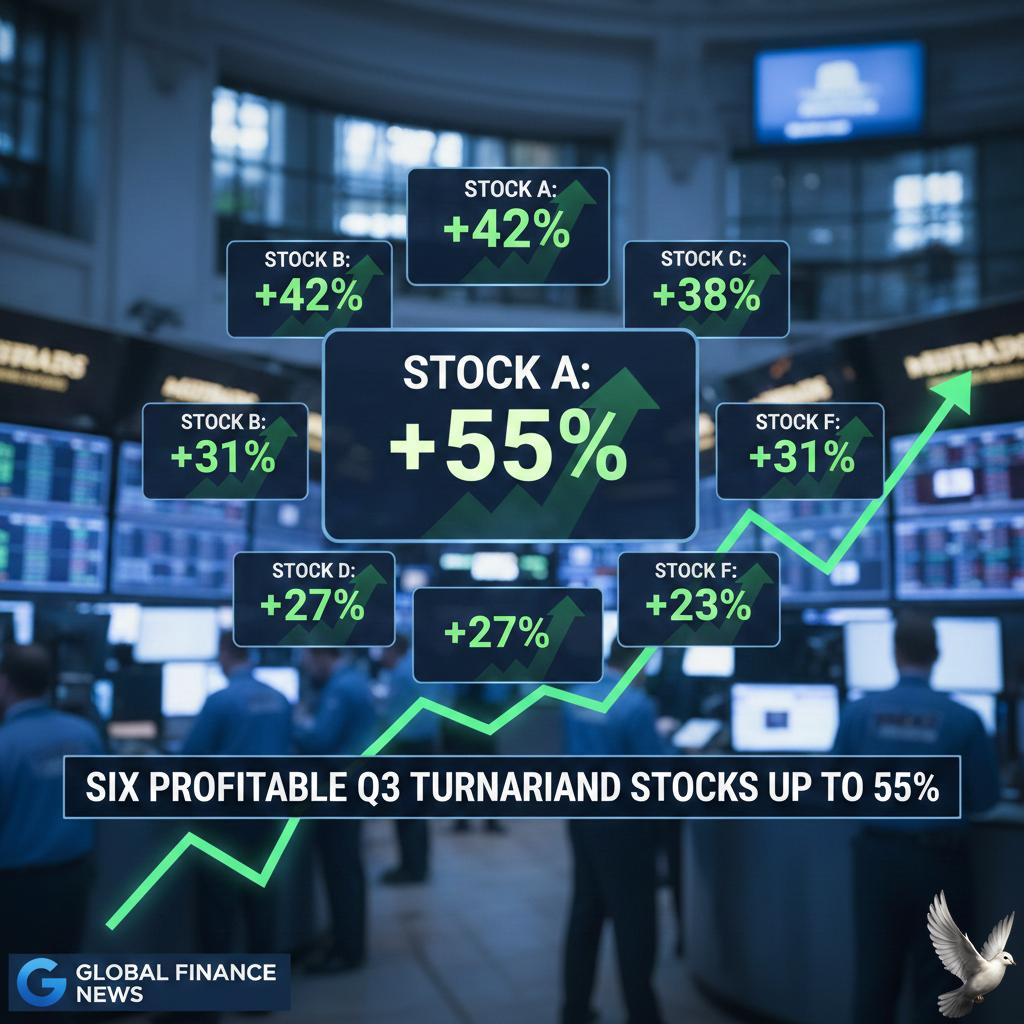
Six Profitable Q3 Turnaround Stocks Rise Up to 55% in Three Months
Indian equity markets have displayed selective resilience through early 2026, characterized by significant profit recoveries and sharp sectoral rotations. As of late February 2026, the benchmark Nifty 50 has stabilized around the 25,556 level, while the BSE Sensex holds firm at approximately 82,418. A standout trend in the December quarter was the return to profitability for 27 BSE-listed companies with market capitalizations exceeding 3,000 crore. This shift has triggered polarized stock movements. While nearly 22% of these newly profitable entities saw share prices surge between 10% and 55%, a larger segment of the market faced corrections. The top five laggards in this category experienced steep declines ranging from 20% to 40% over a three-month period. The exchange operator BSE itself emerged as a top performer, reporting a massive 174% year-on-year jump in consolidated net profit to 601.81 crore for the December quarter. This was fueled by a 122% rise in equity derivatives revenue and a 62% increase in operational revenue, reaching 1,244 crore. Consequently, BSE shares touched a 52-week high of 3,188 in mid-February. Sectoral shifts are currently driving market momentum. Banking and Metal sectors have shown strength, with state-owned banks adding roughly 1.3% in recent sessions. Vedanta, a major metal player, reported a 60% increase in profit to 7,807 crore, supported by a 57% jump in aluminum production. In contrast, the IT sector faces pressure due to evolving automation trends, leading to a 2.1% weekly decline in the Nifty IT index by late February. The broader macro environment remains supported by a series of repo rate cuts by the Reserve Bank of India, which brought the rate down to 5.25% by December 2025 to stimulate liquidity. Retail participation continues to be a structural pillar, with domestic investors now contributing 52% of total capital in key segments. Volatility, as measured by the VIX, stands near 14.36, reflecting a guarded but optimistic sentiment. Investors are currently prioritizing quality large-caps and companies with improving EBITDA margins, which expanded by over 440 basis points for leading market infrastructure firms this quarter. [Stock market news and latest price analysis](https://www.youtube.com/watch?v=isnCoh78j0Q) This video provides a detailed scorecard of top gainers and losers, offering visual context for the market trends and sectoral shifts discussed in the brief. http://googleusercontent.com/youtube_content/0

Indian Defence Stocks Gain on Potential India-Israel Strategic Deal
Defence Sector Update: India-Israel Strategic Pact Defence stocks have witnessed a significant surge, with key players gaining up to **5%** following reports of a landmark bilateral agreement. The rally is driven by Prime Minister Narendra Modi’s high-profile visit to Tel Aviv on **February 25-26, 2026**, where a comprehensive defence framework is being finalized. Market Performance and Indices The **Nifty India Defence Index** reflected the bullish sentiment, trading near the **8,066** mark. Despite broader market volatility, the sector has maintained a **51.75%** return over the past **12 months**. **Bharat Electronics Limited (BEL)** saw its share price rise to approximately **₹439**, supported by a robust order book exceeding **₹74,453 crore**. **Hindustan Aeronautics Limited (HAL)** also experienced increased investor interest, trading around **₹3,985** as markets price in potential long-term manufacturing contracts. Technology Transfer and Indigenous Shields The core of the new pact focuses on an unprecedented **Transfer of Technology (ToT)** rather than simple equipment purchases. This shift aligns with the "Make in India" initiative to develop the **Sudarshan Chakra**, a multi-layered pan-India air defence shield. Key systems under discussion include the **Iron Dome** for short-range threats and the cutting-edge **Iron Beam** laser system. The Iron Beam is noted for its extreme cost-efficiency, estimated at just **$2 per shot**, offering a solution to the economics of drone and missile attrition. Strategic Infrastructure and Offensive Systems Collaboration is expected to extend beyond defensive shields. Discussions include the co-development of: * **Long-range missiles:** Technology for the **Arrow** and **David’s Sling** systems. * **Precision Munitions:** Integration of **Air LORA** supersonic missiles and **Rampage** air-to-ground systems with India's Sukhoi-30MKI fleet. * **Aerial Refuelling:** Modifying commercial aircraft into mid-air refuellers for the IAF and Navy. Economic Impact Beyond security, the visit has triggered the final rounds of an **India-Israel Free Trade Agreement (FTA)**. With bilateral merchandise trade reaching **$3.62 billion** in the **2024-2025** period, the FTA is expected to further scale industrial cooperation in the aerospace and electronics sectors.
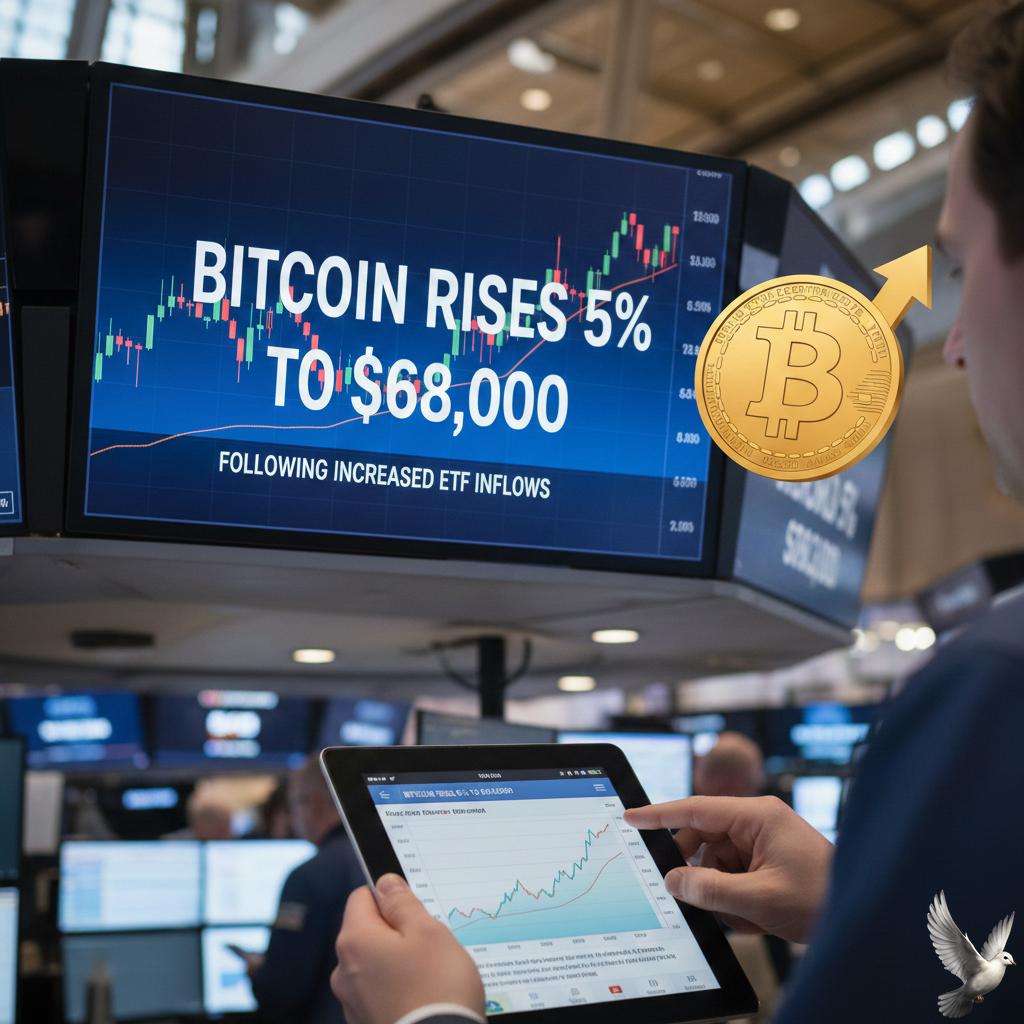
Bitcoin Rises 5% to $68,000 Following Increased ETF Inflows
The digital asset market has entered a phase of sharp recovery as of February 26, 2026. The total cryptocurrency market capitalization has climbed to approximately **$2.35 trillion**, marking a significant rebound after a period of consolidation and heavy outflows. Bitcoin has reclaimed the critical **$68,000** psychological level, recently touching an intraday high of **$69,500**. This move follows a successful defense of the **$64,000** support zone, effectively invalidating the bearish narrative that persisted earlier in the month. The primary driver for this resurgence is a major shift in ETF flows. U.S.-listed spot Bitcoin ETFs recorded a net inflow of **$258 million** on February 25, ending a five-week streak of outflows. Fidelity and BlackRock led this activity with individual inflows of **$83 million** and **$79 million** respectively. The recovery is further amplified by a significant short squeeze. Over **$323 million** in leveraged short positions were liquidated within 24 hours. This forced buying activity created a feedback loop that accelerated price gains across the board. Ethereum has mirrored this bullish momentum, surging over **10%** in a single session to trade around **$2,046**. The move has pushed Ethereum’s market cap to roughly **$245 billion**, representing more than **10%** of the total digital asset market. Altcoins are showing broad-based gains. Solana has risen by **7.7%** to reach **$85.89**, while XRP and Cardano have posted gains of **6%** and **5.9%** respectively. Market outperformers like OM and TAO have seen even more dramatic spikes, rising as much as **45%**. Macroeconomic indicators are providing a supportive backdrop. The U.S. 10-year Treasury yield has eased to approximately **4.04%**, down from recent highs. This stabilization in bond yields has improved risk appetite in the broader financial markets, spilling over into digital assets. U.S. demand is also showing signs of a strong comeback. The Coinbase Bitcoin Premium Index has turned positive for the first time in two months. Bitcoin's price on Coinbase now exceeds that on Binance by over **$10**, signaling renewed institutional and retail interest from American investors. Technically, Bitcoin is currently facing resistance at the **$70,000** and **$72,000** marks. While momentum remains high, some indicators suggest a brief period of consolidation may be necessary before the market attempts to breach these multi-month highs. Liquidity conditions are expected to remain a focus for the remainder of the quarter. Market participants are closely monitoring upcoming economic data and Federal Reserve commentary for signals on the next phase of global monetary policy.
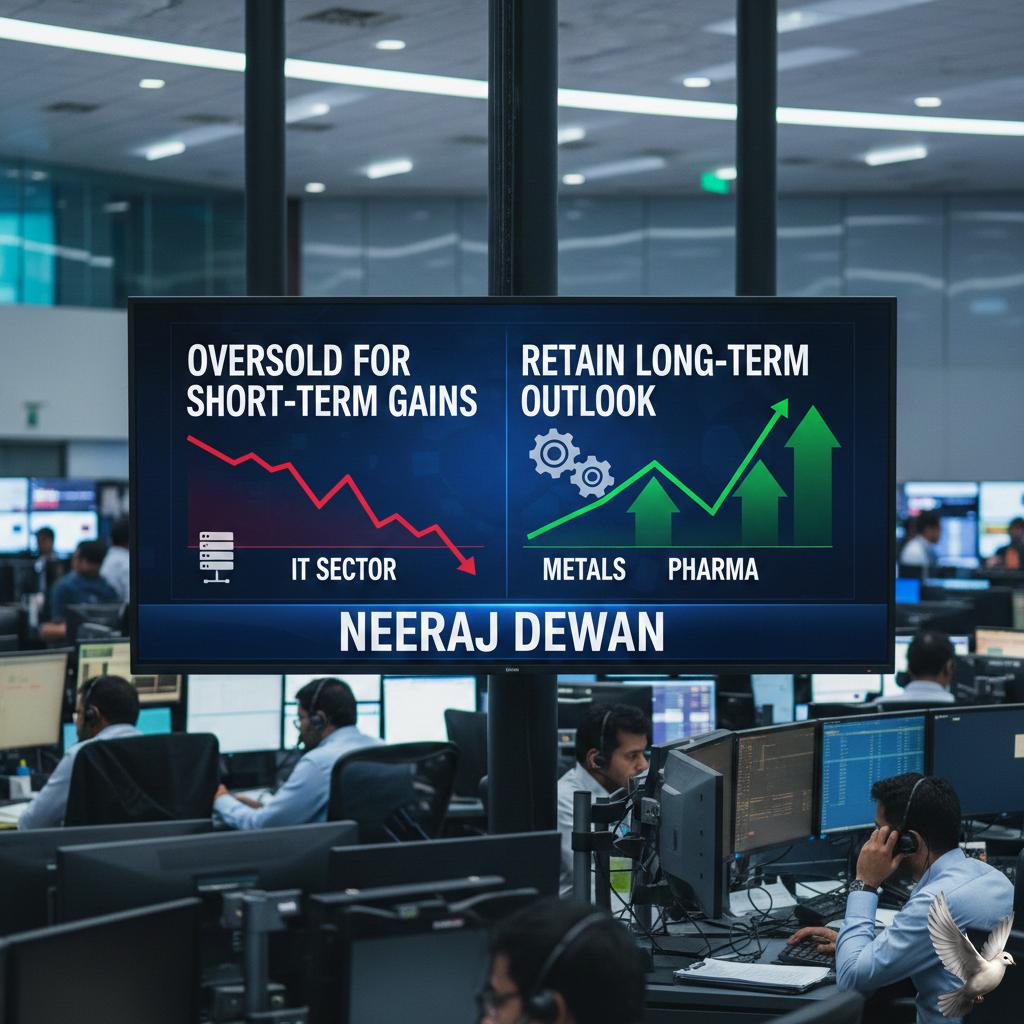
IT Sector Oversold for Short-Term Gains While Metals and Pharma Retain Long-Term Outlook: Neeraj Dewan
Market Outlook: Sector Rotations and Structural Shifts The Indian equity market is navigating a complex landscape of technical recoveries and deep structural transitions. Investors are currently balancing short-term tactical opportunities with long-term disruptions across key industrial and service sectors. Information Technology: The AI Inflection The IT sector has faced a significant sell-off in early **2026**, with the Nifty IT index experiencing a monthly contraction exceeding **21%** in February. This downturn, the sharpest since **2008**, has been triggered by fears that generative AI is commoditizing legacy services and disrupting labor-intensive business models. Despite these structural concerns, the index is currently showing oversold signals with a Relative Strength Index (RSI) between **16.71** and **23.14**. This technical positioning often facilitates short-term trading bounces as valuations become attractive relative to global peers. However, the decoupling of revenue growth from hiring—with only **1.35 lakh** net job additions projected for **FY26**—suggests a permanent shift toward AI-driven efficiency. Solar and Renewable Energy: Value in Volatility Solar energy stocks have entered a consolidation phase after a period of sharp price corrections. Medium-term opportunities are emerging as the government increases its support, notably raising the allocation for the PM Surya Ghar Rooftop Solar scheme to **₹22,000 crore**. While some major players have seen three-year returns dip as low as **-25%**, the underlying sector remains robust. India’s installed solar capacity has surpassed **92 GW**, and the reduction of customs duties on key manufacturing inputs like sodium antimonate is expected to protect margins. Investors are shifting focus toward companies with strong execution capabilities and healthier P/E ratios in a capital-intensive environment. Metals: Strategic Buy-on-Dips The metal sector is benefiting from domestic industrial strength and global price stabilization. India's steel production rose by **9.9%** year-on-year in January **2026**, maintaining a strong growth trajectory. Bullish sentiment is supported by potential import restrictions and higher tariffs on Chinese metals. Market experts suggest a "buy-on-dip" strategy, particularly for base metals and steel, as the national crude steel capacity target remains a priority for **2030**. In precious metals, gold is showing a steady bias with targets nearing the **170,000** level per 10 grams on the MCX. Pharma and Defence: Growth vs. Valuation In the pharmaceutical space, the **GLP-1** obesity segment is a primary growth engine, projected to reach a global market value of **$2.9 billion** in **2026**. While the long-term outlook is structurally positive due to the recognition of obesity as a chronic disease, the segment faces competitive uncertainty as patents expire and oral alternatives enter the market. Defence remains a favored long-term play, though the sector is currently undergoing a "valuation reset." After a pre-budget rally where some stocks gained up to **68%**, the Nifty Defence index saw a sharp **9%** correction in February. While capital expenditure for **FY27** has been raised to **₹2.19 lakh crore**, the market is now prioritizing execution over speculative narratives. This pause in rerating is viewed as a healthy normalization for long-term holders.

Nikkei 225 Records All-Time High Above 59,000 Amid Software Sector Volatility
Japan's Nikkei 225 index reached a historic milestone on Thursday, February 26, 2026, as it surpassed the 59,000 mark for the first time in history. The benchmark index touched an intraday peak of 59,332.43 before settling at an all-time closing high of 58,753.39, marking a 0.3% gain for the session. The rally was primarily driven by a surge in software and technology-related shares. Investor sentiment shifted as previous concerns regarding artificial intelligence (AI) disrupting the software sector were replaced by optimism. Market participants are increasingly focusing on the long-term benefits of AI integration, viewing the technology as a growth catalyst rather than a threat to traditional software business models. This breakthrough comes amid a strong year for Japanese equities, with the Nikkei up approximately 16.4% in 2026 alone. The index has notably outperformed major global benchmarks, including the S&P 500, over the past twelve months. Investor confidence has been bolstered by political stability and the economic policies of Prime Minister Sanae Takaichi, whose "Sanaenomics" framework prioritizes strategic investment in cybersecurity and domestic technology sectors. Economic indicators show Japan is successfully navigating its transition away from decades of deflation. Core consumer inflation remains steadily above the 2% target, supported by robust wage growth. Current projections suggest that labor unions are targeting pay increases of 5% or more in 2026, which would further sustain domestic consumption. Monetary policy remains a key focus for the market. The Bank of Japan (BoJ) continues its path of gradual normalization, with the short-term policy rate currently at 0.75%. While some board members have advocated for more aggressive hikes toward 1.0%, the central bank maintains a data-driven approach. This gradual tightening has led to a moderate strengthening of the Yen, which was recently trading near 155.78 against the US Dollar. Despite the record-breaking performance, some caution remains due to geopolitical tensions. Recent export restrictions imposed by China on several Japanese firms have created a mixed reaction across different industrial sectors. While semiconductor-related stocks like Advantest saw some profit-taking and slight declines, the broader technology ecosystem remains supported by global AI infrastructure demand. The current market environment reflects a structural re-rating of Japanese stocks. Improving corporate governance, including increased share buybacks and better return on equity, continues to attract both domestic and international capital. Analysts note that the shift toward domestic-oriented stocks is gaining momentum as the wage-inflation cycle becomes more entrenched in the Japanese economy.
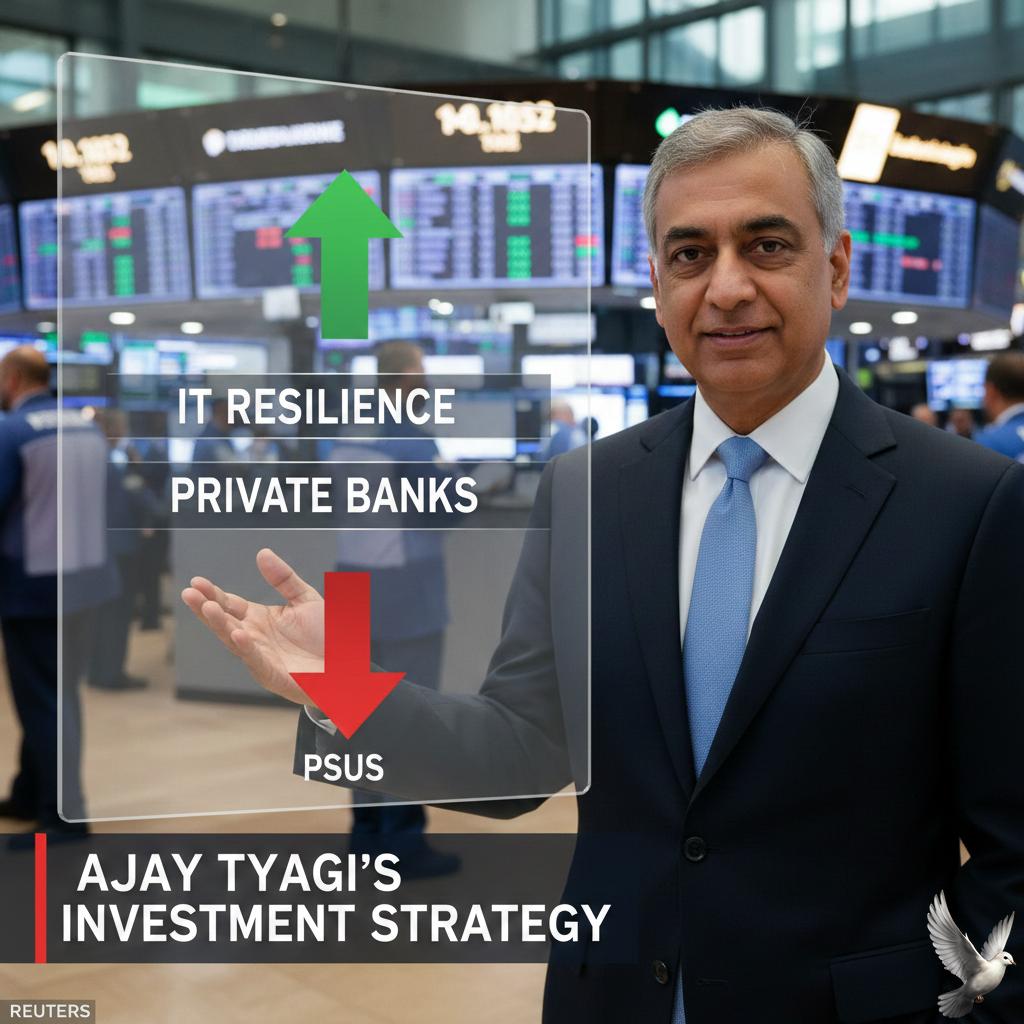
Ajay Tyagi’s Investment Strategy: Favoring IT Resilience and Private Banks Over PSUs
Market Brief: Indian Equities and Sectoral Shifts The Indian equity landscape is navigating a period of valuation tension. Large-cap indices currently trade **15% to 20%** above their historical averages, despite a recent consolidation phase. This premium persists even as corporate earnings growth for FY26 settled near **6% to 7%**, trailing the traditional trend of **12%**. IT Services: Resilience Amid AI Volatility The Nifty IT index has faced significant pressure, retreating nearly **30%** from its late 2024 peaks. February 2026 alone saw a sharp **16%** decline as markets reacted to fears of AI-driven disintermediation. However, valuations have now cooled to a P/E ratio of **22.1x**, aligning closely with the 10-year average of **21.6x**. Contrarian views suggest the threat of AI is overextended. Historical data shows the sector delivering a **15.5% CAGR** over rolling five-year periods. While automation may reduce billable hours in the short term, the transition is viewed as an "upgrading of the toolkit" rather than a total replacement of service models. Quick Commerce: Hyper-Growth and Consolidation The quick commerce sector has transformed into a **$7.1 billion** industry by fiscal year 2025. Market leaders are now focused on SKU depth, expanding beyond groceries into electronics and beauty to increase average order values. Blinkit maintains a dominant market share of over **50%**, followed by Zepto and Swiggy Instamart. While the sector is projected to reach **$35 billion** by 2030, profitability remains a challenge due to high last-mile delivery costs, which are **3 to 5 times higher** in Tier-2 and Tier-3 cities compared to major metros. Banking: The Private vs. PSU Divide A significant divergence has emerged in the banking sector based on liquidity metrics. Many large private banks are operating with Credit-to-Deposit (CD) ratios near **90% to 92%**, leaving little room for further credit expansion without raising high-cost deposits. In contrast, Public Sector Banks (PSUs) maintain healthier CD ratios around **74% to 75%**. This liquidity buffer allowed PSBs to report a combined profit of **₹52,603 crore** in Q3 FY26, an **18%** year-on-year increase. Despite this, some investors maintain a preference for top-tier private banks, citing superior return on assets and better long-term underwriting quality. Market Outlook The Reserve Bank of India has maintained the repo rate at **5.25%**, signaling a neutral stance. While geopolitical tensions and high U.S. interest rates remain external risks, the domestic focus is shifting toward sectors with mean-reversion potential, specifically IT and well-capitalized private lenders.

IIT Professor and Students Benefit from Significant IPO Gains
Pune-based deeptech firm Sedemac Mechatronics has officially set the stage for its stock market debut. The company has fixed its IPO price band at **Rs 1,287 to Rs 1,352** per share, aiming to raise **Rs 1,087.45 crore** at the upper end of the range. The subscription window will open on March 4 and close on March 6, 2026. This listing represents a historic milestone for Indian academia-led entrepreneurship. Founded in 2007 within a lab at IIT-Bombay, the company is led by Professor Shashikanth Suryanarayanan. His 16.16% stake is now valued at nearly **Rs 1,000 crore**. His former students and co-founders are also positioned for significant financial gains as the firm transitions to a public entity. The IPO is entirely an Offer for Sale (OFS) of **80.43 lakh shares**, meaning all proceeds will go to existing shareholders, including promoters and early investors like A91 Partners and the NRJN Family Trust. The company will command a post-listing market capitalization of approximately **Rs 5,913 crore**. Sedemac has demonstrated explosive financial growth. Its profit after tax surged by nearly **700%** in FY25, reaching **Rs 47.05 crore** compared to Rs 5.88 crore the previous year. Revenue for FY25 climbed to **Rs 658.36 crore**, up 24%. The momentum has continued into the current fiscal year, with the company reporting a profit of **Rs 71.4 crore** on revenue of **Rs 770.6 crore** for the nine months ending December 2025. The firm holds a dominant position in the control electronics sector. It currently maintains a **75% to 77% market share** in India for genset controllers. It is also a pioneer in sensor-less motor control technology, supplying critical electronic control units (ECUs) to major global and domestic manufacturers like TVS Motor Company and Bajaj Auto. This IPO arrives as India’s deeptech sector reaches a critical mass. Recent data shows that deeptech now accounts for **15%** of all private equity and venture capital activity in the country. New government regulations have also extended startup recognition for deeptech firms to **20 years**, providing a supportive long-term tailwind for innovation-driven companies like Sedemac. Investors can participate with a minimum lot size of **11 shares**, requiring an investment of **Rs 14,872**. The shares are scheduled to list on both the BSE and NSE on March 11, 2026.

Smallcap AI Firm Gains 20% on US Transportation Contract
XTGlobal Infotech Limited saw its shares skyrocket to a 20% upper circuit on Thursday, February 26, 2026, reaching a price of 33.63 INR on the National Stock Exchange. This massive surge follows the announcement that the company’s U.S. subsidiary, XTGlobal Inc., secured a strategic contract from the Texas Department of Transportation. The six-month engagement, which begins on March 16, 2026, is valued at approximately 796,900 USD, or roughly 7.2 crore INR. This project focuses on transitioning an internal Artificial Intelligence Proof of Concept into a production-ready solution. Key deliverables include AI-driven document generation, compliance automation, and cloud-native deployment to enhance engineering productivity for the U.S. public sector. Managing Director Ramarao Atchuta Mullapudi highlighted that this win strengthens the company's transportation vertical and validates its expertise in high-end AI engineering. The contract also carries the potential for a six-month extension, providing further revenue visibility for the upcoming fiscal year. Market performance for XTGlobal has been notably strong today, with the stock opening at 30.00 INR and quickly hitting the 33.63 INR limit. This move significantly outperformed the broader Nifty IT index, which rose by 0.89%, and the Sensex, which gained 0.17% to reach 82,418.78. Recent financial data underscores a period of rapid growth for the firm. In its Q3 FY26 results for the quarter ending December 2025, XTGlobal reported a 93.7% year-on-year increase in consolidated revenue, reaching 94.41 crore INR. Net profit for the same period climbed to 3.70 crore INR, supported by the integration of Network Objects Inc. The broader Indian IT landscape is currently riding an AI-driven momentum, with the sector expected to contribute nearly 10% to the national GDP by 2026. Experts note that mid-sized firms like XTGlobal are increasingly capturing specialized contracts as global agencies move from AI experimentation to full-scale implementation. Investor interest remains high as the company also recently disclosed a term sheet for a potential acquisition in the U.S. IT services sector. This move aligns with its broader strategy to scale its international footprint and deepen its specialized service offerings in engineering and intelligent automation.
ASX Gains Driven by Mining, Healthcare, and Tech Sectors
The Australian share market reached a historic milestone today, February 26, 2026, with the S&P/ASX 200 surging to a fresh record high for the second consecutive session. The index climbed 48 points or 0.54% to settle at 9,177.30, after briefly touching an intraday peak of 9,202.90. This performance marks a 3.5% gain for the month of February, fueled by a high-conviction earnings season and shifting global trade dynamics. Mining heavyweights led the charge as the Materials sector extended its winning streak to eight months. BHP hit a record close of $57.75, rising 2.2%, while Rio Tinto climbed 3.7%. These gains come despite mixed signals in iron ore futures, which are currently fluctuating near $99.07 per ton. Investors are instead prioritizing strong corporate fundamentals and a recent 10% surge in copper prices, which reached approximately $5.80 per pound. The Healthcare sector also provided significant momentum, rising 1.6% today. Ramsay Health Care was a standout performer, jumping 10.4% to $42.00 after reporting a 9.7% increase in half-year revenue to $9.34 billion and raising its interim dividend by 6.3%. Telix Pharmaceuticals followed suit with a 10.9% advance, reinforcing the sector's role as a primary engine for the current rally. Technology and Financials continue to support the broader index, with the "Big Four" banks delivering robust results. Commonwealth Bank recently reported a record first-half cash profit of $5.45 billion, triggering a sector-wide re-rating. Overall, 66% of reporting companies have increased dividends this season, significantly outperforming historical norms and providing a steady cushion for equity valuations. In the aviation sector, Qantas Airways experienced a volatile session following its half-year results. While the airline reported an underlying profit before tax of $1.456 billion and announced a $150 million share buy-back, the stock dived 9.8% to $9.61. Investors reacted to missed statutory profit expectations and rising concerns over international division costs, airport charges, and government fees. Looking ahead, the market remains focused on the Reserve Bank of Australia’s next move. Current pricing indicates a 20% chance of a rate hike in March, with a full 25-basis-point increase fully priced in for June. Despite these hawkish undertones and geopolitical tensions affecting energy prices, technical analysis suggests the ASX 200 maintains a bullish trajectory with potential targets between 9,400 and 9,500 in the coming months.

Biocon CEO: Liraglutide Market Outlook Remains Positive Following Novo Nordisk Price Adjustments
Biocon is making significant strides in the global GLP-1 market, a therapeutic segment valued at over 157 billion dollars by 2035. Under the leadership of CEO Siddharth Mittal, the company has secured a critical milestone with the U.S. FDA approval of its generic Liraglutide injection for chronic weight management. This approval, announced on February 24, 2026, allows Biocon to target a 127 million dollar addressable market in the United States alone. The company is now prioritizing the immediate commercialization of the drug to provide an affordable alternative to branded treatments. The European strategy is also gaining momentum. Biocon has already launched Liraglutide in the United Kingdom and the Netherlands, marking its first direct brand launches in the European Union. These moves are supported by a decentralized procedure approval that paves the way for expansion across more European territories in the coming months. While Liraglutide provides immediate growth, Semaglutide represents the long-term pillar of Biocon’s metabolic portfolio. The company has completed development and is currently filing for regulatory reviews in major emerging markets, including Brazil and Canada. To accelerate its global reach, Biocon recently signed a strategic licensing agreement with Ajanta Pharma to market Semaglutide in 26 countries across Africa, the Middle East, and Central Asia. This partnership is designed to leverage existing distribution networks, with commercial launches expected to begin in late 2026 or early 2027 as patents expire. Financially, the group is showing strong performance. In the quarter ended December 2025, consolidated net profit surged to 143.80 crore rupees, a dramatic increase from 25.10 crore rupees in the previous year. Revenue for the period rose by over 9 percent to 4,123 crore rupees. Institutional confidence remains high, as evidenced by a successful 4,150 crore rupee fundraising through a Qualified Institutional Placement in January 2026. This capital injection is intended to reduce debt and fund the expansion of drug product lines at the company’s vertically integrated facilities. Biocon’s stock has reflected this positive outlook, trading near 392 rupees as the market reacts to the steady stream of regulatory approvals and geographic expansion. The company’s focus remains on capturing market share in the generic GLP-1 space before the competitive landscape shifts further toward long-acting and oral formulations.

NSE Seeks Bank Mandates for Proposed $2.5 Billion IPO
The National Stock Exchange of India (NSE) has intensified its march toward a public listing, inviting major investment banks to pitch for key roles. Under the guidance of Rothschild & Co., the exchange is reviving its long-awaited IPO following a significant regulatory breakthrough in early 2026. Market analysts estimate the potential IPO size at approximately 21,000 to 24,500 crore INR. This valuation is based on a projected 5% dilution of existing shares. The issue is expected to be a pure Offer for Sale (OFS), meaning current shareholders will liquidate parts of their holdings without new capital being raised for the exchange itself. Recent secondary market data indicates robust investor interest. Unlisted shares of the NSE are currently trading in the range of 1,950 to 2,050 INR per share. This translates to an implied market capitalization of nearly 4.95 lakh crore INR, reflecting a valuation multiple of roughly 55 times price-to-earnings. The timing of this revival coincides with a period of high activity in the Indian equity markets. As of late February 2026, the Nifty 50 remains resilient near the 25,500 level, while the BSE Sensex trades around 82,400. Total market capitalization of all companies listed on the NSE recently surpassed 460 lakh crore INR, reinforcing the exchange's dominant position. The shareholder base of the NSE is the largest for any unlisted entity in India, with nearly 1.9 lakh investors. Institutional giants such as LIC (10.7%), Temasek (4.5%), and SBI (3.2%) hold significant stakes. The exchange continues to dominate the derivatives segment, which serves as its primary revenue engine. Despite past governance hurdles and regulatory probes, the report of a key clearance from the market regulator in January 2026 has shifted the narrative. Management now targets a formal listing by the end of 2026, subject to final approvals. Investors are closely monitoring the impact of increased Securities Transaction Tax (STT) on derivatives volumes. However, the resilient pricing in the unlisted market suggests that the structural dominance of the NSE remains the primary driver for its upcoming public debut.

Waaree and Premier Energies Shares Gain 2% Amid Analyst Outlook on US CVD Impact
Indian solar energy stocks demonstrated resilience on Thursday, February 26, 2026, recovering from a sharp sell-off triggered by trade tensions with the United States. Shares of major players like Waaree Energies and Premier Energies traded in positive territory, marking a pivot in investor sentiment. The sector faced intense pressure earlier in the week after the U.S. Department of Commerce announced a preliminary countervailing duty of 125.87% on crystalline silicon photovoltaic cells and modules from India. This duty is part of a broader investigation that also affects imports from Indonesia and Laos, aiming to counter alleged government subsidies. Market reaction was initially severe, with Waaree Energies sliding 10.5% and Premier Energies dropping 6% on Wednesday. However, by Thursday morning, Waaree Energies climbed over 1% to approximately ₹2,737.80 on the NSE. Premier Energies and other industry peers also stabilized as brokerage firms issued reassuring outlooks. Analysts emphasize that the long-term impact on leading Indian firms may be minimal. Premier Energies has already reduced its U.S. exports to negligible levels, focusing instead on a booming domestic market. Similarly, Waaree Energies is mitigating risks by expanding its localized manufacturing presence within the United States and diversifying its global supply chain. The domestic landscape remains a primary growth engine. India's installed solar capacity crossed the 140 GW mark in early 2026, supported by robust government initiatives like the PM Surya Ghar Rooftop Solar scheme. The Union Budget 2025-26 further bolstered the sector by increasing allocations for rooftop solar to ₹22,000 crore and removing basic customs duties on critical manufacturing components like sodium antimonate. Despite the U.S. trade hurdles, India's solar manufacturing capacity continues to expand rapidly. The country is currently adding roughly 17 GW to 20 GW of utility-scale solar annually. With a national target of 500 GW of non-fossil power capacity by 2030, the shift toward domestic self-reliance is expected to offset potential export losses. Investor confidence is currently supported by strong corporate earnings. For the quarter ending December 2025, Waaree Energies reported a significant revenue surge of 119% year-over-year, with net profits rising to ₹1,107 crore. These fundamentals suggest that while trade volatility persists, the structural demand for green energy remains a dominant force.
Tejas Networks Shares Rise 10% Following Four-Day Decline
Tejas Networks shares surged today, February 26, 2026, gaining approximately 10% to hit an intraday high of ₹349.65. This rally effectively snapped a four-day losing streak and was triggered by the announcement of a strategic agreement with NEC Corporation. Under this pact, Tejas will manufacture and supply 5G massive MIMO radios, a move designed to diversify the global telecom supply chain. Massive MIMO technology is a critical component of 5G infrastructure. By using dozens of antennas to create precise data beams, it significantly increases network capacity and signal reliability. Tejas will provide high-capacity 32TR and 64TR radios that comply with global O-RAN standards, positioning the company as a key player in the transition to 5G-Advanced solutions. The market reaction has been swift, with nearly 1.6 million shares changing hands on the BSE alone. The stock’s performance today outpaced the broader Sensex, which saw a modest gain of 0.27%. While the company has faced a challenging year with a 52-week high of ₹914.50 and a low of ₹294.10, today’s 8% to 10% jump reflects renewed investor confidence in its international expansion strategy. Financial data for the third quarter of fiscal year 2026 shows a revenue increase of 17% to ₹307 crore. Despite this growth, the company reported a net loss of ₹197 crore for the quarter, largely due to high inventory levels and operational costs associated with large-scale projects. However, the order book remains healthy at ₹1,329 crore, with a significant 92% of orders currently coming from the Indian market. The collaboration with NEC is expected to shift this balance by scaling the company’s wireless business across Europe, Latin America, and Africa. This partnership follows a previous memorandum of understanding valued at $500 million aimed at co-developing 6G technologies and promoting Indian exports. India is currently the second-largest 5G market globally, with over 400 million subscribers. Local infrastructure deployment has reached 99.6% of districts, supported by nearly 4.69 lakh base stations. The Indian 5G market is projected to grow to over $178 billion by 2031, providing a massive domestic runway for Tejas as it integrates into the global ecosystem through the Tata Group's backing. Current market data shows Tejas Networks trading above its 5-day and 20-day moving averages, indicating a strong short-term rebound. The company continues to invest heavily in innovation, filing 26 new patents this quarter to reach a global total of 613. These advancements in indigenous 4G and 5G stacks are central to the company's goal of achieving long-term technical self-reliance and international competitiveness.

Indian Rupee Tracks Sideways as Peer Emerging Market Gains Driven by Tech and Commodities Diverge
The Indian rupee remains in a tight range as of late February 2026, currently trading near **90.94** against the U.S. dollar. While a slight softening of the dollar index to **97.12** has provided brief breathing room, the currency continues to punch below its weight. It has faced a year-to-date decline of approximately **2.0%**, significantly lagging behind its emerging market peers. Central bank activity is the primary anchor for the currency at these levels. The Reserve Bank of India recently intervened to defend the psychologically critical **91.00** mark. Market dealers report that the central bank is actively selling dollars to curb excessive volatility, even as importers capitalize on any minor rupee gains to fulfill their dollar requirements. The equity market is currently navigating a period of sharp sectoral divergence. The **BSE Sensex** and **Nifty 50** have seen notable pressure, with the Sensex recently dropping over **1,060 points** in a single session. This volatility is largely driven by a massive sell-off in the technology sector. The **Nifty IT** index plummeted nearly **5.0%** recently, as investors weigh the disruptive impact of artificial intelligence on traditional service models. Global investors are shifting their focus toward markets with heavy exposure to commodities and high-growth tech hardware. In India, this has led to a rotation out of IT and into defensive and cyclical pockets. Sectors such as **Energy**, **Metals**, and **FMCG** have shown relative resilience. Specifically, the **Nifty Bank** index has risen by **1.64%** recently, supported by strong performance in public sector banks. Capital flows reflect a "debt-led" recovery in investor sentiment. While secondary market equities saw a net outflow of **4.55 billion INR** in mid-February, the debt market attracted over **51 billion INR** in a single week. This suggests that while stock valuations and tech disruption cause caution, India’s fixed-income opportunities remain a significant draw for foreign portfolio investors. The near-term outlook remains cautious. Analysts expect the rupee to fluctuate between **90.50 and 92.00** as the market balances strong domestic GDP growth, projected at **7.4%**, against a widening merchandise trade deficit that reached **34.68 billion USD** in January. Equity performance is expected to remain volatile until there is greater clarity on global trade policies and the long-term margins of the technology sector.
Nykaa Leads Internet Stocks with 64% Rally Amid Valuation and Risk-Reward Evaluation
FSN E-Commerce Ventures, the parent entity of Nykaa, has emerged as a top performer in the consumer internet sector, with its stock price surging 64% over the past year. As of late February 2026, the shares are trading near **₹268**, maintaining momentum after hitting a 52-week high of **₹285.60**. This rally is anchored by a significant shift in the company’s financial health. In the third quarter of fiscal year 2026, Nykaa reported a consolidated net profit of **₹63.31 crore**, representing a 143% jump compared to the same period last year. Revenue from operations also saw a robust climb of 27%, reaching **₹2,873 crore**. The Beauty and Personal Care (BPC) segment remains the primary engine of growth, contributing over 90% of total revenue. Strategic focus on premiumization and a high-frequency customer base has driven this vertical to scale, with premium users reportedly spending nearly nine times more than the average shopper. Operational efficiency has seen marked improvement, with EBITDA margins expanding to 8% from 6.2% a year prior. This gains stem from better cost management and the rising contribution of "House of Nykaa" owned brands, which offer higher margins than third-party labels. The Fashion vertical, while still smaller, is showing signs of stabilization. Management has targeted a breakeven for this segment by the end of fiscal 2026. Gross Merchandise Value (GMV) across all platforms grew 28% year-on-year to **₹5,795 crore**, supported by an expanding offline footprint of over 270 stores. Market analysts remain divided on the stock’s immediate future. While some see the recent rally as a long-overdue re-rating driven by structural profitability, others point to a high price-to-earnings (P/E) ratio as a sign of expensive valuation. Consensus price targets hover around **₹289**, suggesting a potential 10% upside from current levels. Traders have noted a sharp increase in open interest in the derivatives segment, indicating high market activity and shifting directional bets. Short-term technical indicators show minor weakness as the stock trades below its 5-day moving average, though it remains firmly above its 200-day long-term trend line. The company is also pivoting toward speed to stay competitive. The "Nykaa Now" rapid-delivery service is active in major cities, fulfilling some orders in under 10 minutes. This move aims to capture impulse-led purchases and increase order frequency among its 52 million active customers.

Angel One Share Price Adjusts Following Stock Split and Bonus Issue
Angel One shares experienced a perceived price collapse on February 26, 2026, as the stock adjusted for its first-ever 1:10 stock split. The shares opened at 251.00 INR, contrasting sharply with the previous day's closing price of 2,489.90 INR. This 90% price reduction is a technical adjustment rather than a loss of value. Under the 1:10 ratio, every equity share with a face value of 10 INR has been subdivided into 10 shares with a face value of 1 INR each. The corporate action aims to enhance liquidity and make the stock more accessible to retail investors. While the number of outstanding shares has increased tenfold to approximately 90.85 crore, the company’s total market capitalization remains stable at approximately 22,600 crore INR. Operational momentum for the brokerage remains strong despite the price adjustment. Angel One reported a 20.8% year-on-year growth in its client base, reaching 36.39 million as of January 2026. Monthly client additions rose 1.9% from December, reflecting sustained retail interest. Average daily turnover (ADTO) surged by 107.8% year-on-year to 64.07 lakh crore INR in January 2026. The F&O segment continues to drive the bulk of this activity, contributing 62.45 lakh crore INR to the total turnover. Financially, the company remains profitable with a reported consolidated net profit of 269 crore INR for the quarter ending December 2025. Although this was a minor 4.5% dip year-on-year, it represented a 26.9% sequential growth, supported by a revenue climb to 1,335 crore INR. The board recently rewarded shareholders with an interim dividend of 23 INR per share on the pre-split face value. Strategic focus has also shifted, with the company withdrawing a previous proposal to transfer its core broking business to a subsidiary to maintain its current operational framework. Market analysts maintain a generally positive outlook on the stock's long-term trajectory. Current price targets from major brokerages range between 3,000 INR and 3,860 INR on a pre-split basis, which equates to roughly 300 INR to 386 INR in the new post-split environment. The brokerage industry in 2026 continues to benefit from a "capex super cycle" and a digital economy ecosystem. With demat accounts in India surpassing the 18-crore mark, Angel One's move to lower the entry price for its shares aligns with the broader trend of rising retail participation in equity markets. [Angel One 1:10 Stock Split Update](https://www.youtube.com/watch?v=KMuRXe3bkHA) This video provides a broader perspective on the financial sector trends and top brokerage recommendations for 2026, helping investors understand the environment in which Angel One is operating. http://googleusercontent.com/youtube_content/0

Dipan Mehta Bullish on NBFC Sector Citing Improved Balance Sheets
Market activity on **February 26, 2026**, reflects a landscape of cautious optimism and sharp sectoral rotation. The Nifty 50 is holding steady above the **25,500** mark, while the Sensex remains flat near **82,400**. This stability follows a period of heightened volatility, with the India VIX cooling to **13.49**, down from recent highs of **14.36**. Financials and Pharma Strength Diversified Non-Banking Financial Companies (NBFCs) are emerging as a preferred segment as balance sheets show significant improvement. A widespread cleanup of microfinance and MSME unsecured portfolios has strengthened the sector’s foundation. Preferred focus remains on multi-product lenders over niche players, with industry leaders like Bajaj Finance and L&T Finance maintaining high visibility. The pharmaceutical sector continues to attract defensive interest, with expectations of **7–9%** revenue growth for the fiscal year **2026**. Domestic market demand remains the primary driver, projected to expand by **8–10%**, while exports to Europe are forecasted to grow by **10–12%**. Investors are increasingly overweight on the sector, particularly monitoring the growing GLP-1 opportunity and a potential turnaround in CDMO players. Real Estate and Solar Evolution Caution is advised in the real estate space, where high supply and ongoing valuation adjustments are prompting a more selective approach. Large developers with strong annuity assets and recurring rental income are favored, with companies like DLF and Prestige positioned as key benchmarks. The solar industry is navigating short-term challenges following a preliminary **126%** duty on Indian solar imports to the US. Despite this, the long-term outlook remains positive, with the domestic market valued at **$14.89 billion** in **2026**. Industry sentiment suggests that these tariffs will not significantly derail the broader manufacturing push, which is targeting a compound annual growth rate (CAGR) of **19.05%** through **2031**. Structural Shifts in Metals and Tobacco The metal sector, having recently served as a major market outperformer, is entering a cyclical slowdown. Fresh entries are being approached with caution, as current price levels may not sustain historical outperformance. Tobacco stocks, notably ITC, are facing a structural shock following the implementation of the **Central Excise Amendment Bill 2025**. Effective **February 1, 2026**, sharp excise duty hikes of **₹2,050 to ₹8,500** per **1,000** sticks have been levied on top of the existing **40%** GST. This regulatory shift has pushed ITC toward a **52-week low** near **₹302**, as analysts predict a necessary **33%** price hike to offset the tax impact. Growth projections for the segment remain subdued, with a focus on potential volume protection over immediate profitability.