Bullish News
Collection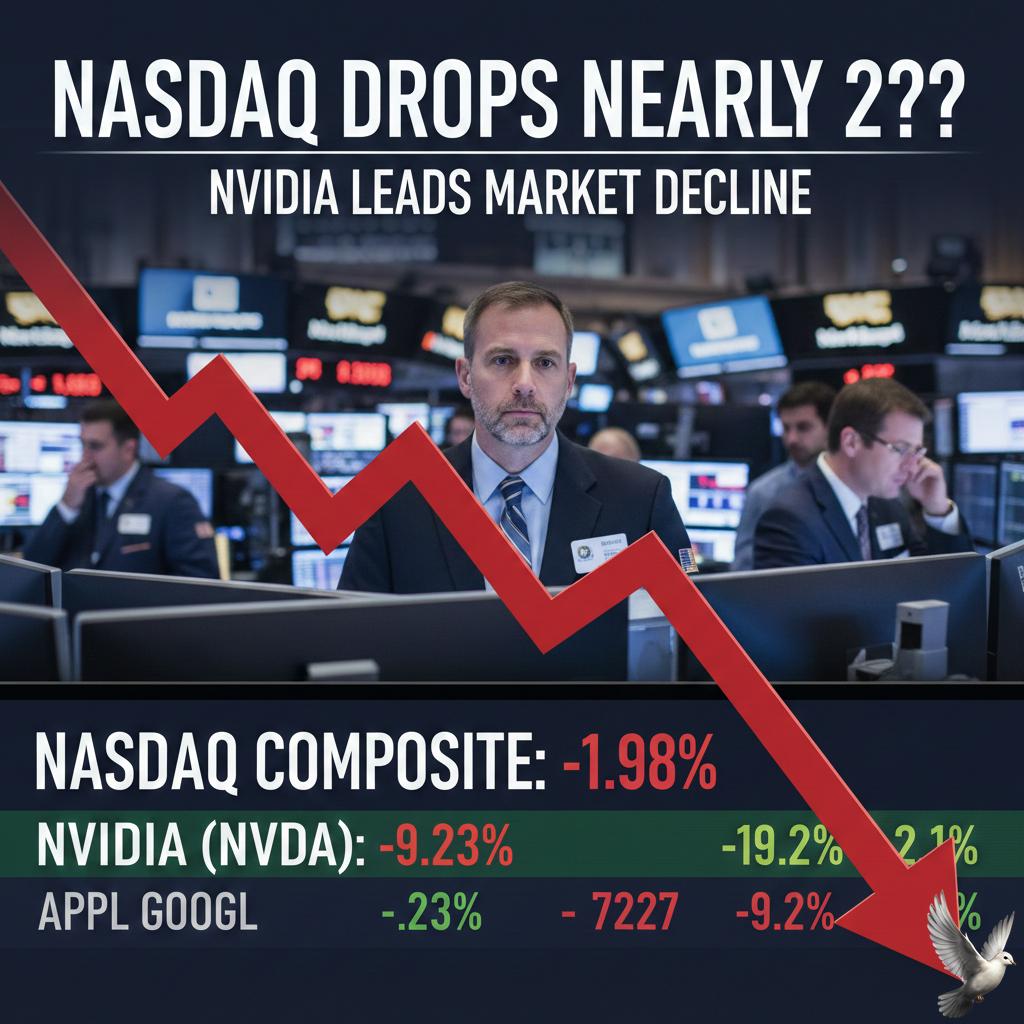
Nasdaq Drops Nearly 2% as Nvidia Leads Market Decline
Market dynamics shifted sharply following the release of high-stakes earnings from the technology sector's most influential players. While headline figures often surpassed expectations, the nuanced reactions from Wall Street highlight a growing scrutiny of the artificial intelligence trade. Nvidia recently reported fiscal fourth-quarter results that technically outpaced analyst projections. The company posted a staggering **$68.1 billion** in revenue, marking a **73%** increase compared to the previous year. Net income reached **$39.5 billion**, roughly **5%** higher than consensus estimates. Despite this performance and a robust forecast of **$78 billion** for the upcoming quarter, the stock price experienced a retreat. The market response saw Nvidia shares tumble approximately **4.7%** in the immediate aftermath. This decline pulled the S&P 500 down by **0.8%**, or nearly **56 points**, as investors weighed the sustainability of massive infrastructure spending. Currently, Nvidia’s data center business accounts for more than **91%** of its total sales, leaving the company highly sensitive to any shift in capital expenditure from major cloud providers. In the software space, Salesforce provided a contrasting narrative. The CRM giant reported quarterly revenue of **$11.2 billion**, up **12.1%** year-over-year. Most notably, its non-GAAP profit of **$3.81** per share delivered a significant **24.9%** surprise over the **$3.03** expected by analysts. The company also demonstrated strong momentum in its AI-driven Agentforce and Data 360 units, which saw annual recurring revenue surge **200%** to **$2.9 billion**. However, Salesforce's outlook for fiscal year 2027 remains a point of contention. Management guided revenue to approximately **$46 billion**, which fell slightly short of some aggressive analyst targets. This conservative forecast reflects broader concerns that corporate software budgets are being tightened or redirected toward hardware, leading to a mixed reaction in the stock's price action. Broader market indices are reflecting this volatility. The S&P 500 has been trading in a holding pattern between the **6,800** and **7,000** levels. Technical indicators show the index attempting to maintain its position above the 50-day moving average near **6,900**. While the technology sector has faced a nearly **20%** drawdown in specific software niches this year, the overall AI chip market remains on a path toward massive growth. The global AI chip market is currently valued at approximately **$94.44 billion** for 2025. Projections suggest this sector could skyrocket to over **$1.1 trillion** by 2035, maintaining a compound annual growth rate of nearly **28%**. While short-term profit-taking and high valuation concerns persist, the underlying demand for accelerated computing continues to drive the fundamental narrative of the global economy.
US Weekly Jobless Claims Rise Slightly Amid Labor Market Stabilization
The U.S. labor market is currently operating in a "low-hire, low-fire" state, characterized by historical stability and minimal fluctuations in both layoffs and new employment. Recent Department of Labor data for the week ending February 21, 2026, shows that initial jobless claims rose by **4,000** to a seasonally adjusted **212,000**. This figure arrived slightly below the consensus forecast of **215,000** to **217,000**, confirming that large-scale layoffs remain absent from the current economic landscape. The four-week moving average for new claims, which smoothes out weekly volatility often caused by holidays like Presidents' Day, stands at **220,250**. This represents a marginal increase of **750** from the previous week's revised average. Continuing claims, which track the number of people already receiving unemployment benefits, decreased by **31,000** to **1.83 million**. This level is among the lowest recorded in the last 10 months, suggesting that while hiring is cautious, those currently in the workforce are largely maintaining their positions. The national unemployment rate for February 2026 is expected to hold steady at **4.3%**, following a similar reading in January when it fell from **4.4%**. Market indicators show a significant rebalancing in the leverage between employers and job seekers. The ratio of job openings per unemployed person has declined to **0.9**, a post-pandemic low that shifts the advantage toward employers. Business sentiment remains cautious as firms navigate a complex environment of global tariffs and the rapid integration of artificial intelligence. These factors have contributed to a "frozen" labor market where voluntary quits have returned to 2018 levels. While the economy added a robust **130,000** jobs in January—well above forecasts—the broader trend shows a clear deceleration. Average monthly gains for the past year sit at approximately **30,000** jobs, a sharp decline from the **103,000** monthly average seen in early 2025. Consumer confidence ticked higher this month to **91.2**, up from **89.0** in January. Despite this, households report that jobs are becoming "harder to get," with the median duration of unemployment hovering near four-year highs. Federal Reserve policymakers are monitoring these stable yet subdued figures closely. The current equilibrium of low firing and slow hiring supports expectations that interest rates will remain unchanged through at least the second quarter of 2026.

NSE CEO Proposes Eligibility Criteria for Derivatives Trading
NSE Proposes Entry Barriers for Derivatives Trading The National Stock Exchange (NSE) has intensified its stance on retail safety in the high-risk futures and options (F&O) segment. On **February 26, 2026**, NSE Managing Director and CEO Ashishkumar Chauhan advocated for the implementation of **"minimum qualifying criteria"** for individuals wishing to trade derivatives. This proposal aims to create a regulatory gate, similar to frameworks used in the **United States** and **Singapore**, to prevent economically vulnerable citizens from losing essential savings to market speculation. The Rationale for Restriction The call for stricter entry norms is driven by recent data from the Securities and Exchange Board of India (SEBI), which revealed that **over 90%** of retail traders consistently lose money in the derivatives market. Chauhan emphasized that a developing nation like India cannot afford to have its "lower strata" waste financial resources and energy on aggressive speculation. While derivatives are vital for capital formation and risk transfer, the exchange head argued that the current level of retail participation requires urgent correction to ensure long-term economic stability. Market Context and Benchmarks As of late **February 2026**, the Indian markets continue to show high volatility and significant retail engagement. * **Nifty 50** is currently trading near the **25,500** level. * The **Nifty Bank** index is hovering around **61,190**. * **India VIX**, the fear gauge, remains active near **13.50**, indicating persistent intraday swings. Recent fiscal measures have already targeted speculative volumes. The **2026-27 Union Budget** implemented a significant hike in the **Securities Transaction Tax (STT)**. Specifically, STT on futures was raised to **0.05%**, while the tax on options premiums increased to **0.15%**. These changes were designed to discourage high-frequency retail churning and shift focus back toward the cash segment. Competitive Landscape: Retail vs. Institutions A major factor behind the proposed "qualifying criteria" is the massive technological gap between retail traders and institutional players. In **FY24**, while retail participants suffered heavy losses, Foreign Portfolio Investors (FPIs) recorded gross trading profits of **₹28,000 crore** in the F&O segment. Proprietary trading firms earned another **₹33,000 crore**. These entities utilize institutional-grade infrastructure and algorithms, making it difficult for individual traders using basic mobile apps to compete effectively. New Transparency Standards Alongside entry barriers, SEBI has introduced fresh mandates to curb "finfluencer" influence and unregulated advice. Starting **May 1, 2026**, all SEBI-regulated entities must clearly disclose their registration numbers on every social media post and video. This move, combined with the proposed eligibility filters, signals a transition toward a more structured and professionalized trading environment in India. The exchange believes these hurdles are necessary to protect the domestic economy from the fallout of widespread speculative losses.

**SEBI Mandates Social Media Registration Disclosures for Market Intermediaries Effective May 1**
The Securities and Exchange Board of India (SEBI) has finalized a significant regulatory shift for the digital age, mandating that all regulated entities and their agents prominently display their registered names and SEBI registration numbers on social media. This directive targets the rising tide of "finfluencer" misinformation. By enforcing these disclosures, the regulator aims to provide investors with a clear "verification shield," allowing them to instantly distinguish between legitimate, accountable professionals and unregistered individuals. **The Enforcement Landscape** The timing of this mandate coincides with a period of intense digital surveillance. SEBI has reportedly flagged over **100,000 instances** of misleading online content across platforms like Telegram, X, and Meta over the last **18 months**. To maintain market integrity, the regulator has integrated advanced monitoring tools to scan for "buy/sell" signals and unverified claims. Regulated entities—including stockbrokers, investment advisers, and research analysts—are now responsible for all content shared under their brand, including posts by employees and authorized partners. **Market Context: February 2026** The Indian equity markets continue to show resilience amidst these structural changes. As of **February 26, 2026**, the benchmark Nifty 50 is trading near the **25,500** level, marking a steady recovery with a **0.29%** gain in recent sessions. The Sensex remains stable around **82,418**, supported by a rotation into high-quality large caps. While foreign institutional investors (FIIs) have shown selective selling, domestic institutional investors (DIIs) have provided a cushion, buoyed by consistent SIP inflows. **Key Performance Indicators** The Portfolio Management Services (PMS) industry highlights the scale of capital now requiring protection. Assets Under Management (AUM) in the PMS sector have surged to **₹10.5 lakh crore** as of early **2026**, up from **₹5 lakh crore** in **2021**. The number of PMS clients has grown by approximately **50%** since **2022**, reaching **2.15 lakh**. This rapid expansion underscores why the regulator is tightening the "Fit and Proper" person criteria and digital disclosure norms. **Investor Safeguards and Restrictions** Beyond simple registration displays, the new framework introduces several strict prohibitions for social media communication: * **No Assured Returns:** Any mention of "guaranteed" or "risk-free" profits is strictly banned. * **Past Performance:** References to historical gains are prohibited unless they follow specific SEBI-prescribed disclosure formats. * **Verification Ties:** Social media platforms are now collaborating with SEBI to verify advertisers using contact details registered on the SEBI portal. This transition from advisory guidelines to active enforcement marks a new era of accountability. For the retail investor, the message is clear: credibility in the **2026** market is no longer defined by "likes" or followers, but by verifiable regulatory credentials.

Sebi Working Groups Submit Review Reports on Agricultural Derivatives to Chairperson
SEBI Strategic Review: Agri-Commodity Derivatives Market regulator SEBI has received pivotal reports from specialized working groups tasked with overhauling the **agricultural commodity derivatives** segment. The findings were submitted to Chairman Tuhin Kanta Pandey on **Thursday, February 26, 2026**. This review targets the core of market operations: the delivery and settlement frameworks alongside existing regulatory norms. The goal is to optimize the ecosystem for farmers and institutional players without compromising market integrity. Current Market Performance The Indian agricultural derivatives market is currently navigating a period of diverging price trends. As of late February 2026, sector-specific fundamentals are driving volatility across key commodities: * **Jeera (Cumin):** Facing downward pressure, with prices trading near **₹22,495** per quintal, reflecting a **2.07%** daily decline. * **Turmeric:** Seeing a significant correction of **2.59%**, with spot prices currently around **₹15,833**. * **Dhaniya (Coriander):** Experiencing sharp volatility, recently dropping over **4.5%** in a single session. * **Maize:** bucking the trend with a **2.20%** gain, driven by industrial and feed demand. Regulatory Focus Areas The working groups have focused on removing operational bottlenecks that historically limited participation. Key areas under scrutiny include: **Margin and Position Limits** The regulator is evaluating if current caps on contract holdings—many of which have remained unchanged since **2016**—should be expanded. This would allow larger players and institutional hedgers to manage risk more effectively as market volumes grow. **Delivery and Settlement** The reports examine the "physical delivery" mechanism to ensure it is seamless. This involves addressing **GST-related hurdles** that often complicate the transfer of commodities through exchange platforms. **Institutional Integration** Chairman Pandey has emphasized a push for deeper liquidity. SEBI is actively engaging with the **RBI** and **IRDAI** to facilitate the entry of banks and insurance companies into the commodity space. Broader Economic Context The focus on agricultural derivatives comes as India's capital markets reach record scales. Total assets under management for the Mutual Fund industry have surged to **₹81 trillion** by early 2026, while Foreign Portfolio Investor (FPI) assets have reached **₹78 trillion**. By streamlining the agri-commodity segment, the regulator aims to provide a resilient, non-correlated asset class for these investors while providing farmers with better price discovery tools. The next phase will involve internal reviews and likely a public consultation paper to translate these working group recommendations into formal policy changes.

US Equities Stable Following Nvidia Earnings Release
The U.S. stock market is navigating a complex landscape this Thursday, February 26, 2026, as investors weigh high-performance technology results against cooling enterprise demand. Stock index futures remained largely muted following a dual-edged sword of earnings from industry giants. Nvidia Performance and Market Sentiment Nvidia continues its dominance in the semiconductor space, reporting record quarterly revenue of **$68.1 billion**, a **73%** increase compared to the previous year. Data Center revenue alone reached **$62.3 billion**, surging **75%** as global demand for artificial intelligence infrastructure remains robust. Despite these figures, the stock saw a lukewarm response in premarket trading, inching up only **0.6%**. Investors appear to be entering a phase of "AI fatigue," where even significant beats are met with caution. The market is now looking for tangible evidence of long-term AI monetization rather than just hardware sales. Software Sector Headwinds Salesforce is acting as a primary weight on the broader market today. While the company reported a fiscal fourth-quarter revenue of **$11.2 billion**—a **12%** year-over-year increase—its forward-looking guidance dampened spirits. The cloud software provider forecast fiscal 2027 revenue at a maximum of **$46.2 billion**, falling short of aggressive analyst estimates. This outlook suggests a tightening of corporate budgets and more deliberate spending on enterprise software. Consequently, Salesforce shares dropped **3.1%** in early trading, dragging down the software and services index, which has already declined nearly **21%** so far in 2026. Index Movements and Economic Context As of early morning ET, major index futures showed slight downward pressure: * **Dow E-minis:** Down **53 points** (**0.11%**) * **S&P 500 E-minis:** Down **6.25 points** (**0.09%**) * **Nasdaq 100 E-minis:** Down **27 points** (**0.11%**) The broader economic environment is adding to the volatility. The U.S. 10-year Treasury yield is holding near **4.06%**, reflecting scaled-back expectations for immediate interest rate cuts. While consumer confidence rose slightly in February to **91.2**, business sentiment remains fragile, with the manufacturing index slipping to **97.4**. Notable Movers and External Factors Beyond the tech giants, specific sectors are seeing isolated gains. Food manufacturer JM Smucker surged **6.5%** after beating quarterly estimates, while Krispy Kreme jumped **15%** on positive turnaround progress. Energy markets are being watched closely as Brent crude trades near **$71** a barrel. Prices are being supported by geopolitical tensions, though a significant **16-million-barrel** rise in U.S. inventories is currently capping any major upward movement. The market remains in a choppy phase, with the S&P 500 and Nasdaq swinging between gains and losses. The focus for the remainder of the session will likely stay on the sustainability of AI capital expenditure and the resilience of the labor market amid shifting interest rate paths.
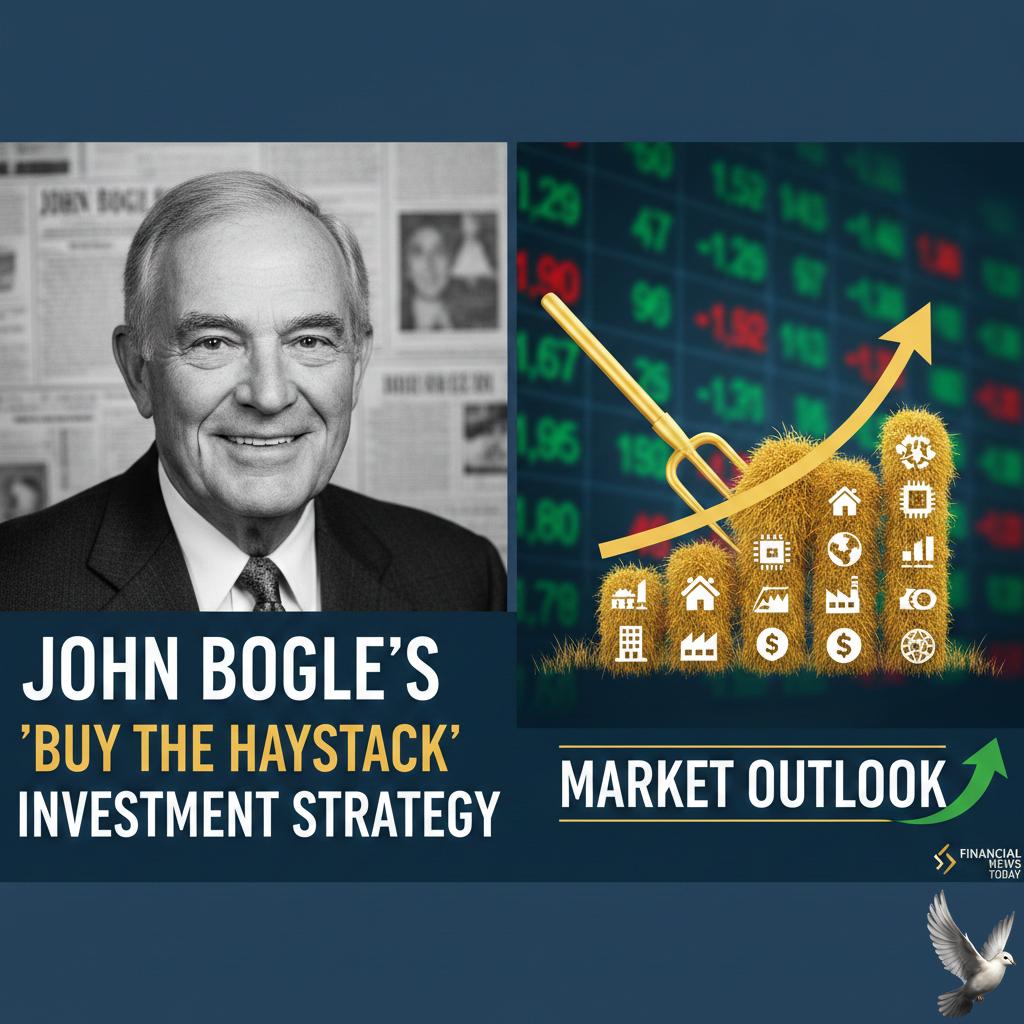
John Bogle's "Buy the Haystack" Investment Strategy and Market Outlook
The philosophy of John Bogle remains a cornerstone of modern wealth management, especially as market volatility persists in 2026. By owning the entire market through index funds, investors avoid the pitfalls of individual stock picking and benefit from the structural growth of the global economy. As of late February 2026, the S&P 500 has climbed to record levels, closing near **6,946.13**. This reflects a year-to-date gain of approximately **1.5%** to **2%**, following a robust **17%** return in 2025. Wall Street analysts currently forecast a full-year return for 2026 of nearly **12%**, driven by resilient corporate earnings and a pivot toward artificial intelligence integration. Diversification is a critical shield against company-specific risks. In the current regime, the top 10 holdings of the S&P 500—led by firms like Nvidia (**7.9%**) and Apple (**6.8%**)—account for a significant portion of market movement. An index-based approach ensures you capture these leaders without the risk of over-exposure to a single failure. High costs are a silent destroyer of wealth. Recent data shows a widening gap between passive and active management fees. Vanguard has reduced its asset-weighted average expense ratio to just **0.06%**, with some total market ETFs as low as **0.03%**. In contrast, many actively managed funds still carry fees between **0.50%** and **1.5%**, which can significantly erode compounding returns over decades. Inflation and interest rates continue to shape the investment landscape. With U.S. core inflation hovering around **3%**, the real return on investments is under pressure. Indexing provides a behavioral advantage by encouraging long-term discipline. This "buy-and-hold" strategy helps investors stay the course even during periods of "sticky" inflation or Federal Reserve policy shifts. The current market environment proves that while specific sectors may fluctuate, the broader market indices tend to rise over time. For the average investor, the most reliable path to wealth creation is not found in seeking the next "winner," but in maintaining a low-cost, diversified portfolio that tracks the inevitable growth of the entire market.
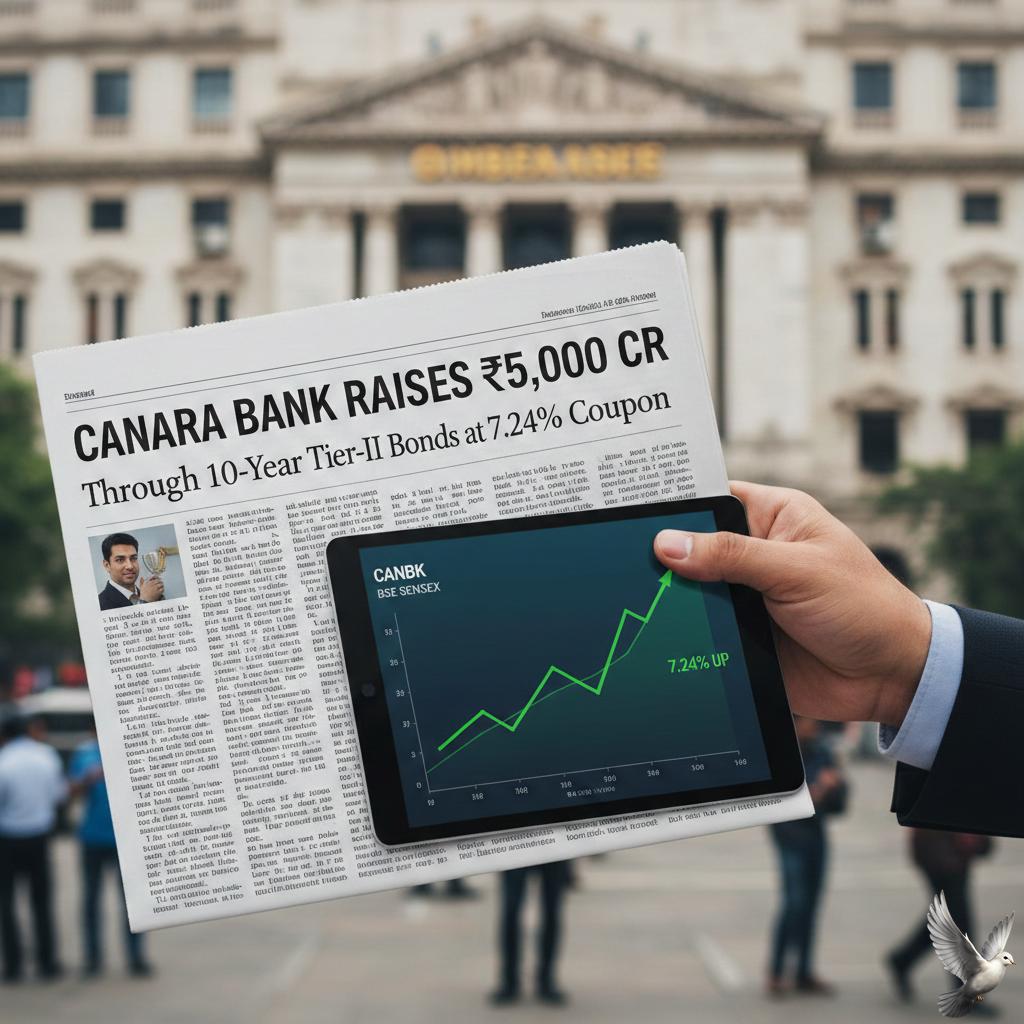
Canara Bank Raises Rs 5,000 Crore Through 10-Year Tier-II Bonds at 7.24% Coupon
State-run lender Canara Bank successfully raised 5,000 crore INR through a strategic bond sale on February 26, 2026. The issuance was conducted via the electronic bidding platform of the National Stock Exchange. The capital was raised through Basel III-compliant Tier 2 bonds. This offering featured a base issue size of 2,000 crore INR with a green shoe option of 3,000 crore INR, allowing the bank to fully retain the oversubscription due to robust investor appetite. The 10-year Tier 2 bonds were priced at a competitive coupon rate of 7.24%. This follows a previous successful fundraise in late 2025, where the lender secured 3,500 crore INR through Additional Tier 1 bonds. Market confidence remains high as ICRA recently assigned a AAA rating with a stable outlook to these Tier 2 instruments. This rating highlights the bank's strong capital position and its majority ownership by the Government of India, which currently holds a 62.93% stake. Canara Bank has reported strong financial growth, with a 25.6% year-on-year increase in net profit, reaching 5,155 crore INR in the third quarter of the 2025-26 fiscal year. Asset quality has shown consistent improvement, with Gross Non-Performing Assets (GNPA) narrowing to 2.08% from 2.35% in the preceding quarter. The bank's Capital to Risk (Weighted) Assets Ratio (CRAR) stood at a healthy 16.50% as of December 31, 2025. Total global advances have expanded by 14% year-on-year to approximately 11.92 lakh crore INR, driven largely by a 19% surge in retail, agricultural, and MSME lending. On the day of the bond issuance, Canara Bank shares performed positively on the NSE, opening at 159.37 INR and reaching a high of 162.89 INR. The stock has gained over 8% in the last 30 days, reflecting a total market capitalization of 1.44 lakh crore INR. This fundraising initiative aligns with a stable domestic monetary environment. The Reserve Bank of India maintained the repo rate at 5.25% in its February 2026 policy meeting, while upgrading the GDP growth forecast for the current fiscal year to 7.4%. The 5,000 crore INR influx will be utilized to further strengthen the bank's regulatory capital buffers and support an aggressive credit growth target of 13% for the upcoming fiscal period.
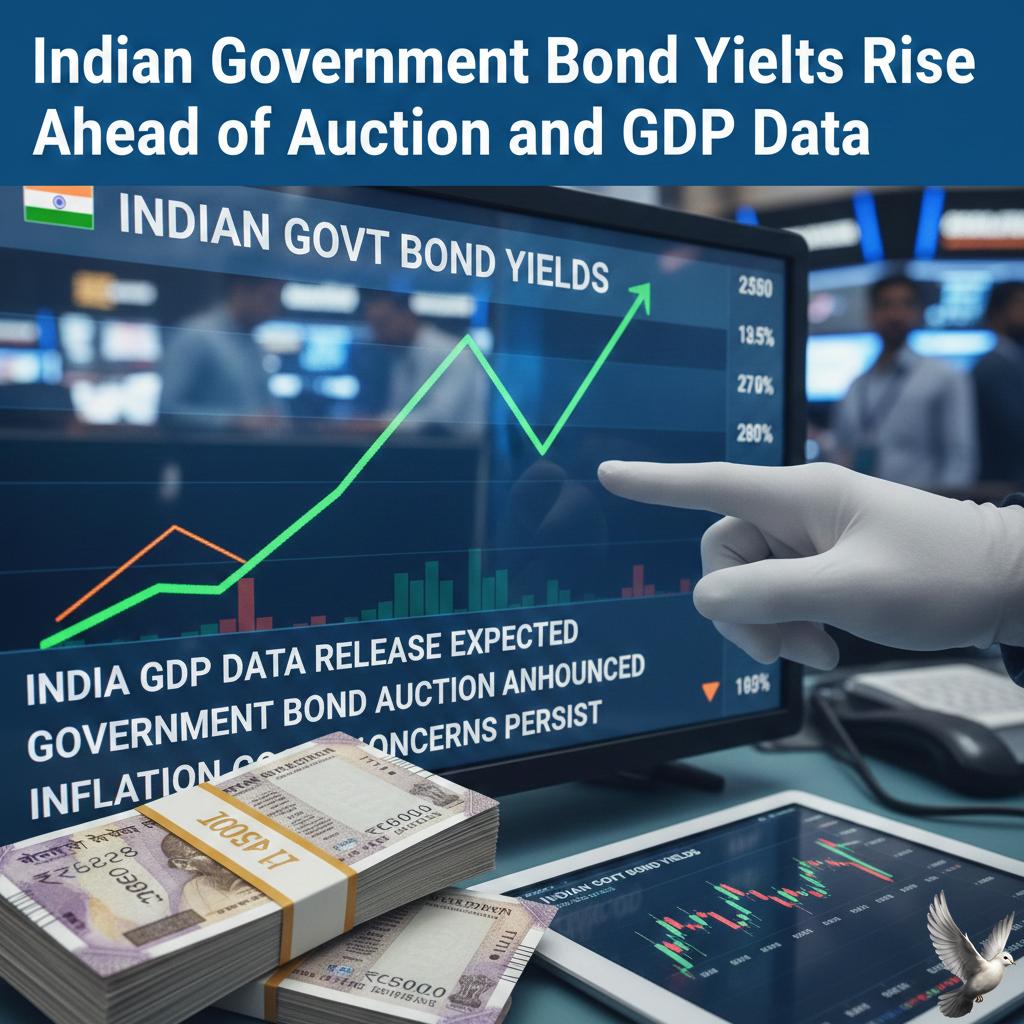
Indian Government Bond Yields Rise Ahead of Auction and GDP Data
Indian government bonds ended lower on Thursday as the market entered a period of transition. Traders balanced positions ahead of the final major debt auctions for the fiscal year and the transition to a new GDP data series. The benchmark 10-year bond yield edged up to close at 6.689%, a slight increase from the previous session’s 6.682%. Selling pressure emerged as the market prepares for the penultimate weekly debt sale of the 2025-26 financial year. The Reserve Bank of India is scheduled to auction 6.48% GS 2035 bonds worth 32,000 crore on Friday. This issuance forms part of the government's broader strategy to manage its borrowing requirements before the fiscal year concludes in March. Liquidity management remains a primary focus for participants. The central bank recently conducted a 25,000 crore bond switch auction to replace near-maturity papers with longer-dated securities. This move is designed to ease redemption pressures for the upcoming 2026-27 fiscal year, where bond maturities are expected to reach approximately 5.47 lakh crore. Market sentiment is currently cautious due to the upcoming release of the first GDP growth data under a revised series. This new series features a base year of 2022-23 and is expected to provide a more granular view of the domestic economy. Early projections for the third quarter of the current fiscal year suggest a real growth rate of approximately 7.2%, reflecting a slight moderation from previous prints. Inflation dynamics continue to support a stable interest rate environment. The most recent Consumer Price Index data showed headline inflation at 2.75% for January 2026. This has allowed the Monetary Policy Committee to maintain a neutral stance and keep the repo rate at 5.25%. Core inflation remains benign at 3.4% under the new series, providing a buffer against global market volatility. Global factors are contributing to the choppy trading session. While the United States 10-year Treasury yield softened to 4.04%, domestic traders remain sensitive to fluctuating crude oil prices and geopolitical shifts. The Indian rupee held steady at 90.92 against the dollar, providing some stability to the broader fixed-income landscape. The market outlook remains tied to the results of the upcoming Friday auction and the subsequent GDP data release. These events will define the yield trajectory for March as the government fulfills its remaining market borrowing target for the year. Yields on ultra-long securities, specifically the 30-year and 40-year papers, continue to face upward pressure compared to the 10-year benchmark.
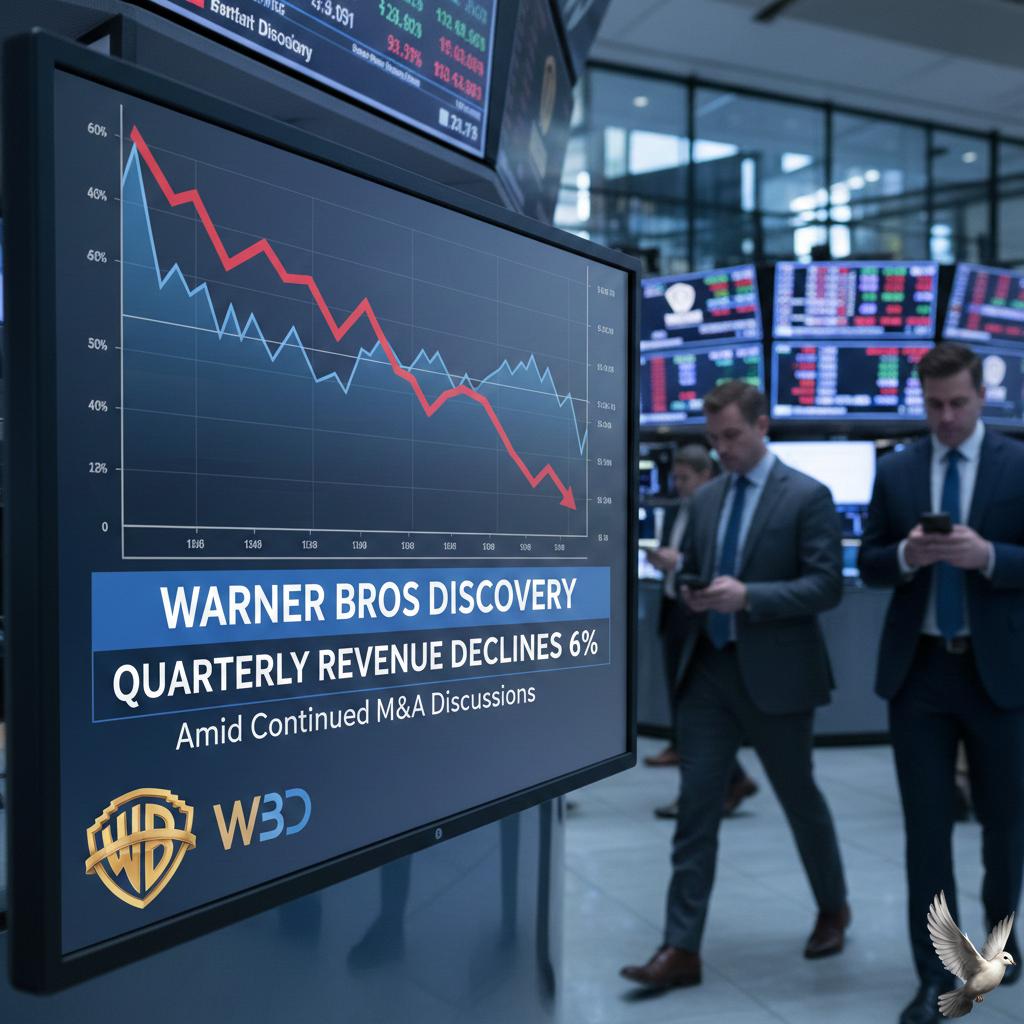
Warner Bros Discovery Quarterly Revenue Declines 6% Amid Continued M&A Discussions
Warner Bros. Discovery is currently navigating a transformative period as it finds itself at the center of an escalating multibillion-dollar bidding war. The company recently reported its fourth-quarter and full-year results for 2025, revealing a complex financial picture where streaming growth is attempting to offset the continued decline of traditional media segments. The group’s quarterly revenue fell 6% to approximately **$9.5 billion**. This downturn was largely driven by a **12%** drop in linear network revenues, which reached **$4.2 billion**, as the industry-wide shift away from cable TV continues to erode the company's traditional cash cows. The studio division also saw a **23%** decrease in adjusted earnings to **$728 million**, attributed to a lighter film release schedule during the period. In contrast, the streaming segment has emerged as a significant bright spot. Global subscribers for HBO Max and Discovery+ surged to **131.6 million**, adding **3.5 million** new users in the final quarter of 2025. This growth was fueled by the international rollout of HBO Max and a strong content slate, including the buzzy series "Heated Rivalry." Streaming revenues climbed **5%** to roughly **$2.8 billion**, and the segment achieved a full-year adjusted EBITDA of **$1.37 billion**, more than doubling its performance from the previous year. The company is now the subject of intense acquisition interest from major industry players. Paramount Skydance recently escalated its pursuit with a sweetened all-cash offer of **$31.00 per share**, valuing the proposal at approximately **$108 billion**. This bid directly challenges an existing agreement with Netflix, which stands at **$27.75 per share** (roughly **$82.7 billion**) for the company’s studio and streaming assets. Warner Bros. Discovery's board has officially determined that the revised Paramount offer could reasonably lead to a "Superior Proposal." This development has triggered a critical window for negotiations, as Netflix maintains a four-day right to match any formal superior bid. The outcome of these talks remains a focal point for investors, with a shareholder vote on the Netflix deal currently scheduled for late March 2026. Market sentiment reflects this high-stakes environment. WBD shares recently traded near **$28.90**, showing a significant recovery from 52-week lows of **$7.52**. The company’s market capitalization now sits at approximately **$71.6 billion**. Management remains optimistic about the year ahead, projecting that HBO Max will exceed **140 million** subscribers by the end of the first quarter of 2026, supported by upcoming launches in the United Kingdom and Ireland.
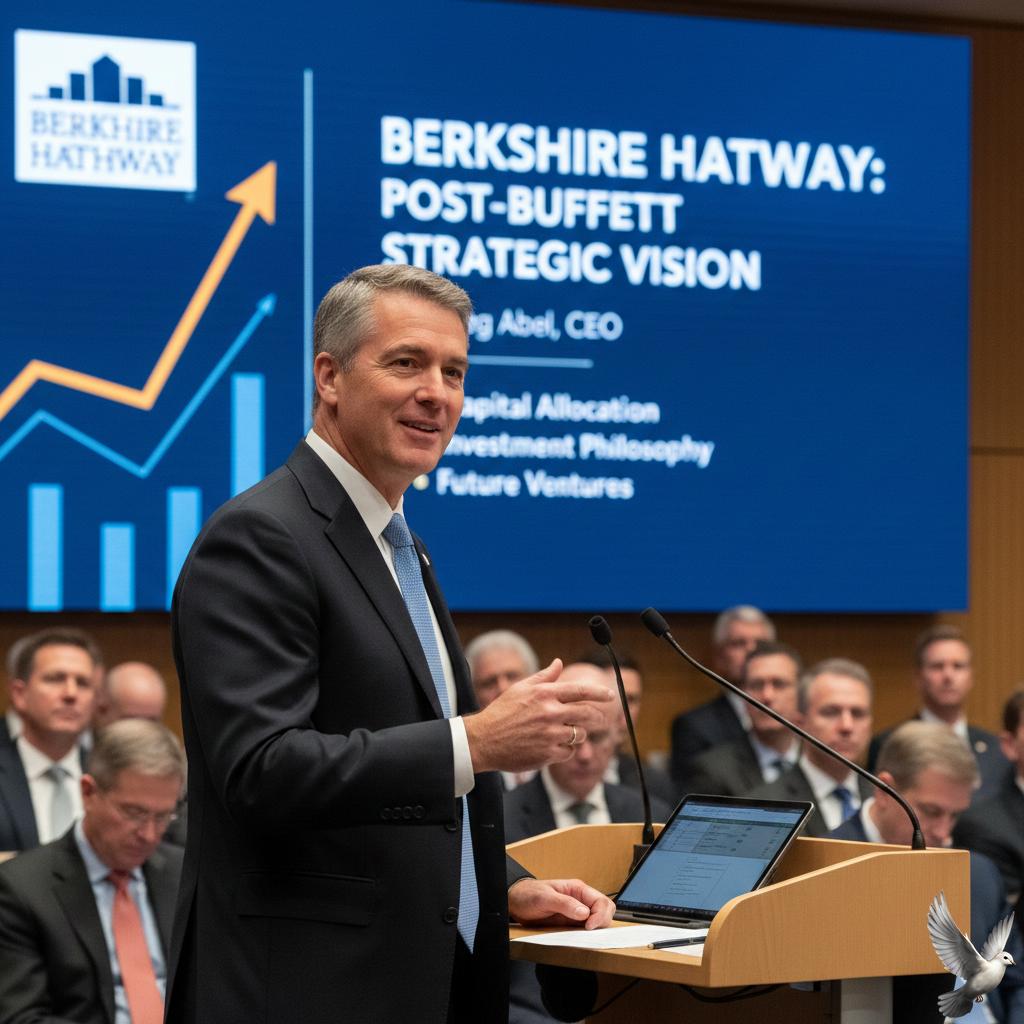
Berkshire Hathaway CEO Greg Abel to Discuss Post-Buffett Strategic Vision
As of February 26, 2026, Berkshire Hathaway has officially entered the Greg Abel era. Following Warren Buffett’s retirement from the Chief Executive role on January 1, the 63-year-old successor now oversees a conglomerate with a market capitalization exceeding $1.07 trillion. While Buffett remains Chairman at age 95, Abel has assumed full authority over the firm’s sprawling operations and its monumental investment decisions. The transition comes at a period of high stability for the stock, with Class B shares trading near $494.50, up roughly 11% year-to-date and within a 52-week range of $455.19 to $542.07. The immediate challenge for Abel is the management of a record-breaking cash pile, which has climbed to approximately $382 billion. This "war chest" represents roughly 35% of the company's total market value. While these reserves provide immense security and earn steady interest from Treasury bills, they have also drawn attention from analysts concerned that such a large idle balance could drag down overall returns. Abel is expected to transition the firm from Buffett’s "Oracle" approach to a more hands-on "Operator" style, focusing on modernizing legacy businesses and seeking major acquisition targets, or "elephants," in technology and renewable energy sectors. Operational performance across the 90-plus subsidiaries remains a priority. While the BNSF Railway and various industrial units continue to generate strong cash flow, the insurance segment faces competitive pressure. GEICO, in particular, has seen Progressive overtake its position as the number two auto insurer in the U.S. market. Abel is expected to implement more rigorous technology-driven shifts to regain market share and improve margins across the insurance portfolio. In the equity portfolio, the "post-Buffett" strategy is already visible through significant rebalancing. Recent disclosures show the firm has trimmed its massive stake in Apple to roughly $62 billion, a 4% reduction that maintains the tech giant as Berkshire’s largest anchor holding while managing concentration risk. Simultaneously, the firm has diversified into newer areas, recently building a $350 million stake in The New York Times and increasing positions in energy players like Chevron. Investors are now looking toward the upcoming annual shareholder letter, the first under Abel’s leadership, for clues on capital allocation. The market is specifically watching for a potential return to opportunistic stock buybacks, which were largely paused during Buffett’s final year. As the new CEO balances a transition to modern growth sectors with the preservation of Buffett’s value-investing culture, his ability to deploy that $382 billion cash reserve will likely define Berkshire’s performance for the next decade.
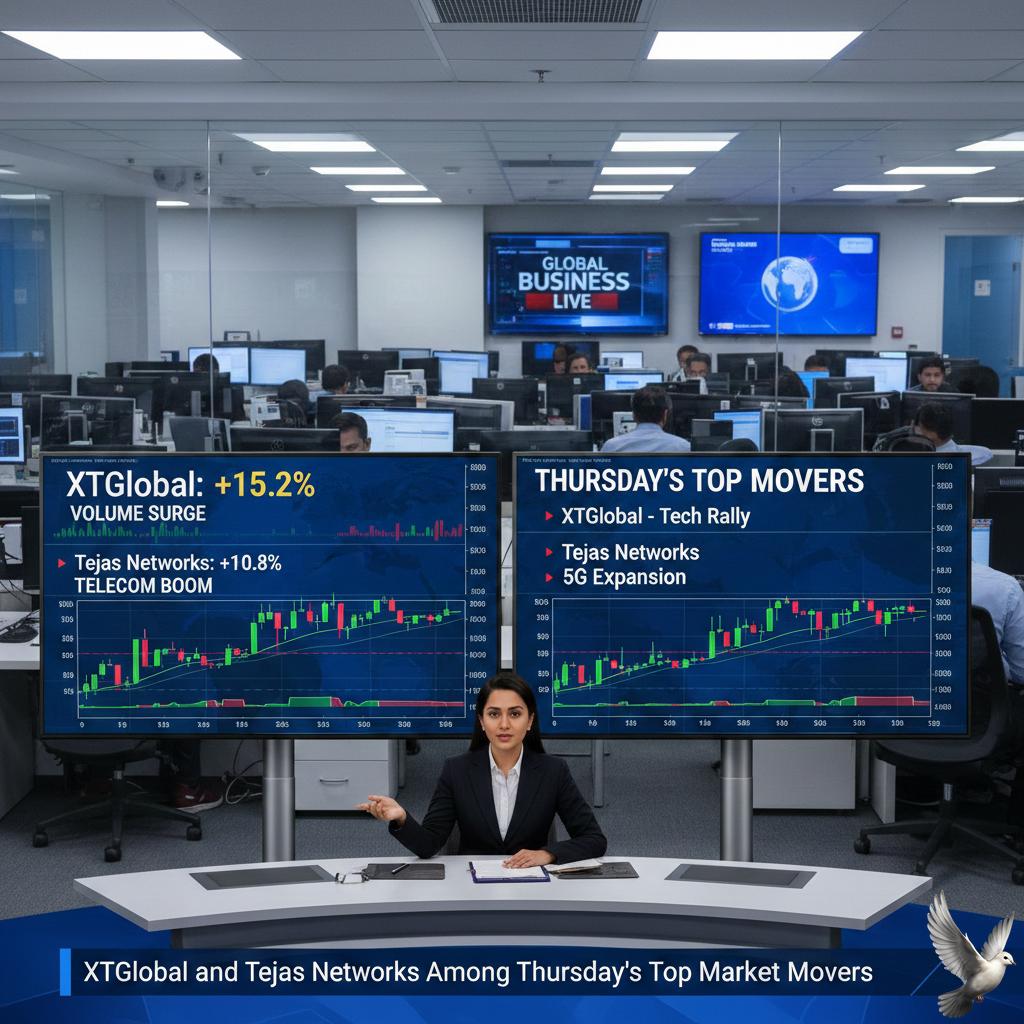
XTGlobal and Tejas Networks Among Thursday's Top Market Movers
Market Brief: Domestic Indices Stabilize Amid Sectoral Shifts Indian equity benchmarks, the **Sensex** and **Nifty 50**, concluded Thursday's volatile session on a flat note. The **Sensex** edged down by **27.46 points** to finish at **82,248.61**, while the **Nifty 50** managed a marginal gain of **14.05 points**, settling at **25,496.55**. The day was marked by significant volatility, largely influenced by the monthly derivatives expiry. While IT and Pharma stocks provided early support, selling pressure in the financial services and FMCG sectors capped the upside. Key Stock Movers and Corporate Actions **XTGlobal Infotech** emerged as a top performer, surging **20%** to hit its upper circuit at **₹33.63**. The rally followed the announcement of a **$796,900** AI-enabled project win from the Texas Department of Transportation. **Tejas Networks** saw a robust jump of over **8%**, closing near **₹344**. Investor interest was ignited by a strategic agreement with **NEC Corporation** to manufacture and supply **5G Massive MIMO** radios for global markets. **Sanofi Consumer Healthcare India** witnessed a massive **15%** spike, reaching **₹4,614.50**. The surge was driven by a **50% year-on-year** increase in quarterly net profit to **₹66.5 crore** and the declaration of a **₹75 per share** dividend. Adjustments and Declines **Angel One** underwent a significant technical adjustment today. The stock price appeared to drop by nearly **90%** as it began trading on an ex-split basis. This follows a **1:10 stock split**, where the face value was subdivided from **₹10 to ₹1**. **Home First Finance** faced downward pressure, with shares declining approximately **1%** to settle around **₹1,177**. The stock traded between an intraday high of **₹1,198** and a low of **₹1,170.50**. Sectoral Highlights and Market Breadth The **Nifty Pharma** index was a standout performer, rising **1.08%** to reach **23,301.65**. Healthcare and PSU Bank stocks also outshined the broader market, whereas Media and Financial Services remained under pressure. Market breadth remained slightly positive on the **BSE**, with **2,170 shares** advancing compared to **2,034 shares** declining. The **India VIX**, a measure of market volatility, dropped **3.15%** to settle at **13.06**, indicating a relative cooling of immediate trader anxiety. The broader market outperformed the frontline indices, with the **BSE Mid-Cap** index rising **0.55%**, showcasing continued interest in mid-tier companies despite the flat finish for large-caps.

Market Outlook: Potential Q4 Earnings Upgrades, Continued IT Derating, and Bullish Metal Trends
India Inc. is navigating a decisive turning point as the earnings landscape shifts from a period of persistent downgrades toward a more stable growth trajectory. Recent market data indicates that the aggressive pace of earnings cuts seen over the past year has finally slowed, with selective upgrades now emerging across key benchmark indices. The Nifty 50 currently trades near the 25,500 level, reflecting a recovery phase as corporate performance begins to align with market valuations. While overall earnings growth for the broad market is projected at a steady 12% to 14% for the upcoming cycle, certain sectors are showing much stronger internal momentum. The banking and financial services sector remains the primary engine of growth, contributing nearly 46% of the incremental earnings for the index. This performance is supported by resilient credit demand and improving asset quality, even as the sector manages a normalization in margins after several high-growth years. Pharma and healthcare are also seeing a significant uptick, with some companies reporting year-on-year profit jumps as high as 50%. This sector is benefiting from product relaunches and a robust export environment, making it a preferred defensive play for institutional investors. The metals and mining space is entering what many analysts describe as a structural bull phase. While global volatility exists, domestic demand for steel and base metals like copper remains firm, driven by a 10% to 11% increase in infrastructure and capital expenditure allocations in the latest budget. In contrast, the IT services sector continues to face a complex environment. While large-cap tech companies are seeing record order inflows, the rapid integration of Artificial Intelligence is forcing a recalibration of traditional business models. This has led to a divergence in performance, with high-skill digital segments outperforming legacy services. Market sentiment is currently bolstered by strong domestic institutional support, with local funds absorbing foreign outflows to provide a floor for valuations. As the market enters the final quarter, the focus has shifted from managing "earnings misses" to identifying quality large-cap stocks that offer fundamental earnings acceleration. [Recent Nifty and Sensex Market Performance](https://www.youtube.com/watch?v=AYlxlyWkcVY) This video provides a timely update on how the Indian markets are reacting to the latest earnings and budget news as of late February 2026. http://googleusercontent.com/youtube_content/0
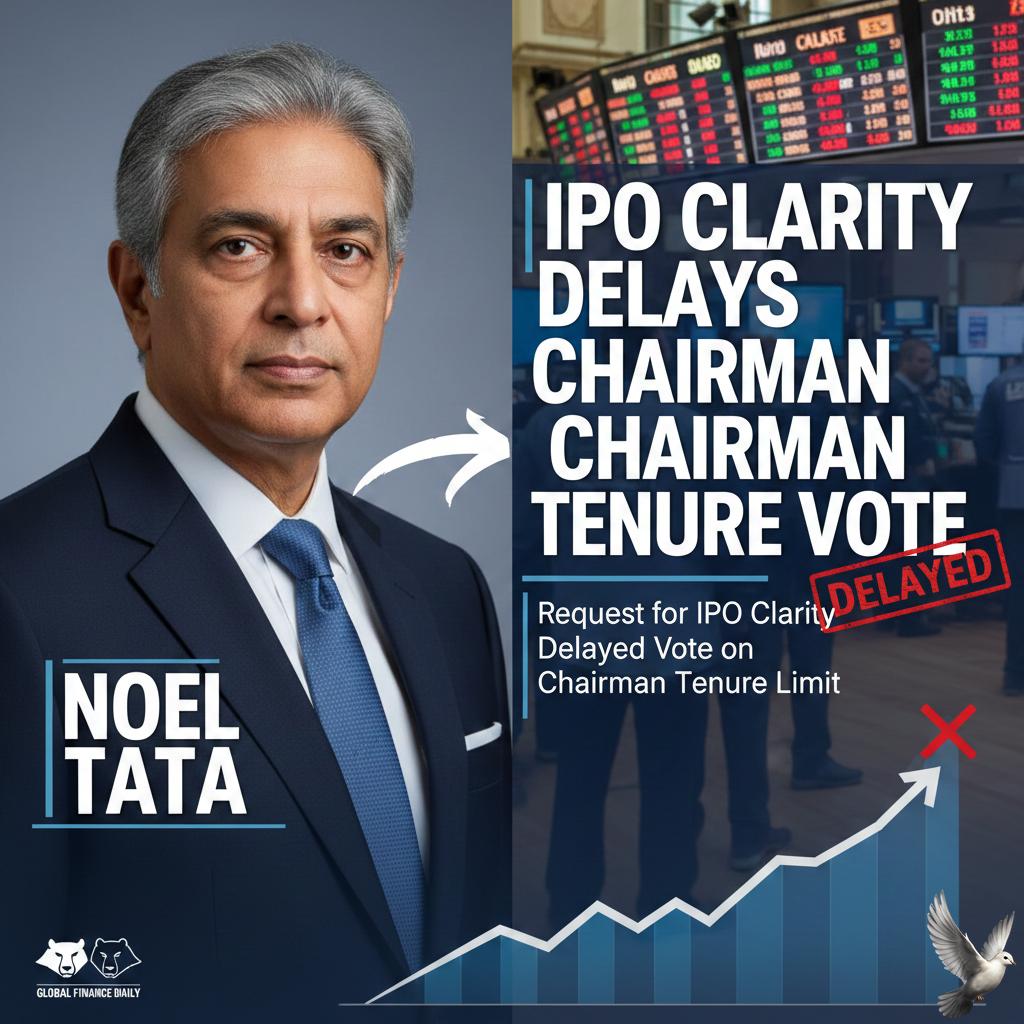
Noel Tata’s Request for IPO Clarity Delayed Vote on Chairman Tenure Limit
At 11:30 a.m. on Tuesday, February 24, 2026, the six board directors of Tata Sons convened at Bombay House for a high-stakes meeting. While the agenda initially appeared to be the straightforward approval of a third five-year term for Chairman Natarajan Chandrasekaran, the session revealed significant shifts in the group’s internal governance. The board ultimately deferred the decision on the reappointment, which would extend Chandrasekaran's leadership beyond February 2027. This move follows a period of notable growth but also recent financial pressure. Under Chandrasekaran’s tenure, the group's 15 largest listed companies nearly doubled their revenue and profits. However, 2025 proved to be a volatile year, with the conglomerate’s combined market capitalization falling by approximately 3 lakh crore (nearly $73 billion) to reach 26.3 lakh crore by year-end. The deferral was influenced by Noel Tata, Chairman of Tata Trusts, which holds a decisive 66% stake in Tata Sons. During the meeting, concerns were raised regarding persistent losses in newer ventures, specifically Air India and Tata Digital. Reports indicate that the Trusts are seeking greater accountability and have set specific conditions for the chairman's next term. One critical point of discussion is the potential mandatory listing of Tata Sons. To comply with Reserve Bank of India regulations for core investment companies, the firm faced a deadline of late 2025 to go public. Tata Sons has applied to surrender this registration to avoid a listing, a strategy Noel Tata reportedly supports through a demand for a written commitment against a public debut. Despite the temporary impasse, Chandrasekaran retains the support of several board members who credit him with modernizing the group and steering it through major restructurings since 2017. Key drivers such as Tata Steel and Titan showed resilience in 2025, gaining 24% and 20% respectively. Conversely, heavyweights like TCS and Tata Motors faced headwinds, with TCS declining 19% amid global IT spending caution. The meeting concluded with Chandrasekaran himself recommending the deferral to maintain unity between the holding company and its principal shareholders. While operational continuity remains, the focus now shifts to how the leadership will address capital allocation and the profitability of high-stakes bets in semiconductors and electric mobility. Daily operations continue without change as the board seeks a consensus. The next round of deliberations will likely define the group’s strategic direction through 2032, balancing the aggressive expansion of the last decade with a renewed focus on fiscal discipline and subsidiary performance.

Rupee Edges Upward as Interbank Interest Increases Forward Premiums
The Indian rupee demonstrated resilience on Thursday, February 26, 2026, closing with marginal gains as it tracked a broader recovery in regional Asian currencies. While the local unit found support from a weakening dollar index and positive sentiment across emerging markets, its upward momentum was tempered by consistent dollar demand. Corporate activity and importers seeking to lock in rates at the daily reference point created a ceiling for the currency's appreciation. Despite these pressures, the rupee opened approximately 0.1% higher at 90.84 against the greenback, reflecting a period of relative stability following recent volatility. Macroeconomic Stability and Policy The Reserve Bank of India has played a pivotal role in anchoring the currency. In its February 2026 meeting, the Monetary Policy Committee maintained the repo rate at 5.25%, adopting a neutral stance that prioritizes data-driven decisions. Official projections for the 2026 fiscal year remain optimistic: * Real GDP growth is estimated at **7.4%** * Retail inflation is forecast to stay benign at **2.1%** * Forex reserves have reached a significant buffer of **$725.7 billion** This "goldilocks" environment—strong growth paired with controlled inflation—has provided the central bank with the necessary ammunition to intervene in the exchange market, preventing sharp, erratic swings in the rupee’s value. Institutional Inflows and Equity Trends Market sentiment has been bolstered by a significant shift in foreign capital. In February 2026, Foreign Institutional Investors (FIIs) turned net buyers for the first time in several months, injecting **$2.44 billion** into Indian equities. This marks the highest monthly inflow in 17 months, signaling a renewed appetite for the India story. On the domestic front, institutional support remains a structural pillar. Domestic Institutional Investors (DIIs) continue to absorb selling pressure, recently purchasing equities worth **₹5,119 crore** in a single session, supported by steady monthly SIP contributions of over **₹300 billion**. Market Performance and Outlook Domestic equity benchmarks showed a mixed but stable performance on Thursday. The Nifty 50 hovered near the **25,550** level, while the Sensex traded around **82,418**. Technology and banking shares led the intraday gains, mirroring a global rebound in tech stocks. However, the market remains in a state of cautious optimism. Traders are closely monitoring the **25,300** support level for the Nifty, with resistance anticipated near **25,800**. Immediate triggers for the rupee and broader markets include the upcoming Q4 GDP data release and evolving US bond yields. While global geopolitical tensions remain a background risk, India’s strengthening external buffers and robust manufacturing PMI continue to provide a solid foundation for the currency's near-term outlook.

Anand Mahindra Dismisses Concerns Over AI Impact on Software Sector Following IT Stock Decline
The Indian IT sector is navigating a volatile period as February 2026 marks a significant structural transition. Rapid advancements in autonomous AI tools have triggered a sharp correction, with the Nifty IT index plunging **21%** this month—its steepest monthly decline since the 2008 financial crisis. Investor anxiety has been fueled by new AI models, such as Anthropic’s Claude series, which can automate complex financial research, COBOL modernization, and legal workflows. This has raised concerns about a reduction in billable hours and potential pricing pressure on the traditional labor-intensive model. **Market Performance and Valuations** Despite the monthly rout, the market showed signs of stabilization on February 26, 2026. The Nifty IT index recovered **0.89%** to close at **30,797.05**. Key heavyweights managed modest gains: * **TCS** rose **2.16%** to reach a market cap of approximately **₹9.51 lakh crore**. * **Infosys** maintained its position with a valuation near **₹6.7 lakh crore**. * **HCL Technologies** climbed **2.91%**, supported by a strong AI engineering pipeline. While the combined market value of India's top five IT firms now stands at roughly **$240 billion**, they are facing stiff valuation competition from AI-native startups. **Strategic Adaptation and Outlook** Industry leaders are pushing back against "AI doomsday" narratives. Anand Mahindra has characterized the current shift as a "digital tsunami" where human-centric skills like empathy, intuition, and complex problem-solving become premium assets. He emphasizes that AI should be viewed as an accelerator rather than a threat. Tech firms are already pivoting: * **AI Deal Flow**: Approximately **74%** of new contracts now center on Generative AI and automation. * **Revenue Growth**: The sector is projected to grow **6.1%** in FY26, reaching a total of **$315 billion**. * **Employment**: Despite automation, the industry remains a net hirer, adding **1.35 lakh** jobs in 2026, though roles are shifting toward specialized AI governance and domain-specific engineering. The focus is moving from volume-based tasks to high-value, outcome-oriented delivery. While traditional application services revenue faces compression, new opportunities in cybersecurity, cloud infrastructure, and AI integration are expected to drive a recovery in FY27.
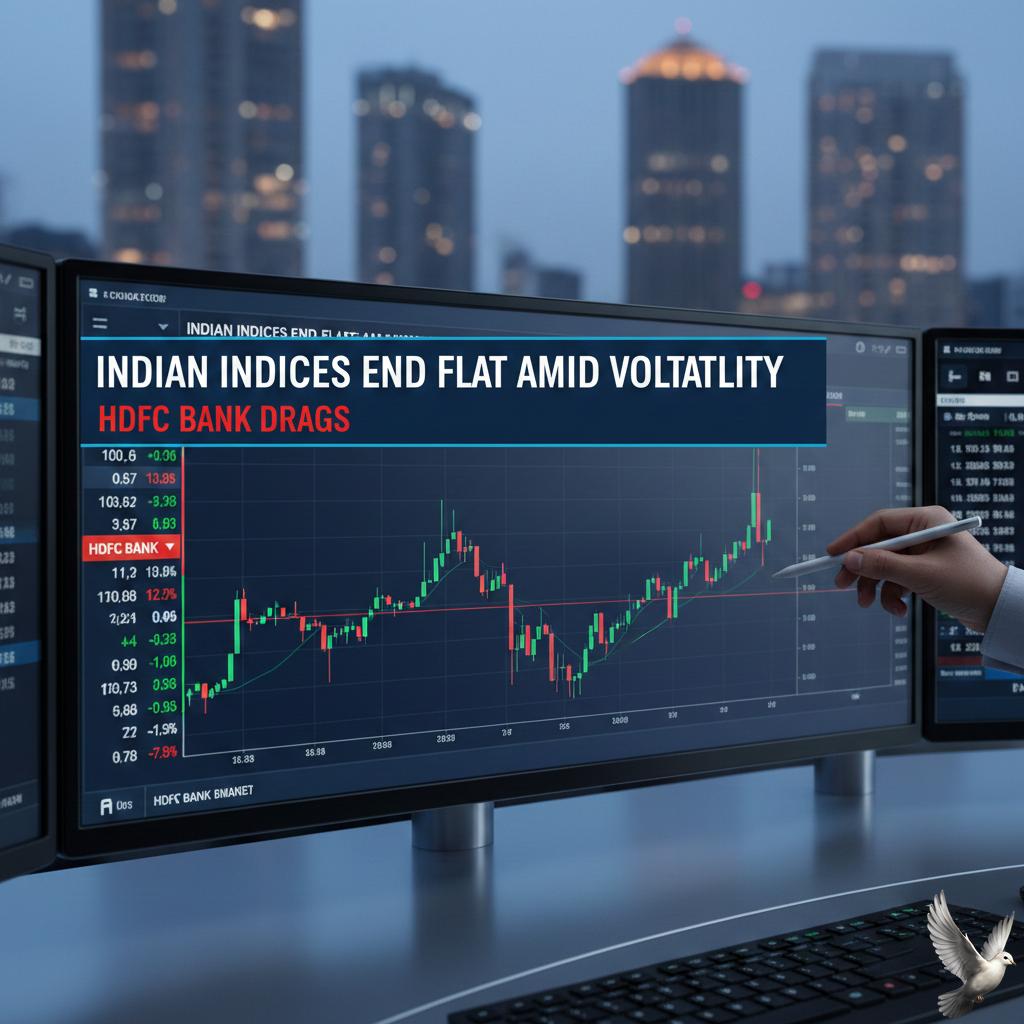
Indian Indices End Flat Amid Volatility as HDFC Bank Drags
Domestic equity benchmarks concluded a volatile session on a flat note this Thursday, February 26, 2026. The Nifty 50 managed a marginal gain while the Sensex ended slightly in the red, reflecting a cautious tug-of-war between bulls and bears. The broader **Nifty 50 settled at 25,496.55**, gaining **14.05 points or 0.06%**. During the day, the index experienced significant swings, hitting an intraday high of **25,572.95** before trimming gains. The **30-stock BSE Sensex closed at 82,248.61**, declining by **27.46 points or 0.03%**. The index saw a high of **82,957.91** earlier in the session, representing a nearly **732-point** swing from its peak to its close. Selling pressure in heavyweight financial stocks acted as the primary drag. **HDFC Bank** emerged as a major laggard, weighing down both indices. Other notable losers included **Trent**, **Coal India**, and **NTPC**, which fell by approximately **1.5%**. Conversely, the auto and technology sectors provided much-needed support. **Tata Motors** led the gainers with a **2.2%** rise, followed by **Eicher Motors** and **Bharat Electronics (BEL)**. The **Nifty IT index** outperformed the broader market, gaining nearly **0.9%** following strong global cues. Market breadth remained nearly balanced. On the NSE, **26 stocks** advanced while **24 declined**. The **India VIX**, a measure of market volatility, stayed relatively stable at **13.50**, though traders noted a "risk-off" sentiment in the afternoon. Institutional activity showed a rare alignment. On the previous trading day, **Foreign Institutional Investors (FIIs)** were net buyers of **₹2,991 crore**, while **Domestic Institutional Investors (DIIs)** bought equities worth **₹5,118 crore**. Technical analysts point to the **25,500** level as a psychological magnet for the Nifty. Immediate support is seen at **25,325**, while resistance is expected near the **25,700** zone. A decisive move above this ceiling is required to spark fresh momentum. Global cues were mixed but generally supportive. US markets had rallied overnight, led by a surge in semiconductor and software stocks. However, cooling European markets and fluctuations in crude oil—with **Brent** trading near **$71**—kept domestic investors on edge. In the commodities space, gold prices remained a focal point for safe-haven demand. April futures on the MCX were hovering near **₹1,61,242 per 10 grams**, while silver maintained strength around **$90 per ounce** internationally.
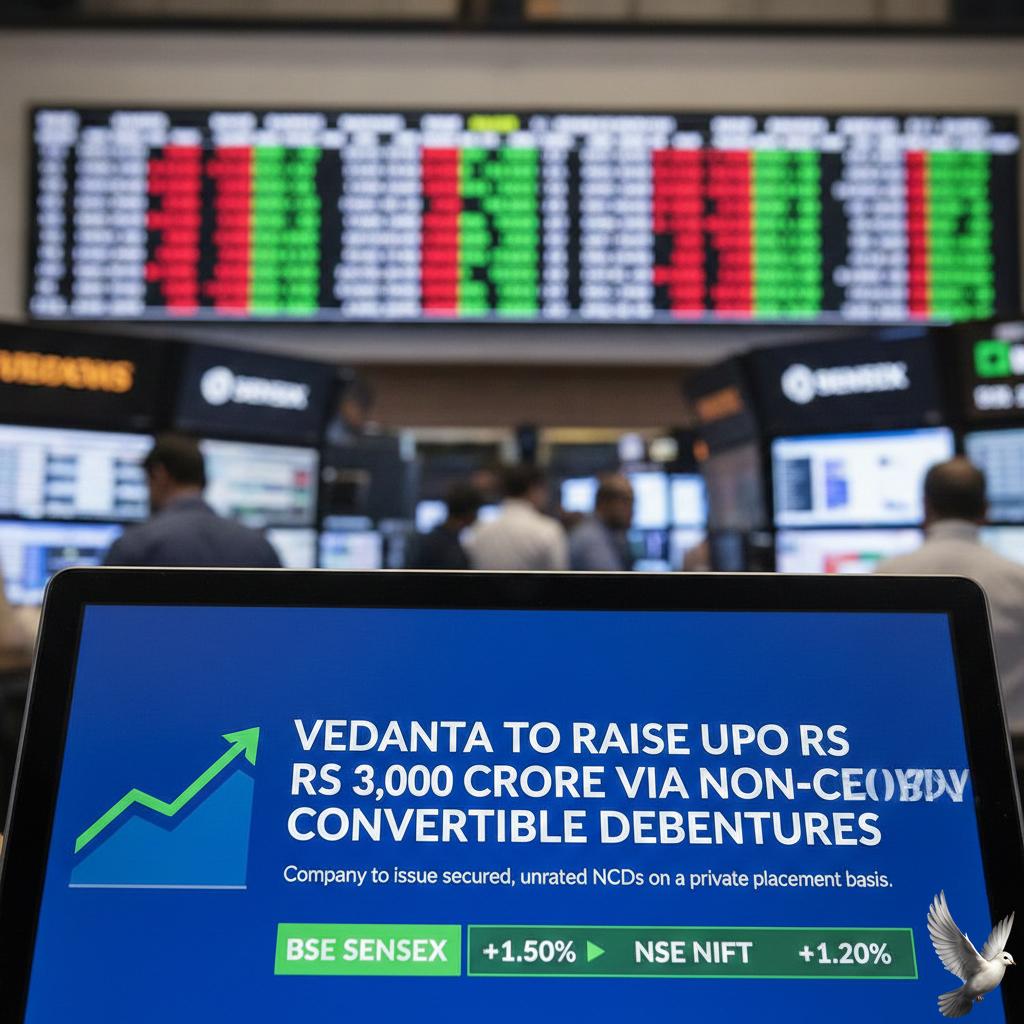
Vedanta to Raise Up to Rs 3,000 Crore via Non-Convertible Debentures
Vedanta Ltd has officially sanctioned a fresh capital raise of up to 3,000 crore INR through the issuance of non-convertible debentures (NCDs). This move, approved by the Committee of Directors on February 25, 2026, involves the private placement of 3,00,000 unsecured, rated, and redeemable NCDs. Each instrument carries a face value of 1,00,000 INR and is slated for listing on the BSE. The decision has triggered an immediate positive reaction in the equity markets. Vedanta’s share price surged over 11% following the announcement, trading near 737 INR per share. This rally was further supported by a significant rating upgrade from BofA Securities, which raised its target price to 840 INR, citing a constructive outlook for aluminum and silver prices. Financial health indicators for the conglomerate show a robust upward trend. The company reported a 61% year-on-year jump in consolidated net profit to 5,710 crore INR for the December quarter. Its consolidated EBITDA reached a record 15,171 crore INR during the same period, with margins expanding to 41% due to operational efficiencies and lower production costs. CRISIL Ratings has assigned a 'CRISIL AA' rating to the new 3,000 crore INR NCD issuance. However, the rating remains on 'Watch with Developing Implications' as the market monitors the company's ambitious demerger process. This structural split into independent entities for aluminum, oil and gas, power, and base metals is expected to conclude by March 2026. Deleveraging remains a primary strategic focus. Vedanta Resources, the parent company, has successfully reduced its external debt to approximately 4.8 billion USD as of late 2025. The current fundraise is designed to further optimize the group's capital structure and reduce overall borrowing costs by refinancing higher-interest debt. The mining and metals sector is currently buoyed by strong domestic demand, which is projected to grow by 7% to 10% in 2026. Vedanta is positioned to capitalize on this through its major capacity expansions, including the commissioning of the BALCO smelter. Analysts expect the company's annual EBITDA to exceed 50,000 crore INR for the full fiscal year. Investors continue to be drawn by the company’s aggressive dividend policy. Vedanta distributed significant payouts in 2025 and is expected to maintain an attractive yield of over 6% into 2027. This consistent cash return, combined with strategic debt management, has solidified its position as a key player in the diversified metals and mining space.

European Stocks Trade Mixed Amid Tech Focus and Corporate Earnings Analysis
European markets experienced a period of cautious consolidation this Thursday, with the pan-regional STOXX 600 index retreating 0.05% to 633.16 after briefly touching a fresh record high at the opening bell. The mixed performance reflects a balancing act as investors weigh a heavy slate of regional corporate results against the global ripple effects of high-profile technology earnings. Sentiment was significantly anchored by U.S. chip giant Nvidia, which delivered a blowout quarterly report. The company posted revenue of $68.1 billion, an 82% surge that comfortably cleared Wall Street estimates. Their forward guidance of $78 billion for the upcoming quarter has reinforced confidence in the durability of the artificial intelligence cycle, easing fears of an immediate bubble and providing a supportive floor for European tech and industrial sectors. Individual corporate performance in Europe, however, told a more fragmented story. Shares of Belgian chemicals group Syensqo slumped heavily after its fourth-quarter core earnings failed to meet market expectations. In contrast, Schneider Electric reported a robust 9% organic revenue growth, driven largely by sustained demand for data center infrastructure and a recovery in industrial automation. The insurance and banking sectors showed resilience despite mixed signals. Allianz reported a record operating profit for the previous year, though its stock faced pressure as its 2026 guidance fell slightly below analyst projections. Conversely, AXA met expectations with an 8% rise in underlying earnings per share, while the banking sector continued to benefit from recent optimism following record profits from major lenders like HSBC. Macroeconomic data for the Eurozone adds a layer of cautious optimism. The Composite PMI Output Index rose to a three-month high of 51.9 in February, signaling that the regional economy is on track for a modest 0.2% growth in the first quarter of 2026. While manufacturing output reached a 44-month high, soft demand in the service sector and stalled hiring remain points of focus for the European Central Bank. Bond markets remained relatively stable, with Germany’s 10-year yield holding near 2.71%. Investors are now shifting their focus toward upcoming consumer and business confidence data from Italy and the wider Eurozone to gauge whether the current momentum can be sustained in the face of persistent global trade uncertainties. [Schneider Electric earnings update](https://www.google.com/search?q=https://www.youtube.com/watch%3Fv%3DS2fF_B0AonE) This video provides a detailed breakdown of Schneider Electric's latest financial results and its strategic positioning within the energy management and automation sectors.
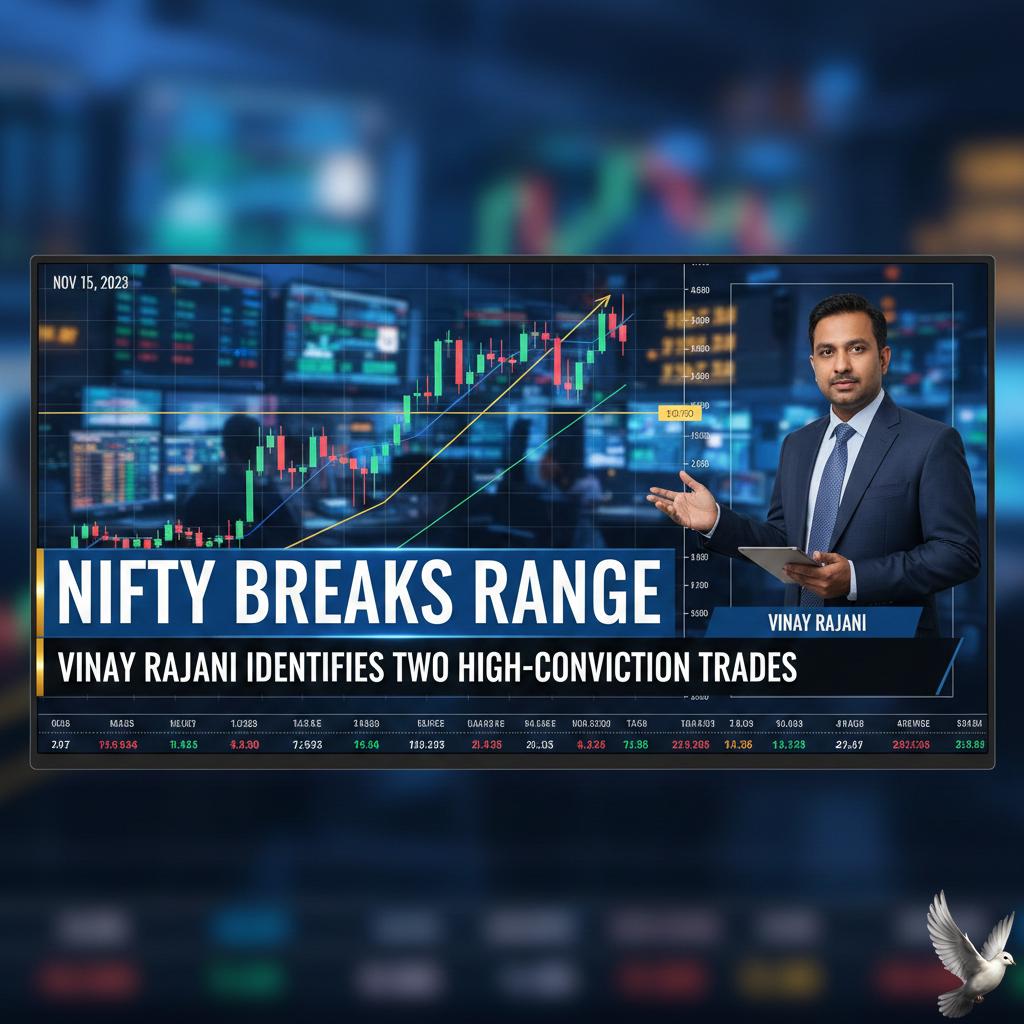
Nifty Breaks Range as Vinay Rajani Identifies Two High-Conviction Trades
After a period of sideways movement, the Indian equity market appears to be on the verge of a significant technical breakout. The Nifty 50 has shown resilience, closing near **25,556** today with a modest gain of **0.29%**. Analysts point to a shift in market sentiment as derivative signals and institutional positioning align for an upward move. Current technical data suggests that the index is holding firm above its short-term moving averages. While the market has faced resistance near the **25,700** to **25,800** zone, the downside remains well-protected. Experts recommend a "buy on dips" strategy, identifying **25,200** as a critical stop-loss level to manage risk during this volatile phase. Institutional activity has turned a corner in February. Foreign Institutional Investors (FIIs), who were heavy sellers in previous months, have shifted to selective accumulation. On February 25, FIIs were net buyers of **₹2,991 crore**, while Domestic Institutional Investors (DIIs) provided massive support with a net purchase of **₹5,118 crore**. This dual buying participation is a strong bullish indicator for the March series. Sectoral leadership is currently being driven by Banking and IT. The Bank Nifty has outperformed with a recovery to the **61,190** level, supported by healthy rollover data of **74.3%**. Meanwhile, the Nifty IT index rose nearly **1%** today, signaling renewed optimism in technology exporters amid a stable global demand outlook. In the healthcare sector, Fortis Healthcare remains a top pick. The stock is trading around **₹907**, showing independent strength despite broader market fluctuations. Technical indicators like the MACD remain in the bullish zone, and the stock is trading above six out of eight major simple moving averages. Immediate resistance is pegged at **₹930**, with solid support at **₹895**. TVS Motor continues to showcase exceptional momentum in the automobile space. The stock recently hit an all-time high of **₹3,934.85**, marking a **3.1%** intraday surge. It has significantly outperformed the Sensex over the last year with a gain of over **67%**. Trading above all key moving averages, it remains a preferred choice for investors looking for relative strength in the manufacturing sector. The broader economic backdrop remains supportive. India’s GDP is projected to grow by over **8%** in the October-December quarter, fueled by robust private consumption and a surge in manufacturing. With headline inflation moderating to an average of **1.7%** earlier this fiscal year, the macroeconomic foundation provides the necessary comfort for the current market rally to sustain its momentum.