Bullish News
Collection
Silver and Gold Prices Drop Amid Firm US Dollar and Low Trading Volumes
Gold and silver futures are experiencing significant downward pressure on the Multi Commodity Exchange (MCX) today, February 17, 2026. This retreat follows a period of intense volatility and is primarily driven by a recovering U.S. Dollar and a seasonal lull in Asian physical demand. Gold prices for the April delivery contract dropped approximately 0.8% to hover around 1,53,550 per 10 grams. In major retail hubs like Mumbai and Delhi, 24-carat gold is retailing between 1,54,680 and 1,54,950, while southern markets in Chennai maintain a slight premium near 1,55,400. Globally, spot gold has slipped below the psychologically significant 5,000 mark, trading near 4,948 per ounce as traders pivot toward the greenback. Silver has seen a much steeper decline, continuing a trend of high-magnitude swings. March silver futures on the MCX fell 2% to reach 2,35,206 per kg. The white metal has struggled to find a floor after crashing from its January peaks, with some domestic spot rates falling toward 2,50,000 per kg inclusive of taxes. In international markets, spot silver has retreated to approximately 74.50 per ounce, down nearly 2.7% in a single session. The Dollar Index has climbed above 97.15, marking a 2% jump that makes bullion more expensive for holders of other currencies. This move is supported by stronger-than-expected U.S. labor data and a cooling but persistent inflation rate of 2.4%. Market participants are recalibrating their expectations for Federal Reserve policy, with a potential interest rate cut now increasingly anticipated for the second half of the year rather than the first quarter. Liquidity remains thin due to the Lunar New Year holidays, with major physical markets in China, Hong Kong, and Singapore closed for the week. The absence of Chinese buyers, who have been central to the recent rally, has removed a key support pillar for both metals. Technical indicators suggest gold has immediate support near the 1,53,150 level, while silver faces a critical support zone between 2,28,800 and 2,34,000. While long-term industrial demand for silver remains high due to its role in green energy and data centers, the short-term outlook is characterized by profit-booking and defensive positioning. Investors are currently focused on upcoming U.S. GDP data and the Personal Consumption Expenditures (PCE) index for further direction.
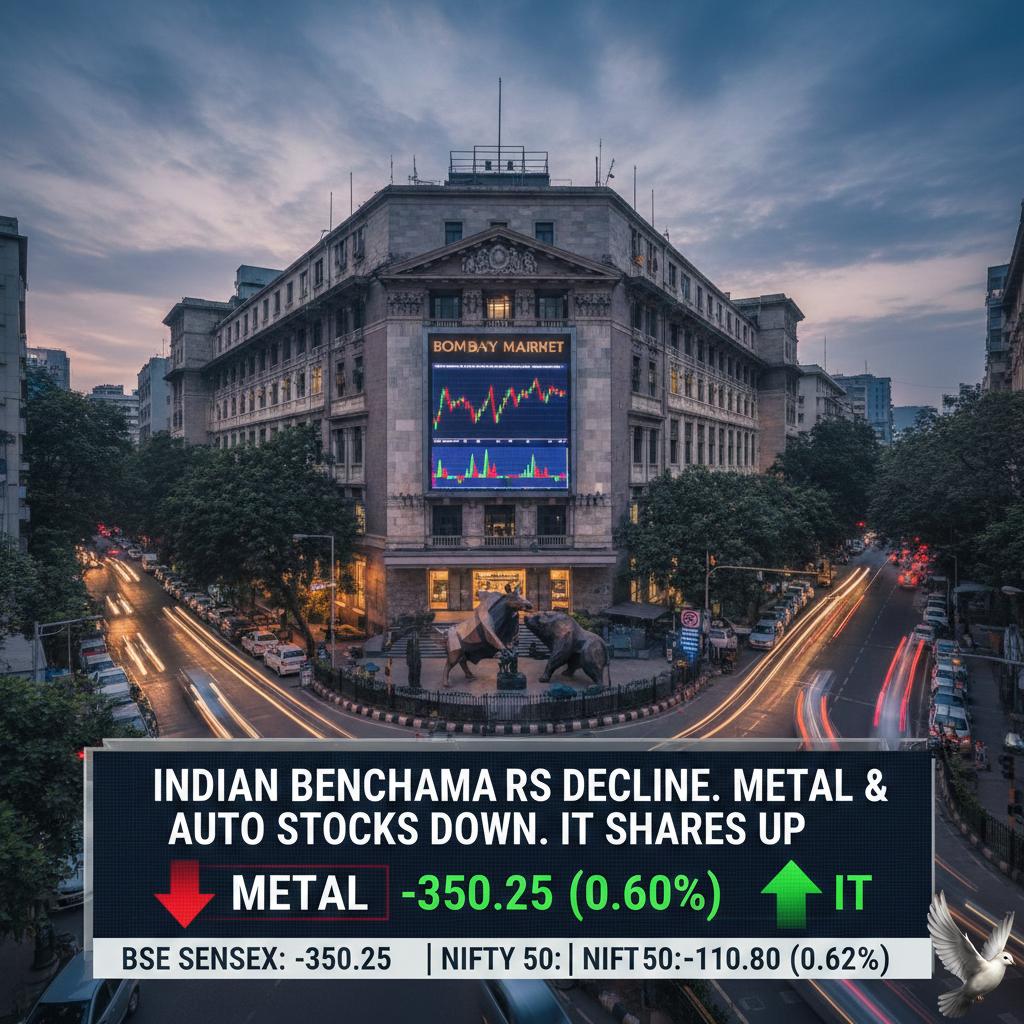
Indian Benchmarks Decline as Metal and Auto Stocks Weigh Against IT Gains
Market Brief: India Equities Update **February 17, 2026** Indian benchmark indices witnessed a volatile opening on Tuesday, initially trading lower before attempts at recovery. The **NSE Nifty 50** opened at **25,637.95**, down nearly **45 points**, while the **BSE Sensex** started at **83,197.67**, a decline of approximately **80 points**. Early pressure was largely attributed to geopolitical uncertainty in West Asia and a risk-off sentiment following a quiet session on global markets due to the U.S. holiday. Sectoral Performance and Trends The **IT index** emerged as a primary driver for a mid-morning rebound, gaining over **0.5%**. Renewed buying in heavyweight tech stocks helped offset broader losses, despite lingering long-term concerns regarding AI-driven shifts in the industry. Conversely, **Metal and Auto stocks** faced significant headwinds. The **Nifty Metal index** dropped by **0.76%**, while the **Auto index** slipped by **0.47%**. Selling pressure was evident in cyclical sectors as investors opted for defensive plays. The **BSE Midcap** and **Smallcap** indices showed unexpected resilience, both trading over **2% higher**, indicating strong domestic appetite for mid-tier equities even as large-cap indices struggled for a clear direction. Key Stock Movers * **Infosys:** Up **2.7%**, leading the IT recovery amid the India AI Impact Summit. * **Asian Paints:** Gained **1.74%**, benefiting from its defensive status. * **Jindal Steel:** Hit a new **52-week high of 1,214.95**, despite broader metal sector weakness. * **Tata Steel:** Remained among the top laggards as ferrous metals faced selling pressure. * **Reliance Industries:** Dropped nearly **1%**, weighing heavily on the Sensex performance. * **Cochin Shipyard:** In focus after emerging as the lowest bidder for a **50 billion rupee** Navy contract. Economic Indicators and Rupee The **Indian Rupee** slipped marginally to **90.69** against the US Dollar. Mixed capital flows and central bank interventions kept the currency in a narrow trading band. **Foreign Institutional Investors (FIIs)** recorded a net outflow of **972 crore rupees** in the previous session, while **Domestic Institutional Investors (DIIs)** provided a strong counter-balance with purchases worth **1,667 crore rupees**. The **10-year G-Sec yield** remained stable at **6.70%**, reflecting a steady outlook on domestic liquidity and inflation. Gold prices in domestic physical markets stood at approximately **1,25,144 rupees** per 8 grams for 24-carat purity.

India Q3 Corporate Earnings and 35 Post-Result Stock Recommendations
India’s corporate earnings landscape is entering a phase of stabilization following a period of high volatility. Recent market data as of February 2025 indicates that corporate India has largely met expectations for the December quarter, signaling a gradual recovery in top-line momentum. Revenue growth for the Nifty 50 has improved to approximately 6.4%, up from the 5% seen in previous cycles, though it continues to reflect a single-digit trajectory. The benchmark Nifty 50 currently trades near the 25,950 level, while the Sensex hovers around 83,560. Despite global headwinds and geopolitical uncertainties, domestic sentiment is supported by a significant shift in the earnings revision ratio. Downgrades, which had previously dominated, are now balancing out with upgrades as profit growth becomes more palatable to investors. The Banking, Financial Services, and Insurance (BFSI) sector remains the primary engine of growth, posting a robust 20% year-on-year net profit increase. Total earnings for this segment reached ₹1.32 lakh crore, driven by healthy credit expansion and improved asset quality. Outside of financials, sectors like capital goods, healthcare, and real estate have shown strong momentum, with some midcap segments reporting earnings growth as high as 26%. Conversely, sectors like IT and consumer manufacturing continue to face margin pressures. The IT sector saw a modest revenue uptick of 1.1% on a quarterly basis, while the automotive and consumer discretionary spaces are navigating urban demand fatigue. However, the overall operating profit margin for India Inc has expanded slightly to 18.1%, aided by a cooling of input costs. Investor attention is currently focused on a select group of 35 stocks identified for their strong earnings momentum or potential near-term turnarounds. With midcap and small-cap valuations undergoing a necessary correction, large-cap stocks are increasingly viewed as providing a better margin of safety. Looking ahead, earnings for the Nifty 50 are projected to grow in the 12% to 15% range over the next twelve months. This outlook is underpinned by resilient domestic consumption and a steady corporate profit-to-GDP ratio, which remains at a multi-year high of 6.9%. While global trade policies and inflation remain key monitorables, the broadening of profit growth beyond commodity-linked sectors suggests a more sustainable path for the Indian equity markets. [Indian Market Outlook: Earnings and Valuations](https://www.youtube.com/watch?v=ZKiGA1ipxQs) This video provides an expert breakdown of recent earnings trends and sector-specific growth expectations for the Indian market. http://googleusercontent.com/youtube_content/0

Embassy Developments Enters Alibaug Lifestyle and Second-Home Market
Embassy Developments Limited has officially received MahaRERA approval for Phase I of its flagship Alibaug project, Embassy Serenity. This milestone marks the group’s strategic entry into the high-demand luxury second-home segment, targeting India’s ultra-high-net-worth individuals. Located in Thal Village, the 7-acre development is positioned as a resort-style retreat in the "Hamptons of Mumbai." The project features a total RERA carpet area of 0.2 million square feet and carries an estimated Gross Development Value (GDV) of 400 crore. The approved phase will deliver 52 exclusive residences, including both duplex and simplex configurations, housed within five G+5 towers. Designed with a nature-first philosophy, the layout maintains over 52% open green space and incorporates a traffic-free podium to ensure total privacy and tranquility. The timing of the launch, scheduled for this quarter, aligns with Alibaug's rapid evolution from a weekend getaway to a primary lifestyle destination. This shift is driven by massive infrastructure upgrades, most notably the Atal Setu (MTHL), which has reduced travel time from South Mumbai to under 60 minutes. Market data for 2026 suggests that property values in Alibaug are projected to rise by 20% to 25% due to this enhanced connectivity and the upcoming Navi Mumbai International Airport. Premium micro-markets like Thal and Zirad are seeing land prices surge as buyers seek managed estates over standalone plots. Embassy’s project stands out by offering professional management through Embassy Services Private Limited. Homeowners will have access to "World At Your Service" (WAYS), a dedicated lifestyle and housekeeping program typically reserved for the company's elite urban communities. The company enters this new market with significant financial momentum. For Q3 FY26, Embassy Developments reported pre-sales of 1,392 crore, reflecting a massive 240% quarter-on-quarter growth. The group’s wider portfolio is robust, with aggregate GDV from recent approvals exceeding 12,800 crore. With possession targeted for 2030, Embassy Serenity is being developed alongside global partners, including UK-based architects Broadway Malyan and Singapore’s landscape experts Coopers Hill. Amenities will include a clubhouse, resort-style pool with a café, and dedicated courts for tennis and pickleball. As the second-home market in India climbs toward a 3.2 billion dollar valuation, this project capitalizes on a structural shift where HNIs prioritize space, service, and seclusion within reach of the financial capital.

Mutual fund exposure to top IT stocks remains at Rs 4 lakh crore despite broad divestment across the sector.
The Indian IT sector is currently navigating a period of significant structural re-evaluation. Recent market activity reveals that mutual funds reduced holdings in 9 out of 10 major IT stocks during January 2026. This trend is largely driven by intensifying concerns regarding the impact of Artificial Intelligence on the traditional offshore outsourcing model. The scale of this shift is evident in the performance of the Nifty IT index, which has plunged between 11% and 15% in the first weeks of February. Major industry leaders have faced substantial market cap erosion, with TCS and Infosys collectively losing approximately $56 billion in valuation as investors price in potential long-term disruptions to revenue streams. Sector giants are feeling the weight of this sentiment. Infosys shares have traded near **1,366.25**, marking a **15.25%** decline since the start of the year and a **27%** drop from their 52-week high. Similarly, TCS has seen its price slide toward **2,695.00**, representing a **2.00%** daily decline as mutual funds trim exposure to manage volatility. While established firms face selling pressure, capital is beginning to pivot toward AI-native infrastructure. Netweb Technologies, for instance, reported that AI systems contributed **64%** of its revenue in the third quarter of fiscal year 2026. This highlights a clear divergence between traditional service providers and the hardware backbone supporting the AI transition. Market commentary from the India AI Impact Summit suggests that traditional BPO and IT services could see radical changes within the next five years. Experts indicate that "AI workers" may soon outperform humans in core expertise-based tasks like accounting and basic coding, potentially removing the cost advantage of human-led outsourcing. Despite the current retreat, the sector is not entirely devoid of institutional interest. Some fund managers have maintained or slightly increased positions in Wipro and smaller niche players, betting on their ability to pivot. The broader industry revenue is still projected to reach **$350 billion** by the end of 2026, contributing nearly **10%** to the national GDP. Mutual fund data shows that while technology weights are being moderated, SIP inflows across the broader market remain robust at over **31,000 crore** monthly. This suggests that the sell-off in IT is a targeted tactical shift rather than a general withdrawal from equity markets. The current valuation gap is creating a "trust deficit" that major firms must bridge by proving their GenAI integration strategies. For now, the market remains cautious, treating the IT sector as a value play under renovation rather than a high-growth leader.

Upcoming Dividend Record Dates for Coal India, HAL, and Six Other Stocks
Market Brief: Key Ex-Dividend Deadlines for February 18 The Indian equity market enters a critical window today as eight major companies prepare to trade ex-dividend on **February 18, 2026**. Investors looking to qualify for these payouts must finalize their positions before the market close today. The list is headlined by high-performing Public Sector Undertakings (PSUs) and established private firms across the defense, energy, and pharmaceutical sectors. Defense and Industrial Leaders **Hindustan Aeronautics (HAL)** leads the group with a substantial interim dividend of **₹35.00** per share. This follows a strong third-quarter performance where the company reported a **30%** year-on-year surge in net profit, reaching **₹1,851.72 crore**. The stock has maintained positive momentum, recently trading near **₹4,178**. **Bharat Forge** has declared an interim dividend of **₹2.00** per share. The company remains a focal point for investors tracking the industrial and automotive manufacturing rebound. Energy and Mining Giants **Coal India** is distributing its third interim dividend for the fiscal year at **₹5.50** per share. Despite a **16%** dip in quarterly profit due to one-time employee cost provisions, the company remains a top pick for passive income seekers with a significant dividend yield. **ONGC** has announced its highest-ever cumulative interim payout. The current second interim dividend is set at **₹6.25** per share, bringing its total yearly distribution to **₹12.25**. This comes on the back of a **23%** jump in consolidated net profit to **₹11,946 crore**. **Oil India** is offering a second interim dividend of **₹7.00** per share. The company recently approved a strategic divestment of its Russian assets to optimize capital, shifting focus toward more productive core holdings. Specialized Sectors and Pharma **MSTC** has declared an interim payout of **₹7.60** per share. The company continues to benefit from its dominant position in e-commerce and trading services for the metal and mining industries. **Natco Pharma** is rewarding shareholders with an interim dividend of **₹1.50** per share. The pharmaceutical firm continues to maintain a steady distribution policy amidst a volatile global healthcare market. **CMS Info Systems**, a leader in cash management, has set its interim dividend at **₹2.75** per share. The company is currently trading with a dividend yield of approximately **1.98%**. Investor Checklist To be eligible for these payments, shares must be held in a demat account by the end of today's session. On the ex-dividend date of **February 18**, the stock prices typically adjust downward to reflect the payout amount. Payments are generally credited to linked bank accounts within **30 days** of the record date.

Indian IT Sector Performance Following Artificial Intelligence Market Volatility
Market Brief: Indian IT Sector Resilience Amid AI Disruptions The Indian IT sector is navigating a significant structural shift as of **February 2026**, characterized by high volatility and a fundamental re-evaluation of long-term value. A massive sell-off recently erased approximately **$56 billion** in market capitalization across the industry. This downturn was triggered by intensifying fears that "agentic AI" and rapid automation could dismantle the traditional labor-heavy outsourcing model. Market Performance and Valuation The **Nifty IT Index** has faced a brutal correction, declining roughly **13%** since the start of **2026**. Major industry leaders have touched multi-month or 52-week lows during this period. For instance, **Infosys** saw its price slip toward the **1,281** level in mid-February, while **TCS** has been trading around the **2,700** mark. Analysts note that the market is now pricing in terminal free cash flow growth of just **4% to 6%**, down from previous estimates of **7%**. This shift reflects a "risk-off" sentiment among global investors and a reduction in the sector's weight within benchmark indices like the **Nifty 50**, which has fallen to **8.7%** from nearly **10%** at the beginning of the year. Strategic Pivot to AI Revenues Despite the stock market turbulence, the underlying business data suggests a transition rather than an exit. **TCS** recently reported annualised AI-related revenue of **$1.8 billion**, marking a **17.3%** sequential increase. This indicates that projects are moving beyond experimental pilots into full-scale production. The industry is seeing a "barbell" demand profile. While traditional maintenance and support roles face a **20% to 40%** productivity squeeze due to AI automation, new high-value streams are emerging in: * Legacy code modernization * AI-native cloud infrastructure * Cybersecurity and data foundation building Sector Outlook for 2026 The Indian IT industry is projected to reach a total market size of **$350 billion** by the end of **2026**, contributing nearly **10%** to the national GDP. While foreign institutional investors offloaded significant holdings in early **2026**, early trading sessions in mid-February showed signs of a tactical rebound. The focus for the remainder of the year is expected to be on "Service-as-Software." Companies are shifting away from billable hours toward outcome-based pricing models. While the **$56 billion** hit tested investor nerves, the sector's pivot toward sovereign AI models and specialized enterprise agents remains the primary driver for a potential long-term recovery.
Vikas Garg: Steady Rates and High Yields Offer Tactical Long Bond Opportunities
The Reserve Bank of India (RBI) has opted for a strategic pause in its February 2026 policy meeting, maintaining the benchmark repo rate at 5.25%. This decision follows a cumulative 125 basis point reduction over the past year, signaling a shift from aggressive easing to a data-dependent, neutral stance. Market liquidity remains a primary focus as the central bank manages a significant surplus, which recently averaged 70,000 crore daily. To ensure stability, the RBI injected over 2 lakh crore through open market operations and forex swaps in early 2026. This proactive management aims to support a projected GDP growth of 7.4% for the current fiscal year. Inflation dynamics have entered a new era with the introduction of the 2024 base year for the Consumer Price Index. January 2026 retail inflation was recorded at 2.75%, remaining well within the 2% to 6% tolerance band. The new index reduces the weight of food items to approximately 36.8%, which is expected to lower headline volatility and provide the RBI more flexibility in its "wait and watch" approach. The government’s fiscal discipline remains a key driver for the debt market. The fiscal deficit target for 2025-26 is set at 4.4% of GDP, with plans to tighten further to 4.3% in the following year. While gross market borrowing is projected at a record 17.2 lakh crore, net borrowing remains manageable at 11.54 lakh crore, offering a level of predictability for institutional investors. Bond yields have displayed notable volatility, with the 10-year benchmark G-Sec yield recently cooling to approximately 6.67% after touching one-year highs near 6.80% in early February. Elevated yields continue to offer tactical entry points at the longer end of the curve, as real yields remain attractive amidst cooling price pressures. Strategic opportunities are emerging in the corporate bond sector following the government’s introduction of total return swaps and derivatives on corporate bond indices. These new instruments are designed to enhance market depth and improve credit risk management. Additionally, the limit for collateral-free loans to micro and small enterprises has been doubled to 20 lakh, supporting bottom-up credit expansion. Investors should monitor the impact of global headwinds and potential US Treasury moves, which have recently put upward pressure on domestic yields. While the policy pause suggests the end of immediate rate cuts, the combination of fiscal consolidation and controlled inflation continues to support a constructive outlook for long-duration positions.
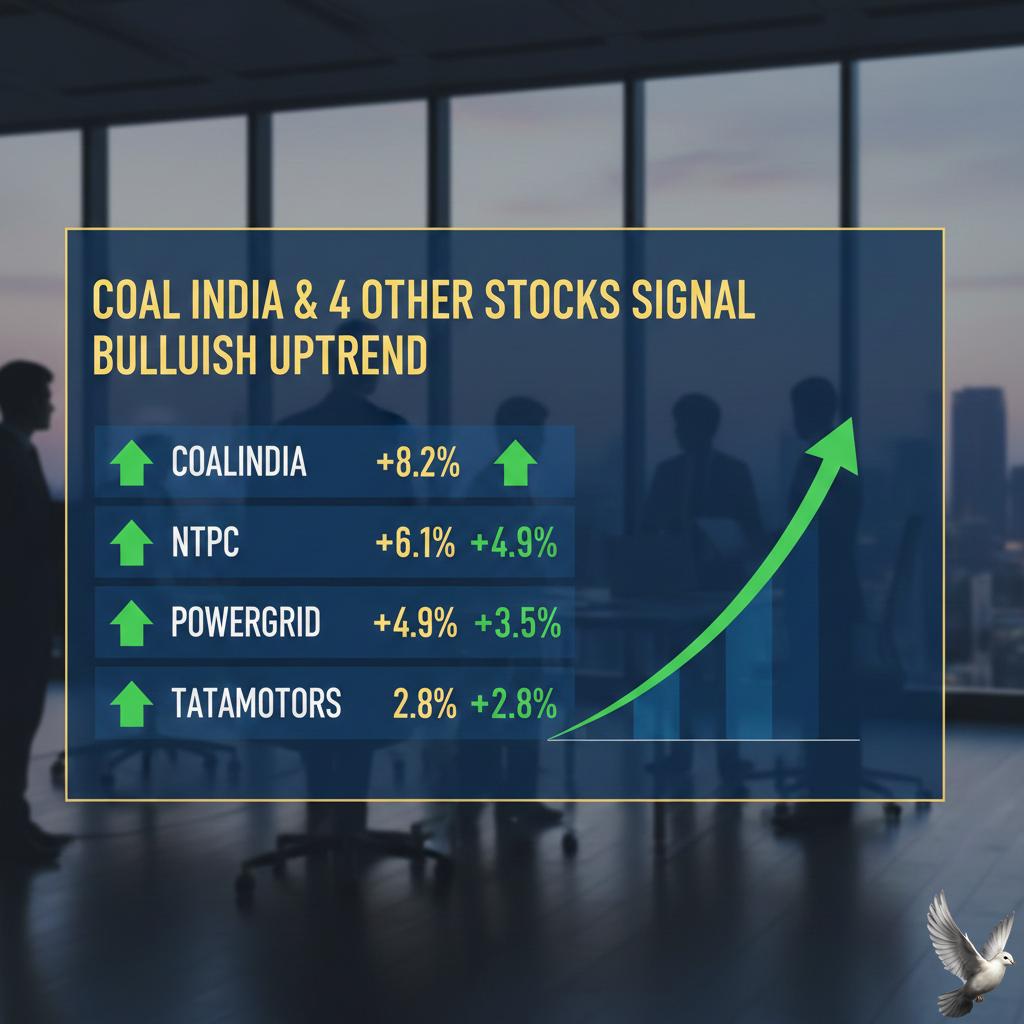
Coal India and Four Other Stocks Signal Potential Bullish Uptrend
Market Brief: February 17, 2026 Global financial markets are navigating a cautious Tuesday session characterized by holiday-thinned trading and shifting geopolitical dynamics. While U.S. markets were closed Monday for Presidents' Day, futures indicate a defensive restart. **S&P 500 futures** are down **0.4%**, and **Nasdaq 100 futures** have slipped **0.8%**, reflecting localized risk aversion. In Asia, several major hubs including China, Hong Kong, and South Korea remain closed for the Lunar New Year. Japan’s **Nikkei 225** declined **0.5%** following weaker-than-expected GDP data, which showed the economy grew at an annualized rate of just **0.2%** in the fourth quarter. In contrast, Australia’s **S&P/ASX 200** managed a gain of **0.5%**. Commodities and Currencies Energy markets are in focus as **Brent crude** remains firm near **$68.33** per barrel. Traders are closely watching nuclear negotiations in Geneva between the U.S. and Iran, particularly after recent naval exercises raised concerns over shipping corridor stability. Precious metals are experiencing a pullback. **Spot gold** has retreated below the **$5,000** mark, while **silver** prices saw a significant decline of approximately **$4,700 per kg** in domestic markets. The **U.S. Dollar Index** remains steady at **97.14**, holding onto recent gains. Fixed Income and Rates The **10-year U.S. Treasury yield** has edged down to **4.03%**, hitting its lowest level since December. This movement follows recent U.S. inflation data showing a modest **0.2%** rise in the Consumer Price Index for January. In India, the **benchmark 10-year bond yield** settled near **6.66%**. Markets are increasingly transitioning into a liquidity-driven phase, supported by a daily system liquidity surplus that averaged **2.62 trillion rupees** so far in February. Regional Highlights: India Domestic indices opened under pressure on Tuesday. The **Sensex** declined **245 points** to **83,031**, while the **Nifty 50** tested the **25,576** level. Selling pressure is most evident in the metal and auto sectors, while IT stocks are showing resilience. Institutional activity shows a divergence in sentiment. Foreign Institutional Investors (FIIs) offloaded equities worth **₹972 crore** on Monday, while Domestic Institutional Investors (DIIs) acted as a primary support pillar, purchasing shares worth **₹1,667 crore**. Wholesale price inflation in India rose to **1.81%** in January, marking the third consecutive month of upward momentum driven by food and manufacturing costs. The trade deficit also widened to a three-month high of **$34.68 billion**.

Nifty 50 Analysis: 11 Stocks Projected for EPS CAGR Up to 106%
Market Outlook: India 2026 Indian equity markets are positioning for a significant rebound in **CY26** after a challenging **CY25** where domestic indices underperformed the MSCI Emerging Markets (EM) index by **26%**. While global benchmarks rallied last year, Indian stocks faced headwinds from **$19 billion** in foreign institutional investor (FII) outflows and valuation resets. Recent data suggests a stabilization of the earnings environment. Large-cap companies maintained resilience with **16%** year-on-year earnings growth, matching the broader market performance. Mid-cap and small-cap segments showed varied results, growing at **15%** and **29%** respectively, as the corporate sector navigated shifting interest rate cycles. Key Market Indicators The benchmark Nifty 50 is currently trading near the **25,600** level, reflecting a phase of consolidation. Valuations are moving toward historical norms, with the Nifty 12-month forward price-to-earnings ratio sitting at **20.4x**, slightly below the long-period average of **20.9x**. Economic fundamentals remain a primary driver of sentiment. India’s Real GDP is estimated to grow by **7.4%** for **FY26**, maintaining its status as a top-performing major economy. Inflation has shown signs of significant softening, cooling to **2.75%** in early **2026**, which has allowed the Reserve Bank of India to maintain a repo rate of **5.25%**. Sector Performance and Flows Sectoral rotation is defining the current market structure. While Information Technology faced pressure due to global spending caution, sectors like **Banking**, **Automobiles**, and **Healthcare** provided the bulk of incremental earnings growth. Banking stocks specifically contributed to over **75%** of recent index earnings accretion. Foreign capital flows are expected to moderate their exit as progress on the **India-US trade agreement** and the **Indo-EU FTA** provides a clearer roadmap for global integration. Domestic Institutional Investors (DIIs) continue to act as a crucial counterweight, having infused approximately **$90 billion** into the markets over the previous calendar year. Motilal Oswal Strategy & Picks Analysts are shifting focus toward a bottom-up investment approach as the results season concludes. Strategy shifts favor companies with strong operating leverage and clearing capital expenditure cycles. Preferred stock picks for the current period include: **Delhivery**: Targeted for its logistics network consolidation and expanding EBITDA margins, currently reaching **7.4%**. **Britannia**: Noted for resilient revenue growth of **9.5%** and significant gross margin expansion due to stable commodity pricing. **IGL and Siemens Energy**: Highlighted for long-term structural growth within the energy and utility frameworks. **Reliance Industries and HDFC Bank**: Remain core recommendations for their diversified revenue streams and clean balance sheets in a recovering credit environment.

GMR Airports Among Four Nifty 200 Stocks With Bullish RSI Upswing
Market performance across India’s benchmark indices showed a notable recovery during the session on February 16, as the Nifty 50 snapped a losing streak to close at 25,682.75, gaining 211.65 points or 0.83%. The BSE Sensex similarly rebounded, climbing 650.39 points to finish at 83,277.15. This upward movement was largely driven by a sharp rally in the power and banking sectors, which countered persistent weakness in the technology space. Technical data indicates a significant shift in momentum for several key players in the Nifty 200 universe. Four specific stocks—GMR Airports, JSW Energy, L&T Finance, and Aurobindo Pharma—entered the "RSI Trending Up" scan. This technical signal occurs when the Relative Strength Index (RSI) crosses above the 50 mark from lower levels, suggesting that buying interest is intensifying and price momentum is turning bullish. GMR Airports led this group with its RSI jumping to 57.21 from a previous 41.5, closing at a price of 100.52. JSW Energy followed closely with an RSI of 56.7 and a closing price of 489.95. L&T Finance and Aurobindo Pharma also cleared the neutral 50-line, posting RSI readings of 52.03 and 51.95 respectively. This trend is often viewed by traders as a precursor to potential sustained upward movement. Sectoral performance highlighted a "risk-on" sentiment in specific pockets. Power Grid Corporation emerged as a top gainer, surging 4.74% to close at 300.50, while Coal India added 3.26% to reach 422.50. The banking sector provided heavy support to the indices, with HDFC Bank rising 2.39% and Axis Bank gaining 1.93%. Despite the broad market recovery, the IT sector remained under pressure due to global concerns regarding the impact of automation and AI on traditional service models. Tech Mahindra dropped 1.34%, and Wipro fell 0.42%, capping the overall gains of the Nifty 50. Market breadth remained positive, with 21 Sensex stocks advancing against 9 declining. However, investors remain cautious as India’s merchandise trade deficit widened to 34.68 billion in January, the highest in the current fiscal year. Foreign Institutional Investors (FIIs) also remained net sellers, offloading shares worth over 7,395 crore in recent sessions, though domestic institutional buying has provided a necessary cushion. Looking ahead, technical analysts identify immediate resistance for the Nifty 50 at the 25,700–25,800 range. A sustained close above this level could pave the way toward the 26,000 psychological mark. On the downside, support is firmly placed at 25,450, which aligns with the 100-day Exponential Moving Average.

Texmaco Rail Shares Rise 10% Following ₹240 Crore Order Wins
Texmaco Rail & Engineering shares surged nearly 11% today, Tuesday, February 17, 2026, reaching an intraday high of 123.50 on the NSE. This rally effectively snapped a five-day losing streak and was fueled by the announcement of two major contract wins totaling over 242 crore. The company secured a 219.18 crore order from Mumbai Railway Vikas Corporation (MRVC). This project involves the design, supply, and installation of advanced signalling systems for a new suburban corridor under the Mumbai Urban Transport Project (MUTP-IIIA), with a 36-month completion timeline. A second contract worth 23.45 crore was awarded by South Western Railway. Texmaco will handle comprehensive maintenance and breakdown restoration of overhead equipment (OHE) and power supply installations across 1,046 track kilometers in the Mysore Division for a period of two years. These wins expand Texmaco’s cumulative OHE maintenance portfolio to 3,702 track kilometers. The new orders provide critical visibility for the company’s order book, which currently stands at approximately 5,661 crore. The market reaction comes despite a cooling period for railway stocks following the Union Budget 2026-27. The government recently allocated a record 2.93 lakh crore for railway capital expenditure, reflecting a 10.5% increase. Within this, 1.20 lakh crore is dedicated to safety-related works, including signalling and electrification. Texmaco's stock performance contrasts with its recent Q3 FY26 earnings. The company reported a net profit of 42.8 crore, down 44% year-on-year, while revenue fell 21.5% to 1,041 crore. Analysts note that while supply disruptions impacted the last quarter, fresh order inflows from domestic and international markets are stabilizing the outlook. The broader railway sector remains a focal point for investors due to the rapid rollout of the Kavach safety system across 40,000 kilometers and the planned development of seven new high-speed rail corridors. Texmaco continues to diversify its revenue streams through freight wagons, loco shells, and infrastructure electricals. Its current valuation remains competitive within the sector, trading at a price-to-earnings ratio of approximately 27 as the industry anticipates further private sector participation in freight and logistics infrastructure. [Texmaco Rail share price jumps on new order wins](https://www.youtube.com/watch?v=64MY8WTt2oM) This video provides an overview of the latest railway budget allocations and market trends affecting stocks like Texmaco Rail. http://googleusercontent.com/youtube_content/0

Cochin Shipyard Shares Rise After Securing L1 Status for ₹5,000 Crore Navy Contract
Cochin Shipyard Market Brief Cochin Shipyard Limited (CSL) shares experienced a sharp recovery during the February 17, 2026, trading session. The stock surged as much as **7.27%** to an intraday high of **₹1,575**. This momentum follows the company’s official declaration as the lowest bidder (L1) for a major defense contract valued at approximately **₹5,000 crore**. The contract, issued by the Ministry of Defence, covers the construction of five Next Generation Survey Vessels (NGSV) for the Indian Navy. This project is a critical addition to CSL’s existing order book, which was estimated at roughly **₹21,100 crore** earlier in the fiscal year. The formal award remains subject to final procedural formalities. Financial Performance and Valuation The company recently reported its Q3 FY26 results, showing a mixed financial profile. Revenue from operations grew by **17.7%** year-on-year to reach **₹1,350.41 crore**, driven by steady project execution. However, consolidated net profit for the quarter declined by **18.3%** to **₹144.67 crore**. Operating margins have tightened, with the EBITDA margin narrowing to **13.8%** from **20.7%** in the previous year. Despite these short-term margin pressures, the stock has maintained a one-year return of approximately **26%**. The company also recently declared an interim dividend of **₹3.50** per share. Market Context and Trends The recent price action effectively snapped a four-day losing streak. The stock opened with a significant gap-up of **5.5%**, outperforming the broader Aerospace & Defense sector’s **4.1%** gain. Currently, the stock trades above its 5-day and 20-day moving averages, though it remains below longer-term 200-day benchmarks. Analysts note that the **₹5,000 crore** win provides high revenue visibility for the next several years. However, execution risks and high valuation multiples—with a Price-to-Earnings (PE) ratio near **55**—remain key points of focus for institutional investors. Key Data Summary * **Current Price:** ₹1,536.10 (as of midday Feb 17) * **Intraday High:** ₹1,575.00 * **52-Week High/Low:** ₹2,545 / ₹1,180 * **Market Capitalization:** ~₹40,369 crore * **New Order Value:** ₹5,000 crore * **Q3 Revenue Growth:** 17.7%
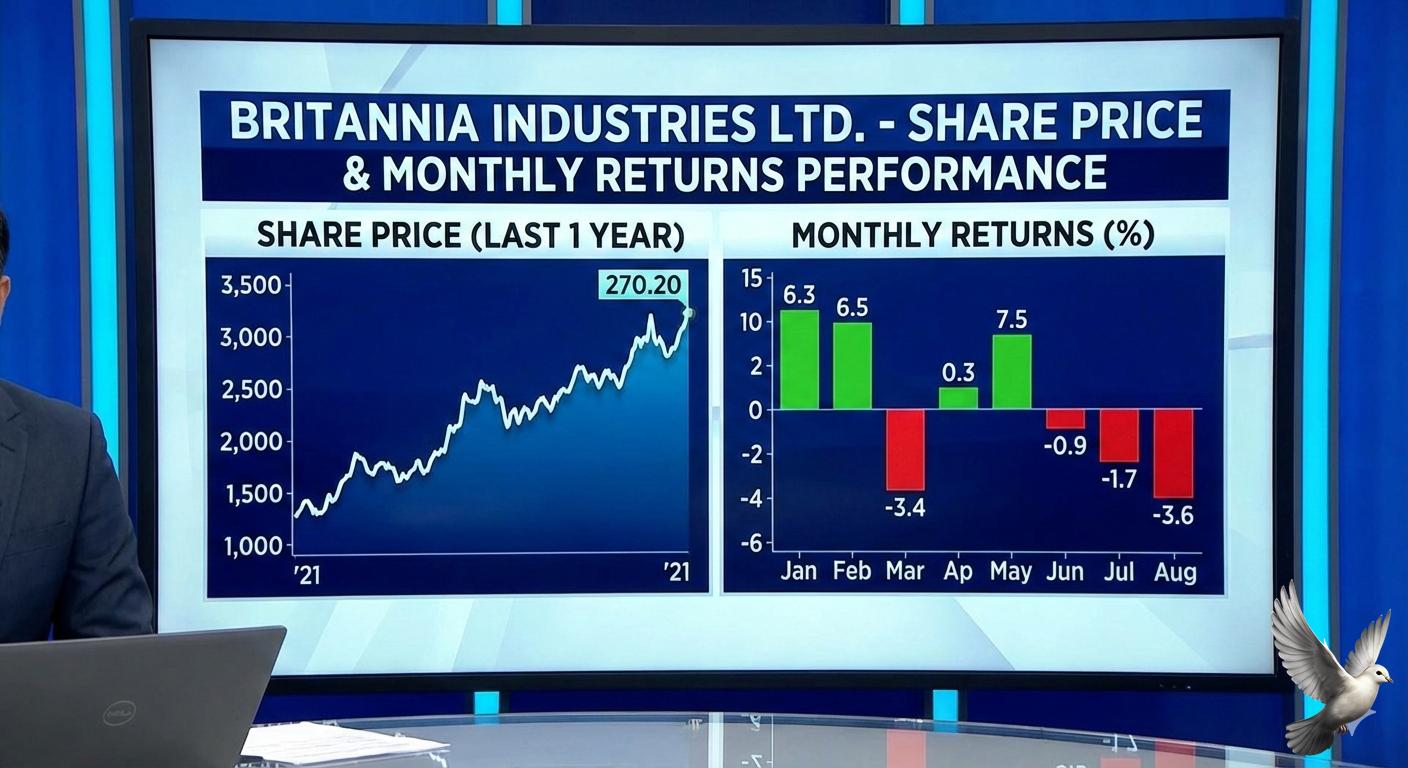
Britannia Share Price and Monthly Returns Performance
Market Overview: February 17, 2026 Global markets are navigating a complex landscape defined by cooling inflation, shifting interest rate expectations, and significant geopolitical developments. While headline figures show resilience, underlying momentum suggests a transition toward a more earnings-driven environment. Equity Benchmarks and Sector Performance In India, the **Nifty 50** is trading above the **25,700** mark, showing a modest gain of **0.16%**. The **S&P BSE Sensex** has climbed approximately **203 points** to reach **83,480**. This recovery follows a period of volatility triggered by earlier budget announcements. The **IT sector** is currently leading the advance, with the **Nifty IT index** rising **2.02%**. Major players like **Infosys** and **HCL Technologies** have posted gains of **2.83%** and **1.92%** respectively. Conversely, metal and oil and gas stocks are under pressure, dragging on broader gains. In the U.S., major indices recently experienced a pullback. The **Nasdaq Composite** shed **2.10%**, while the **S&P 500** fell **1.39%**. Investors are currently processing stronger-than-expected hiring data against the backdrop of potential interest rate adjustments. Commodities and Currency Trends Gold prices are entering a phase of consolidation. In the international market, spot gold recently dipped below the **$5,000** per ounce threshold, currently trading near **$4,970**. In domestic markets, **24K gold** is holding steady around **₹15,789 per gram**. Silver has faced more significant pressure, declining nearly **3%** to approximately **$74 per ounce**. This divergence highlights a cautious approach among precious metal investors. Energy markets remain volatile. Crude oil prices have edged lower as global growth forecasts are revised. The **U.S. Dollar Index** remains relatively flat at **96.91**, while the **Indian Rupee** is looking for stability following the recent easing of trade tariff pressures. Economic Indicators and Future Outlook U.S. inflation data for January shows a deceleration to **2.4%** year-over-year. While this is the smallest increase in seven months, core inflation remains "sticky" at **2.5%**. This has led the market to price in only two interest rate cuts for the remainder of 2026. Global growth projections for 2026 stand at **3.3%**. Analysts are closely monitoring the **India-US trade deal**, which has seen a reduction in reciprocal tariffs from **25%** to **18%**. This move is expected to enhance export competitiveness and encourage the return of foreign institutional investment. Key events on the immediate horizon include the release of central bank minutes from the **U.S. Federal Reserve** and **Australia**, along with flash **PMI** data for major economies. These indicators will provide critical signals regarding manufacturing health and service sector momentum as the first quarter progresses.
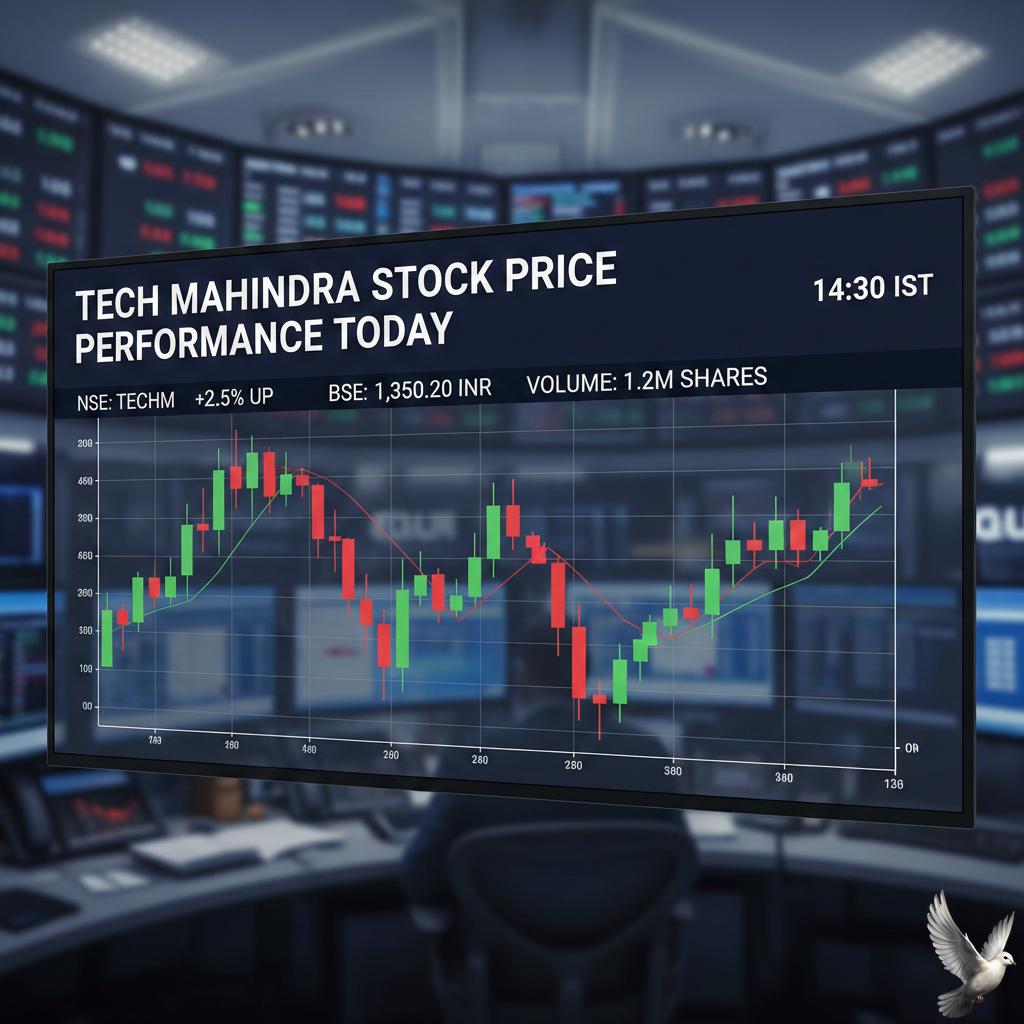
Tech Mahindra Stock Price Performance Today
Market Brief: February 2026 Resilience The global economy enters mid-February 2026 characterized by a "multidimensional polarization." Markets are currently balancing massive infrastructure investment in technology against a softening labor market and shifting trade policies. US equity futures showed a cautious start following the Presidents' Day holiday. Contracts for the **S&P 500** dipped **0.4%**, while the **Nasdaq 100** slipped **0.8%**. This risk aversion stems from concerns over AI "cannibalization" in software and business services, despite an overall corporate earnings growth rate of **13%**. Index and Sector Performance The major benchmarks have navigated a volatile start to the year. As of February 2026, the **Dow Jones Industrial Average** hovers around **50,121**, the **S&P 500** at **6,941**, and the **Nasdaq Composite** at **23,066**. While technology stocks have faced pressure due to massive capital expenditure, the Energy sector has seen gains, recently rising **2.6%**. Financial and Communication services have lagged, dropping **1.5%** and **1.3%** respectively. Inflation and Central Bank Policy Inflation remains a central theme, though the trajectory is cooling. US retail inflation was recently reported at **2.7%** year-on-year. In other major regions, like India, the new Consumer Price Index (base 2024) stands at **2.75%**, well within the preferred tolerance bands. Central banks are transitioning from an easing cycle to a "simultaneous hold." Markets are currently pricing in a **93.6%** probability of a **25-basis-point** rate cut by the Federal Reserve in June, as policymakers wait for more definitive signs of labor market stabilization. Energy and Commodities Energy markets are experiencing short-term spikes driven by geopolitical tensions. **Brent Crude** averaged **$67** per barrel in January due to supply disruptions and naval exercises near critical shipping corridors. However, the long-term outlook for 2026 suggests a decline toward **$58** per barrel as global production is expected to exceed demand. Conversely, gold has reached record levels, with forecasts adjusted upward to **$5,600** per ounce due to sustained macroeconomic uncertainty. Tech Infrastructure Race The "AI supercycle" is driving an unprecedented expansion in capital spending. The top five US hyperscalers are projected to reach a combined capex of over **$700 billion** in 2026, a staggering **60%** increase from previous years. Amazon alone has signaled spending near **$200 billion**. While this fuels a **24%** projected growth in the semiconductor industry, it is also stretching the balance sheets of major players, potentially requiring more external financing than in previous decades.

**UltraTech Cement Share Price: Monthly Performance Analysis**
Market Executive Brief: February 2026 Global financial markets are navigating a landscape defined by cooling inflation, shifting trade alliances, and a notable divergence between traditional and digital assets. While structural oversupply continues to anchor energy prices, precious metals are maintaining resilience amid a strategic reshuffle of global trade policies. Precious Metals and Commodities Gold remains a primary focus for investors, holding steady in a consolidation phase. As of **February 16, 2026**, 24K gold is trading near **₹15,789 per gram** in major Indian hubs, maintaining a position comfortably above the **₹15,600** support level. This follows a volatile period where prices briefly surpassed the **₹16,000** mark earlier in the month. Silver is experiencing more significant pressure, trading near **₹2,70,000 per kg**. Analysts note a persistent divergence between the two metals, with gold benefiting from its status as a defensive asset while silver enters a more cautious phase following overbought signals. Crude oil markets are currently range-bound. Brent crude is trading near **$67.70 per barrel**, while West Texas Intermediate (WTI) hovers around **$62.80**. Despite geopolitical tensions contributing a premium of **$5 to $7** per barrel, prices are limited by global production capacity that significantly exceeds immediate demand. OPEC+ is expected to begin gradual output increases starting in April 2026. Global Equity and Economic Indicators Equities continue to show resilience, with many analysts forecasting double-digit gains for the remainder of the year. A major driver is the "mother of all deals"—a landmark free trade agreement between India and the European Union—which is expected to phase out tariffs on most goods and act as a hedge against more restrictive trade measures. In the United States, markets are adjusting to the appointment of Kevin Warsh as the next Federal Reserve Chair, which has provided a degree of institutional stability. However, the U.S. now spends approximately **5% of its GDP** just on servicing debt, with nearly **25%** of that debt due for refinancing within the next year. India has reported a retail inflation rate of **2.75%** for January 2026. This is the first reading under the new Consumer Price Index (CPI) series, which uses **2024** as its base year. This updated basket includes modern consumption items like streaming services and exercise equipment, reflecting a more accurate picture of current household spending. Digital Assets and Currency The cryptocurrency market is characterized by "orderly deleveraging" following the historic highs of late 2025. Bitcoin ($BTC) is currently trading in the **$69,000 to $70,000** range, a significant retracement from its all-time high of **$126,198**. Market sentiment is currently at an "Extreme Fear" level according to industry indices, despite a total market capitalization of **$2.47 trillion**. Institutional outflows from crypto ETFs have begun to outweigh inflows as investors rotate into more traditional defensive assets like gold. * **Bitcoin Price:** ~$69,675 * **Ethereum Price:** ~$2,063 * **Total Crypto Market Cap:** $2.47 Trillion * **24-Hour Trading Volume:** $93.84 Billion The introduction of new tax compliance forms (IRS Form 1099-DA) has added a layer of complexity for U.S. investors, contributing to some liquidation pressure as the 2026 tax season approaches.
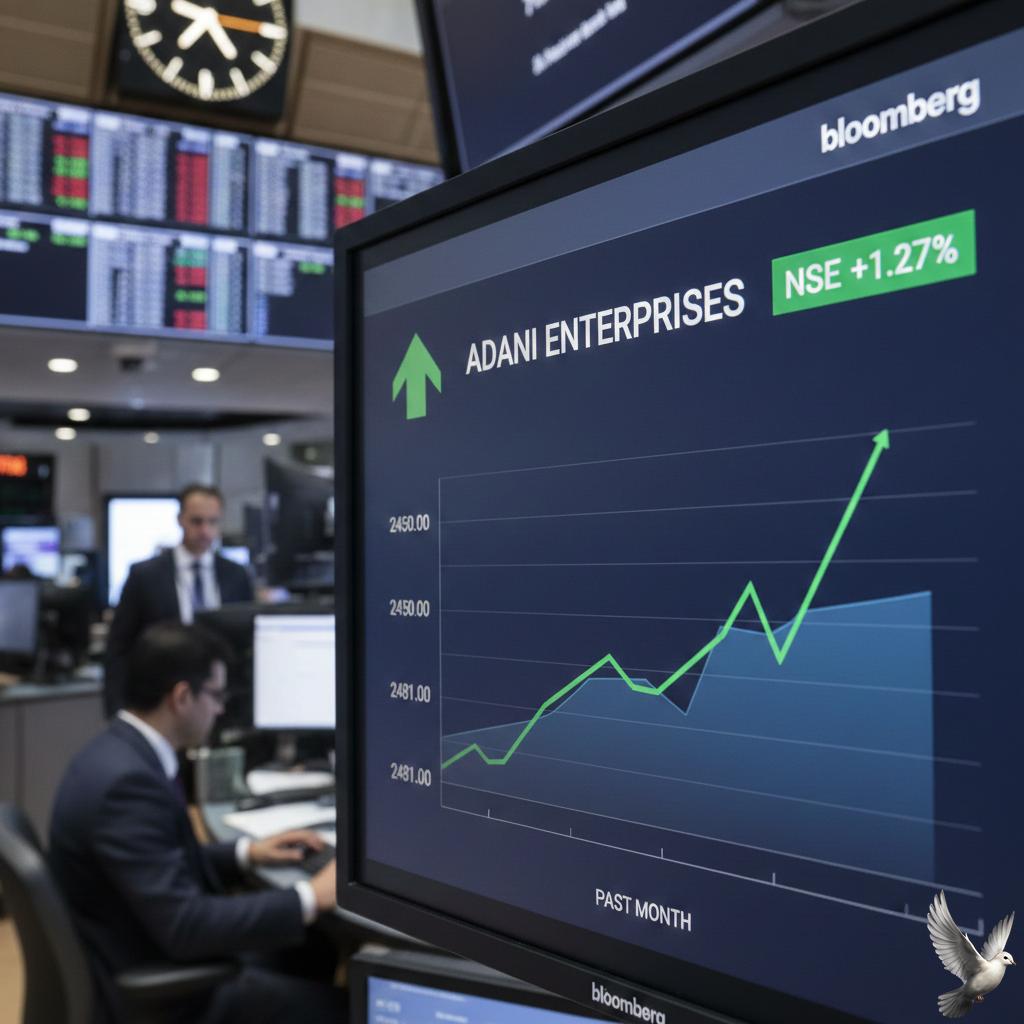
Adani Enterprises share price rises 1.27% over the past month
Market Brief: February 2026 Global equity markets entered mid-February 2026 with a distinct shift in momentum as the "AI trade" began to broaden into cyclical sectors. While technology remains a primary driver, investors are rotating capital into energy, materials, and small-cap stocks. The S&P 500 recently crossed the **7,000** threshold for the first time, though trading has turned sideways as the market digests a concentrated rally in megacap names. The Dow Jones Industrial Average has shown relative strength, climbing to **50,170**, supported by a rotation toward value-oriented sectors. Key Indices and Sector Shifts US market performance remains resilient but volatile. Growth stocks are currently trading at a **5% to 12%** discount relative to fair value estimates, while the energy sector has surged to a **3%** premium following recent gains. In the UK, the FTSE 100 has climbed nearly **5%** year-to-date, eyeing the **11,000** level. This follows a robust **21.5%** gain in 2025. European markets are finding support in stabilizing industrial production, with the STOXX 600 benefiting from easing interest rate pressures. Asian markets are experiencing mixed results. While Japan's Nikkei 225 and South Korea’s KOSPI have hit record highs, Chinese markets are trading in thin volumes due to the Lunar New Year holiday. India's Nifty 50 remains a standout, with projections suggesting a **13%** upside over the next twelve months. Commodities and Currencies Gold prices have experienced extreme volatility. After surging to a record close of **$5,417** per ounce, the metal saw a sharp **10%** correction, recently consolidating near the **$5,000** mark. Silver mirrored this movement, retreating from highs of **$120** to settle near **$85**. Oil prices are being buoyed by geopolitical tensions in the Middle East and supply disruptions in North America. Brent crude is currently trading near **$70** to **$73** per barrel. Global supply is forecast to rise by **2.4 million** barrels per day in 2026, roughly matching an expected demand increase of **850,000** barrels. The U.S. Dollar Index (DXY) has softened to approximately **97.0**, its weakest level in four years. This weakness is providing a tailwind for international equities, particularly in emerging markets which saw gains of **8.9%** in early 2026. Economic Indicators and Policy The U.S. economy remains on a solid footing with GDP growth revised to a **4.4%** annualized pace. Inflation, however, remains "sticky" at **2.7%**, still above the Federal Reserve's **2%** target. Monetary policy is at a crossroads as markets anticipate the transition to a new Fed Chair in May. Current expectations suggest a terminal interest rate between **3.0%** and **3.25%**. In the labor market, U.S. private payrolls increased by **22,000** in January, falling short of expectations, though unemployment remains low enough to support consumer spending. Debt-service costs in the U.S. are now a primary concern, with annual costs projected to reach **$1.8 trillion** over the coming decade.

Jio Financial Services Shares Decline on Monthly Basis
Global Market Brief: February 17, 2026 Global equity markets are navigating a period of sharp divergence as 2026 unfolds. The **FTSE 100** recently achieved a historic milestone, breaching the **10,000** mark for the first time in January and currently trading near **10,473**. This strength is fueled by a fresh commodities supercycle and robust performance in the defense and pharmaceutical sectors. In North America, the **S&P 500** sits at **6,836.17**, while the **Dow Jones** remains near all-time highs at **49,500.93**. However, a significant rotation is underway within the technology sector. High-growth tech stocks are facing a valuation reset as investors demand immediate earnings visibility over long-term artificial intelligence promises. Technology and AI Valuation Shift The initial wave of enthusiasm for artificial intelligence has transitioned into a phase of intense scrutiny regarding capital expenditure. **Microsoft** shares have retreated approximately **17%** so far this year, while **Amazon** has seen a decline of nearly **13.85%** as infrastructure spending forecasts surge. In contrast, semiconductor leaders like **TSMC** and **Samsung Electronics** have added billions in market value, totaling **$293.89 billion** and **$272.88 billion** respectively. This suggests a market preference for hardware and infrastructure providers over software firms currently facing competition from agentic AI breakthroughs. Energy and Commodities Outlook Energy markets are witnessing a cooling trend as global supply begins to outpace demand. **Brent Crude** is currently trading around **$70** per barrel, a significant drop from 2025 averages. Forecasts from the EIA suggest further declines, with an average price of **$58** projected for the remainder of 2026. Natural gas remains an outlier due to localized weather disruptions and data center expansion. The **Henry Hub** spot price averaged **$7.72** per MMBtu in early February, an **81%** increase from December levels, though prices are expected to moderate to a **$4.30** average as production ramps up. Inflation and Precious Metals The global inflation landscape is stabilizing but remains sensitive to policy shifts. In India, the new **2024-base CPI** series shows retail inflation at **2.75%**, staying well within the central bank's target range. This stability is supported by a contraction in food prices, specifically in staples like onions and potatoes. Precious metals have reached unprecedented levels. **Gold** is currently trading near **$4,947** per ounce, while retail rates in major markets hover around **$15,400** per 10 grams. **Silver** has experienced heightened volatility, with prices recently dipping **2%** to approximately **$235,200** per kilogram amid a strengthening U.S. Dollar. Global Trade and Economic Growth The **IMF** projects global growth to remain steady at **3.3%** for 2026. However, new trade policies are redrawing the competitive map. Tariff shifts have made specific imports, such as South African wine, **17%** more expensive, while others, like Italian rice, have become **12%** cheaper, forcing a rapid reallocation of global supply chains.
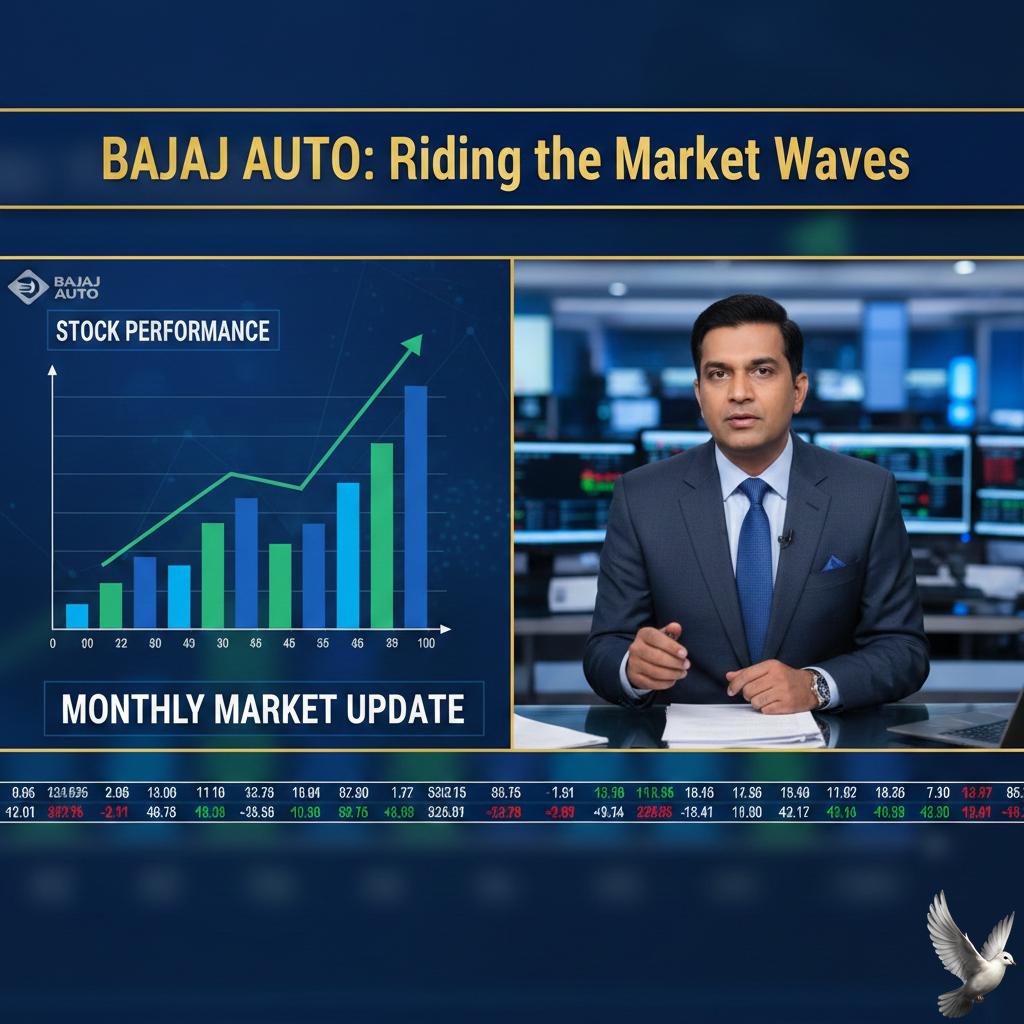
Bajaj Auto Stock Performance: Monthly Market Update
Global Market Brief: February 17, 2026 Global financial markets are navigating a complex landscape of cooling energy prices and shifting trade policies. While major indices show mixed performance, the underlying narrative is one of structural transition in energy and technology. Energy Markets: The Year of the Glut Benchmark crude oil is currently trading near **$73 per barrel**, a significant shift from the volatility seen in previous cycles. Supply is on track to rise by **2.4 million barrels per day** in 2026, roughly double the forecast demand growth of **850,000 barrels per day**. This surplus is driven by record production in the United States, Brazil, and Canada. Market analysts project a **10% decline** in the global energy price index throughout the year. Liquefied Natural Gas (LNG) is also entering a high-supply phase, with global export capacity expected to jump **50%** by the end of the decade, offering sustained relief to European and Asian consumers. Equities and Indices Equity performance remains divergent across regions as of February 17. In the United States, the **S&P 500** sits at **6,836.17**, while the **Dow Jones** holds near **49,500.93**. Tech-heavy indices like the **NASDAQ 100** are positioned at **24,732.73**. Asian markets show localized strength, with India's **SENSEX** reaching **83,277.15**, gaining **0.79%** in recent sessions. Conversely, Japan’s **NIKKEI 225** has faced downward pressure, trading at **56,312.83**. The **U.S. Dollar Index** remains steady at **97.11** as investors await upcoming Federal Reserve minutes and GDP data. Technology and Infrastructure The technology sector has moved from experimentation to industrial scale. Worldwide IT spending is projected to surpass **$6 trillion** for the first time in 2026. This growth is fueled by a massive expansion in AI-optimized hardware. Global semiconductor revenues are forecast to rise **25%** this year, reaching **$975 billion**. However, the consumer hardware segment faces headwinds, with smartphone shipments potentially contracting by **5%** due to rising memory chip costs and supply constraints. Global Economic Outlook Global economic output is forecast to grow by **2.7%** in 2026. The United States is projected to expand at **2.0%**, while India continues to lead major economies with a forecast growth of **6.6%**. Inflation is moderating globally, with the United Kingdom projecting a return to its **2%** target by April. However, trade remains a point of friction. New tariff structures are redrawing competitive maps; for instance, certain agricultural imports to the U.S. have seen relative price shifts of up to **17 percentage points** compared to 2024 levels. Key Events Today * **India-France Bilateral Summit:** Prime Minister Modi and President Macron are meeting in Mumbai to inaugurate the "Year of Innovation 2026," focusing on defense and digital cooperation. * **Corporate Orders:** Cochin Shipyard secured a major **Rs 5,000 crore** defense contract, signaling continued momentum in the industrial sector. * **Monetary Policy:** Markets are pricing in a high probability of interest rate cuts starting in June 2026, supported by the ongoing disinflationary trend in energy and food.

HDFC Bank Share Price and Monthly Performance Analysis
Market Overview: Geopolitical Friction and Tech Volatility Global markets are navigating a cautious landscape on February 17, 2026, as geopolitical tensions in the Middle East and a prolonged sell-off in the technology sector dampen investor sentiment. US equity-index futures moved lower following the Presidents' Day holiday, with **S&P 500 futures dropping 0.4%** and **Nasdaq 100 futures slipping 0.8%**. This trend reflects growing "AI scare trade" concerns, as investors reassess the immediate payoff of massive artificial intelligence investments. In Asia, trading remains thin due to the Lunar New Year holidays across China, Hong Kong, and South Korea. However, Japan’s **Nikkei 225 fell 1% to 56,237.65**, weighed down by a **6.2% decline in SoftBank Group** and disappointing fourth-quarter GDP growth of just **0.2% annualized**. In contrast, Australia’s **S&P/ASX 200 bucked the trend with a 0.3% gain** to 8,964.10, supported by cooling domestic inflation and hopes for a soft landing. Sector Performance and Corporate Highlights The Indian equity markets showed resilience after a flat opening. The **BSE Sensex gained 50 points to trade near 83,315**, while the **Nifty 50 remained above 25,650**. Defensive sectors and specific corporate wins are providing a buffer against global macro headwinds. **Technology and AI** The IT sector remains a focal point of volatility. **Infosys shares rose 3%** following a strategic collaboration with Anthropic, providing a rare bright spot in a tech sector that has seen the Nasdaq slump for five consecutive weeks. **Industrial and Defense** Public Sector Undertakings (PSUs) are seeing significant momentum. **Cochin Shipyard surged over 5%** after being declared the lowest bidder for a **₹5,000 crore defense contract** for the Indian Navy. This follows a broader trend of "Atmanirbhar Bharat" initiatives driving long-term revenue visibility in the sector. **Logistics and Pharma** **Lupin** entered a licensing deal in Canada to strengthen its specialty pharma portfolio, while **Delhivery** announced new partnerships for electric vehicle deployment, aligning with a growing market focus on ESG-compliant logistics. Commodities and Indicators Geopolitical developments between the US and Iran are the primary drivers for energy and safe-haven assets. **Energy** **Crude oil prices rose to $63.54 per barrel** as traders priced in higher risks following Iranian naval exercises near critical shipping corridors. Negotiators are meeting in Geneva today, and the market remains sensitive to any signals of escalation. **Precious Metals and Digital Assets** Gold and silver experienced a pullback as investors moved toward liquidity. International **spot gold dropped below the $5,000 mark per ounce**, with physical prices in Mumbai currently at approximately **₹1,25,144 per 8 grams of 24-carat gold**. **Bitcoin fell 0.6%**, currently trading around **$68,500**. Macroeconomic Outlook Central banks are entering a selective easing cycle. Global inflation is projected to fall toward **3% across OECD nations** by the end of 2026. The US Federal Reserve's next move is under intense scrutiny, with the market awaiting tomorrow’s release of the January meeting minutes. While a **35% probability of a global recession** remains a theme in long-term forecasts, front-loaded fiscal stimulus in major economies is expected to support a rebound in sentiment by the second half of the year. Investors are now shifting focus toward core personal-consumption expenditures (PCE) data due later this week to gauge the speed of future rate cuts.