Bearish News
Collection
US Software Stocks Rise Following Anthropic Announcement
Software stocks staged a significant recovery on Tuesday, February 24, as the sector moved to reclaim ground following a massive AI-driven selloff. This "relief rally" was catalyzed by strategic moves from the AI startup Anthropic, which shifted the narrative from industry disruption to enterprise collaboration. The broader market saw the S&P 500 Software & Services Index climb 1.4%, while the iShares Expanded Tech-Software Sector ETF jumped 2.4%. This bounce followed a 10-month low reached on Monday, when fears of AI-induced job losses and revenue displacement wiped out billions in market value. Anthropic’s release of 10 new enterprise plug-ins for its Claude AI model served as the primary tailwind. These tools are specifically designed to automate complex tasks in high-value sectors such as investment banking, wealth management, and human resources. Key performance figures for partner companies included: - DocuSign: shares surged 6.0% - FactSet: gained 5.3% - Salesforce (Slack): rose 4.0% - LSEG: climbed 0.4% The tools focus on high-level workflows, including reviewing banking deals, analyzing portfolios, and generating branded HR materials. By partnering directly with established software firms, Anthropic is positioning AI as an "infrastructure" layer rather than a replacement for existing platforms. IBM also saw a modest rebound of 3.5% on Tuesday. This followed a historic 13% drop on Monday—its worst day in over 25 years—after news broke that AI could automate the modernization of legacy COBOL code, a move initially seen as a threat to IBM’s core services. Market sentiment is currently stabilizing as analysts suggest the recent "Software-mageddon" may have been oversold. While long-term questions regarding seat-based pricing and client churn remain, the current focus has shifted toward how legacy players can integrate agentic AI to protect their business models. [Anthropic AI Tool Sparks Stocks Selloff](https://www.youtube.com/watch?v=lbITsEcSb68) This video provides a deep dive into how initial AI announcements triggered a massive market rout before the recent stabilization occurred. http://googleusercontent.com/youtube_content/0
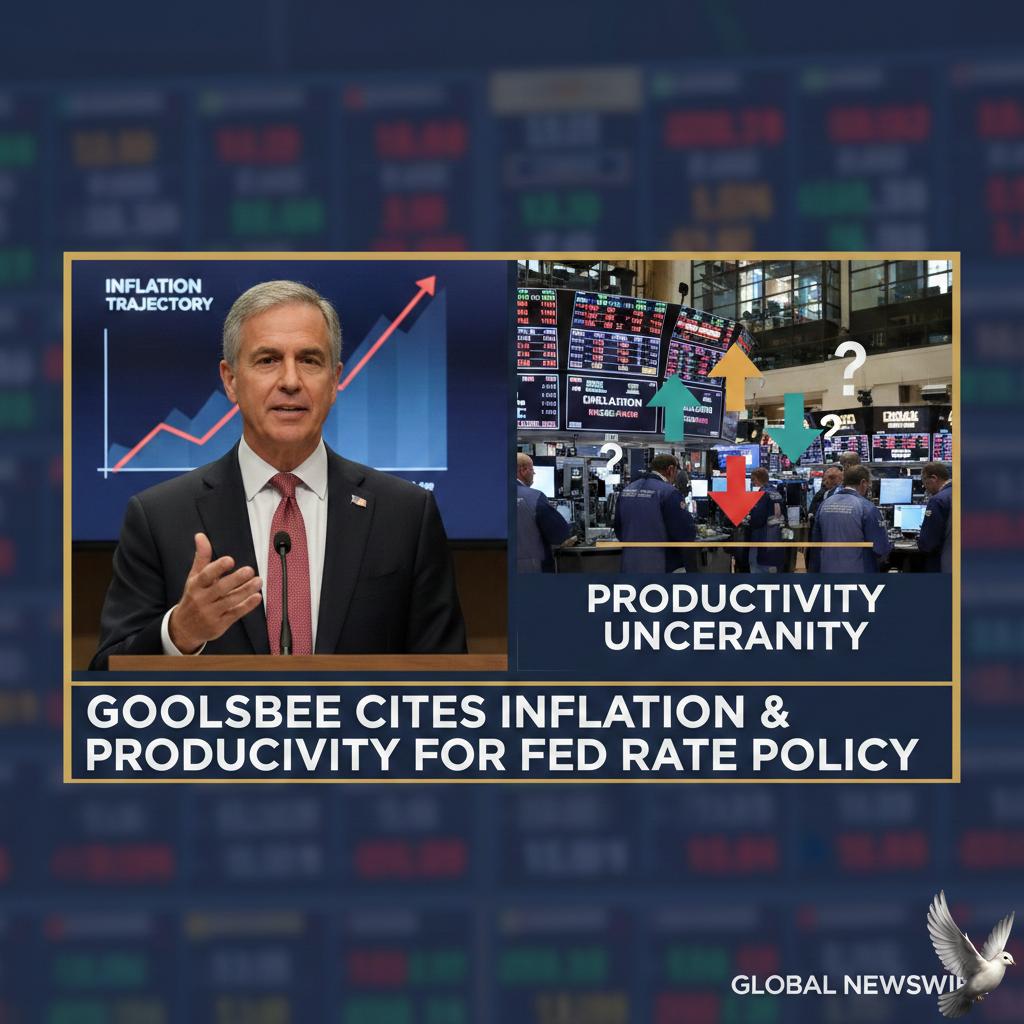
**Goolsbee Cites Inflation Trajectory and Productivity Uncertainty as Key Factors for Fed Rate Policy**
Chicago Fed President Austan Goolsbee is urging caution against premature interest rate cuts, even as the U.S. central bank navigates a complex economic landscape defined by lingering inflation and shifting market sentiment. While Goolsbee remains optimistic about potential rate reductions later in 2026, he warns that relying on expected productivity surges—specifically those linked to artificial intelligence—is a risky strategy for loosening monetary policy today. As of late February 2026, the Federal Reserve has maintained the benchmark federal funds rate in a target range of 3.50% to 3.75%. This follow a period of stabilization after several cuts in 2025. Although annual inflation slowed to 2.4% in January 2026—the lowest level since 2021—it remains above the Fed's 2.0% target. Goolsbee emphasized that the central bank requires "tangible" evidence that price pressures are sustainably retreating before committing to further easing. A core debate has emerged within the Fed regarding the "Greenspan moment" of the 1990s. Some officials, including nominees and governors, suggest that a productivity boom could allow for lower rates without stoking inflation. However, Goolsbee counters that the current situation is distinct because inflation has remained above target for several years. He argues that "front-loading" cuts based on unproven productivity gains could easily overheat the economy, leading to a significant downturn if those gains do not materialize as forecast. Market reaction reflects this uncertainty. On February 24, 2026, U.S. equity markets saw sharp declines, with the Dow Jones dropping 1.66% to 48,804 and the S&P 500 falling 1.04% to 6,837. Investor anxiety is being driven by a combination of new 15% global tariff threats, AI-sector volatility, and concerns that the Fed may keep rates restrictive for longer than anticipated. Fixed income markets show a rotation into safety, with the 10-year Treasury yield recently trading near 4.03% and the 2-year yield at 3.48%. Gold has surged as a haven asset, hitting a multi-month high of approximately $5,227 per ounce. Meanwhile, the labor market shows signs of cooling, with unemployment ticking up to 4.3% or 4.4% depending on recent readings, adding another layer of pressure to the Fed’s dual mandate of price stability and maximum employment. The Federal Open Market Committee is scheduled to meet again in mid-March. While some strategists anticipate a potential cut by summer, the current consensus leans toward a "wait-and-see" approach. Goolsbee’s recent comments solidify this hawkish-leaning stance, making it clear that the bar for the next rate cut remains high until services inflation is fully "tamed" and the impact of trade policies on consumer prices becomes clearer. [Understanding Fed Rate Decisions](https://www.youtube.com/watch?v=XDznxjCuQWY) This video features Chicago Fed President Austan Goolsbee discussing the current interest rate outlook and the specific economic data the Fed is monitoring. http://googleusercontent.com/youtube_content/0
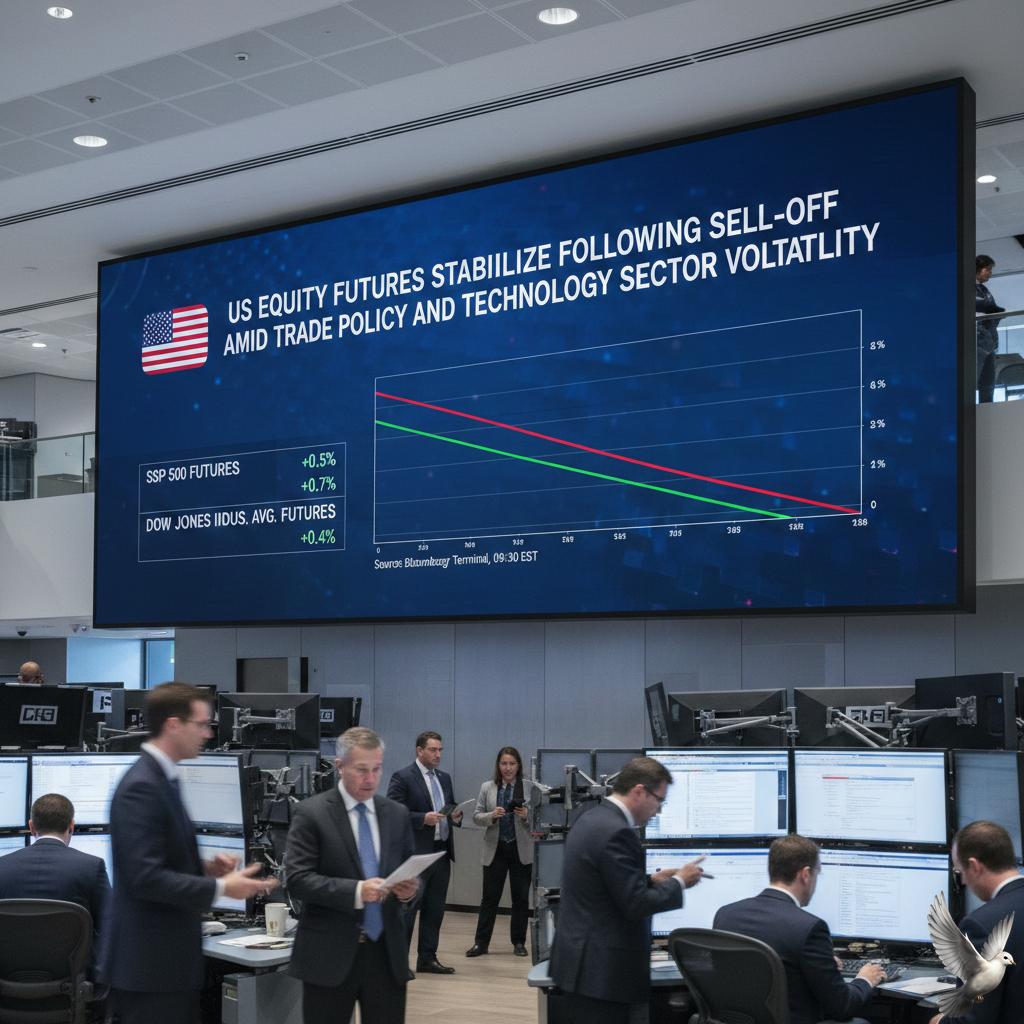
US Equity Futures Stabilize Following Sell-off Amid Trade Policy and Technology Sector Volatility
U.S. stock index futures marked a cautious recovery on Tuesday morning, attempting to stabilize after a volatile session that saw the Dow Jones Industrial Average plunge more than 800 points. Market sentiment is currently defined by a "scare trade" driven by two primary catalysts: aggressive new trade policies from the White House and mounting structural concerns regarding the long-term impact of artificial intelligence on traditional business models. As of early Tuesday, Dow Jones Futures rose 152 points, a gain of 0.31%, bringing the contract to 49,001. S&P 500 Futures edged up by 0.20% to 6,865.50, while Nasdaq 100 Futures climbed 0.28% to reach 24,831.75. This modest bounce follows a sharp broad-market selloff on Monday triggered by President Donald Trump's announcement to raise global tariffs to 15%. This move followed a Supreme Court ruling that had previously challenged the administration's legal authority to impose "reciprocal" taxes. The trade escalation has injected fresh uncertainty into global supply chains. Markets are particularly sensitive to the 15% levy, which many economists view as a significant macroeconomic shock. Current estimates suggest that a sustained 25% tariff increase could potentially reduce U.S. GDP growth by 2.5% and push inflation higher by 1.5% over the next two years. The tech sector faces additional pressure from a deepening "AI scare." Skepticism is growing over the immediate return on massive AI investments. This anxiety was exacerbated by a significant 13% drop in IBM shares following reports that new AI tools could disrupt its core legacy systems. Investors are now pivoting their focus toward the upcoming Nvidia earnings report on Wednesday, which is widely seen as a critical litmus test for the continued viability of the AI trade. Broader economic indicators reflect a complex landscape. While the U.S. economy grew at a 1.4% annualized rate in the final quarter of 2025, consumer confidence has recently touched its lowest level since 2014. The labor market remains a point of contention, with the unemployment rate hovering around 4.0%, even as fears persist that rapid AI automation could eventually trigger higher joblessness in white-collar sectors. In other asset classes, gold has maintained its position as a primary hedge, trading near $5,193 per ounce despite a slight 0.61% dip Tuesday morning. Crude oil prices remained relatively flat at $66.23 per barrel. Traders are now awaiting the President’s State of the Union address and fresh consumer data for further direction. The prevailing mood remains skittish, as participants weigh whether the current recovery is a genuine floor or merely a temporary pause in a larger structural realignment.
LTIMindtree, TAC Infosec Among Major Tuesday Stock Movers
Market Brief: Benchmark Indices Face Steep Correction Indian equity benchmarks experienced a significant downturn on Tuesday, February 24, 2026, as heavy selling in the technology sector combined with fresh global trade concerns. The BSE Sensex plummeted **1,068.74 points**, or **1.28%**, to close at **82,225.92**. Simultaneously, the NSE Nifty 50 shed **288.35 points**, or **1.12%**, ending the session at **25,424.65**. This sharp decline wiped out approximately **Rs 4.6 lakh crore** in investor wealth in a single day. IT Sector Hits 30-Month Low The Nifty IT index was the primary laggard, crashing **4.74%** to its lowest level in two and a half years. The sell-off was triggered by intensifying fears over AI-driven disruption to the traditional IT outsourcing model. Market sentiment soured following a viral report by Citrini Research and news of Anthropic’s "Claude Code" tool, which demonstrated the ability to automate the modernization of legacy COBOL systems. Major technology stocks faced severe pressure, with Tech Mahindra falling **6.63%** and HCL Technologies dropping **6.10%**. Industry leaders Infosys and Tata Consultancy Services (TCS) also saw significant declines of nearly **4%** each. This "IT bloodbath" follows a broader global trend, where overnight weakness in the US saw IBM shares post their worst single-day drop in 25 years. Trade Policy and Geopolitical Headwinds Uncertainty regarding US trade policy added to the domestic gloom. President Donald Trump’s warning of a potential **15% universal tariff** under Section 122 of the Trade Act of 1974 weighed heavily on export-oriented sectors. In response to the shifting policy landscape, the Indian government has reportedly paused trade negotiations to assess the impact on national GDP. Geopolitical tensions also played a role in dampening risk appetite. Escalating friction between the US and Iran pushed crude oil prices higher, while the Indian rupee weakened by **0.07%** to reach **90.95** against the US dollar. These macroeconomic pressures contributed to a negative advance-decline ratio, with roughly two stocks declining for every one that advanced on the National Stock Exchange. Sectoral Outliers and Defensive Moves While IT and Realty (**-2%**) faced the brunt of the selling, some sectors displayed resilience. The Nifty Metal index emerged as a top gainer, rising **1.36%** to reach a new all-time high, driven by hopes of easing global steel tariffs. Public Sector Undertaking (PSU) banks, pharma, and oil and gas sectors also closed in positive territory as investors rotated capital into defensive and domestically focused segments. Among individual gainers, NTPC rose **1.94%**, followed by Coal India and JSW Steel, which both gained over **1%**. Despite the broader market rout, 55 stocks managed to touch their 52-week highs, though this was overshadowed by 303 stocks hitting 52-week lows during the session.
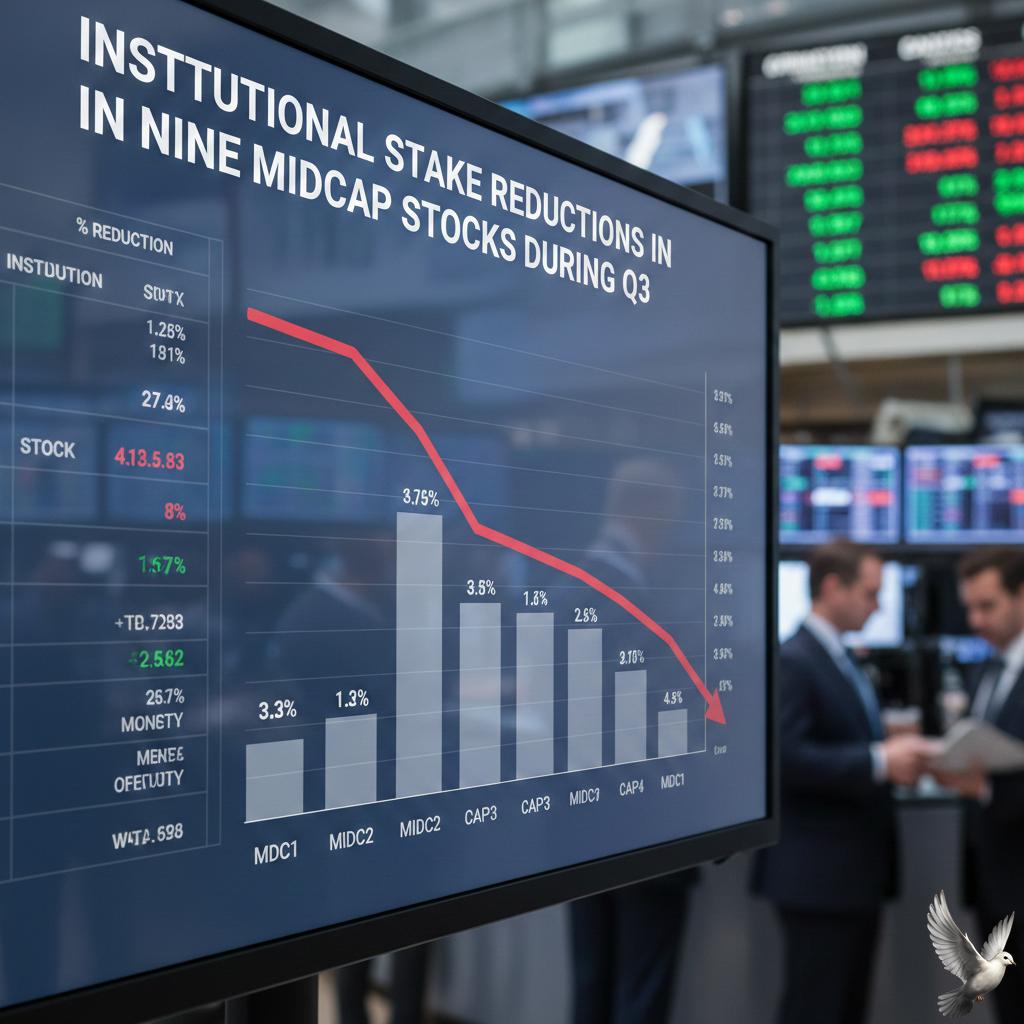
Institutional Stake Reductions in Nine Midcap Stocks During Q3
Market Brief: Midcap Institutional Shifts Institutional investors recalibrated their positions across key NSE midcap stocks during the December 2025 quarter. This period was marked by strategic profit booking and portfolio rebalancing as the **Nifty Midcap 100** navigated a high-valuation environment. By late February 2026, the index traded near **58,816**, reflecting a cautious tone amidst global volatility and sectoral rotation. High-Profile Stake Reductions Institutional appetite for previously high-flying electronics and hospitality stocks showed signs of cooling. **Dixon Technologies** faced a notable retreat, with Foreign Institutional Investor (FII) holdings declining from **23.2%** to **20.6%** over the year. The stock entered a challenging phase, closing February 2026 nearly **37%** below its previous peak of **18,700**. **Kaynes Technology** also experienced a sharp institutional pullback. Shaken by reports flagging disclosure concerns and negative operating cash flows, the stock price plummeted **42%** from its January 2025 highs to roughly **4,358** by December. Despite strong revenue growth, the market shifted toward a risk-off stance on the back of governance questions. Hospitality and Demerger Dynamics The hospitality sector saw significant movement following the strategic restructuring of **ITC Hotels**. Institutional holdings in the newly independent entity fell from **45.72%** in September to **37.25%** by December 2025. FII participation specifically dropped from **25.5%** to **16.1%**, while public shareholding expanded from **14.4%** to **22.9%**. Contrasting Trends and Selective Buying While some sectors faced selling pressure, institutions did not exit the midcap space entirely. They pivoted toward banking and specialty chemicals. **Bank of Maharashtra** saw total institutional participation jump from **12.39%** to **18.4%**. Similarly, **Aether Industries** and **HBL Power Systems** recorded steady accumulation, indicating a preference for firms with clear earnings visibility. Current Market Sentiment As of late February 2026, the broader market remains under pressure from external factors, including U.S. tariff uncertainties and AI-led disruptions in the IT sector. While domestic institutional investors continue to offer a cushion with net buying, FIIs remain selective. The **India VIX** hovering around **14.17** suggests that while volatility is present, it remains within a manageable range for long-term participants.

Nine Microcap Stocks With Consistent Mutual Fund Ownership Over Four Quarters Including Two Multibaggers
Market Brief: Indian IT Sector Turmoil Indian equity benchmarks suffered a significant blow on Tuesday, **February 24, 2026**, as a massive selloff in the Information Technology sector dragged the broader market lower. The **Nifty IT Index plunged 4.74%**, hitting a **30-month low** and extending its monthly decline to over **20%**. This downturn reflects mounting investor anxiety over Artificial Intelligence (AI) disruption. Recent catalysts include the launch of advanced AI agents like Anthropic’s **Claude Cowork Agent**, which threatens the traditional labor-arbitrage model. Analysts are concerned that automated tools can now handle complex legacy code modernization, specifically in **COBOL systems**, which previously required extensive manual labor from Indian service providers. Key Market Indicators The benchmark **Nifty 50** declined by **288.35 points (1.12%)** to settle at **25,424.65**, while the **Sensex** plummeted **1,068.73 points (1.28%)** to close at **82,225.92**. The carnage was most visible in large-cap IT stocks, where the combined market capitalization of the top five firms eroded by over **₹84,000 crore** in a single session. * **TCS:** Down **3.21%** to **₹2,590.05** * **Infosys:** Down **3.46%** to **₹1,282.50** * **HCL Tech:** Down **3.94%** to **₹1,370.15** * **Wipro:** Down **2.14%** to **₹201.55** * **Tech Mahindra:** Down **2.95%** to **₹1,399.20** Strategic Shifts and Growth Outlook Despite the immediate market volatility, the long-term outlook remains a subject of intense debate. Industry bodies like Nasscom project the Indian tech industry will reach a **$300 billion revenue milestone by FY2026**, growing at approximately **5.1%**. Global Capability Centers (GCCs) are emerging as a vital sub-sector, projected to lead salary growth with **10.4% increments in 2026**. While critics argue the traditional outsourcing model could "disappear" within five years, proponents suggest that IT firms will pivot to become the "plumbers" of the AI world—integrating complex AI agents into enterprise environments. Valuation and Investor Sentiment The sector is currently trading at a price-to-earnings (**P/E**) ratio of approximately **20.4x**, which is below its 10-year average of **21.6x**. This drop has led some market participants to view the current drawdown as a tactical "buy the dip" opportunity for long-term investors, citing that individual companies may face volatility while the broader tech ecosystem continues to expand. However, sentiment remains fragile. External pressures, including **U.S. tariff policy** uncertainty and rising crude oil prices due to Middle East tensions, continue to weigh on risk appetite. Investors are now looking toward India’s GDP data release on February 27 for further economic cues.

Realty Stocks Decline Amid Concerns Over IT Sector Volatility and Housing Demand
Indian real estate markets faced significant downward pressure on Tuesday, February 24, 2026, as a severe rout in the Information Technology sector triggered a sell-off across property stocks. The Nifty Realty index plunged 3%, reaching an intraday low of 810.10. Investor sentiment was rattled by fears that AI-driven disruptions in the IT services industry could permanently shrink demand for commercial office spaces and urban housing. The IT sector remains a primary driver of high-end residential sales and office leasing in India, making the real estate market highly sensitive to tech employment trends. Prestige Estates Projects led the losers with a sharp 5% decline, trading near 1,456.60. Other major players followed the downward trend, with Signatureglobal dropping over 3.3% to approximately 985.25. Lodha Developers and Godrej Properties also saw values retreat by 3% to 4%, as the broader market reacted to a 1,100-point crash in the Sensex. This volatility marks a challenging start to 2026 for the sector. The Nifty Realty index has now recorded an 8.4% decline year-to-date. Rising concerns over stretched valuations have added to the pressure, with some stocks trading at Price-to-Earnings multiples significantly higher than their long-term averages. Beyond domestic tech worries, global factors contributed to the cautious mood. Renewed tariff threats from the U.S. administration and a 13% crash in IBM shares overnight fueled a global tech sell-off that spilled into Indian markets. High interest rates also continue to impact construction costs and buyer affordability in the multifamily segment. Despite the current slump, the underlying residential market shows pockets of resilience. Luxury housing sales grew nearly 97% year-on-year in late 2025, and office absorption reached 59.6 million square feet in the first nine months of the current fiscal cycle. Investors are now closely watching if the IT sector stabilization can prevent further contagion in property valuations. [Prestige Estates stock drop](https://www.youtube.com/watch?v=kE4mHLRuBu8) This video provides a deep dive into the 2026 outlook for the Indian real estate market, specifically analyzing how shifts in the IT sector and GCCs are impacting office leasing and residential demand. http://googleusercontent.com/youtube_content/0

IT Stocks Decline Amid AI Concerns as Market Evaluates Buying Opportunity
Market Brief: Indian IT Sector Face AI Turbulence The Indian Information Technology sector is navigating a significant period of volatility. As of February 24, 2026, the **Nifty IT Index** has plunged **3.5%** in a single session, hitting a fresh **52-week low of 30,417.75**. This sharp decline reflects a broader month-to-date collapse of **20%**, wiping out approximately **₹5.05 lakh crore** in investor wealth. Catalysts of the Selloff The primary driver is the accelerating fear of structural disruption from Artificial Intelligence. Sentiment soured following reports that new AI tools, such as Anthropic’s Claude Code, can now modernize legacy systems like COBOL—a task traditionally handled by human developers. This directly threatens the core revenue streams of Indian outsourcing giants. Global triggers have intensified the pressure. A **13.2%** crash in IBM shares overnight served as a warning shot, while renewed uncertainty regarding **15%** U.S. tariff policies has made investors skittish. Major companies are seeing their stocks retreat significantly: * **HCL Technologies** and **Persistent Systems** fell over **4%**. * **Infosys** and **TCS** dropped by **3.7%** and **3.5%** respectively. * **Wipro** declined by **2.9%**. Valuation and Analyst Outlook Market experts are currently divided on the sector's trajectory. HSBC Global Investment Research estimates a **14%-16%** gross deflationary risk to sector revenues over the next few years due to AI. Furthermore, Jefferies has warned that in a worst-case disruption scenario, valuations could see an additional **30%-65%** downside. Conversely, some analysts argue the market is overreacting. Current price-to-earnings (P/E) multiples have reached multi-year lows. **Infosys** is trading at approximately **19.59x** and **TCS** at **20.27x**. Proponents of a "buy" strategy suggest these valuations are becoming attractive for long-term investors, noting that Indian firms are already pivoting to integrate AI into their own service delivery to mitigate risks. Looking Ahead While the immediate trend is "sell on rise," the sector's long-term health depends on its ability to transition from labor-intensive models to AI-driven products. Despite the current bloodbath, the industry is still projected to contribute **10%** to India’s GDP by the end of **2026**, supported by a **₹2,000 crore** government allocation for AI infrastructure. For now, the market remains in a cautious, bearish phase as it awaits stability in global tech indices.

IBM Stock Drop Linked to Anthropic COBOL Disruption Weighs on Indian IT Sector
The global technology sector is currently navigating a period of significant volatility, marked by a sharp correction in IT stocks as of February 24, 2026. This downturn was primarily triggered by a historic 13.15% plunge in IBM shares on Wall Street, wiping out over $31 billion in market value in a single session. This represents the company's steepest one-day decline since October 2000. The catalyst for this sell-off is the launch of "Claude Code" by AI startup Anthropic. This new tool claims to modernize COBOL—a legacy programming language that still powers approximately 95% of ATM transactions and critical banking infrastructure. By automating the exploration and analysis of billions of lines of code, the tool threatens to disrupt the lucrative consulting and mainframe maintenance services that have long been a core revenue stream for legacy tech giants. In India, the fallout has been immediate and severe. The Nifty IT index tanked 3.5% today, hitting a fresh 52-week low. Cumulative losses for the month of February have now reached 20%, with approximately ₹5.05 lakh crore in market capitalization eroded across the sector. Major Indian IT players are facing intense selling pressure. Infosys saw its shares decline by 3.7%, while Tata Consultancy Services (TCS) fell by 3.5%, causing its market capitalization to slip below the ₹10 lakh crore milestone for the first time in over five years. Other notable declines include HCL Technologies and Persistent Systems, both dropping over 4%. Investor anxiety is being fueled by structural concerns. Brokerages have warned of a "deflationary risk" to IT revenues, suggesting that AI-driven automation could reduce the need for large engineering teams and compress billing rates. The "sell first, ask questions later" sentiment has been further compounded by weak performance in US-listed ADRs, with Infosys ADR dropping 10% in the preceding session. Broader market factors are also at play. Rising crude oil prices, currently around $72 per barrel, and renewed global trade tensions following recent tariff remarks have added to the risk-off mood. The benchmark NSE Nifty 50 and BSE Sensex both declined nearly 1% in early trade, largely dragged down by the tech rout. Technically, the Nifty IT index has entered a bearish phase, breaching key Fibonacci retracement levels and forming a "Death Cross" pattern. Analysts suggest that a meaningful recovery may depend on stability in global tech indices and a clearer outlook on how traditional service providers will integrate these disruptive AI tools into their own business models.
Indian Bond Trading Volumes Subdued Ahead of State Loan Auction
The Indian government bond market is currently navigating a period of range-bound trading, as investors balance heavy domestic supply against supportive global cues. The benchmark 10-year G-Sec yield is hovering around the **6.71%** to **6.73%** level, easing slightly from recent weekly highs as the market absorbs significant issuance pressure. A primary focus for traders is the substantial state borrowing activity. A massive auction of State Government Securities (SGS) is scheduled for today, February 24, 2026, with 16 states aiming to raise an aggregate of **₹44,550 crore**. This follows a recent federal underwriting auction of **₹33,000 crore**, underscoring a period of high debt supply that continues to cap any significant rally in bond prices. On the monetary policy front, the Reserve Bank of India (RBI) has provided a stabilizing anchor. In its February 2026 meeting, the MPC maintained the repo rate at **5.25%** and kept a "neutral" stance. With headline inflation projected at a moderate **3.2%** for the current quarter and expected to stay near **4.0%** in early FY27, the central bank’s "wait and watch" approach has helped mitigate extreme volatility. External factors are playing a dual role in shaping local sentiment. Stability in U.S. Treasury yields, with the 10-year note currently near **4.08%**, offers a reprieve to domestic markets. However, geopolitical risks and fluctuations in crude oil prices remain constant monitors for bond participants, as these impact inflation expectations and the rupee, which has faced pressure near the **91 per dollar** mark. Liquidity in the banking system remains a bright spot, with a surplus of nearly **₹3 trillion** helping the RBI manage orderly market conditions. Additionally, recent debt-switch operations, involving the buyback of bonds maturing in FY27, have helped ease near-term redemption stress and reduce gross borrowing concerns for the upcoming financial year. Market participants expect yields to remain within a tight corridor of **6.65% to 6.78%** in the short term. The ability of the market to absorb the current wave of state and central debt without a sharp spike in yields will be the key test for investor appetite in the final weeks of the fiscal year. [Indian bond market update](https://www.youtube.com/watch?v=z01RGOV-ZNw) This video provides a detailed outlook on the February 2026 debt market, including expert analysis on yield movements and borrowing impacts. http://googleusercontent.com/youtube_content/0
Rupee declines 7 paise to 90.96 against US dollar in early trade
Rupee Performance and Forex Dynamics The Indian Rupee edged lower in early Tuesday trade, slipping **7 paise** to quote at **90.96** against the US Dollar. Persistent strength in the greenback and a cautious atmosphere in local equity markets have weighed on the currency. The **US Dollar Index (DXY)**, which measures the buck against a basket of six major currencies, remained firm around the **97.85** level. While the index has faced recent volatility due to shifting US trade policies and legal rulings on tariffs, its relative strength continues to act as a primary headwind for emerging market currencies like the Rupee. Energy Market Pressures Global crude oil dynamics are further complicating the Rupee's trajectory. Brent crude futures rose to approximately **$72.08** per barrel, while West Texas Intermediate (WTI) climbed to **$66.90**. Geopolitical tensions in the Middle East and concerns over supply disruptions have pushed oil prices toward six-month highs. As a major importer of crude, India faces increased demand for dollars to settle energy bills, which naturally puts downward pressure on the domestic currency. [Image of crude oil price trend chart] Domestic Equity Sentiment The Indian benchmark indices opened Tuesday's session on a weak note, tracking a sell-off in global markets. The **BSE Sensex** dropped over **500 points** in early trade to hover near **82,800**, while the **NSE Nifty 50** slipped below the **25,600** mark. Information Technology (IT) stocks have been the primary laggards, with major players like **Infosys** and **TCS** seeing declines of **3%** or more. This sectoral weakness stems from broader global concerns regarding technological shifts and potential disruption in traditional software services. Institutional Inflows and Stability Despite the downward pressure from oil and equities, the Rupee’s fall has been somewhat cushioned by consistent activity from foreign investors. Recent data shows **Foreign Institutional Investors (FIIs)** were net buyers in the cash segment, infusing over **₹3,483 crore** into the market during the previous session. These steady inflows provide a necessary liquidity buffer, preventing a more aggressive depreciation of the Rupee. While domestic institutions have engaged in selective profit-booking, the underlying interest from global participants remains a critical stabilizing factor for the Indian financial landscape. Market participants are now closely monitoring the **91.00** psychological level for the USD/INR pair as a key threshold for the sessions ahead.
Sensex Falls 700 Points and Nifty Drops Below 25,550 as Market Capitalization Declines by Rs 3 Lakh Crore
Market Brief: Tuesday Downturn Indian benchmark indices faced significant selling pressure on Tuesday, **February 24, 2026**, as global headwinds and technology-driven anxieties rattled local investors. The **BSE Sensex** shed over **480 points** to open near **82,805**, while the **Nifty 50** slipped approximately **0.5%** to hover around the **25,580** mark. The initial volatility wiped out nearly **Rs 2.94 lakh crore** in investor wealth. Market sentiment turned skittish following a steep sell-off in US markets, where the **Dow Jones** plunged over **800 points** in the preceding session. The Dual Threat: AI and Trade Policy The primary catalyst for the decline in the IT sector was a "tech earthquake" triggered by the launch of **Claude Code** by AI startup Anthropic. This new tool claims to modernize **COBOL**—the legacy programming language that still powers roughly **95%** of US ATM transactions. This development poses a direct threat to the lucrative consulting and maintenance businesses of major IT firms. Following a **13%** crash in **IBM** shares on Wall Street, Indian IT giants felt the heat. **Infosys** and **Wipro** saw declines of nearly **2%**, while the **Nifty IT index** fell by **1.42%** during early trade. Simultaneously, renewed trade uncertainty emerged from Washington. Despite recent judicial rulings, fresh threats of national security tariffs under **Section 232** have emerged. These proposed levies target critical sectors including **automobile components**, steel, and chemicals. The threat of a **15%** global tariff, combined with specific duties on auto parts, dragged down the **Nifty Auto** index, as exporters braced for potentially higher costs and disrupted supply chains. Sector Performance and Key Figures While the broader market struggled, some defensive pockets showed resilience. **HDFC Life** and **Nestle India** managed to trade in the green, providing a slight cushion to the benchmark indices. * **BSE Sensex:** 82,805.02 (**-0.6%**) * **Nifty 50:** 25,581.00 (**-0.5%**) * **Wealth Loss:** Rs 2.94 Lakh Crore * **Top IT Loser:** Infosys (**-1.90%**) * **Top Metal Loser:** Hindalco (**-2.08%**) Broad-market indices also mirrored the cautious tone. The **BSE SmallCap 250** declined by **1%**, and the **MidCap 150** fell by **0.8%**, indicating that the selling pressure was not restricted to large-cap stocks. Outlook on Volatility Traders are bracing for continued fluctuations as the **February derivatives expiry** approaches. The combination of "AI jitters" and "tariff chaos" has created a "sell first, ask questions later" environment. Market experts suggest that until there is clarity on the US trade stance and the actual impact of AI automation on legacy IT contracts, the indices may remain range-bound with a negative bias. Global event risks, including geopolitical tensions in the Middle East, continue to serve as a dominant narrative for the current week.

Oil Prices Stabilize Near Multi-Month High Amid U.S.–Iran Negotiations and Trade Policy Developments
Market Brief: Global Oil Dynamics Crude oil benchmarks experienced a slight pullback on **Tuesday, February 24, 2026**, as market participants weighed the possibility of diplomatic de-escalation against a backdrop of tight regional supplies. **Brent crude** futures settled near **$71.13** per barrel, while **West Texas Intermediate (WTI)** fluctuated around **$65.72**. These levels represent a significant recovery from the **$55** to **$60** range seen late last year, driven by a **7.8%** price increase throughout February. Geopolitical Risk and Diplomacy The primary catalyst for recent volatility is the impending third round of nuclear negotiations between the **U.S. and Iran**, scheduled to resume in Geneva on **February 26**. Traders are pricing in a "risk premium" due to the massive U.S. military buildup in the Middle East—the largest since **2003**. While reports suggest Tehran may be open to nuclear site verifications, the threat of potential military strikes maintains a floor under current prices. Analysts estimate that any sustained disruption to the **Strait of Hormuz**, which handles **20%** of global oil trade, could rapidly push prices toward **$91** per barrel. Supply Constraints and Infrastructure Supply remains tight as **OPEC+** confirmed it will hold production steady through **March 2026**. The group is currently withholding approximately **1.65 million** barrels per day from the market to maintain stability. Ongoing disruptions in Eastern Europe continue to impact the narrative. Ukrainian drone strikes on Russian energy infrastructure have led to a drop in Russian output to roughly **9.28 million** barrels per day, which is **300,000** barrels below its current target. Inventory and Demand Outlook Despite the immediate price strength, the **International Energy Agency (IEA)** recently lowered its **2026** global demand growth forecast to **850,000** barrels per day. The agency cites a seasonal dip in consumption and a broader economic slowdown. Global inventories reached a high point in early **2026**, with a reported surplus of **3.7 million** barrels per day expected for the full year. This projected oversupply has led financial institutions like **Goldman Sachs** to forecast a year-end target for Brent at **$60** per barrel, assuming no major escalation in the Middle East. Key Performance Data * **Brent Crude (Spot):** $71.13 * **WTI Crude (Spot):** $65.72 * **February Price Gain:** +7.82% * **Strait of Hormuz Daily Flow:** ~15 million barrels * **IEA 2026 Demand Target:** 104.87 million bpd
IDFC First Bank Outlook Remains Neutral Following Stock Correction
IDFC First Bank shares experienced a sharp 16.18% sell-off on Monday, February 23, 2026, closing at ₹70.04 after hitting an intraday lower circuit of 20%. The plunge follows the discovery of a ₹590 crore fraud at its Chandigarh branch. The incident was triggered by unauthorized transactions involving Haryana government accounts. The fraud came to light when state entities requested to close accounts and transfer funds, revealing significant discrepancies between the bank’s records and actual government balances. The Haryana government has responded by de-empanelling IDFC First Bank and AU Small Finance Bank for all state business with immediate effect. Official circulars now prohibit government departments, PSUs, and local boards from parking, depositing, or investing funds with these institutions. Existing balances must be transferred and accounts closed by March 31, 2026. Market analysts estimate that IDFC First Bank holds approximately ₹19,800 crore in deposits within Haryana, representing nearly 7% of its total deposit base. The de-empanelment creates immediate pressure on the bank's CASA (Current Account Savings Account) ratio, which stood at a healthy 51.6% as of December 2025. The bank’s valuation has taken a significant hit, with the price-to-book (P/B) ratio contracting to approximately 1.3. Heavy trading volume accompanied the crash, with nearly 20 crore shares—about 2.7% of the bank's equity—changing hands in block deals valued at ₹1,390 crore. In response, the bank has suspended four officials and appointed KPMG to conduct an independent forensic audit. This investigation is expected to take four to five weeks to determine the full extent of the internal collusion and potential for fund recovery. Despite the localized nature of the incident, the Reserve Bank of India and the Finance Ministry have clarified that there is no systemic risk to the broader banking sector. However, the event has heightened scrutiny on internal controls for smaller and mid-sized private lenders. For the December 2025 quarter, IDFC First Bank had reported a net profit of ₹503 crore. The fraudulent amount of ₹590 crore exceeds this entire quarterly profit, suggesting that upcoming earnings will likely face significant provisioning and a material impact on the bottom line.
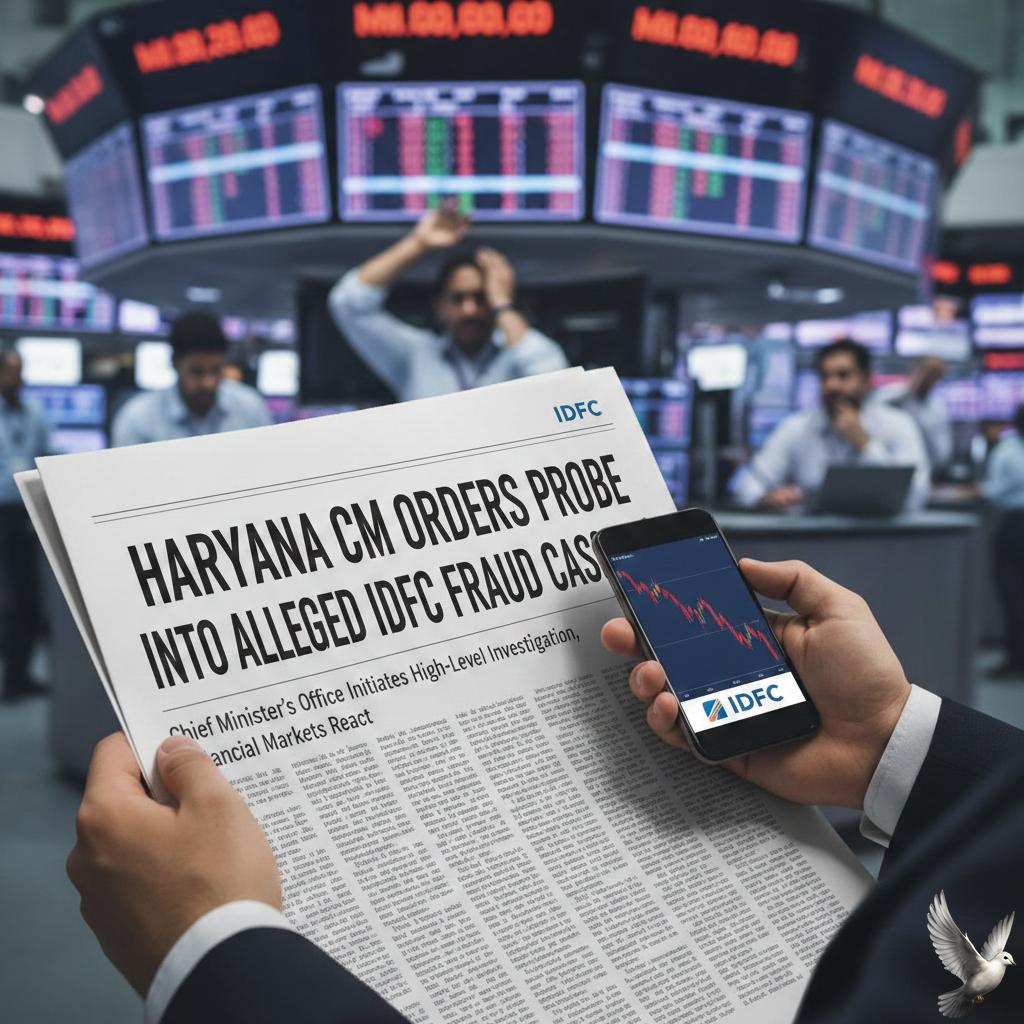
Haryana CM Orders Probe Into Alleged IDFC Fraud Case
Market Brief: Banking Sector Oversight The Haryana state government has officially de-empanelled **IDFC First Bank** following the discovery of a suspected **₹590 crore** fraud. The discrepancy involves specific government-linked accounts managed at a Chandigarh branch. Investigation and Governance Chief Minister Nayab Singh Saini confirmed that a **First Information Report (FIR)** has been registered. The state's **Anti-Corruption Bureau (ACB)** and the **Vigilance Department** are leading a comprehensive probe. A high-level committee of IAS officers has also been formed to pinpoint accountability. Internal bank reviews suggest the fraud stemmed from employee collusion with external parties. In response, the bank has: * Suspended **four** branch officials. * Appointed **KPMG** to conduct an independent forensic audit. * Initiated legal recovery by lien-marking beneficiary accounts in other banks. Market Impact and Financials The disclosure triggered a significant sell-off in **IDFC First Bank** shares, which plummeted **20%** on Monday, February 23, 2026. This crash wiped out over **₹14,000 crore** in investor wealth. The stock hit an 8-month low of **₹66.85** during the session. As of February 24, 2026, the share price is attempting to stabilize near **₹70.00**. The reported fraud amount of **₹590 crore** notably exceeds the bank's **Q3 FY26 net profit** of **₹503 crore**. Analysts at UBS and Morgan Stanley estimate the incident could impact projected **FY26 profits** by approximately **20% to 22%**. Regulatory Outlook RBI Governor Sanjay Malhotra addressed the situation, stating there is **no systemic risk** to the broader Indian banking sector. The central bank characterizes the event as an isolated governance lapse rather than a structural failure. Management maintains that the bank remains well-capitalized with a **Capital Adequacy Ratio** of **16.22%**. The total impact is estimated at roughly **1%** of the bank's net worth. Departments across Haryana have been instructed to immediately transfer all public funds from IDFC First Bank and **AU Small Finance Bank** to other authorized institutions. The investigation is expected to conclude within four to five weeks.

**US Equities Retreat Amid Tech Weakness and Tariff Uncertainty**
US stock markets faced sharp downward pressure on Monday as renewed trade policy volatility rattled investor confidence. The decline followed a weekend of rapid developments involving executive tariff powers and a landmark judicial reversal. The Dow Jones Industrial Average fell over **600 points**, or roughly **1.32%**, to settle near **48,968**. The S&P 500 dropped **0.76%** to **6,856**, while the Nasdaq Composite slipped **0.63%** to end at **22,741**. Market volatility was triggered by the US Supreme Court's **6-3 ruling** that struck down previous broad tariffs imposed under emergency powers. In a swift response, a new **15% global tariff** was announced under a different legal statute, the Trade Act’s Section 122. These new levies are designed to address international payment imbalances but are limited to a **150-day** window unless extended by Congress. The sudden shift back to high-rate protectionism has created fresh uncertainty for multinational corporations and trade partners. The financial sector led the retreat among blue-chip stocks. American Express saw a significant **7% tumble**, weighing heavily on the Dow. Banking giants JPMorgan and Goldman Sachs also faced selling pressure as investors weighed the potential for higher inflation and a more restrictive trade environment. Tech shares showed mixed results but remained generally weak ahead of a pivotal week for the sector. While software companies like Oracle and Palantir dropped approximately **4%** on AI-related disruption fears, Nvidia managed a modest gain of **1.3%** as the market braced for its upcoming earnings report. Broader economic indicators suggest a slowing momentum. Recent data shows US GDP growth for the final quarter of the previous year cooled to **1.4%**, a sharp drop from the **4.4%** recorded in the third quarter. Headline inflation remains sticky at **2.9%**, keeping the Federal Reserve's path for future rate cuts uncertain. Market sentiment is currently defined by a "wait-and-see" approach. Traders are closely monitoring whether the new **15% duties** will face immediate legal challenges and how major trading partners in Europe and Asia will respond to the revised US trade stance.
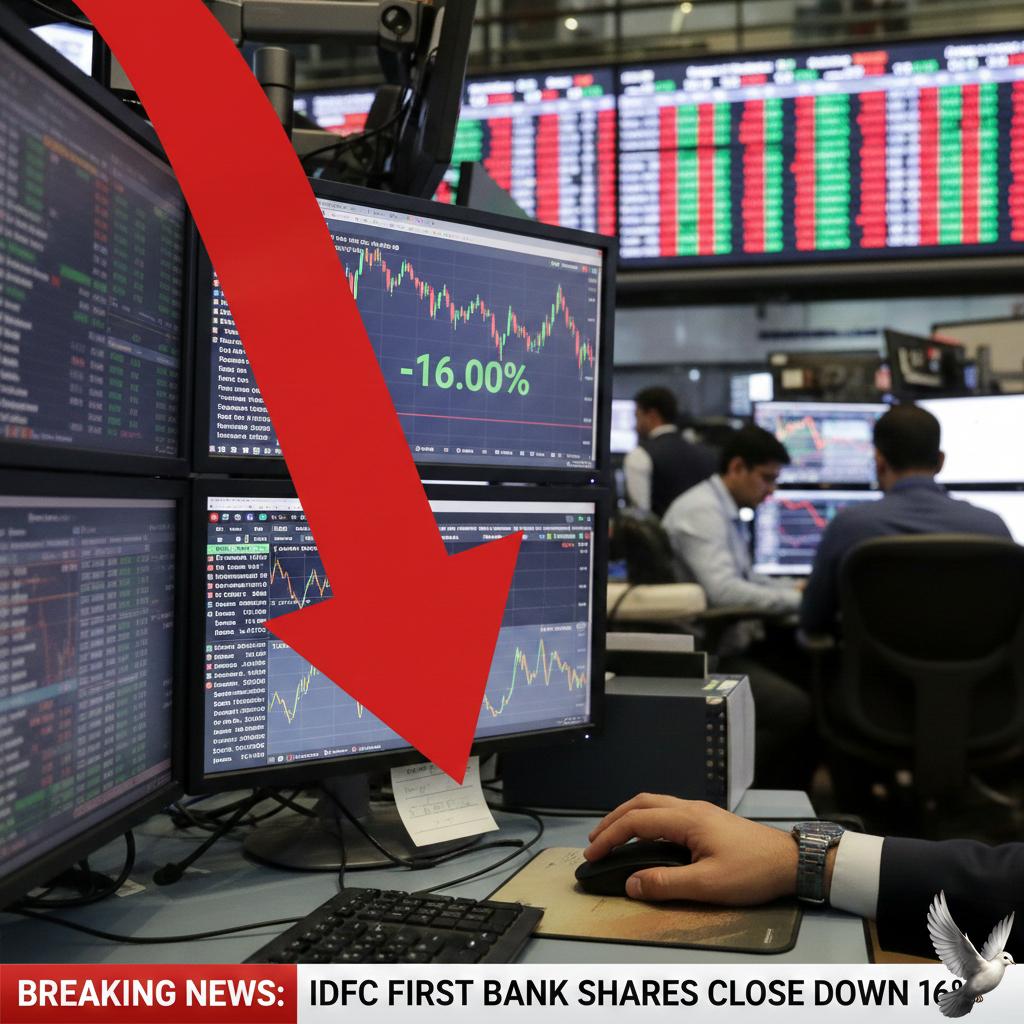
IDFC First Bank Shares Close Down 16%
IDFC First Bank shares experienced a historic collapse on Monday, February 23, 2026, marking the stock's steepest single-day decline since the pandemic onset in March 2020. The sell-off was triggered by the disclosure of a **Rs 590-crore** fraud at the bank's Chandigarh branch. The incident involved unauthorized transactions within accounts linked to the Haryana state government. Market Performance and Valuation The stock plummeted as much as **20%** during intraday trading, eventually closing **16.1%** lower at **Rs 70.04**. This correction wiped out approximately **Rs 14,438 crore** in market capitalization in a single session. Trading volume surged to over **55 crore shares** as investors reacted to the news, pushing the stock well below its 50-day and 100-day moving averages. The scale of the fraud is particularly significant as it exceeds the bank's most recent quarterly net profit of **Rs 503 crore**. Details of the Incident The discrepancy was discovered when a Haryana government department requested to close its accounts and transfer funds. Bank officials noticed that the actual balances did not match the records provided by the government entities. Preliminary reviews suggest the fraud was localized to specific government-linked accounts in Chandigarh and was facilitated by internal collusion between certain employees and external parties through forged physical checks. Institutional and Regulatory Response The Haryana government has taken immediate punitive action by de-empanelling IDFC First Bank and AU Small Finance Bank from state business. All state departments and public sector undertakings have been directed to close their accounts and migrate funds to authorized lenders. In response, the bank management has: * Suspended **four officials** suspected of involvement. * Appointed **KPMG** to conduct an independent forensic audit, expected to conclude in 4–5 weeks. * Filed formal police complaints and notified the Reserve Bank of India (RBI). * Initiated "lien marking" on suspicious beneficiary accounts at other banks to facilitate fund recovery. Sector Outlook The Reserve Bank of India has issued a statement clarifying that the incident poses **no systemic risk** to the broader Indian banking financial system. While the bank maintains it is well-capitalized with a Capital Adequacy Ratio of **16.22%**, analysts note that the fraud represents roughly **28%** of the bank's projected profit for the 2026 fiscal year. The long-term impact will depend on the success of fund recovery efforts and the findings of the forensic investigation.
US Market: Wall Street Futures Decline Amid Tariff Uncertainty
U.S. stock index futures dropped on Monday, February 23, 2026, as renewed trade uncertainty hit global markets. Investor sentiment soured after President Donald Trump announced a new 15% global tariff, despite a major legal setback at the Supreme Court. The high court ruled 6-3 on Friday that the administration’s previous broad levies were illegal under the International Emergency Economic Powers Act. While the market initially cheered the ruling, the administration quickly shifted to Section 122 of the Trade Act to reimpose duties. Market Snapshot (Pre-Market): - Dow E-minis: Down 224 points (0.50%) - S&P 500 E-minis: Down 40 points (0.60%) - Nasdaq 100 E-minis: Down 185 points (0.70%) The new 15% flat-rate tariff is expected to take effect immediately. Under current legal frameworks, this levy can last up to 150 days without Congressional approval. This creates a volatile environment for supply chain planning and corporate revenue forecasting through the first half of 2026. Economic data is further complicating the outlook. Recent reports show U.S. business activity at a 10-month low, with GDP growth slowing and inflation remaining stubborn. This "stagflation" signal has weakened the U.S. dollar, which fell 0.4% against a basket of currencies this morning. Safe-haven assets are seeing increased demand amid the chaos. Gold jumped 0.6% to reach $5,135 per ounce, its highest level since late January. Meanwhile, oil prices retreated, with Brent crude falling 1.3% to $70.39 and WTI dropping to $65.55 as traders weighed the impact of trade friction on global demand. Corporate Focus: - Nvidia: Shares ticked up 0.2% ahead of quarterly earnings due Wednesday, which will serve as a critical health check for the AI sector. - Alphabet: Gained 0.5% in pre-market trading, continuing a recovery from the previous session. - Retail/Manufacturing: These sectors face significant volatility as they navigate potential refunds of $175 billion from the overturned tariffs versus the costs of the new 15% duty. Global partners are already reacting. The European Union and India have signaled potential delays in trade negotiations. Analysts suggest that while the previous "scaffolding" of tariffs was removed by the court, a new, more unpredictable trade regime is already being built.

Gold and Crude Oil Market Outlook Amid Current Price Levels
Market Brief: Bullion and Energy Outlook **Precious Metals Performance** Gold is trading at historic highs, holding steady near **$5,136** per ounce as of February 23, 2026. The metal reached a record weekly close above **$5,100** on Friday, driven by a weakening U.S. dollar and a disappointing **1.4%** annualized GDP growth rate for the fourth quarter. Silver has experienced significant volatility this month. After peaking at **₹3.50 lakh** per kg on February 1, it corrected sharply before rebounding by over **5%** today to settle near **₹2,74,900** per kg. Domestic 24-carat gold prices in India are currently averaging **₹1,59,420** per 10 grams. **Drivers of Bullion Demand** Central banks remain a pillar of support, with projected net purchases of **755 tonnes** for 2026. While this is lower than the **1,000+ tonne** peaks of recent years, it remains nearly double the pre-2022 average. Policy uncertainty is a primary catalyst. Investors are hedging against trade tensions following a recent Supreme Court ruling on tariff frameworks and the introduction of new **15%** levies. Market analysts project gold could test **$5,450** if current momentum holds. **Crude Oil and Geopolitical Risk** International benchmarks are holding near six-month highs. Brent crude is trading around **$70.59** per barrel, while West Texas Intermediate (WTI) sits at **$65.68**. Prices currently carry a geopolitical risk premium of approximately **$4 to $6** per barrel. This is largely due to escalating tensions between the U.S. and Iran, with markets pricing in the potential for disruptions in the Strait of Hormuz, which handles **20%** of global oil supply. **Supply Fundamentals and OPEC+** The market is characterized by a "supply-demand mismatch." Despite the risk of conflict, the International Energy Agency (IEA) forecasts a global surplus of **3.2 million** barrels per day for 2026. OPEC+ has raised output targets by **2.9 million** barrels per day since last April. The group is expected to pause production hikes in the first quarter of 2026 to prevent a price collapse. However, a full removal of Iranian exports—estimated at **3.3 million** barrels per day—could flip the market into a deficit and push Brent toward **$91** by year-end. **Key Monitoring Points** Markets are currently focused on the third round of nuclear talks scheduled for Thursday in Geneva. Any breakdown in diplomacy or a shift toward military strikes could immediately expand the risk premium. Conversely, signs of a diplomatic breakthrough or a continued build in OECD inventories may cap the upside for energy prices through the second quarter.
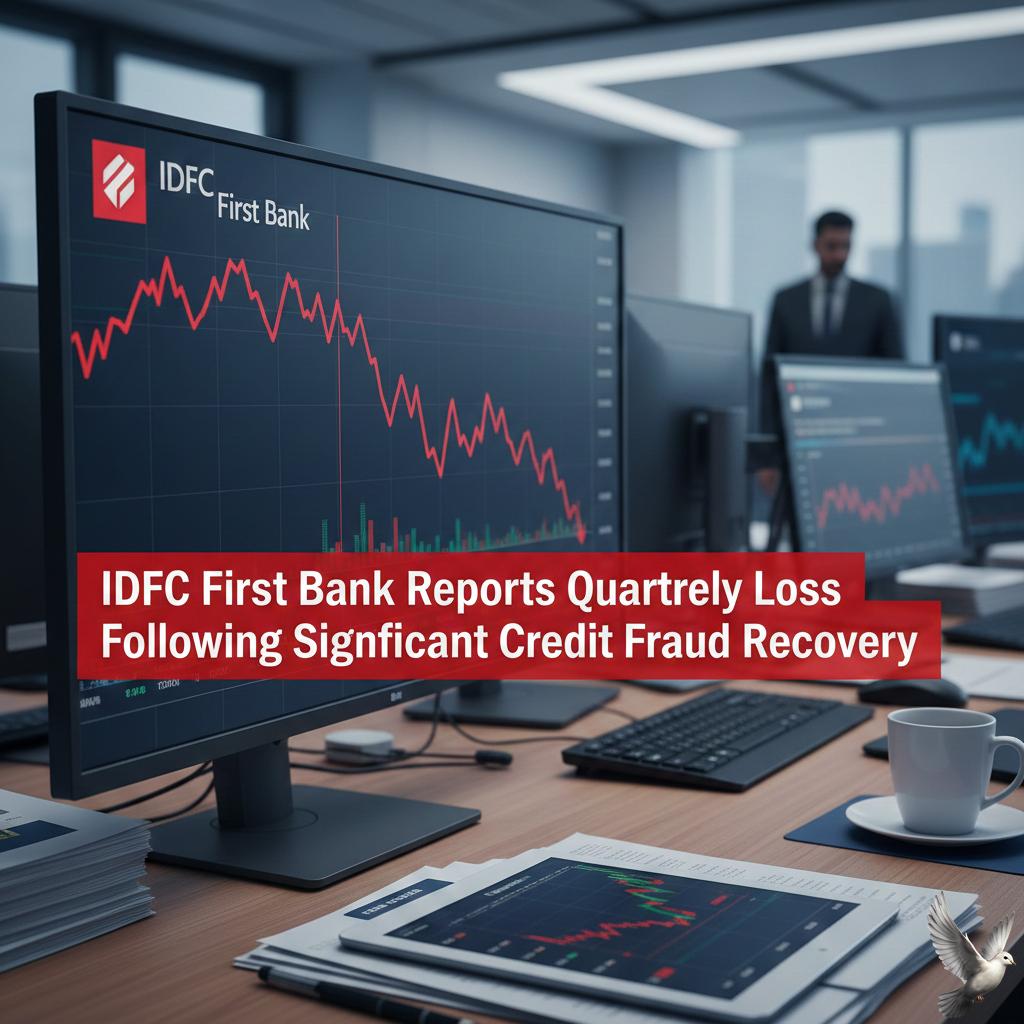
IDFC First Bank Reports Quarterly Loss Following Significant Credit Fraud Recovery
IDFC FIRST Bank is navigating a major operational and market crisis following the discovery of a ₹590 crore fraud at its Chandigarh branch. The breach, involving the use of forged cheques and fraudulent authorization letters, has triggered a massive selloff in the bank’s stock, wiping out significant shareholder wealth in a single trading session. The fraud came to light on February 18, 2026, when departments of the Haryana Government requested to close several accounts and transfer funds to other institutions. During the reconciliation process, bank officials identified a sharp discrepancy between the reported government balances and the actual funds held in the accounts. Market Impact and Stock Performance The financial fallout was immediate as markets reacted to the disclosure. On February 23, 2026, IDFC FIRST Bank shares plummeted nearly 20%, hitting the lower circuit at ₹66.85 on the BSE. This represents a staggering decline from the previous close of ₹83.51. The bank's market capitalization has seen a dramatic contraction, falling to approximately ₹60,565 crore. This sharp valuation dip comes at a sensitive time for the lender, which had otherwise reported a net profit of ₹1,525 crore for the 2025 fiscal year. The potential hit of ₹590 crore represents nearly 39% of that annual profit, though the final impact remains under reconciliation. Internal Actions and Investigation The bank has moved to contain the damage by suspending four branch officials suspected of involvement. Preliminary findings suggest the fraud was manual, carried out by branch-level employees in possible connivance with external third parties. To determine the full extent of the breach, the bank is appointing KPMG to conduct an independent forensic audit. Additionally, the bank has filed a formal police complaint and notified the Reserve Bank of India (RBI). Immediate Institutional Consequences The Haryana Government has responded by de-empanelling IDFC FIRST Bank for all state business with immediate effect. New directives now require state departments to park funds primarily in nationalized banks, with private bank accounts requiring special approval from the finance department. Recovery Efforts Recovery measures are currently underway. The bank has issued "recall requests" to various beneficiary banks, asking them to mark a lien on suspicious accounts where the fraudulent funds were allegedly transferred. While the bank maintains a strong capital adequacy ratio of 15.48%, the incident has raised critical questions regarding branch-level oversight and internal control mechanisms. The management has emphasized that the issue is isolated to a specific cluster of government-linked accounts in Chandigarh and does not affect the broader retail or corporate customer base of the branch or the bank’s national network.